









Ever since Toto Wolff assumed the role of team principal at Mercedes back in 2013, the Anglo-German manufacturer has achieved unprecedented success in Formula 1 by securing eight consecutive constructors' championships and eight drivers' titles. Despite this remarkable era of dominance spanning over a decade, managing the internal dynamics and fierce tensions within the garage has tested the leadership to its absolute limits.
The most severe internal crisis arrived during the 2016 Formula 1 season when Mercedes secured the constructors' crown while simultaneously battling an explosive rivalry between Lewis Hamilton and Nico Rosberg. The fierce on-track battles and collisions only concluded when Nico Rosberg claimed his maiden world championship and immediately announced his shock retirement from professional motorsport.
Long before those internal storms unfolded at Mercedes, Toto Wolff proactively sought guidance from Formula 1 legend Alain Prost regarding how to handle volatile teammate relationships. The conversation took place during the Austrian executive's early days in the pinnacle of motorsport while he was associated with the Williams racing outfit on the starting grid.
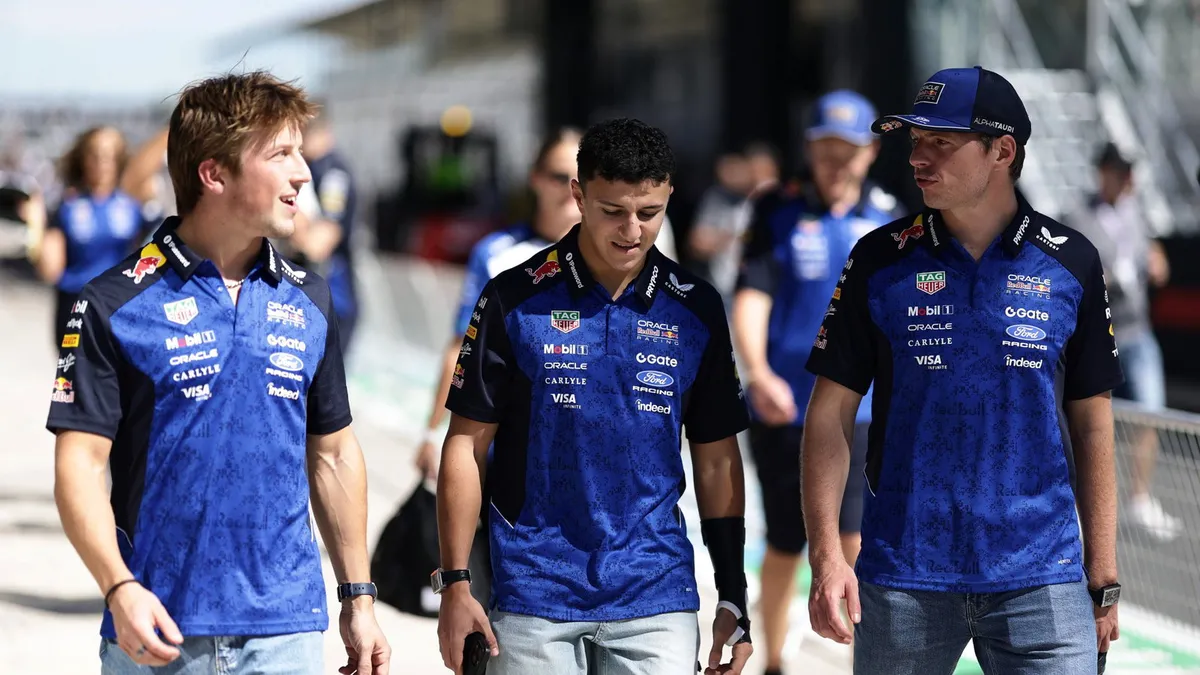
Recalling the encounter with profound clarity, Toto Wolff asked the four-time world champion how the legendary feud between him and Ayrton Senna at McLaren had deteriorated so drastically. Alain Prost explained that the fundamental issue stemmed from never knowing with absolute certainty who held the status of the team's undisputed favorite driver at any given moment.
The French icon noted that while he occasionally felt like the privileged driver, there were other phases where Ayrton Senna enjoyed that exact status, creating an internal atmosphere of mistrust and suspicion. According to Alain Prost, this dynamic inevitably led to the constant fear that the direct adversary might be gaining clandestine advantages within the team structure.
Drawing profound leadership lessons from that historic conversation, Toto Wolff formulated a specific psychological perspective regarding elite racing drivers that he still implements today. He famously observed that elite drivers often resemble traumatized eight-year-olds thrust into karts while chasing their parents' ambitious dreams, making their transition into the corporate team environment immensely complex.
To prevent any erosion of trust, Toto Wolff firmly believes that maintaining absolute transparency and emotional protection is mandatory so that drivers never feel unsupported or alienated by the very team fighting for victories alongside them.
Read Also
Franco Colapinto minta suporter Argentina hentikan ujaran kebencian di F1 2026. Baca analisis mendalam dan berita selengkapnya di sini!
Franco Colapinto tegur keras fans F1 yang lakukan serangan siber ke pembalap lain. Simak analisis lengkap dan berita terbaru di sini!
Liam Lawson siap tampil musik di Austin jelang F1 AS 2026. Baca analisis mendalam tentang persiapan dan kiprahnya di sini!
 Continue with Google
Discussion (0)
Join the Discussion!
Sign in easily to start commenting, replying, and interacting with other readers.
Latest Comments
No comments yet. Be the first!