







New regulations always open the door to interesting interpretations, and F1 2026 is no exception. Several teams have cleverly exploited loopholes, with some innovations already banned or set to be outlawed next season. Let's break down the breakthroughs that are pushing the boundaries of technology.
For the first time in decades, both engine and chassis regulations have been radically overhauled. Cars are lighter and narrower, with power units even more complex due to the near-50:50 split between electric motor and internal combustion engine. The most creative engineers see opportunities, and we're already seeing convergence, like McLaren adopting the rotating wing concept pioneered by Ferrari and Red Bull.
The 'Macarena' Wing and Straight Mode
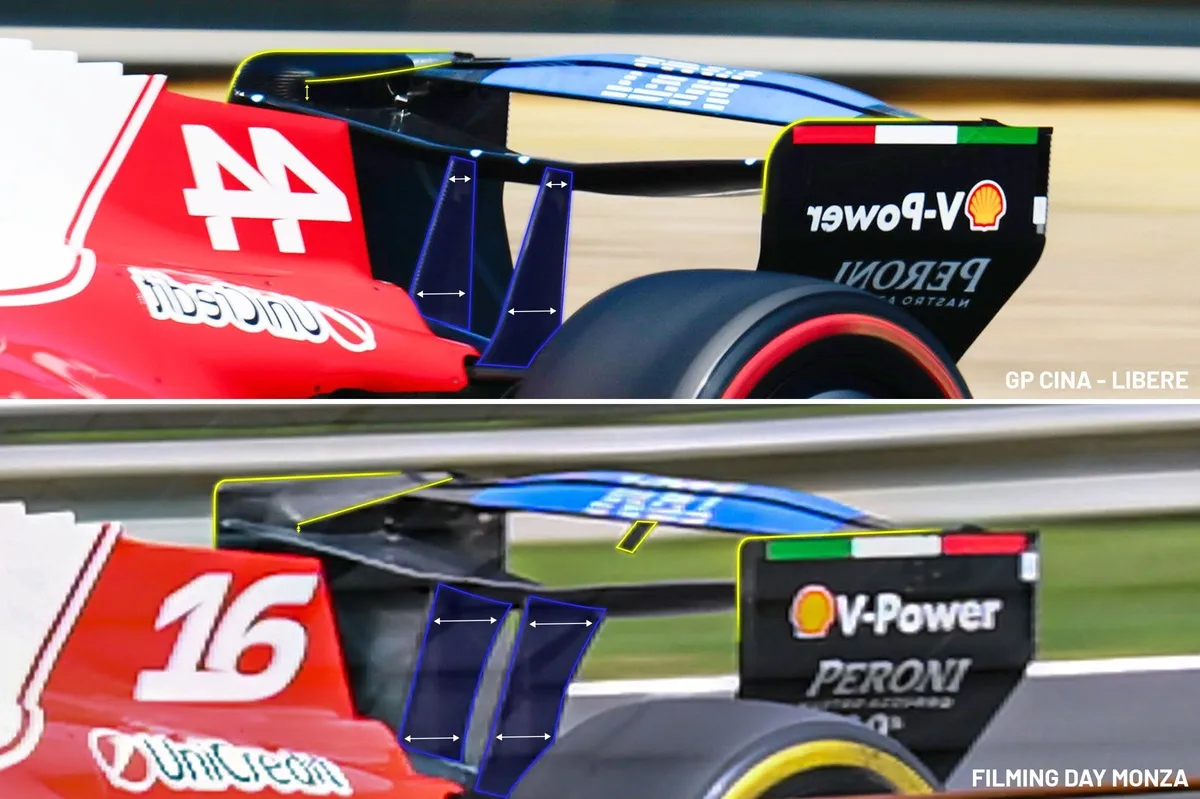
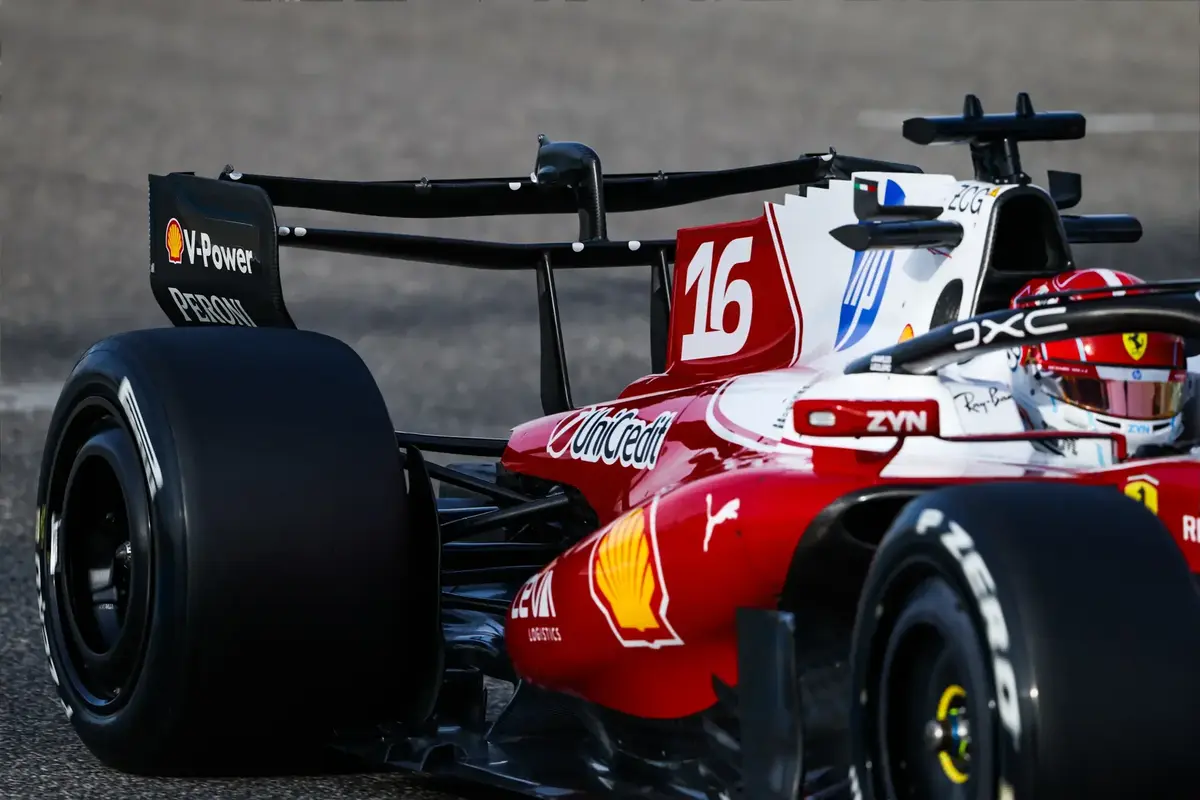
One of the most controversial innovations is the 'Macarena' wing, first seen on the Ferrari SF-26. Named by team principal Frederic Vasseur, it exploits the new Straight Mode rules. While DRS previously flattened only the rear wing, Straight Mode also flattens the front wing. Ferrari exploits the rule that defines transition speed (<0.4s) but not how the flap moves. The rear flap pivots backwards with actuators in the endplates, while Red Bull and McLaren use forward pivot with central actuators. McLaren admits to a 'why didn't we think of that?' moment and immediately started developing their own version.
Bypassing the Electrical Ramp-Down
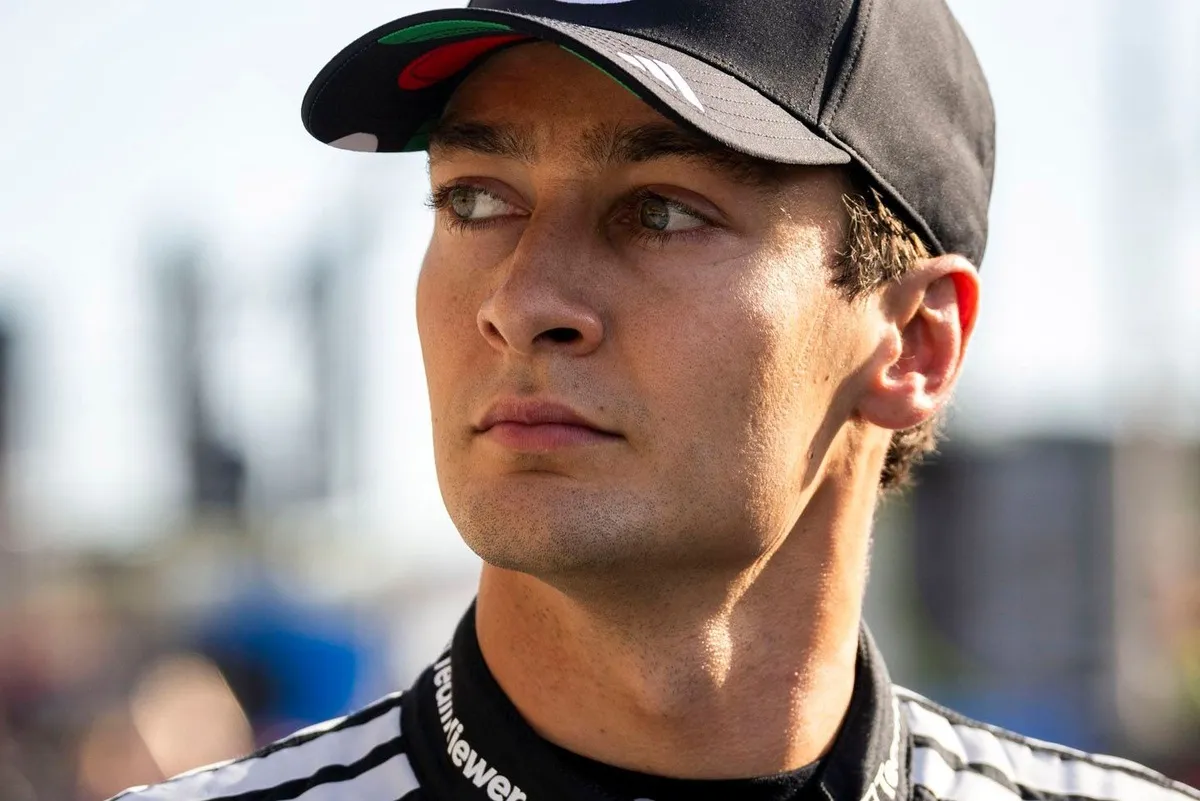
Another issue is the constant need to recharge the battery and the risk of sudden power loss. The FIA mandates a ramp-down phase that reduces electrical output in stages (50 kW per second). However, some teams with Mercedes and Red Bull power units triggered an emergency shutdown mode at the end of qualifying laps to bypass it. This was banned after the Japanese GP for safety reasons. Mercedes then revived it legally via software, exploiting short runs between the final corner and the line. They optimize deployment and braking so drivers can demand maximum boost at the exit, then lift off the throttle slightly before the line to defeat the ramp-down.
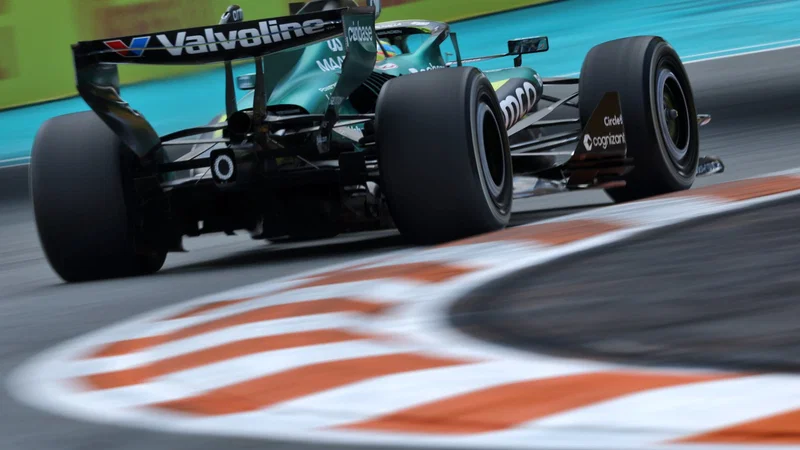
Aston Martin's B-Spec and Aero Devices
Aston Martin brought a B-spec car in Hungary with a nose-to-tail update, including a lighter monocoque. They retained the aggressive front suspension and the electric motor's position ahead of the engine, as requested by Adrian Newey for aero reasons. Ferrari also has a 'flow-turning device' above the exhaust that directs hot air to the rear wing's underside and diffuser, boosting downforce. This sparked outrage because only Ferrari could fully exploit it thanks to their rearward differential position.
Mercedes brought serrated diffuser extensions in Canada, which Ferrari protested. Mercedes used a loophole in wording about metal stays to prevent floor flexing, but the FIA issued a technical directive to ban it. There are also 'mouse holes' in the bodywork around the diffuser to redirect airflow, and rear wing flap extensions and 'ladder flaps' that have been banned for 2027. These innovations show how dynamic F1 is as a technological battleground, where every loophole becomes a new front.
Read Also

Lewis Hamilton mendukung balapan F1 2026 tetap digelar di Timur Tengah, meski konflik di Teluk memanas. Ia juga menolak opsi Imola sebagai penutup musim.

Silverstone menggelar acara Natal 2026 dengan atraksi Lap of Lights, di mana pengunjung bisa mengendarai mobil pribadi di sirkuit F1. Tiket sudah dijual.

Oliver Bearman mengungkap kesulitan beradaptasi dengan karakter Haas VF-26 yang berubah-ubah setiap balapan. Dampaknya pada performa Haas di F1 2026.
 Continue with Google
Discussion (0)
Join the Discussion!
Sign in easily to start commenting, replying, and interacting with other readers.
Latest Comments
No comments yet. Be the first!