








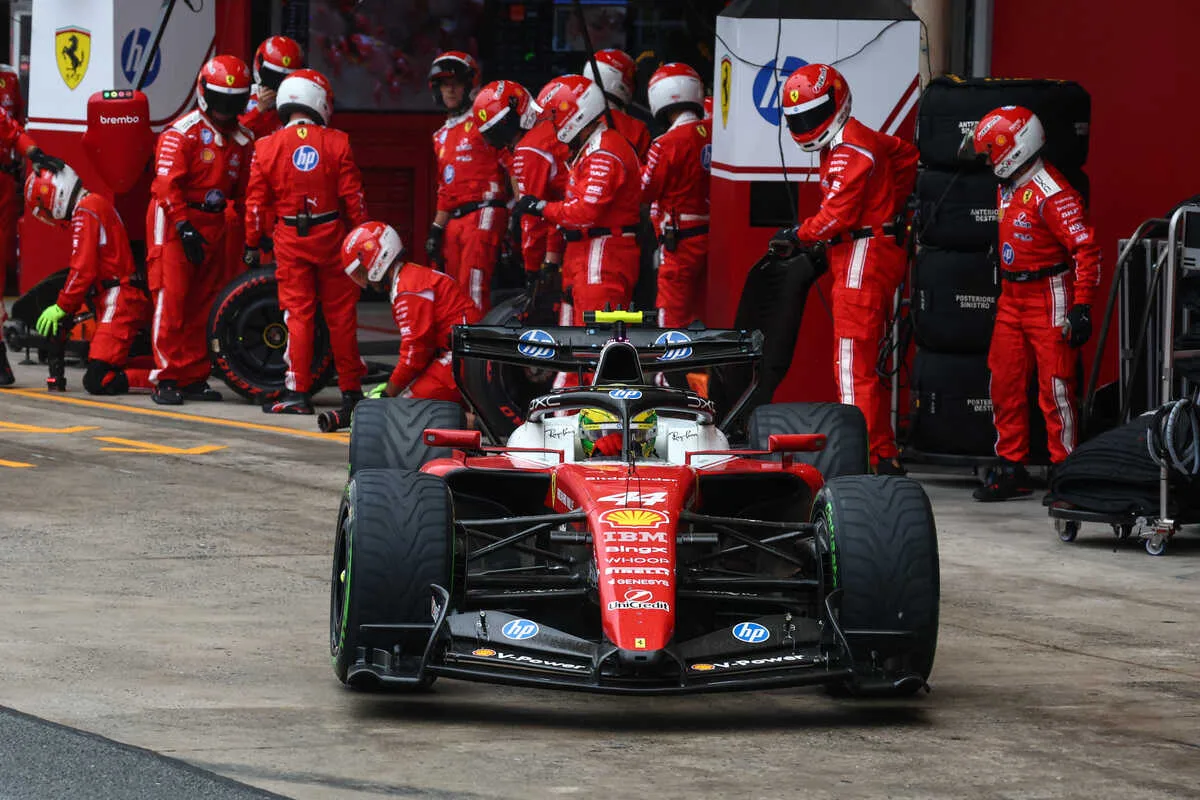
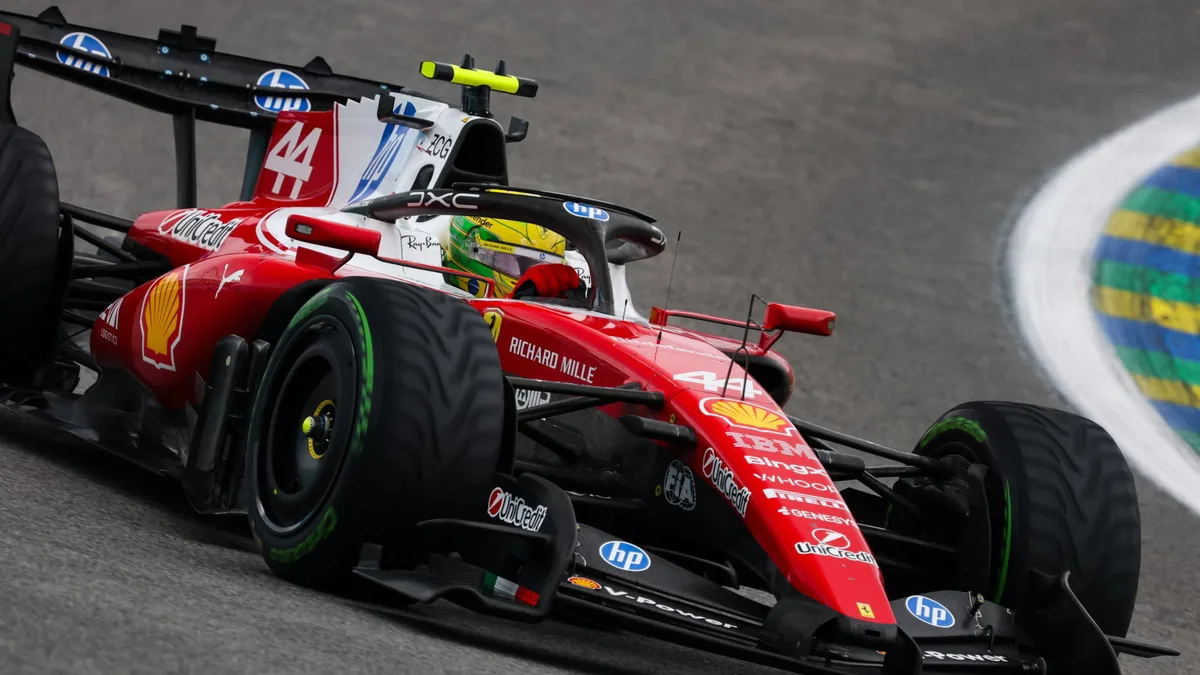
A stunning launch from the start grid by Lewis Hamilton at the Brazilian Grand Prix at Interlagos quickly turned into a difficult afternoon as the British driver suffered a dramatic mid-stint pace drop. Having started the race with an incredible reaction time, the seven-time world champion initially gained multiple positions before slipping down the order. The tactical gamble orchestrated by Frederic Vasseur at Ferrari later came to light as the primary root cause behind their aggressive tire pressure choices.
This aggressive strategic approach paid immediate dividends when the lights went out. By inflating the intermediate tires well above the minimum prescribed limits, the Italian squad aimed to maximize grip during the opening meters. According to previous technical insights shared by Pirelli chief engineer Simone Berra, running higher pressures helps reduce the contact patch and accelerates thermal generation, allowing the rubber to reach its optimal operating window much faster in cold or wet conditions.
Such characteristics proved useful during the chaotic opening corners, helping evacuate standing water more efficiently and preventing aquaplaning. However, this setup created a major downside as the asphalt began to dry out. Without enough standing water to cool down the overly inflated rubber, the tires quickly overheated, destroying the available grip and forcing the veteran driver to struggle for traction until the eventual switch to slick compounds.
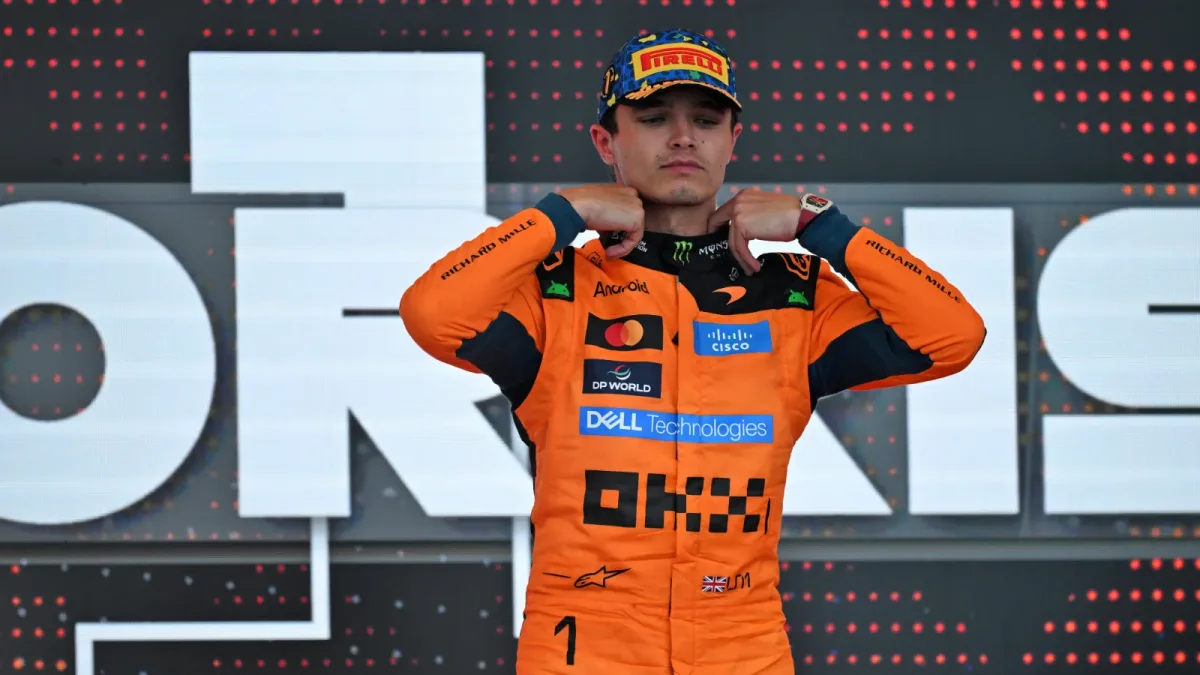
Frederic Vasseur openly admitted to media representatives that the team understood the trade-offs involved in such a high-risk setup. He noted that gaining positions on lap one always comes at a price later in the stint when tire degradation takes over. This tactical gamble highlights the fine margins engineers face when trying to balance immediate race-start advantages against long-term stint consistency.
Ultimately, the weekend at Interlagos offers crucial lessons for the Maranello outfit as they prepare for the remaining rounds of the championship. Analyzing these compounding factors in tire management will remain vital for securing crucial points in the final stretch of the ongoing Formula 1 season.
Read Also
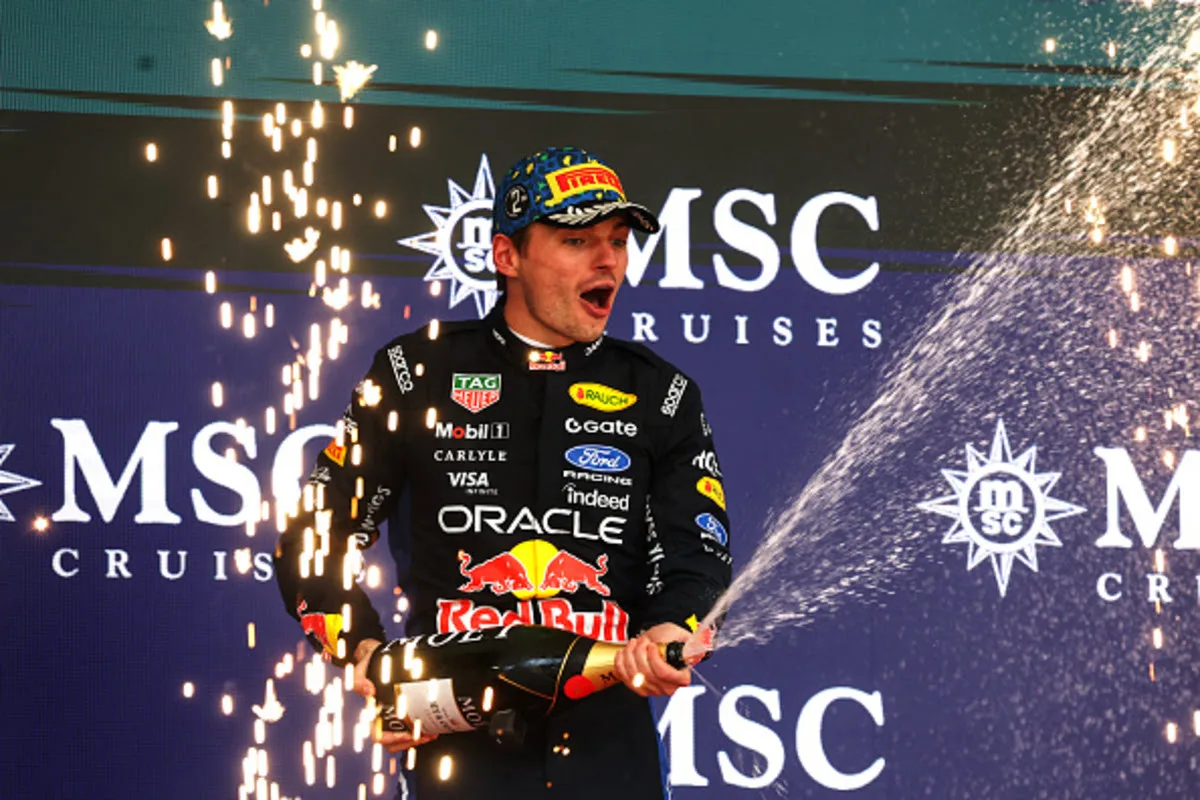
Simak ulasan lengkap aksi gemilang Max Verstappen yang sukses finis kedua dari posisi buncit di Interlagos. Baca analisis mendalam di sini.
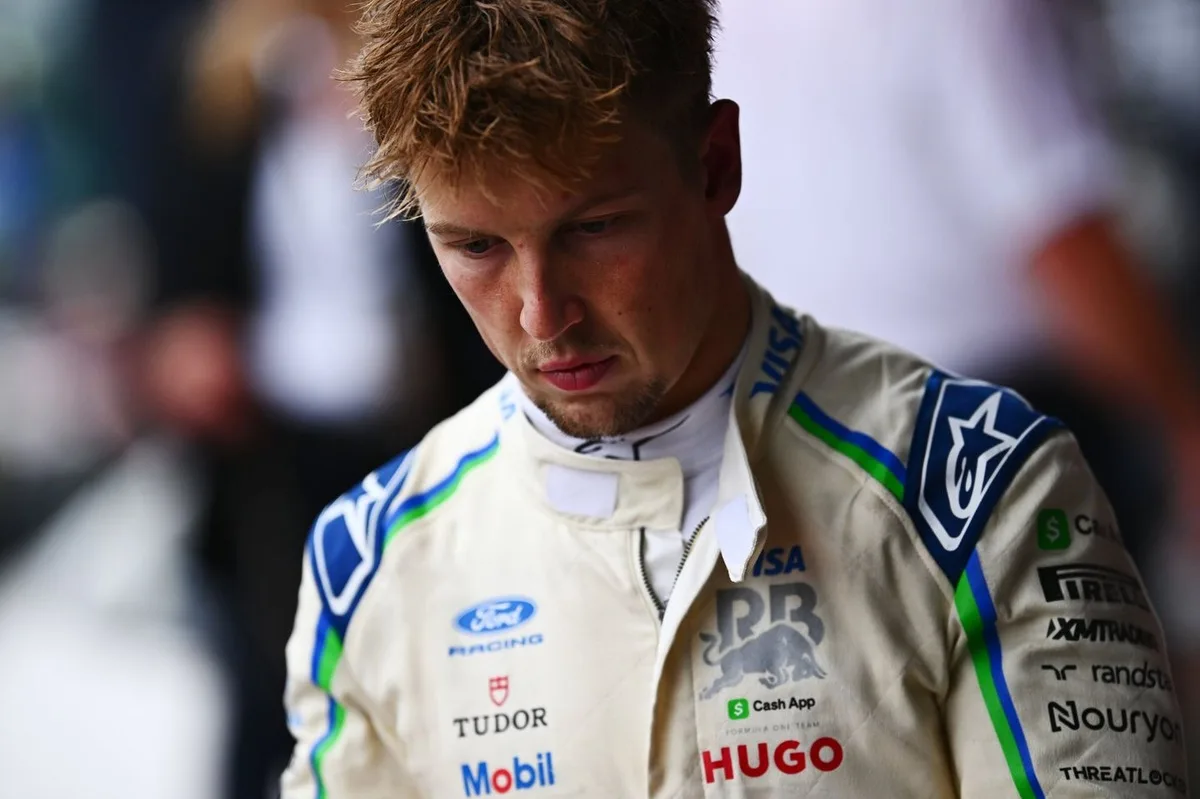
Simak analisis lengkap bagaimana performa konsisten Liam Lawson mengamankan masa depannya di tim Racing Bulls. Baca ulasan mendalam di sini.
Simak analisis lengkap Fred Vasseur terkait kendala ban Ferrari yang dialami Leclerc dan Hamilton di GP Brasil. Baca ulasan mendalam di sini.
 Continue with Google
Discussion (0)
Join the Discussion!
Sign in easily to start commenting, replying, and interacting with other readers.
Latest Comments
No comments yet. Be the first!