







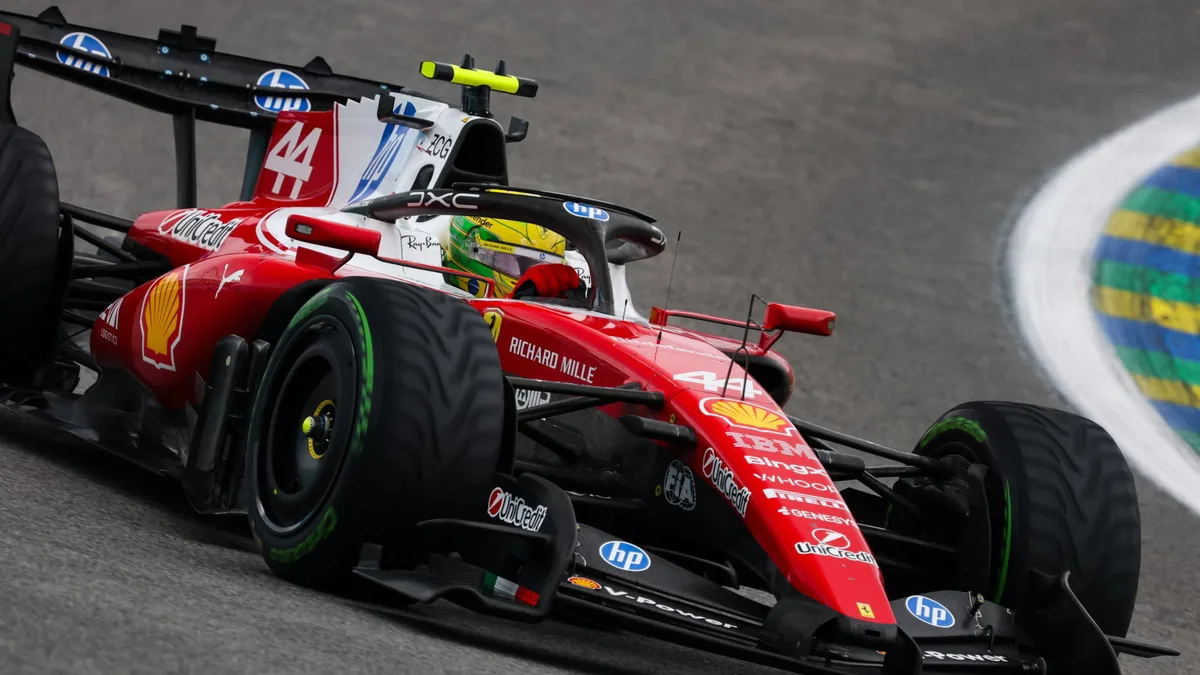
A dramatic race weekend at the Interlagos circuit left Ferrari with significant homework after Charles Leclerc and Lewis Hamilton had to fight hard just to secure points finishes. The inconsistent performance in Sao Paulo forced the Scuderia to thoroughly evaluate their tire pressure choices and thermal management issues that severely hampered the SF-26 pace throughout the grand prix.
Facing a complex weekend with unpredictable weather forecasts, the Maranello management elected to install fresh power units on both cars. Consequently, both drivers accepted grid penalties, forcing them to start from the back of the pack—a monumental challenge at the Autodromo Jose Carlos Pace where overtaking remains notoriously difficult.
However, the race initially sparked high hopes when Lewis delivered a stunning start from 20th on the grid. The British champion sensationally gained 11 positions on a breathtaking opening lap, showcasing his elite race craft and exceptional reflexes in front of the passionate Brazilian crowd.
That early brilliance unfortunately faded as intermediate tire temperature issues began to undermine his pace. "It was probably a question of tyre pressures," Vasseur told media in Brazil. "You cannot have a first lap like that and then not pay some price for it." Vasseur further explained that tire temperatures played a critical role in preventing the team from finding the optimal operating window during specific phases of the race.
Charles Leclerc experienced similar handling woes throughout the afternoon before ultimately crossing the finish line in eighth place. Meanwhile, Lewis brought his car home in ninth after surviving a dramatic spin when late rain arrived, forcing the field to scramble back onto intermediate rubber after the track had briefly dried enough for slick tires.
Beyond the thermal degradation that cost crucial lap time, top-speed deficits on the straights and grid penalties compounded Ferrari's headaches. When only a single dry racing line remained available, making progress through the traffic proved nearly impossible without taking strategic risks.
"This weekend I think we were able to be into the pace on some occasions, and some occasions we were far away," Vasseur concluded. Comprehensive data analysis is now underway in Maranello to ensure these tire sensitivity issues do not derail their performance in the final rounds of the season.
Read Also
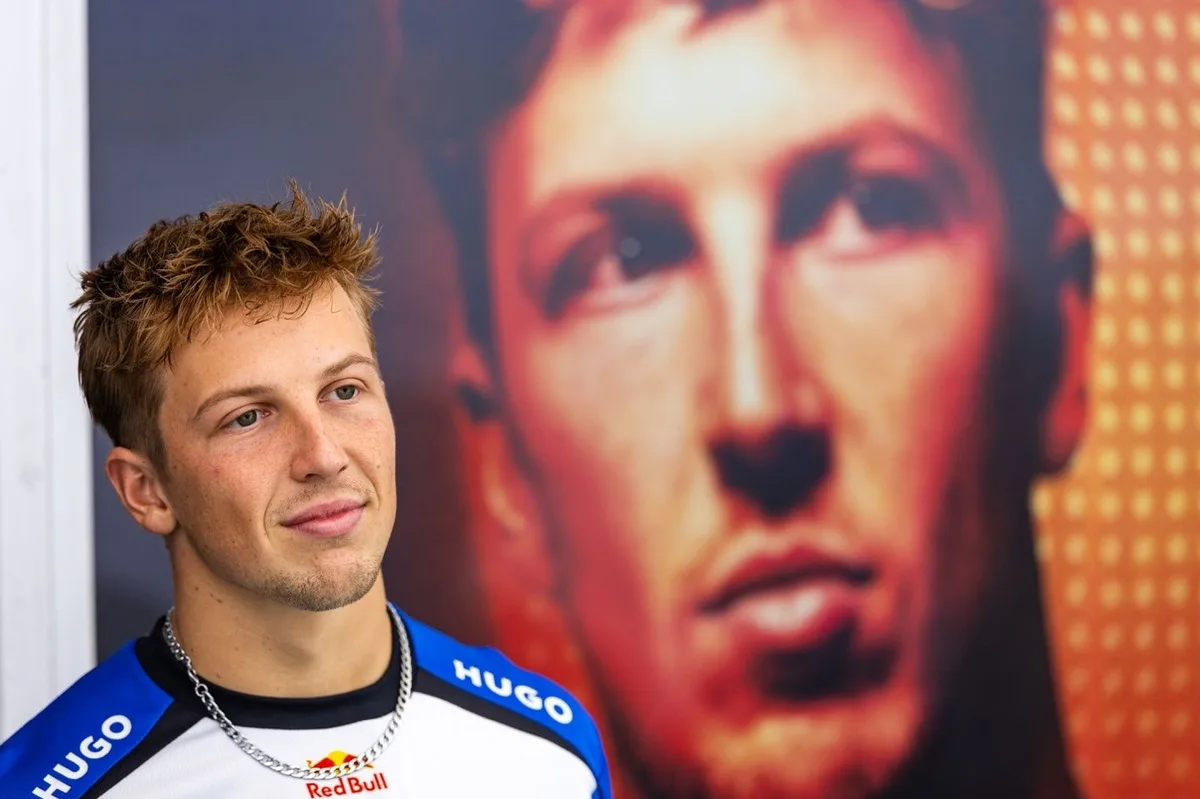
Liam Lawson dikabarkan semakin dekat mengamankan kursi balap Racing Bulls untuk musim depan. Simak analisis mendalam dinamika paddock di sini.
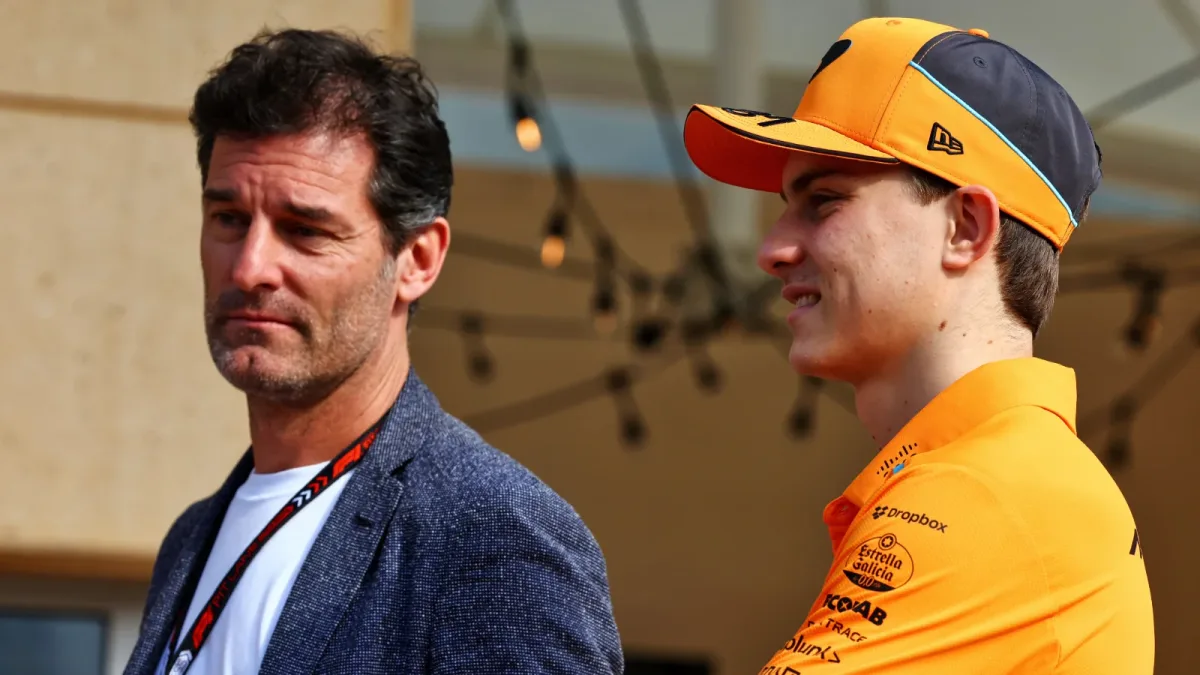
Oscar Piastri resmi mengakhiri kerja sama manajemen dengan Mark Webber setelah tujuh tahun. Simak detail perubahan struktur karier sang pembalap di sini.
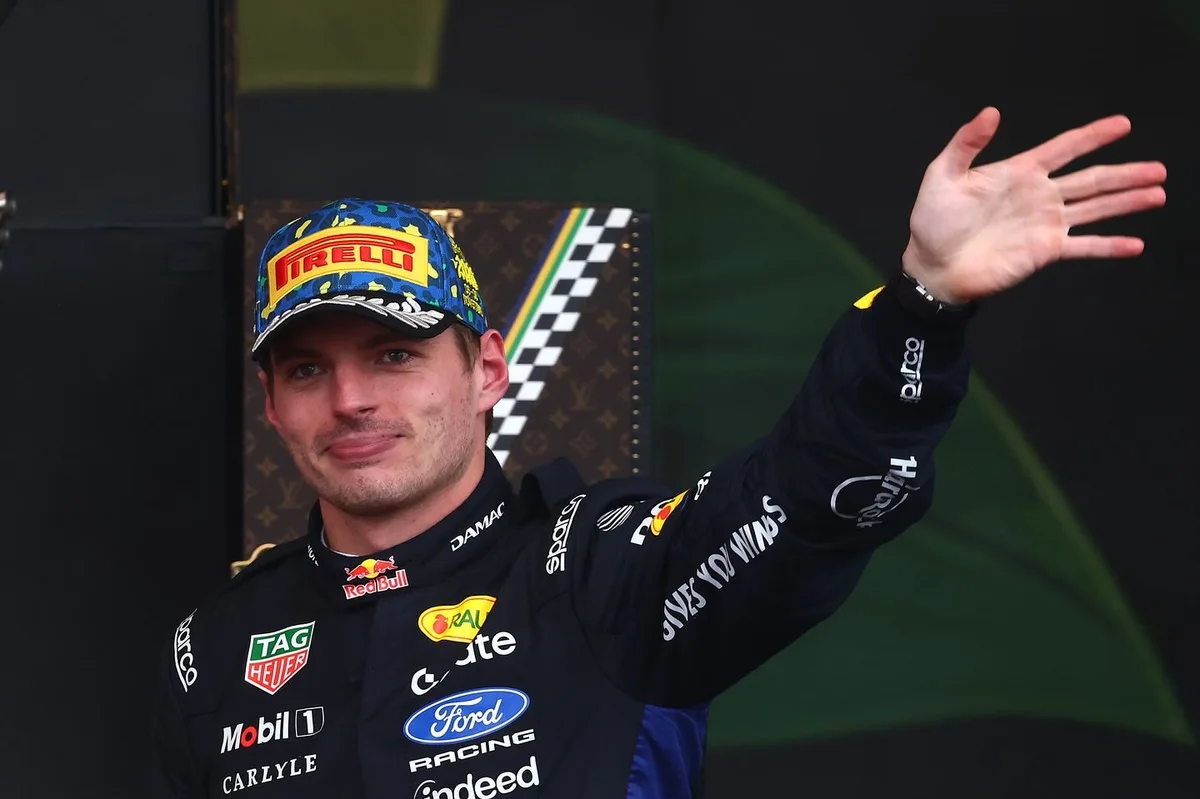
Simak analisis teknis bagaimana Max Verstappen melampaui simulasi Red Bull di GP Brasil. Baca laporan mendalam mengenai kendala downforce dan performa di sini.
 Continue with Google
Discussion (0)
Join the Discussion!
Sign in easily to start commenting, replying, and interacting with other readers.
Latest Comments
No comments yet. Be the first!