







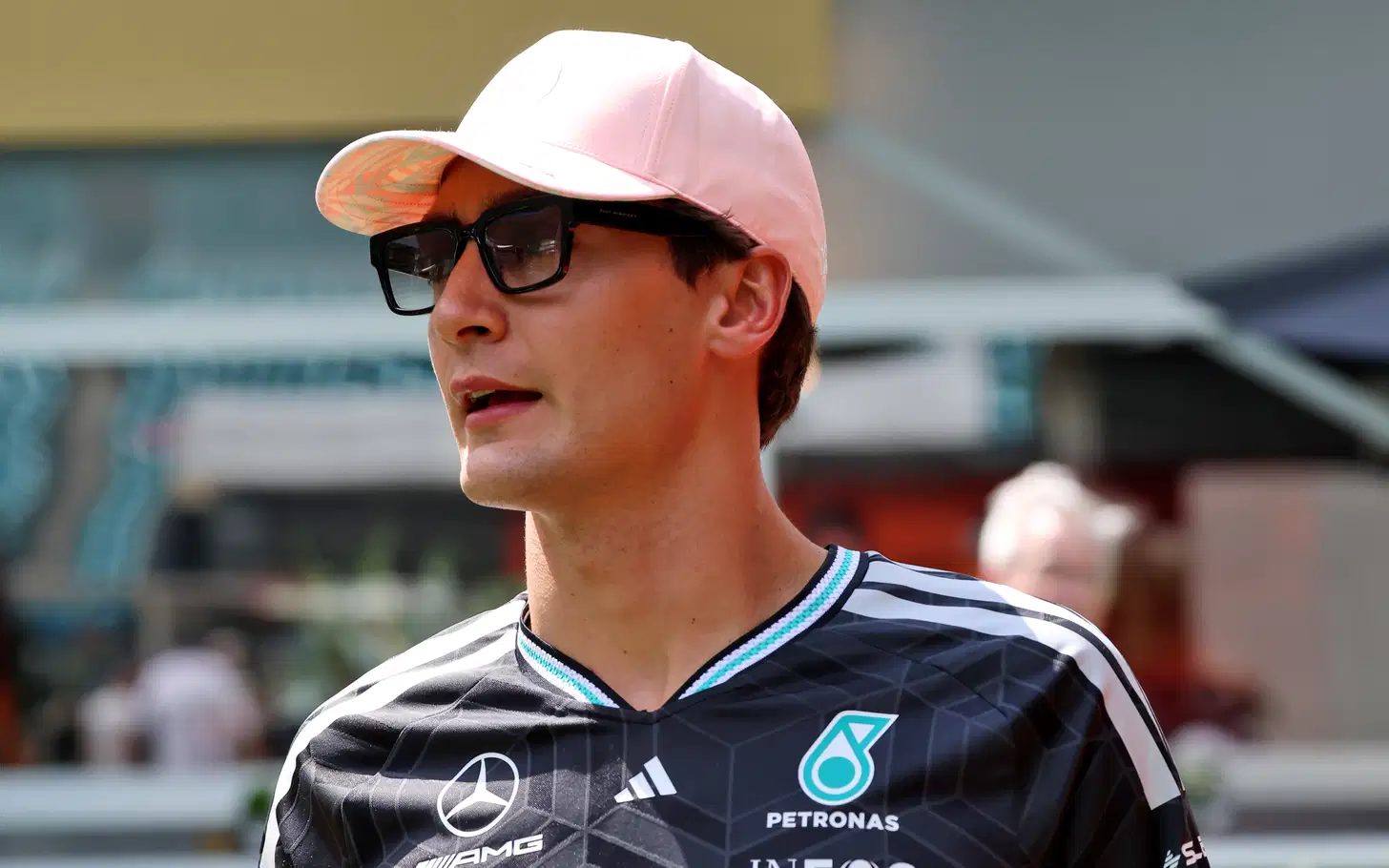

George Russell has issued a firm response to recent criticism surrounding the updated Formula 1 2026 regulations, insisting that the FIA has successfully addressed the key concerns raised during the opening rounds of the season. The Mercedes driver views the revisions, set to be implemented at the Miami Grand Prix, as both technically justified and necessary from a safety standpoint.
The introduction of the new 2026 regulatory era brought significant changes to power unit architecture, but early races exposed issues related to energy deployment and closing speed differentials between cars. These concerns became evident during the Japanese Grand Prix, where Oliver Bearman was involved in a heavy crash after being caught out by the rapid closing speed while following Franco Colapinto.
In response, the FIA, teams, and drivers agreed on a series of regulatory adjustments aimed at stabilising car behaviour. Key changes include eliminating the need for lift-and-coast during qualifying laps, reducing the loss of speed at the end of straights, and addressing excessive closing speed during overtaking scenarios.
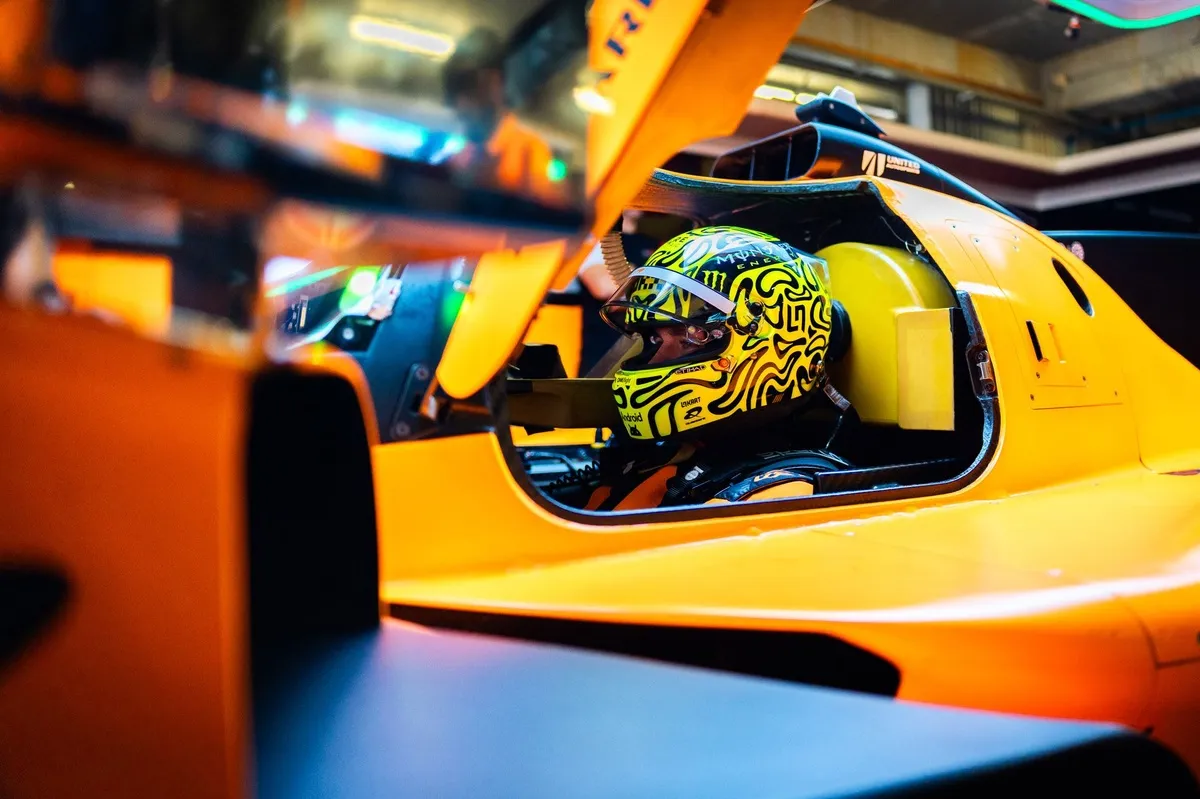
Russell emphasised that any regulatory change must have a clear objective, whether improving single-lap performance or enhancing safety. He believes the current revisions achieve a balance between both, removing performance anomalies that had previously compromised driver confidence and race consistency.
Addressing claims that his support is influenced by Mercedes’ competitive position, Russell rejected the suggestion, stating that the changes reflect collective driver feedback rather than team-specific advantage. According to him, the FIA has delivered on the issues that drivers had consistently highlighted.
An earlier proposal to reduce battery deployment to 200kW during races was ultimately dismissed. Russell criticised the idea, arguing that such a reduction would significantly dilute Formula 1’s performance level and bring it closer to feeder series such as Formula 2.
From a technical standpoint, achieving the correct balance between the internal combustion engine and hybrid systems remains central to maintaining both performance and safety. The revised regulations aim to preserve Formula 1’s identity as the pinnacle of motorsport while improving the overall racing product.
The Miami Grand Prix will provide the first on-track validation of these changes, offering crucial insight into whether the FIA’s adjustments have effectively resolved the issues identified in the early phase of the 2026 season.
Read Also
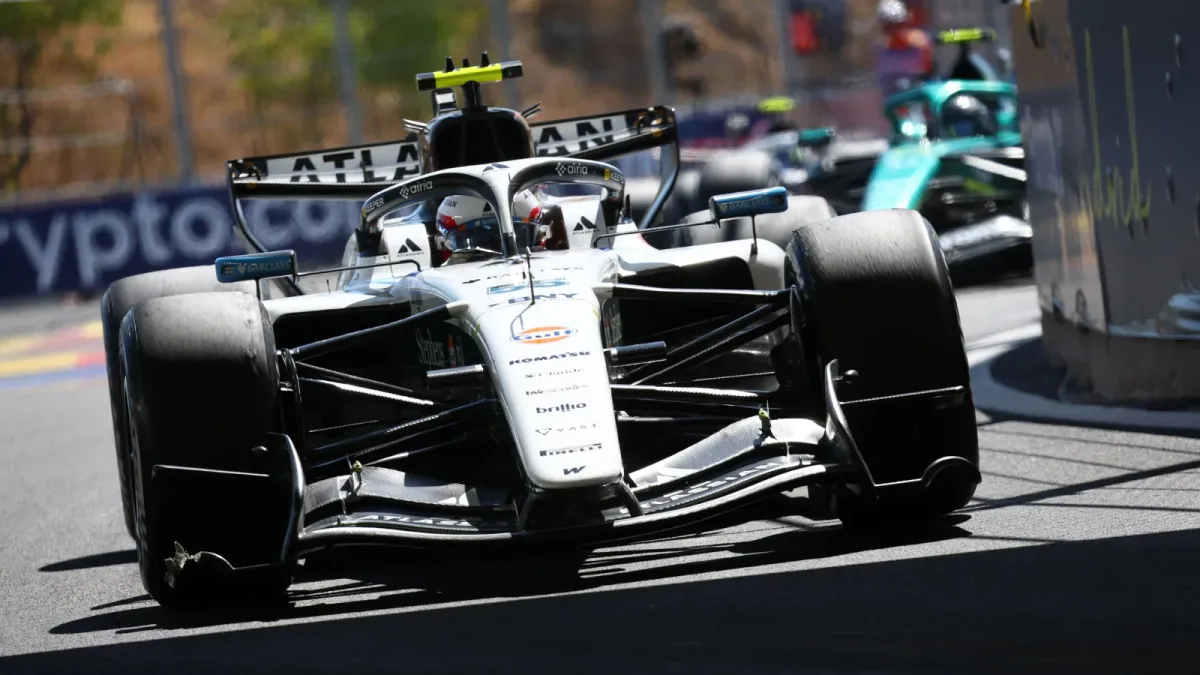
Carlos Sainz blames Fernando Alonso's radio complaints for his five-second penalty at the Spanish GP. The Turn 5 incident sparked tension between the two Spanish drivers.
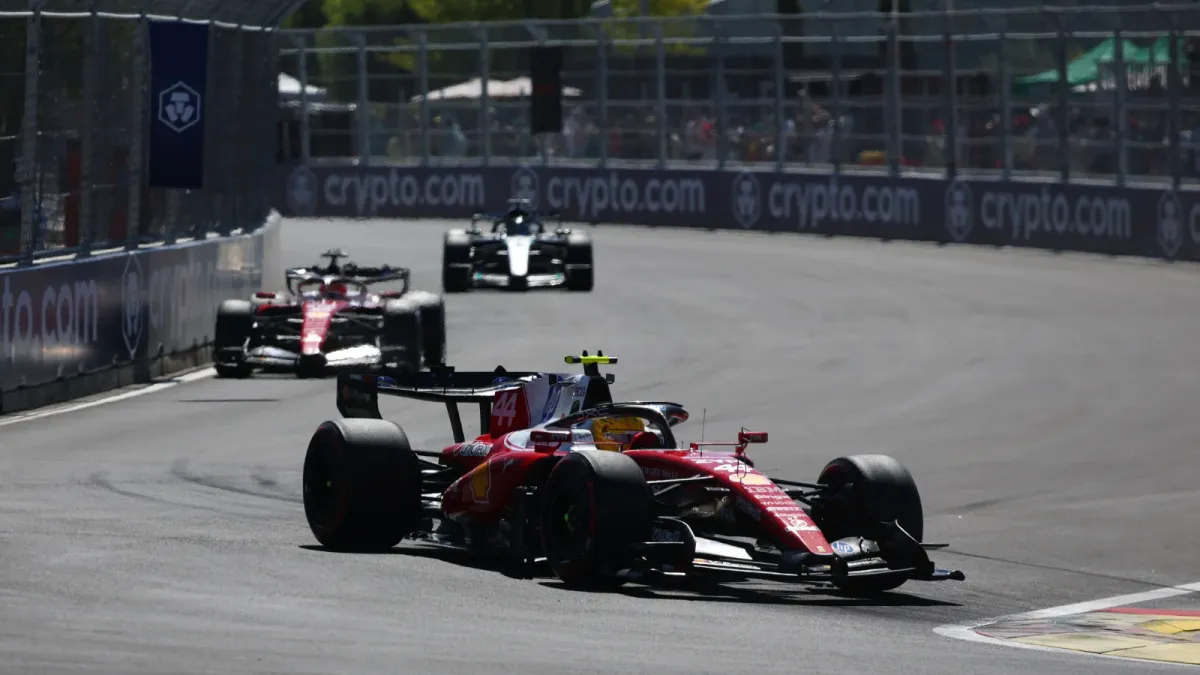
Ferrari will thoroughly investigate the brake failure that forced Lewis Hamilton to retire from the Spanish GP. Read the full analysis here.
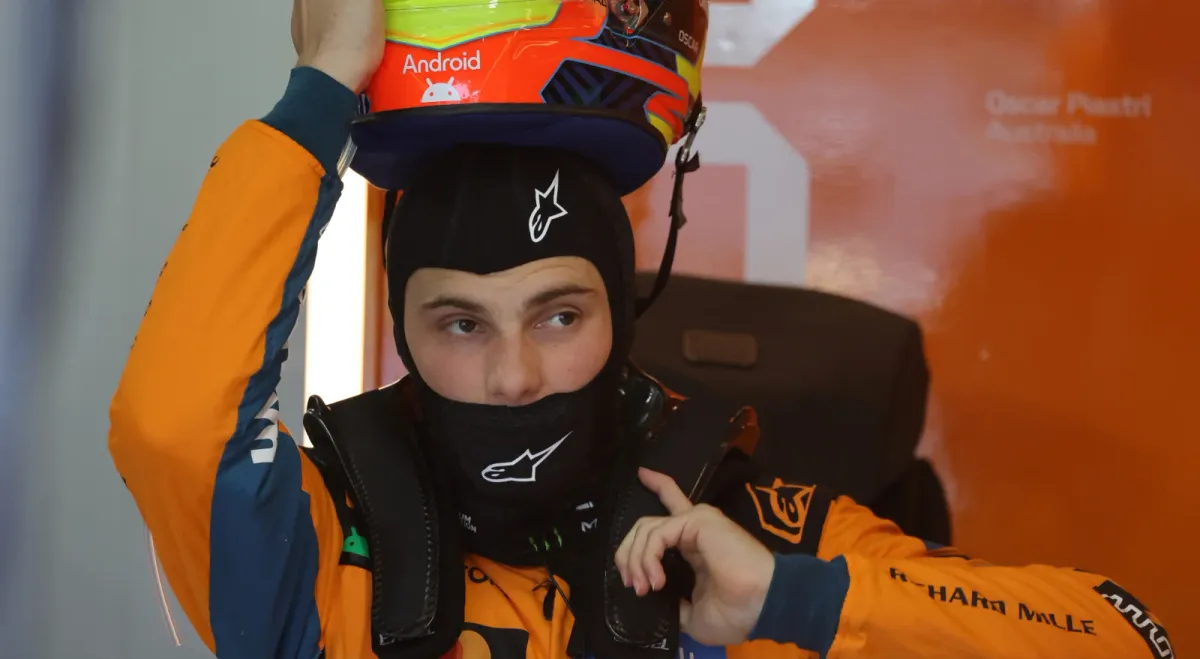
Oscar Piastri received a rare FIA warning at the Spanish GP after a 'too far' manoeuvre. Front wing damage and medium tyre struggles led to an eighth-place finish.
 Continue with Google
Discussion (0)
Join the Discussion!
Sign in easily to start commenting, replying, and interacting with other readers.
Latest Comments
No comments yet. Be the first!