








Formula 1, Sportrik Media - Practice sessions for the 2026 Australian Grand Prix at Albert Park Circuit exposed major challenges created by the new technical regulations in Formula 1, particularly regarding energy management within the latest generation power units.
The sweeping regulation changes introduced this season have brought entirely new cars and engine concepts, with electrical energy now accounting for roughly half of the total power output. As a result, drivers must manage battery deployment carefully throughout a lap to maintain competitive performance.
That complexity became clear during Friday’s running in Melbourne as teams including Red Bull Racing, Scuderia Ferrari, and McLaren Formula 1 Team conducted more intensive programmes compared with the limited pre-season testing completed at Bahrain International Circuit. With qualifying approaching, teams began pushing their new machinery closer to the limit.
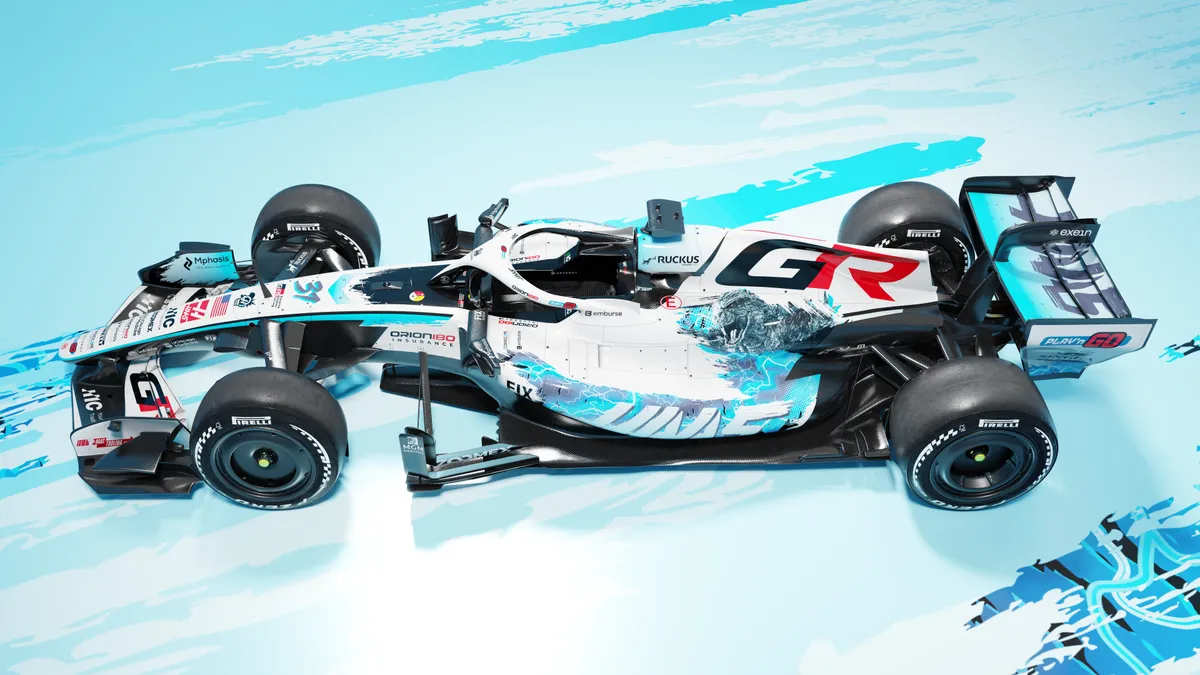
Lap times also reflected the impact of the regulation shift. During practice at Albert Park last year, Charles Leclerc topped the session with a 1:16.439 for Ferrari. Twelve months later, home driver Oscar Piastri set the benchmark with a 1:19.729 for McLaren.
However, outright lap time is not the primary indicator at this early stage of development. The new cars generate less aerodynamic downforce, while battery management has become the most influential variable affecting performance across a lap.
Drivers were frequently forced to lift off the throttle in multiple corners to recharge battery energy through regeneration systems. Even with that approach, some cars still ran out of electrical power on the straights, leading to dramatic differences in top speed of up to 40–50 km/h between competitors.
Telemetry from the fastest FP2 lap by Max Verstappen illustrated the issue clearly. The four-time world champion deployed battery power aggressively between Turns 8 and 9 to increase top speed, yet the power unit still experienced “clipping,” meaning the electric energy was depleted before the end of the straight.
This behaviour contrasts sharply with the situation during the 2025 Australian Grand Prix, where Verstappen’s top speed continued to increase along the longest straight. Under the 2026 configuration, the Red Bull driver was instead losing nearly 30 km/h toward the end of the acceleration zone.
Verstappen also lifted significantly earlier through Turn 12 to regenerate energy for the following straight, highlighting how energy recovery strategies now shape lap execution. As a result, drivers cannot push continuously throughout a lap in the same way as under the previous generation of cars.
Instead, race performance in the 2026 season is expected to depend heavily on how effectively teams and drivers manage battery deployment and regeneration. While the challenge introduces a new strategic dimension, it also raises questions about whether the system may require further refinement by the governing body FIA as the season develops.
Read Also
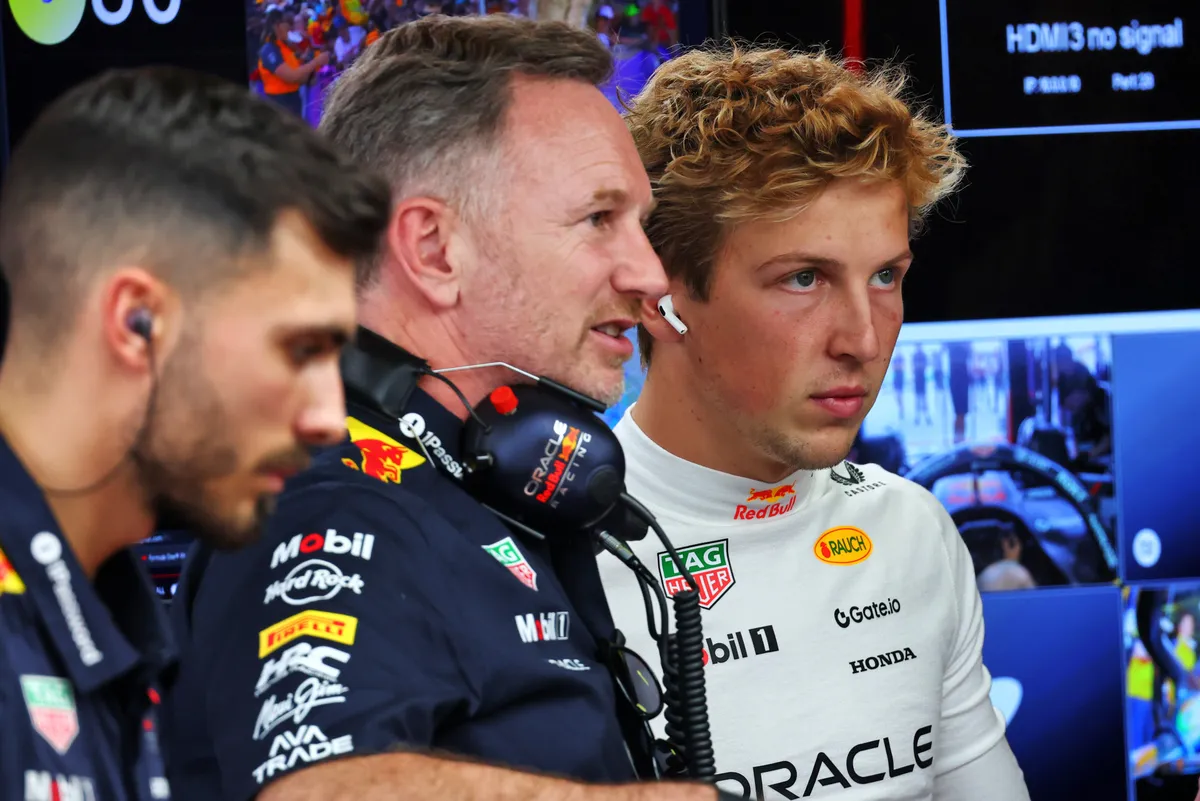
Simak analisis mendalam mengenai pengakuan mengejutkan Christian Horner soal blunder promosi Liam Lawson di Red Bull. Baca selengkapnya di sini!

Simak analisis lengkap seputar isu mobil terbang, promosi Rafael Camara di F1, hingga kalender baru Rwanda dalam podcast terbaru. Baca selengkapnya di sini!

Simak pengakuan Christian Horner mengenai proyek mesin F1 Red Bull 2026 yang menakutkan hingga sukses raih kemenangan. Baca analisis lengkap di sini!
 Continue with Google
Discussion (0)
Join the Discussion!
Sign in easily to start commenting, replying, and interacting with other readers.
Latest Comments
No comments yet. Be the first!