







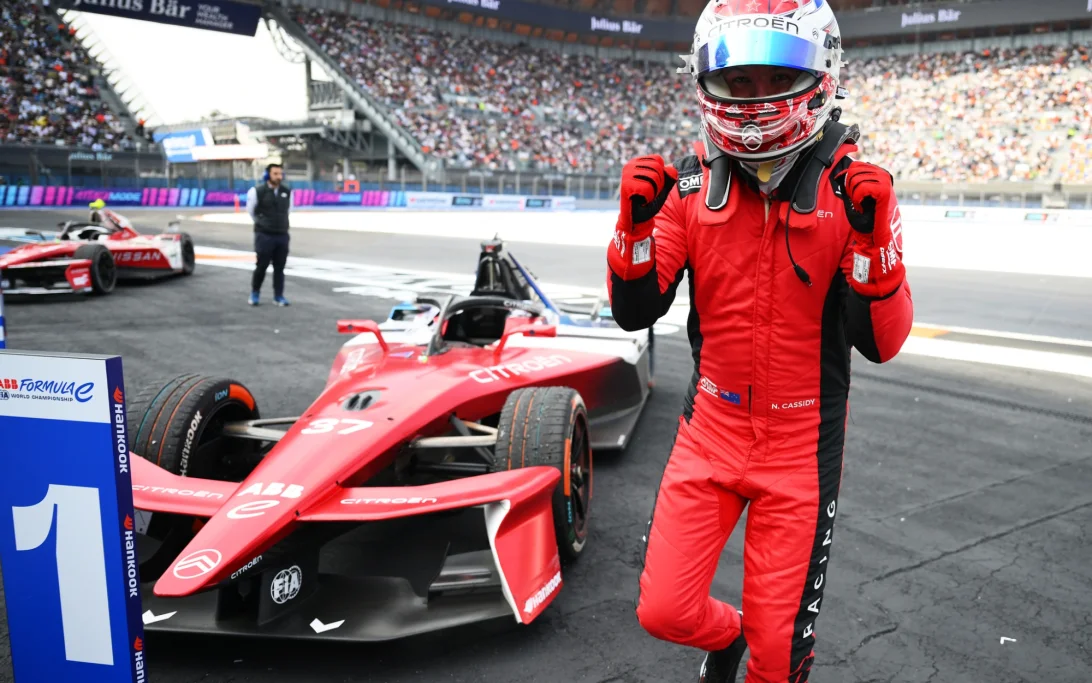

Formula E, Sportrik Media - Nick Cassidy has established a strong foundation of trust with his new team after a “super open” mid-race strategic discussion with Citroën proved decisive in the Mexico City E-Prix, delivering a standout victory and early leadership of the Formula E drivers’ championship.
Cassidy’s switch from Jaguar TCS Racing to Citroën has produced an almost flawless start to the season. Across the opening two rounds in São Paulo and Mexico City, the New Zealander has secured one podium and one win, leaving him four points clear at the top of the standings despite joining a brand-new team and racing an unfamiliar Stellantis Gen3 Evo package.
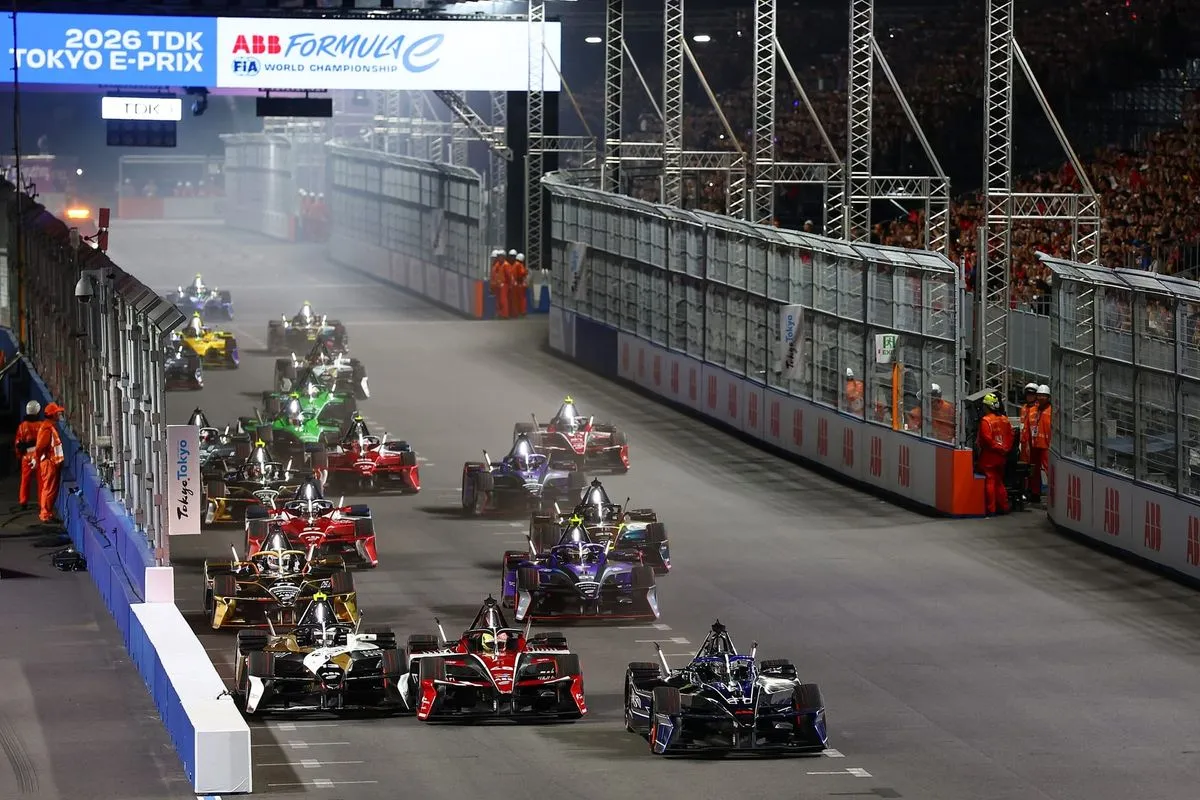
The achievement carries added weight given the scale of the transition. Citroën is a new entrant to the Formula E grid, while Cassidy had no prior race experience with its powertrain or energy management systems. During pre-season testing last November, the championship leader spoke openly about the “mountain” he faced in adapting to a new technical philosophy and operational environment. Based on the opening rounds, that learning curve has been compressed dramatically.
Both races this season have followed a familiar Cassidy blueprint. In São Paulo and Mexico City, he spent much of the race circulating in the midfield, prioritising energy preservation over track position before unleashing a late charge. The approach was executed to perfection in Mexico City, where Cassidy climbed from 10th to first over the final 13 laps.
The turning point came through an unconventional approach to attack mode. Following a full-course yellow that later became a safety car, Cassidy proposed using six minutes of attack mode at the first activation and leaving the remaining two minutes for the second. The six-then-two split is rarely used, but Citroën immediately backed the idea when it was raised over the radio.
“Yeah, interesting one. I do think it was a—yeah, let’s say a typical me race, if that makes sense,” Cassidy told RacingNews365.
“It was a bit different taking the six and two [minutes of attack mode], and it was also really cool just to have the team on the same page as me.”
Crucially, the strategy had not been discussed in pre-event or pre-race meetings. The decision was made on the fly during a neutralised phase of the race, with rival teams able to monitor radio communications.
“We were under full-course yellow, and it wasn’t something that was discussed in our pre-event or pre-race meeting,” Cassidy explained.
“I threw the idea out there on the radio. In that situation, you’re a bit stuck, because every team tunes in to all the radios.”
Rather than hesitating, Citroën responded with flexibility and trust, quickly aligning its strategic thinking with Cassidy’s perspective.
“But our guys were super open to change and could see where I was coming from,” Cassidy said.
“They had a good idea of when that would be best to do, and we just worked together well. So yeah, let’s say a typical race—but one that I’m proud of.”
For Cassidy, the significance of that moment extended beyond the result itself, particularly given the context of operating in a new environment.
“Being in a new environment and being able to make that work like that was really cool,” he added.
The trust shown by Citroën stands in contrast to Cassidy’s previous two seasons at Jaguar, where success was sometimes accompanied by tense radio exchanges. Having a team immediately aligned with his instincts has created a calmer and more cohesive platform for an early title challenge.
Cassidy’s Mexico City win was not secured through strategy alone. The closing laps demanded a resolute defensive performance against Edoardo Mortara of Mahindra Racing, who still had attack mode available after Cassidy’s had expired. Despite the additional power and four-wheel-drive advantage, Mortara was unable to find a way past.
Cassidy admitted he had already accepted the possibility of dropping to fourth, with threats not only from Mortara but also from Oliver Rowland and Jake Dennis, both of whom also had attack mode remaining.
“And then yeah, at the end, I was surprised to keep Mortara back,” Cassidy said.
“When I got to the last lap, and we were on the same power level, I felt a lot more confident.”
Before that, the situation felt far less secure.
“But when he was [in attack mode], I thought I was a sitting duck,” Cassidy admitted.
“I was quite prepared to be P4, with Dennis and a couple of others behind coming too.”
Relief followed when the chequered flag fell with Cassidy still in the lead.
“So yeah, quite relieved to hold on,” he concluded.
Two rounds into the season, Cassidy’s results underline more than early championship momentum. They point to a rapidly formed alignment between driver and team, built on openness, adaptability, and mutual trust. If that dynamic holds, the Cassidy–Citroën partnership is emerging as a defining force in the Formula E title fight.
Read Also
Ulasan mendalam tentang era Gen3 Formula E: dari krisis keselamatan di Valencia hingga fondasi menuju era baru yang lebih cepat hingga 2030.
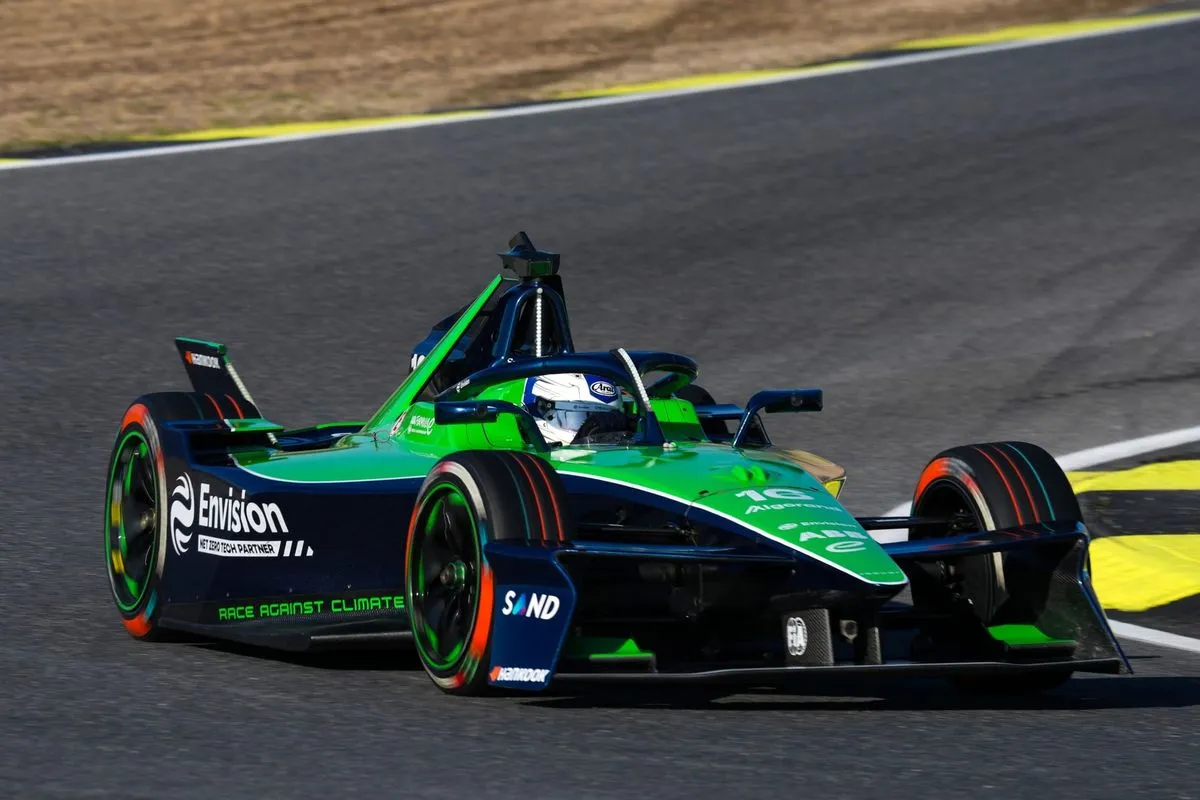
Zak O'Sullivan akan menjadi pembalap termuda Formula E musim depan setelah bergabung dengan Envision sebagai rekan setim Maximilian Guenther, menggantikan Sebastien Buemi yang pensiun.
Nissan resmi mengontrak Zane Maloney untuk kursi Formula E 2025, mengalahkan Victor Martins. Pengalaman jadi faktor kunci.
 Continue with Google
Discussion (0)
Join the Discussion!
Sign in easily to start commenting, replying, and interacting with other readers.
Latest Comments
No comments yet. Be the first!