






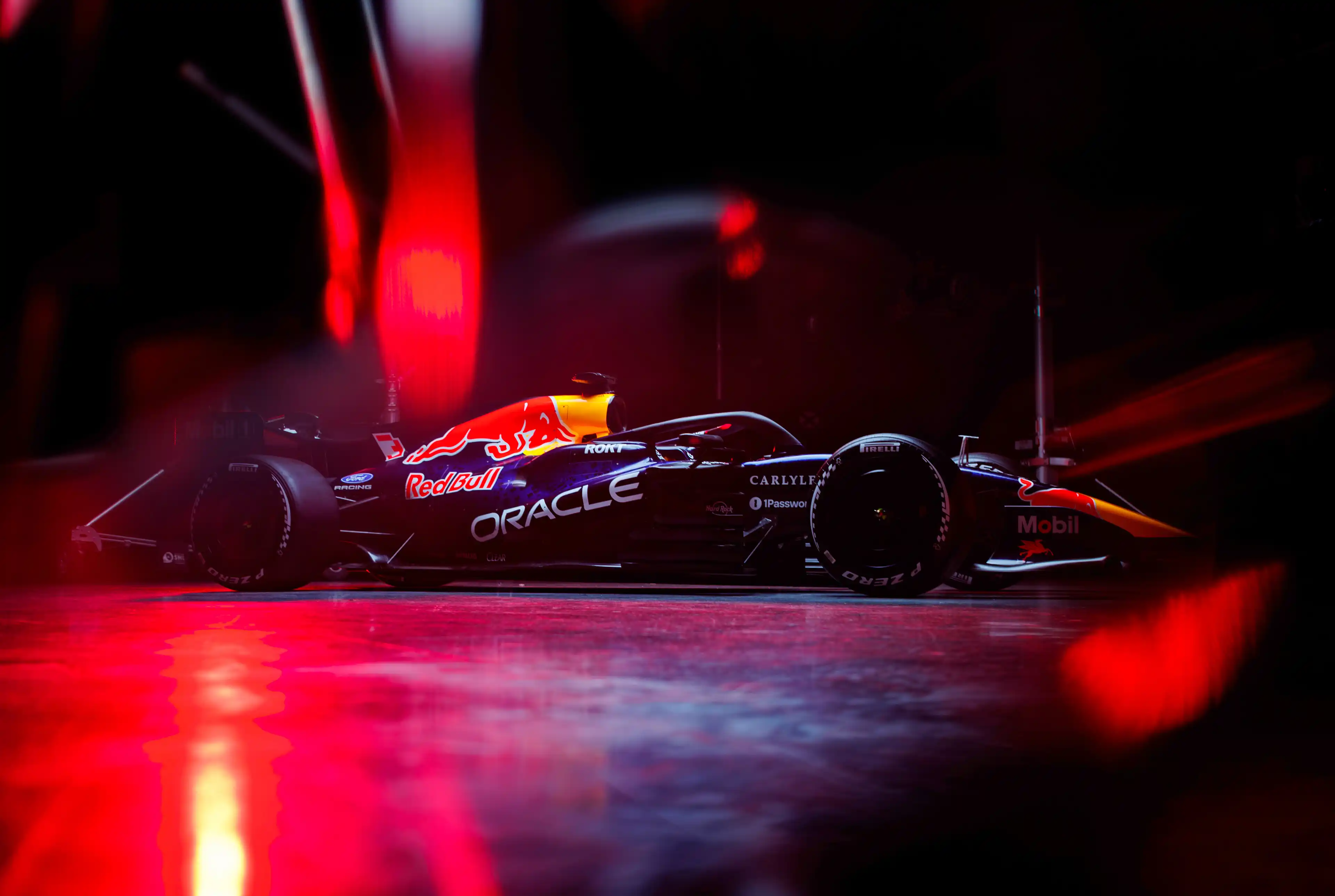

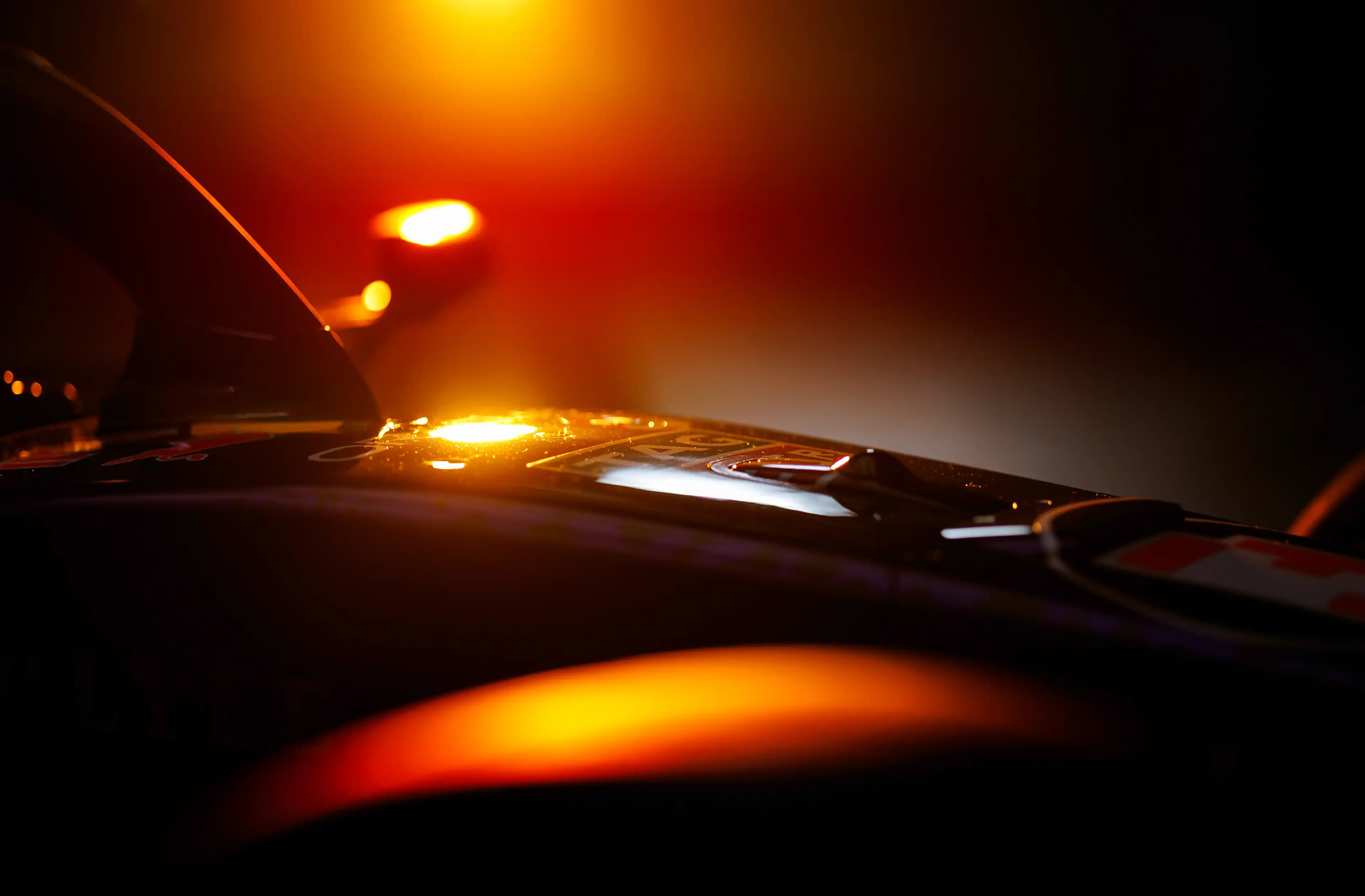
Formula 1, Sportrik Media - Red Bull Racing has caught the paddock’s attention by revealing the first real images of its 2026 Formula 1 challenger, the RB22, showcasing a notably aggressive design direction ahead of its on-track debut in Barcelona.
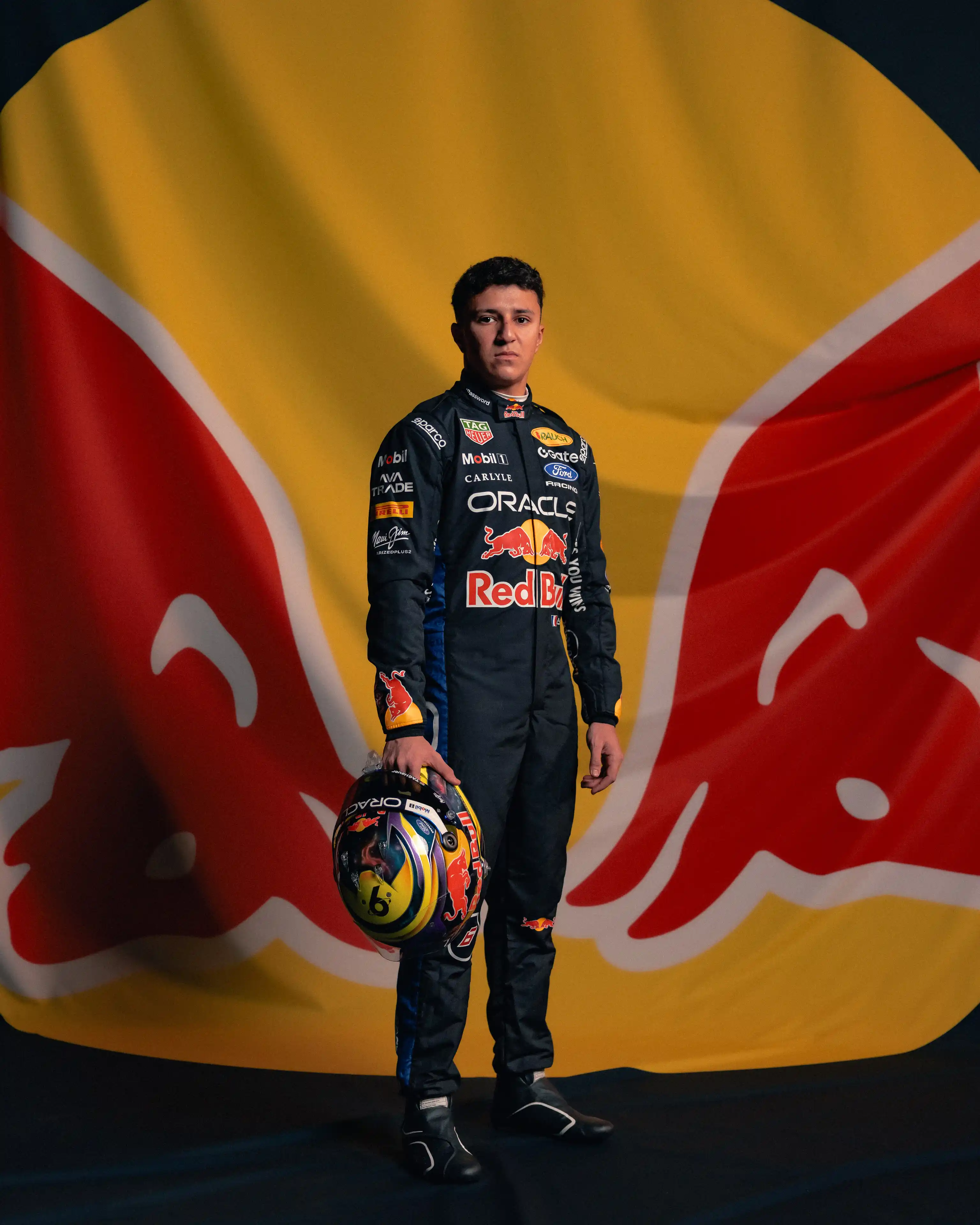
The RB22 completed its initial running at the Circuit de Barcelona-Catalunya with Isack Hadjar at the wheel, while Max Verstappen is scheduled to take over driving duties later in the week during pre-season testing.
Verstappen heads into the 2026 campaign aiming to re-establish himself as a title contender after narrowly missing out on a fifth consecutive world championship last season, losing out to Lando Norris.
Clear Evolution from Launch Renders
The first real-world images of the RB22 reveal clear differences compared to the initial renders shown at the car’s launch earlier this month. The most striking changes are concentrated around the sidepods and the side-impact protection structures adjacent to the cockpit.
In particular, the sidepod volumes—especially towards the rear—have been significantly reduced. This creates a pronounced “coke bottle” profile, a configuration designed to guide airflow more efficiently towards the rear of the car, improving aerodynamic efficiency under the 2026 regulations.
Multi-Layer Cooling Architecture
Achieving such an extreme sidepod undercut appears to rely on a highly complex internal aerodynamic layout. Red Bull has seemingly opted for a multi-layer arrangement of radiators and heat exchangers, allowing cooling elements to be packaged more tightly within the bodywork.
This is not an entirely new concept for Red Bull. A similar approach was previously explored on the RB20, albeit with mixed results depending on circuit characteristics and operating conditions. On the RB22, however, the concept appears more refined and aggressively executed.
Innovative Cockpit Protection Airflow
One of the most intriguing aspects of the RB22 is the airflow management integrated into the enlarged cockpit protection area. The structure features a distinctive shape resembling a “mini bazooka,” with a rear-facing outlet directing airflow into a region comparable to where Ferrari employs its by-pass duct solution.
This design suggests Red Bull is seeking to control airflow around the central and rear sections of the car without resorting to bulkier sidepod solutions, maintaining aerodynamic efficiency while meeting cooling demands.
Compact Airbox Despite Higher Demands
Despite the increased airflow requirements associated with the 2026 power unit regulations, the RB22’s airbox remains relatively compact. While it is larger than Red Bull’s 2025 design, it is still visibly smaller than that of its sister team, Racing Bulls.
This indicates that Red Bull has successfully leveraged additional forward-facing openings to balance cooling efficiency with aerodynamic cleanliness, keeping the upper bodywork tightly packaged.
Development Outlook
Based on the initial images from Barcelona, it is likely that Red Bull—alongside other teams—will introduce further components during the remainder of the pre-season test and the subsequent Bahrain sessions. However, the RB22 already displays a highly developed and cohesive aerodynamic concept.
The car’s defining characteristics appear firmly established from the outset, suggesting that future updates will focus on refinement rather than major conceptual shifts. Red Bull’s aggressive design philosophy underlines its intent to set the benchmark early in the new regulatory era, with the RB22 emerging as one of the most visually and technically ambitious cars on the 2026 grid.
Read Also

Stefano Domenicali ceritakan lelucon Jimmy Fallon di makan malam GP Miami: pizza dikirim ke restoran Michelin, lengkap dengan catatan lucu.

Formula 1 hampir menyentuh 1 miliar fans global. Stefano Domenicali soroti pertumbuhan audiens wanita dan strategi ekspansi di AS.
Alpine mengungkap peran tersembunyi Daniil Kvyat sebagai driver simulator yang membantu kebangkitan tim di F1 2026, termasuk turnaround di Jepang dan Kanada.
 Continue with Google
Discussion (0)
Join the Discussion!
Sign in easily to start commenting, replying, and interacting with other readers.
Latest Comments
No comments yet. Be the first!