






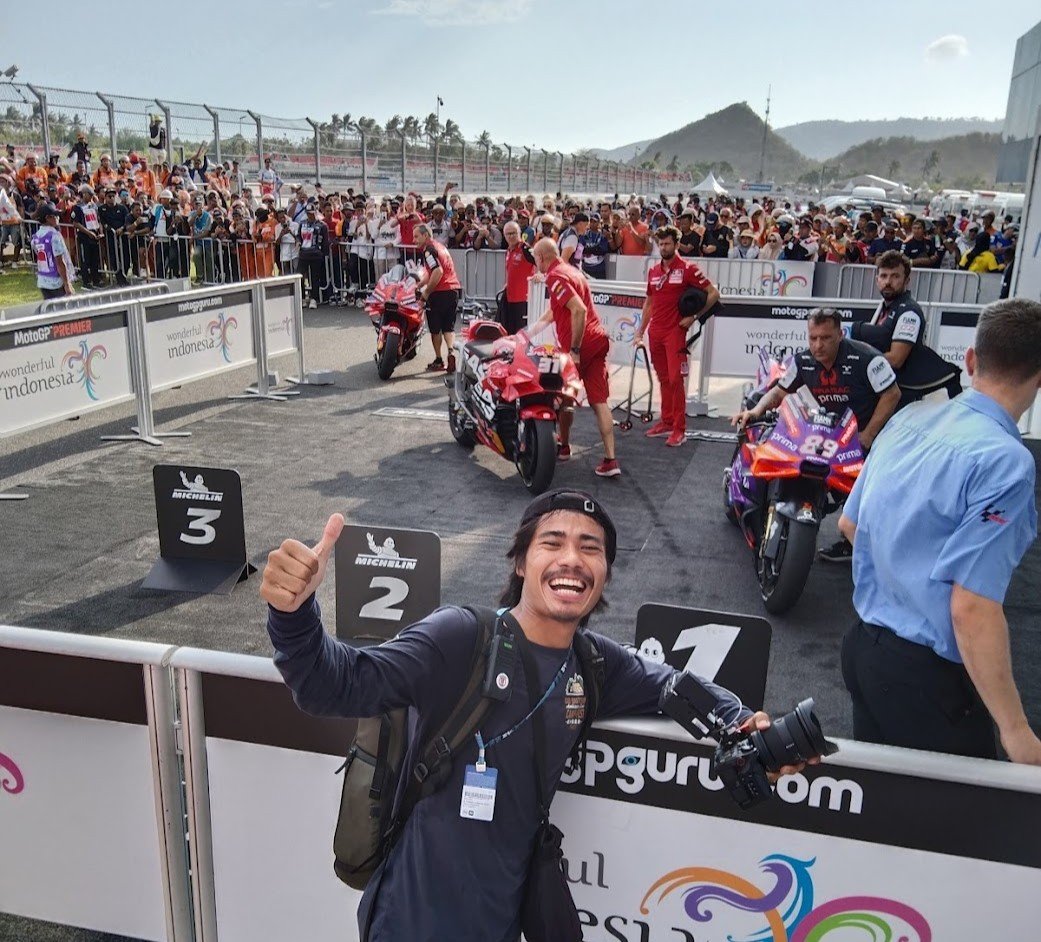


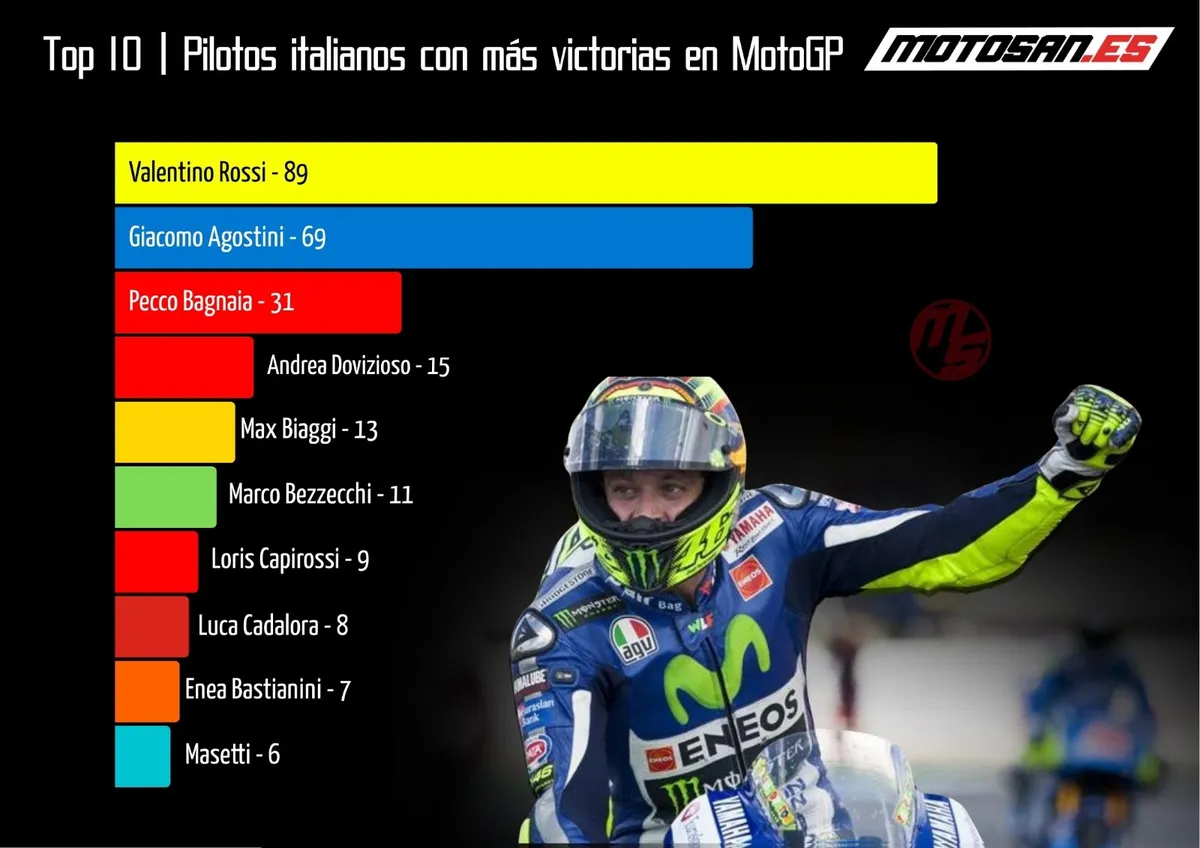
The new 850cc MotoGP bikes set to debut in 2027 are expected to be up to 2.5 seconds slower per lap compared to the current generation, according to Loris Capirossi, the former MotoGP race winner who now serves as a safety advisor for Dorna Sports.
The 2027 season will mark the most significant regulation overhaul in MotoGP in more than a decade. The championship will switch from the 1000cc engines introduced in 2012 to smaller 850cc units, while also banning ride-height devices and significantly reducing aerodynamic appendages. In addition, MotoGP will enter a new tyre era with Pirelli replacing Michelin as the series’ sole tyre supplier.
The objective behind these changes is to improve rider safety and enhance racing quality by lowering corner speeds and reducing the aerodynamic turbulence that has increasingly limited close battles. The current generation of MotoGP machinery is the fastest in the category’s history, with lap records broken at nearly every circuit during the 2025 season.
Capirossi believes the initial performance drop is both expected and necessary, drawing comparisons with previous regulation resets.
“These bikes will be up to 2.5 seconds slower,” Capirossi said on the Mig Babol podcast.
“It will be like in 2007, when the 800cc bikes replaced the 990cc machines. At the beginning, it’s normal that they are slower.”
According to Capirossi, early simulation data from manufacturers already outlines the scale of the reduction.
“The data collected by engineers during initial simulations shows that the 2027 bikes will be between 1.5 and 2.5 seconds slower than the current ones,” he explained.
“The main reasons are the lack of spoilers and wings, combined with the 850cc engines.”
Despite the projected slowdown, Capirossi expects performance to recover over time as development progresses under stable rules.
“In my opinion, history will repeat itself,” he added.
“At the beginning everything will be slower because the regulations are designed for that. But with further development stages, the bikes will become faster again.”
Several manufacturers have already begun preparations for the new era. KTM and Honda have confirmed they tested early 850cc engine prototypes during the winter, with other manufacturers expected to follow in the coming months before the first true 2027-spec MotoGP bikes hit the track.
With reduced engine capacity, scaled-back aerodynamics, and a completely new tyre philosophy, MotoGP’s 2027 reset is set to redefine technical priorities across the grid. While lap times may initially fall, the long-term goal remains a safer, more competitive championship with closer racing and a stronger emphasis on rider skill.
What do you think, Sportikers?
Will the MotoGP 2027 regulations truly improve racing quality, even if the bikes are slower? Share your opinion in the comments below!
Read Also
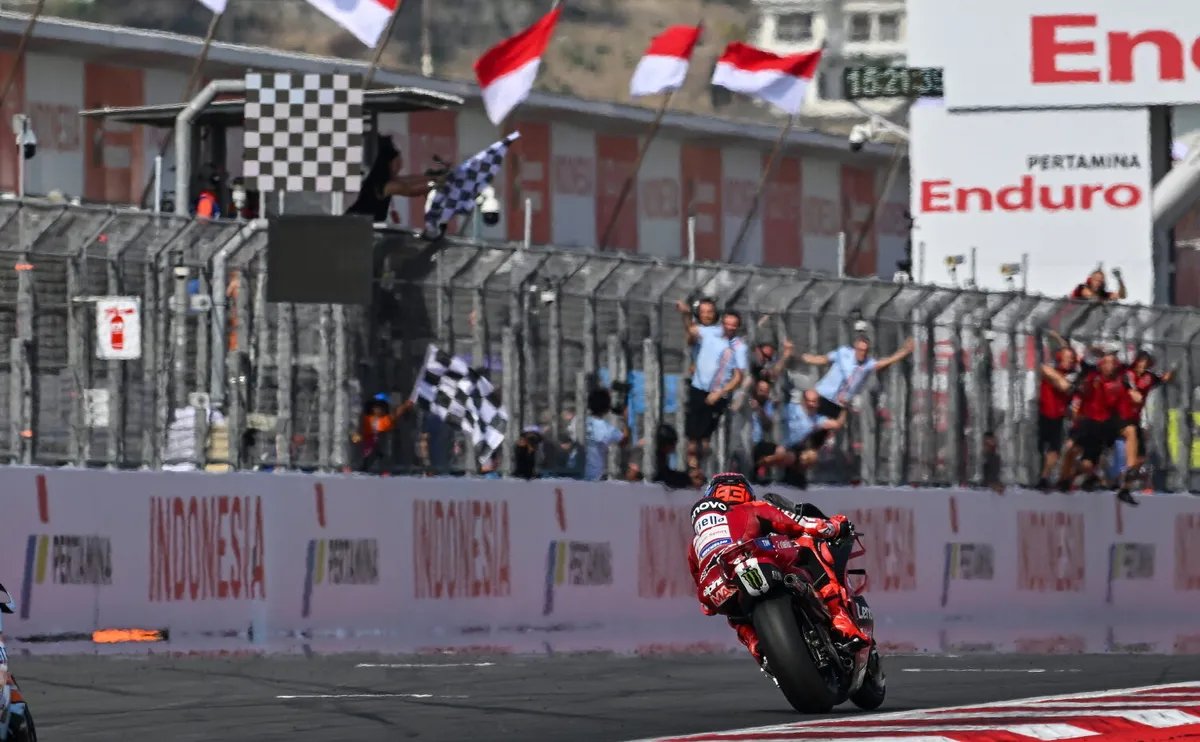
Marco Melandri sebut Aprilia sia-siakan peluang emas di Mandalika. Simak analisis lengkap, update poin, dan jadwal akhir pekan ini di Sportrik.
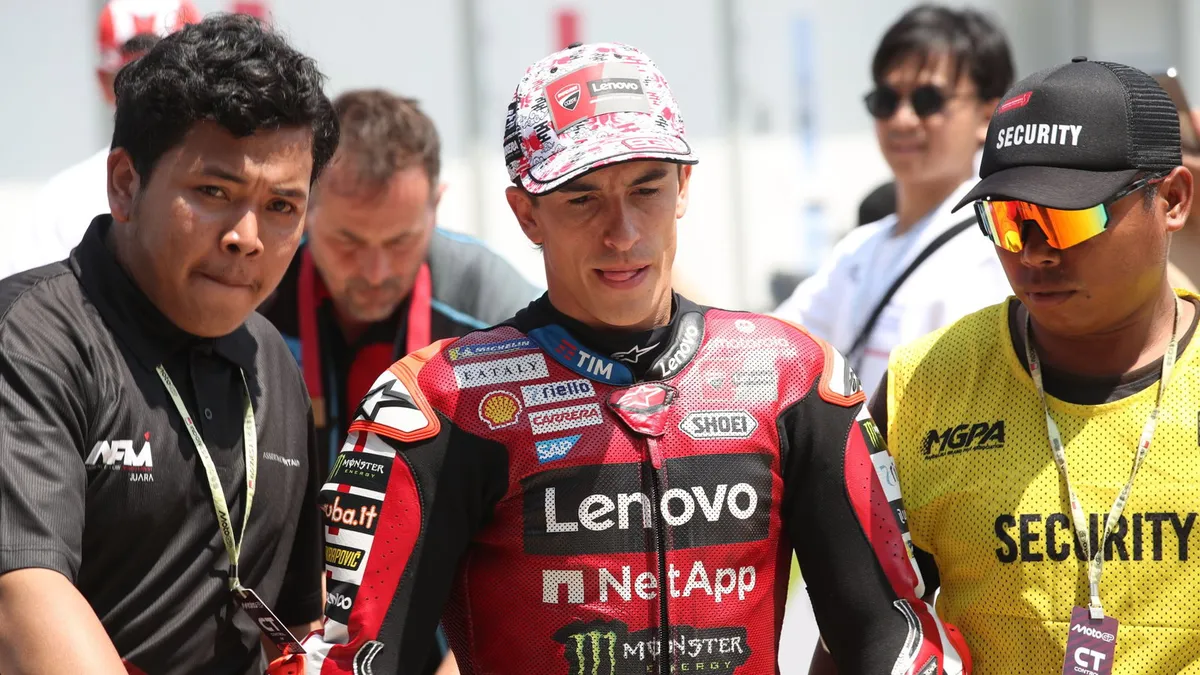
Davide Tardozzi membantah isu Ducati 2026 dibuat khusus untuk Marc Marquez. Baca analisis mendalam dan penjelasan teknis selengkapnya di sini.

Simak pengakuan Alex Rins soal ancaman pembunuhan di Mandalika dan keluhan performa Yamaha. Baca analisis mendalam di sini!
 Continue with Google
Discussion (0)
Join the Discussion!
Sign in easily to start commenting, replying, and interacting with other readers.
Latest Comments
No comments yet. Be the first!