







Formula 1, Sportrik Media - Formula 1 power unit manufacturers have reached the critical March 1, 2026 deadline to submit their full technical dossiers to the FIA as part of the homologation process for the new season. The submission marks a decisive regulatory checkpoint before competitive running begins.
Under the technical regulations, each Power Unit Manufacturer (PUM) must provide detailed specifications covering the internal combustion engine, control electronics, exhaust system, turbocharger, energy store, and MGU-K. The FIA will examine each dossier and, if satisfied with compliance, grant formal approval within 14 days.
The homologated specification must remain identical across all customer teams supplied by the same manufacturer. In addition, fuel and lubricant specifications are required to be submitted for regulatory verification to ensure conformity with the sporting and technical framework.
A central technical debate throughout the winter concerned the 16:1 compression ratio limit. It emerged that Mercedes HPP had developed a concept that, in theory, allowed operation beyond the prescribed ratio under race conditions by exploiting wording that specified measurement only at ambient temperature.
This interpretation prompted coordinated action from rival manufacturers including Audi, Ferrari, Honda, and Red Bull Powertrains, who sought clarification through Formula 1’s Power Unit Advisory Committee. A recent electronic vote confirmed regulatory adjustments ahead of the homologation deadline.
Initially, revised testing procedures were scheduled for introduction in August 2026. However, updated technical regulations published one day before the homologation cut-off now state that compression ratio measurements will remain at ambient temperature until May 31, 2026.
From June 1 to December 31, 2026, measurements will be conducted at both ambient temperature and 130 degrees Celsius. From January 1, 2027 onward, the compression ratio will be measured exclusively under hot operating conditions.
This phased implementation grants manufacturers until after the Canadian Grand Prix to comply with the first stage of the revised framework, before the full dual-temperature measurement system comes into force ahead of the Monaco Grand Prix in early June. The transition is expected to play a significant role in shaping in-season power unit development strategies throughout 2026.
Read Also

Christian Horner kritik hilangnya identitas pemberontak Red Bull Racing di bawah manajemen baru. Baca analisis mendalam perpindahan kekuasaan F1 di sini!

FIA pastikan mesin V8 kembali ke F1 pada 2030 lebih cepat dari jadwal. Simak analisis lengkap, detail regulasi, dan kutipan resmi di sini!
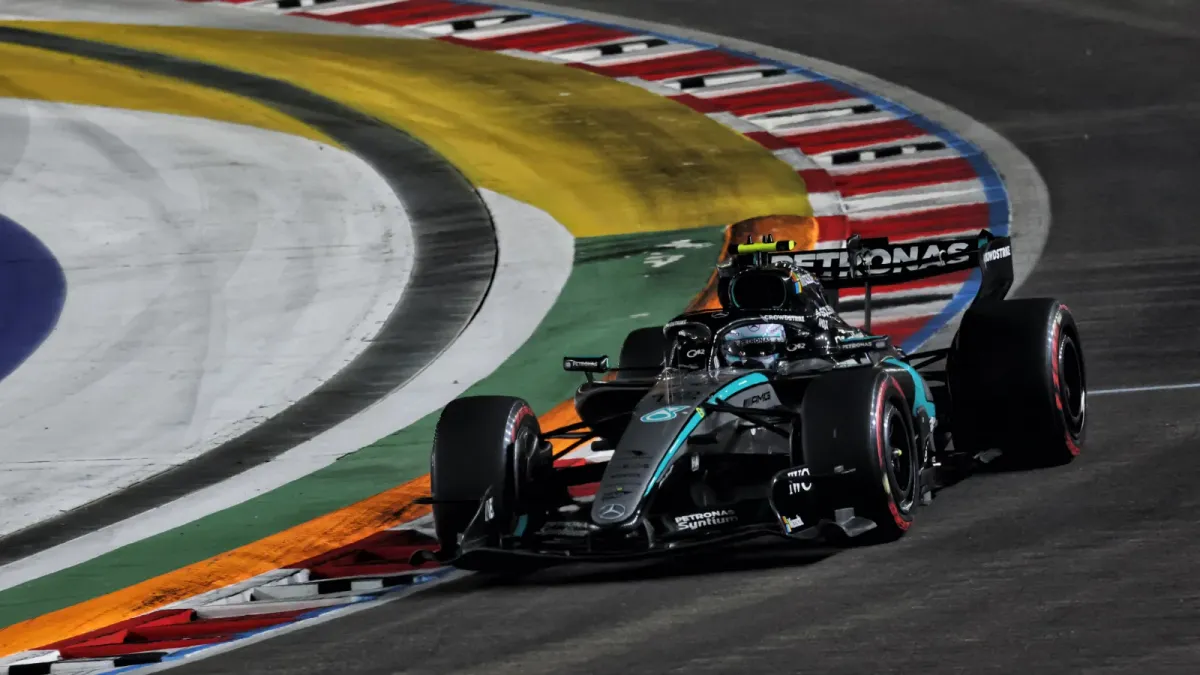
Simak analisis lengkap bagaimana Mercedes menyelamatkan Kimi Antonelli dari penalti di F1 GP Singapura 2026. Baca selengkapnya di sini!
 Continue with Google
Discussion (0)
Join the Discussion!
Sign in easily to start commenting, replying, and interacting with other readers.
Latest Comments
No comments yet. Be the first!