







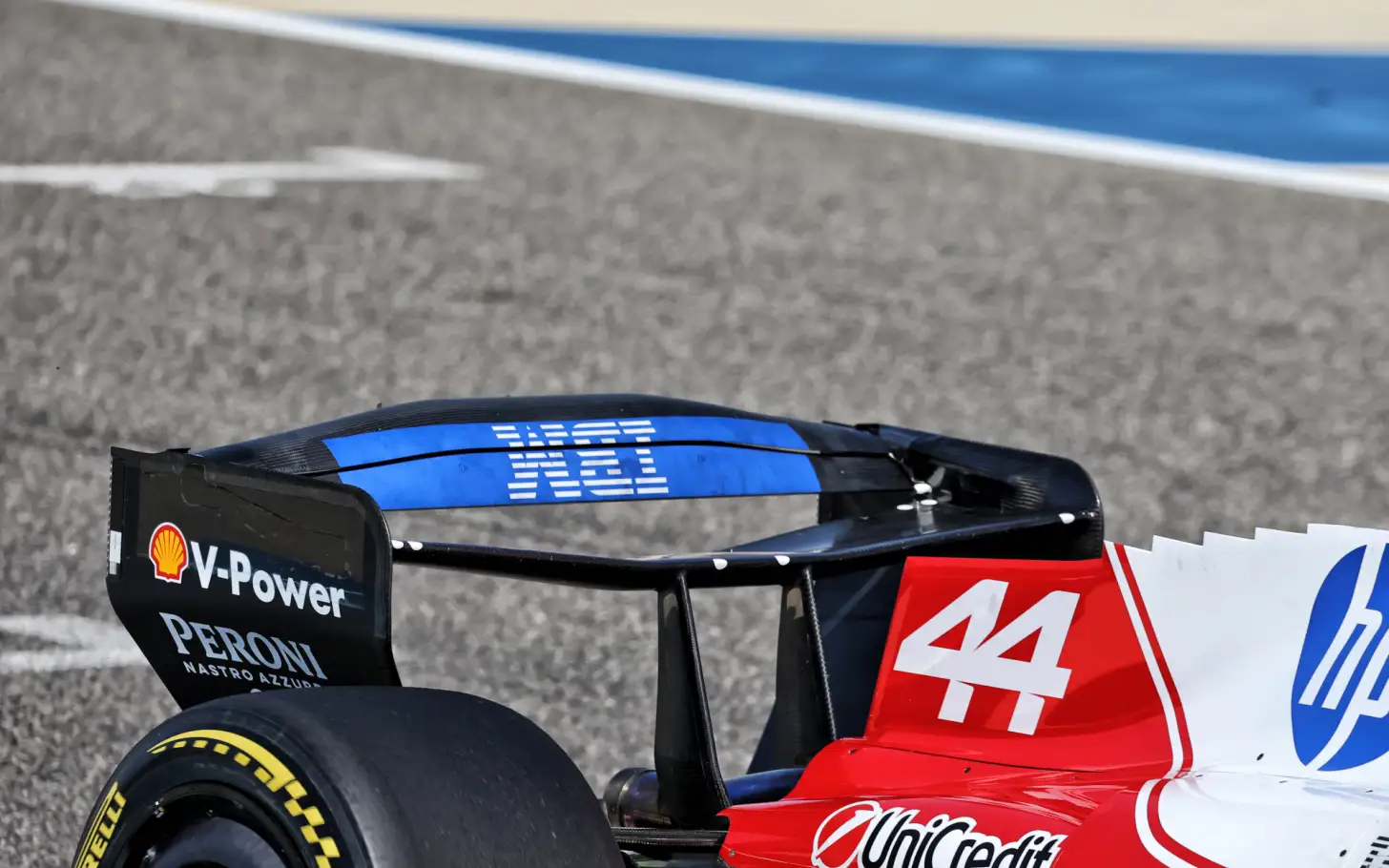

F1, Sportrik Media - The FIA has issued its initial verdict on the legality of Ferrari’s radical rear-wing concept, first observed during pre-season testing in Bahrain. The innovative design was briefly deployed by Lewis Hamilton before technical issues curtailed his running.
During a short five-lap stint, Hamilton utilised a unique active aero configuration in which the rear-wing slot gap rotated through approximately 270 degrees when opened. Unlike the conventional DRS-style mechanism seen the previous day, this variant altered airflow characteristics more aggressively, effectively generating a lift profile comparable to an aircraft wing. The objective was to further reduce drag and enhance top-speed potential under the 2026 aerodynamic framework.
Ferrari reverted to a more traditional DRS-style configuration later in the session, but team principal Fred Vasseur did not dismiss the possibility of racing the more extreme solution should performance data justify its use in grands prix.

Responding to questions regarding the design, FIA Single-Seater Technical Director Nikolas Tombazis clarified that the governing body has intentionally allowed greater flexibility in drag-reduction systems under the current regulations.
“We have, generally speaking, encouraged solutions that reduce drag,” Tombazis explained.
“That’s why the DRS regulations of last year, which limited the amount of slot gap opening, have not been maintained this year. It is to give more freedom, and the Ferrari solution, we believe, is okay.”
The comments confirm that Ferrari’s interpretation falls within the boundaries of the 2026 technical regulations. With increased emphasis on energy efficiency and deployment management under the revised hybrid power unit rules, aerodynamic drag reduction plays a central strategic role, particularly on high-speed circuits.
From a competitive standpoint, the concept could provide a measurable advantage on tracks where straight-line efficiency and energy preservation are decisive. However, its effectiveness will depend on maintaining aerodynamic stability under braking and corner entry, where sudden load transitions can affect balance.
The FIA’s early approval provides Ferrari with regulatory certainty to continue developing the concept. Whether the radical rear wing becomes a consistent race-day feature will ultimately depend on correlation data, reliability integration, and its net performance gain across varying circuit profiles during the 2026 season.
Read Also
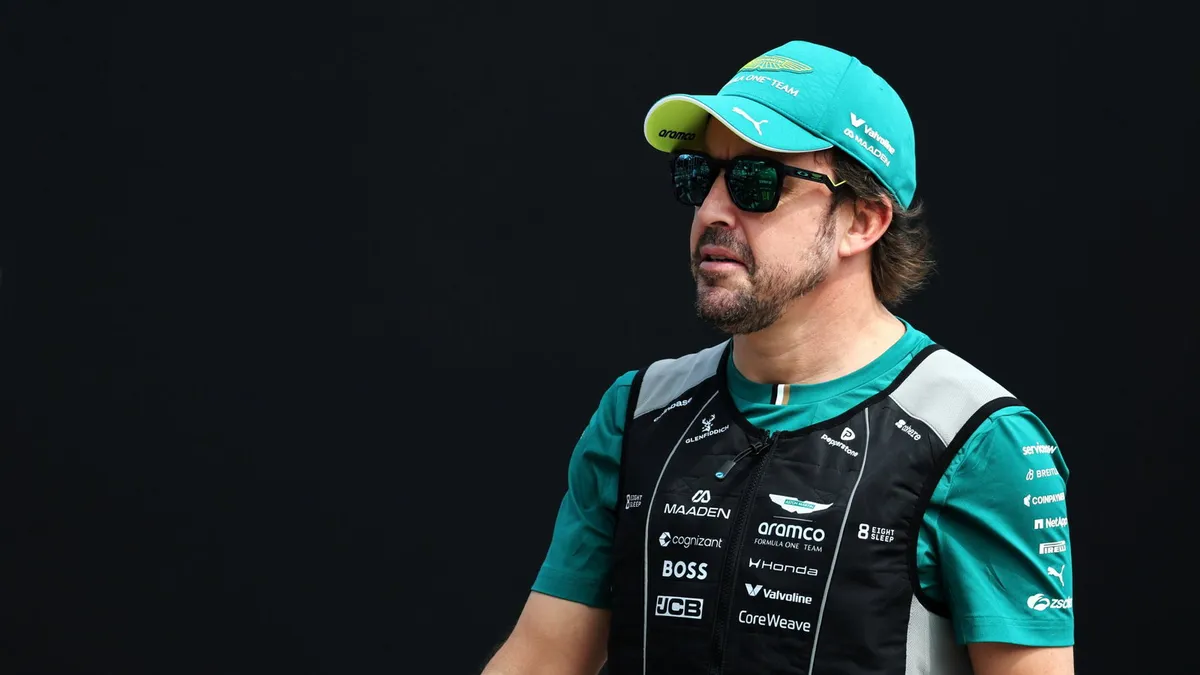
Fernando Alonso bersiap kembali ke Reli Dakar pada Januari 2027 setelah memperpanjang kontrak Formula 1 bersama Aston Martin.
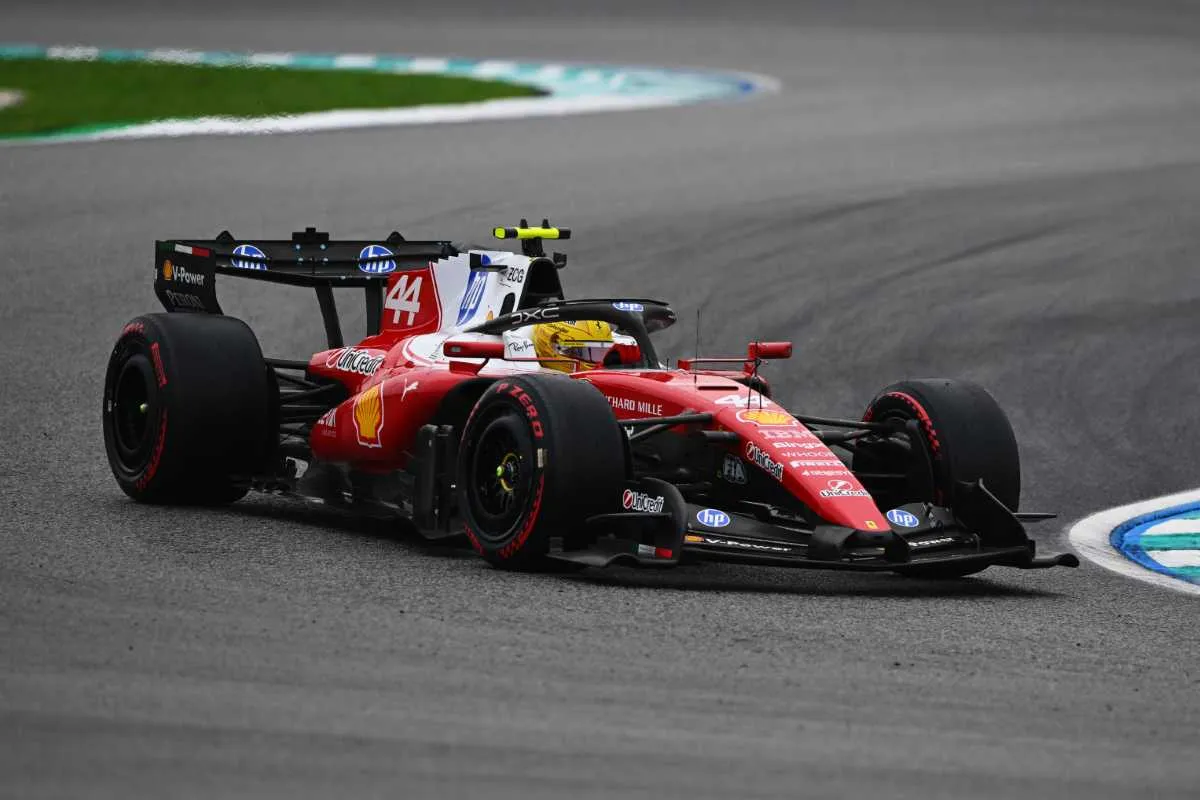
Terungkap alasan Ferrari nekat pasang ban slick di Sepang untuk Hamilton dan Leclerc setelah memantau rekaman onboard Safety Car sebelum start.

Game resmi F1 25 kini bisa didapatkan secara gratis oleh para pelanggan PlayStation Plus di PS5 hingga 2 November mendatang.
 Continue with Google
Discussion (0)
Join the Discussion!
Sign in easily to start commenting, replying, and interacting with other readers.
Latest Comments
No comments yet. Be the first!