







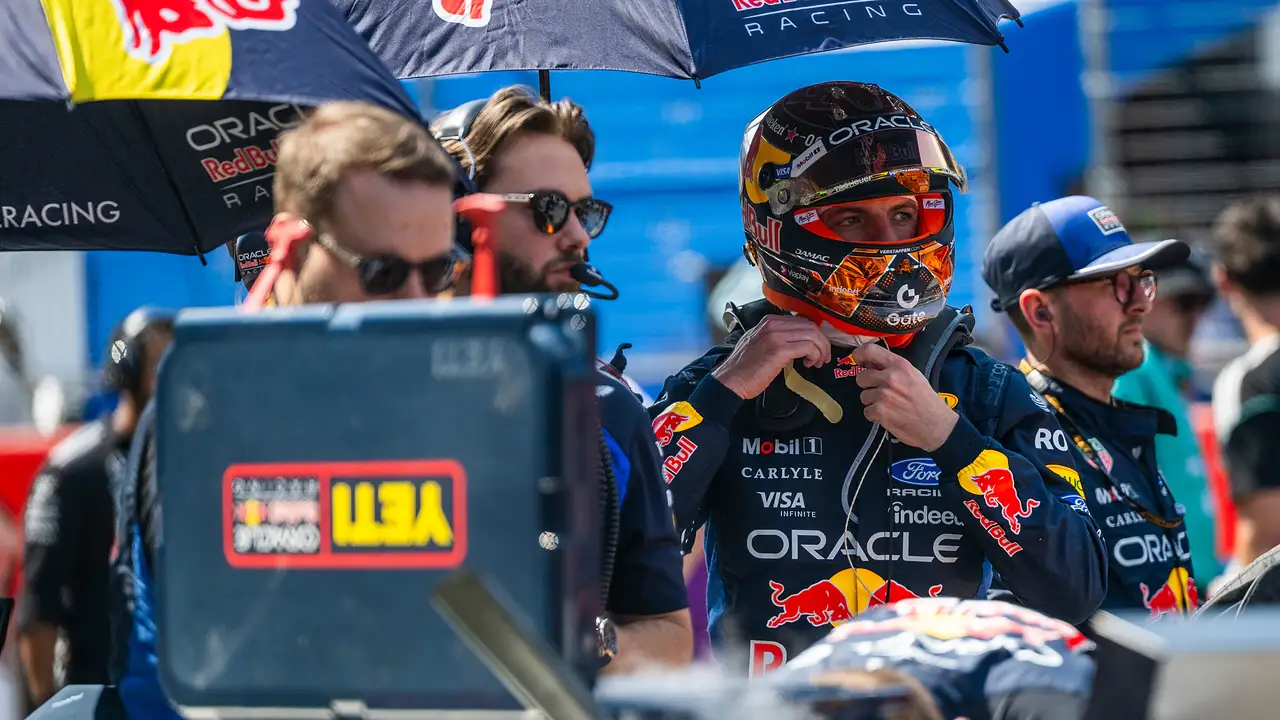

Max Verstappen has defended George Russell following the controversial pole position secured during qualifying for the 2026 Austrian Grand Prix. The Red Bull driver believes Russell simply maximised the regulations when passing the scene of his accident.
The debate arose because Verstappen’s crash on his final Q3 lap produced only a single waved yellow flag at the Red Bull Ring. Under that procedure, drivers must reduce speed but can still complete the lap and retain the resulting time.
Russell lifted through the affected section but still improved his lap and secured pole position. Verstappen has no objection to the actions of the Mercedes driver because he complied with every requirement imposed by race control.
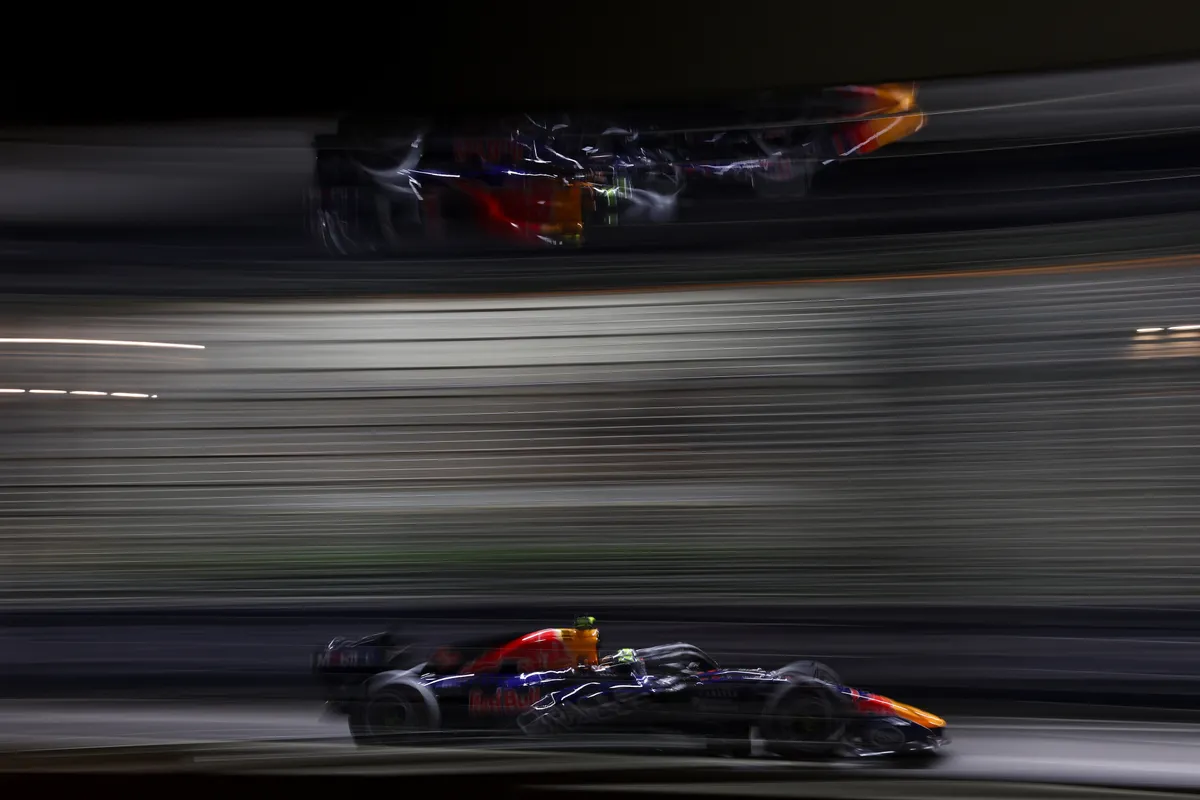
“The driver then optimises around it, and I think that’s fair play. I probably would have tried to do the same,” Verstappen told media ahead of the British Grand Prix.
Verstappen’s criticism is instead directed at the type of flag used. He believes the condition of the crashed car should have resulted in at least double waved yellow flags or a complete suspension of the session with a red flag.
“It should not even be allowed, or be possible, to finish your lap like that. I think that’s my main concern in all of it,” he said.
Double yellow flags would require drivers to slow significantly and, under the interpretation discussed following the incident, prevent the lap from being retained. A red flag would stop the session completely and ensure that no other car passed the accident at competitive speed.
Carlos Sainz previously proposed a three-place grid penalty for any driver who deliberately causes a yellow or red flag during qualifying. The idea is intended to remove the potential benefit gained by a driver who has already set the fastest time before preventing rivals from completing their attempts.
Verstappen believes any incident proven to be deliberate should carry a more severe punishment. For unintentional incidents, however, he suggested a different system under which a driver causing double yellow or red flags would lose their fastest lap.
“When someone does it deliberately, it should be an even bigger penalty. From my side, what happened there was out of my control,” Verstappen explained.
The proposal still leaves the FIA with the challenge of distinguishing between driver error, deliberate action and technical failure. An automatic penalty could improve qualifying fairness but might also punish drivers who had no control over the cause of an incident.
Verstappen therefore separates the debate into two issues: Russell deserved to keep pole because he followed the regulations, but race control should have applied a stronger safety response. The Silverstone discussion could now prompt a review of both flag procedures and the consequences for drivers who interrupt qualifying sessions.
Read Also
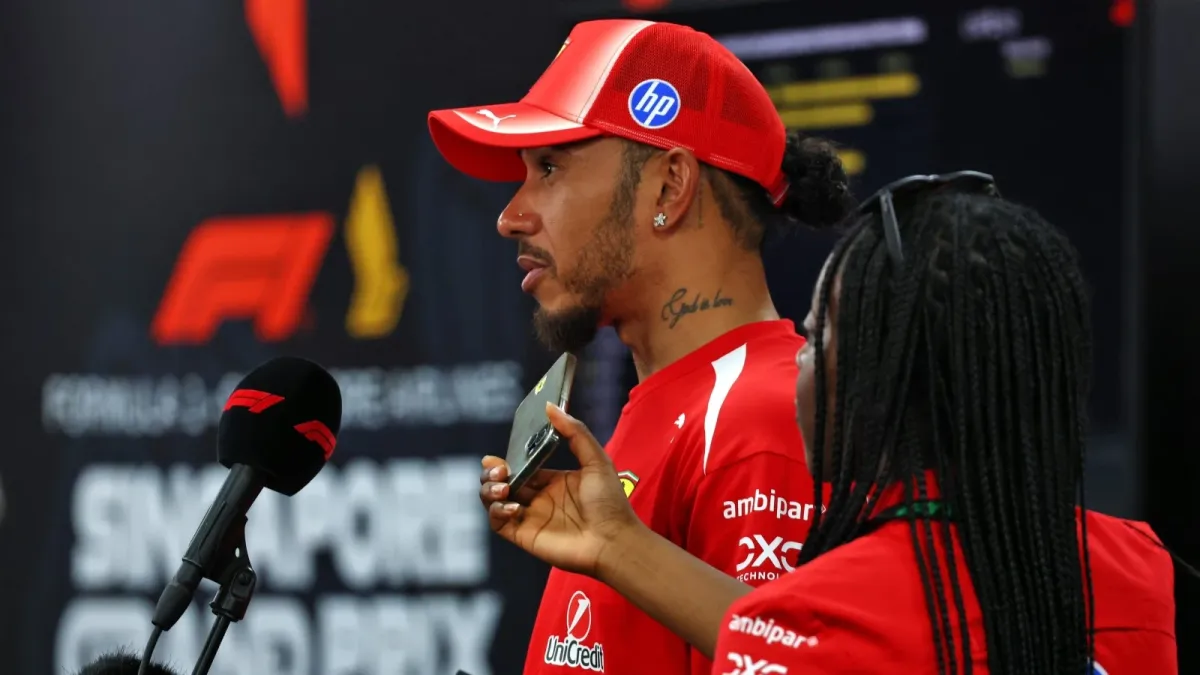
Lewis Hamilton akui blunder strategi di kualifikasi Sprint GP Singapura setelah gagal menjinakkan ban lunak dan harus puas start dari posisi keenam.
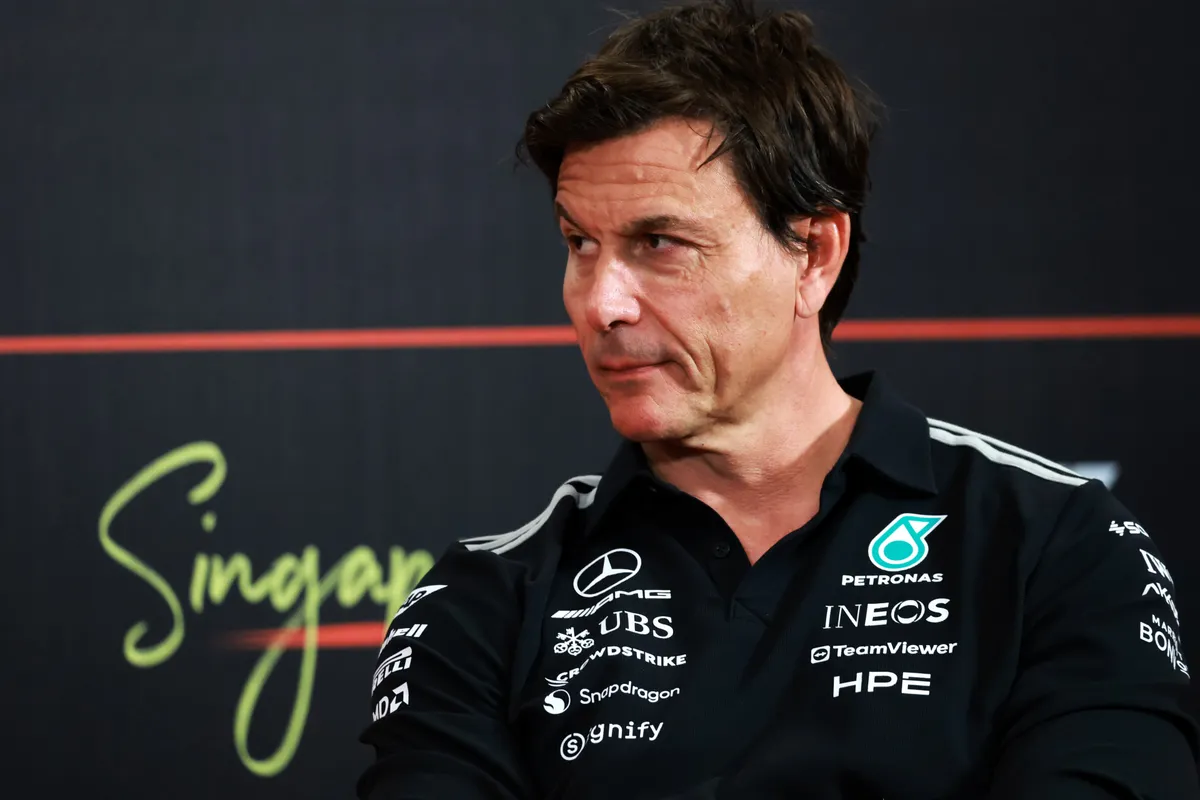
Toto Wolff sebut kritikus favoritisme Mercedes bodoh dan sarankan tonton Teletubbies di tengah isu perlakuan beda pada George Russell.
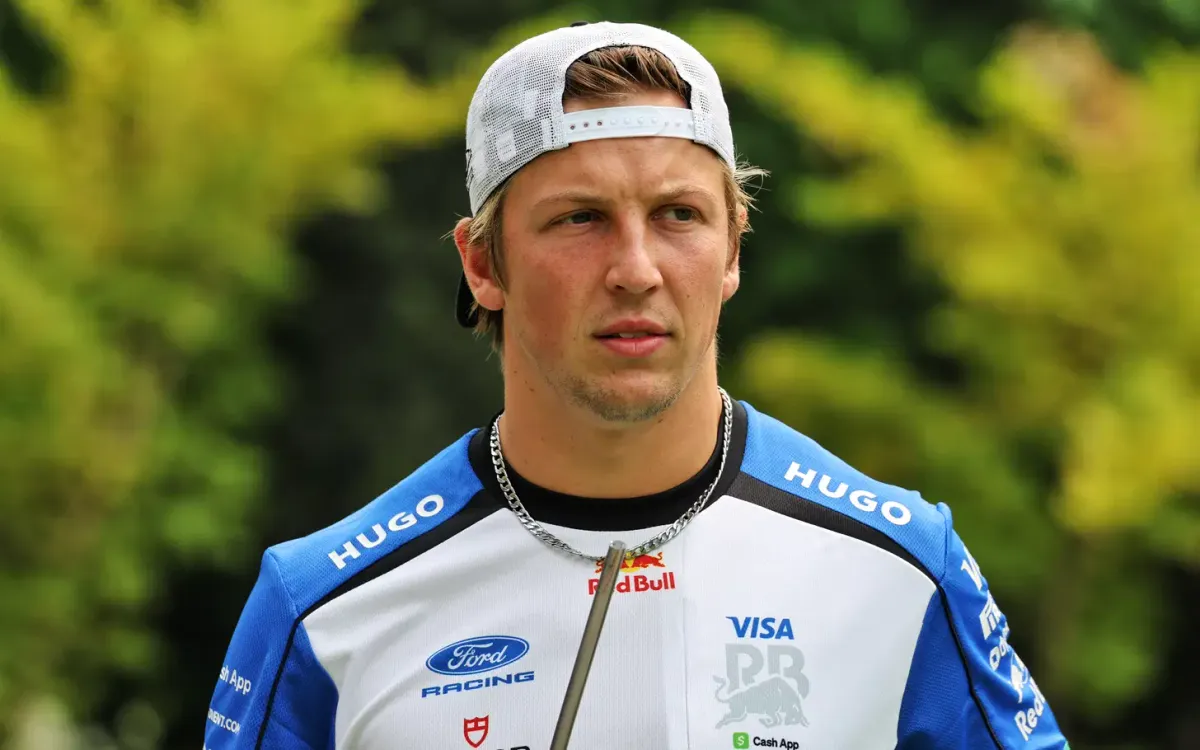
Racing Bulls segera tentukan susunan pembalap F1 2027 dalam beberapa minggu ke depan di tengah persaingan ketat tiga kandidat.
 Continue with Google
Discussion (0)
Join the Discussion!
Sign in easily to start commenting, replying, and interacting with other readers.
Latest Comments
No comments yet. Be the first!