









Seven-time Formula 1 World Champion Lewis Hamilton has openly voiced his confidence that his new team possesses a potent, pure mechanical package capable of conquering the narrow streets of Monte Carlo at the upcoming Monaco Grand Prix. As reported by RacingNews365, the British driver enters the sixth round of the world championship campaign riding a wave of high momentum, after securing his best result yet for Ferrari with a stellar second-place finish in Montreal. The unique layout of the Circuit de Monaco, which heavily minimizes dependency on outright engine power, is viewed as a crucial technical advantage for the SF-26 machinery.
Expectations surrounding the Prancing Horse have surged, as the SF-26 chassis is widely recognized by rivals as one of the finest, if not the absolute premier, structural platforms on the grid this season. The innovative integration of a downsized turbocharger package paired with a cutting-edge exhaust-blown winglet system delivers exceptional mechanical traction when accelerating out of slow-speed corner apexes. This specific technical layout has prompted rival driver Kimi Antonelli to label the Maranello-based squad the absolute team to beat this weekend. Furthermore, F1 analyst Jolyon Palmer has termed the upcoming round a golden chance for Ferrari to break their winless streak stretching back to the 2024 Mexico City Grand Prix.
Chassis Compliance and Maximizing Free Practice
"Monaco is the one track that power is not king," Hamilton asserted during his official media briefing. "I think that’s definitely car performance. I think our car could be really strong there. I’m really going to focus on making sure I arrive with the same energy as I had this weekend, really study hard with the engineers to make sure we position the car in the right place from Practice 1."
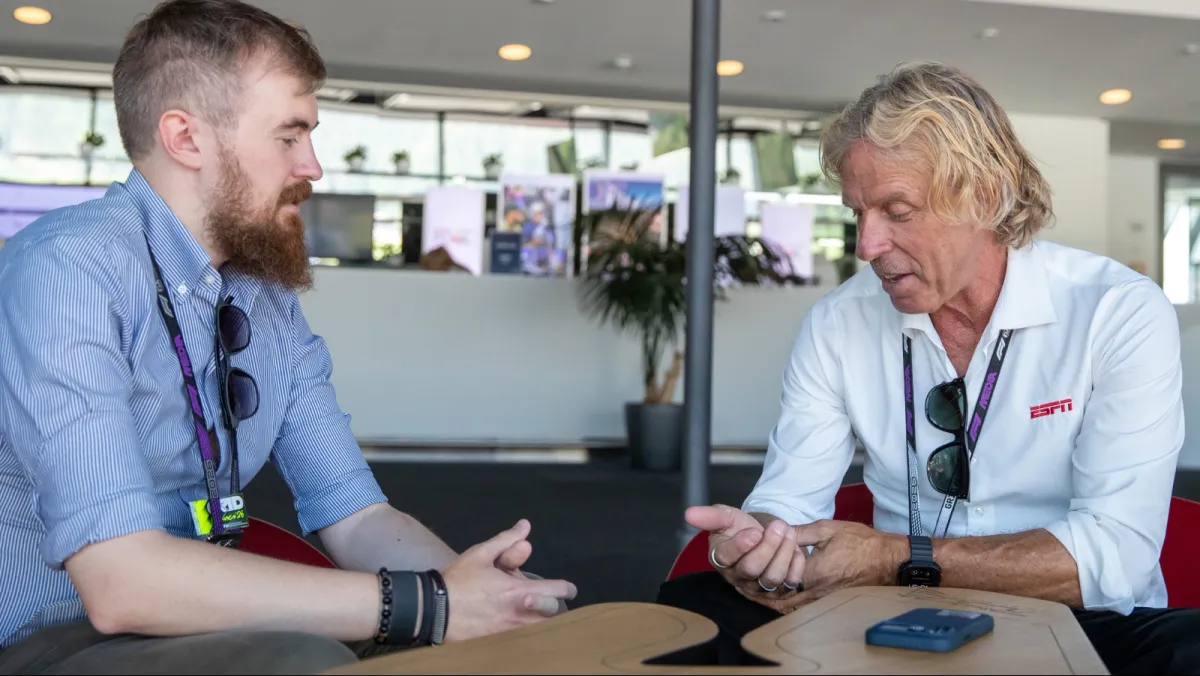
The high-profile pairing of Hamilton and teammate Charles Leclerc is expected to maximize the structural advantages of the SF-26, aiming to clinch the first non-Mercedes-powered victory of the current campaign. Monaco's brutal demands on damper compliance and suspension travel over the swimming pool chicane kerbs will heavily test the data correlation between Maranello's simulator and the live track tarmac. Fine-tuning low-speed torque mapping remains the vital engineering key for Hamilton to lock down a front-row starting position during Saturday's critical qualifying hour.
Power Unit Deficits and the ADUO Lifeline
Despite his optimism heading into the street race, the 41-year-old driver did not shy away from addressing a fundamental weakness inherent in Ferrari's power unit on conventional circuits featuring long straights. Hamilton has consistently urged the engine department in Maranello to extract a more aggressive thermal deployment profile to cut down their peak acceleration deficit. Telemetry logs from Montreal confirmed that while the SF-26 could match or exceed rival cornering speeds, it instantly bled car lengths along the straights due to electrical deployment limitations.
This persistent engineering hurdle is expected to be addressed via the sport's upcoming ADUO (Additional Development and Upgrade Opportunities) framework, a regulatory window allowing manufacturers to optimize the reliability and efficiency of hybrid internal components. "If you take away the power deficit, we’re in the fight with these guys," Hamilton observed regarding their standing in the constructors' championship battle. Pending the arrival of those mid-season engine updates, Monaco's slow-speed characteristics will serve as a natural shield, ready to be fully exploited by the veteran champion.
Read Also
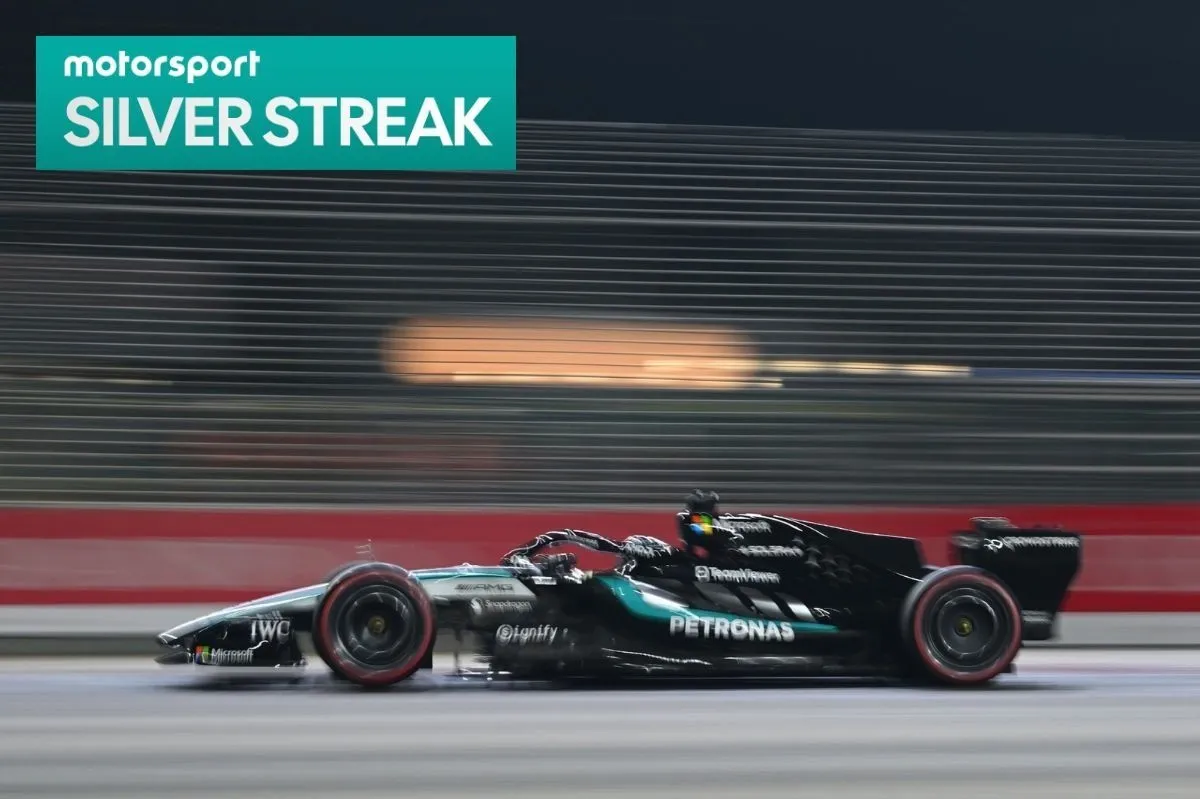
Karun Chandhok soroti upgrade Mercedes F1 yang mandek. Simak analisis mendalam performa W17 dan persaingan ketat klasemen musim 2026 di sini!
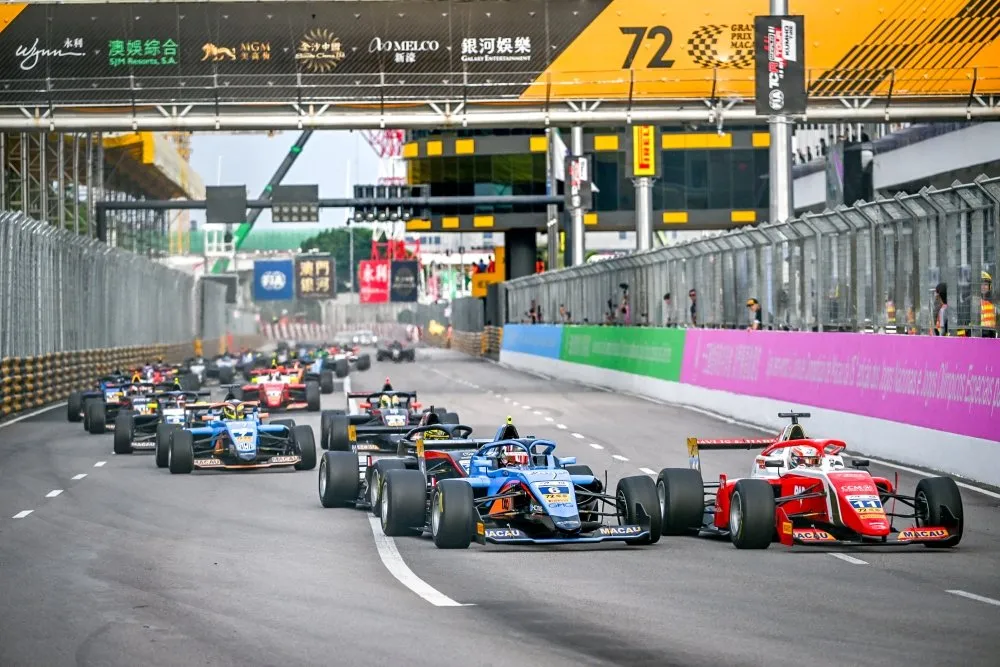
Simak daftar lengkap pembalap bintang di FIA Formula Regional World Cup Macau GP 2026. Baca analisis mendalam persiapan tim dan debut sasis baru di sini.

Simak analisis lengkap promosi Dino Beganovic sebagai pembalap cadangan Ferrari untuk F1 2027. Baca berita terbaru dan mendalam di sini.
 Continue with Google
Discussion (0)
Join the Discussion!
Sign in easily to start commenting, replying, and interacting with other readers.
Latest Comments
No comments yet. Be the first!