






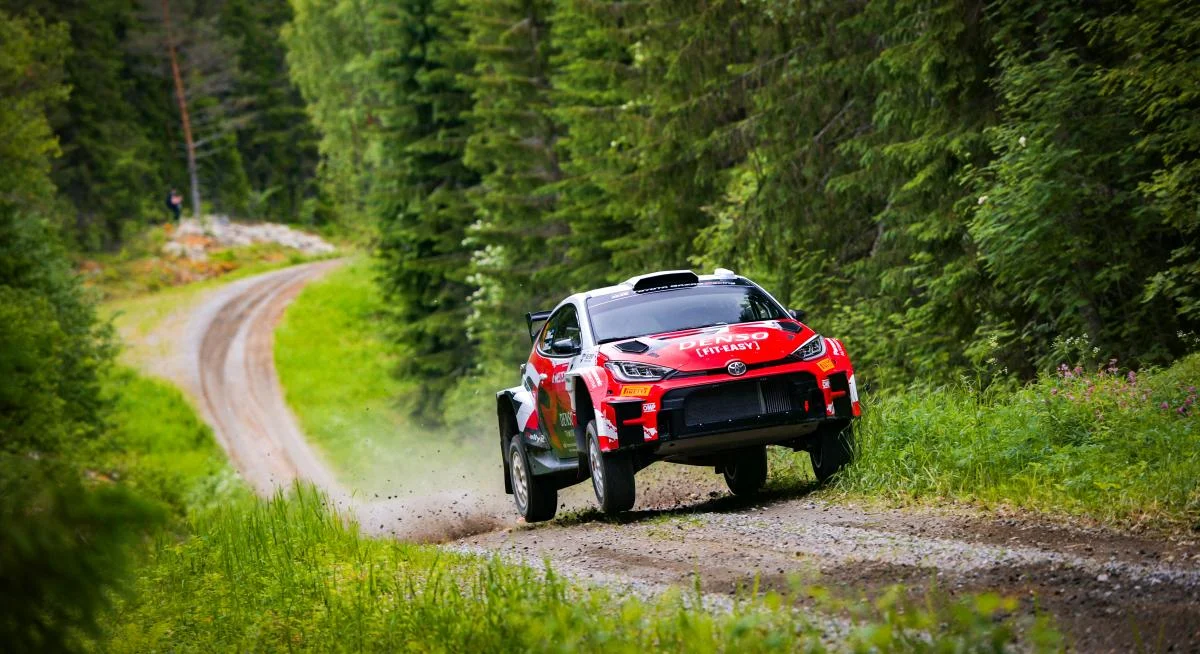

Jaspar Vaher strengthened his status as one of rallying’s most promising young drivers by defeating the vastly more experienced Esapekka Lappi in the Finnish Rally Championship round at Jyväskylä. The 19-year-old Estonian secured victory by only 1.6 seconds, a result that again placed attention on the speed of his development within Toyota’s driver programme.
Vaher faced substantial pressure because Lappi has extensive experience at the highest level and has previously won a World Rally Championship event. Recent ERC Sweden winner Mikko Heikkilä completed the podium. That field gave Vaher’s success greater significance than a conventional national rally victory, as he overcame two drivers with considerably more experience and knowledge of Finland’s high-speed roads.
Juho Hanninen, who works as a coach in the Toyota Gazoo Racing WRC Challenge Program, said Vaher’s underlying speed had already been evident during the selection process. However, the young driver’s ability to improve his performance, understand competitive situations and control pressure in such a limited period has exceeded the team’s initial expectations.
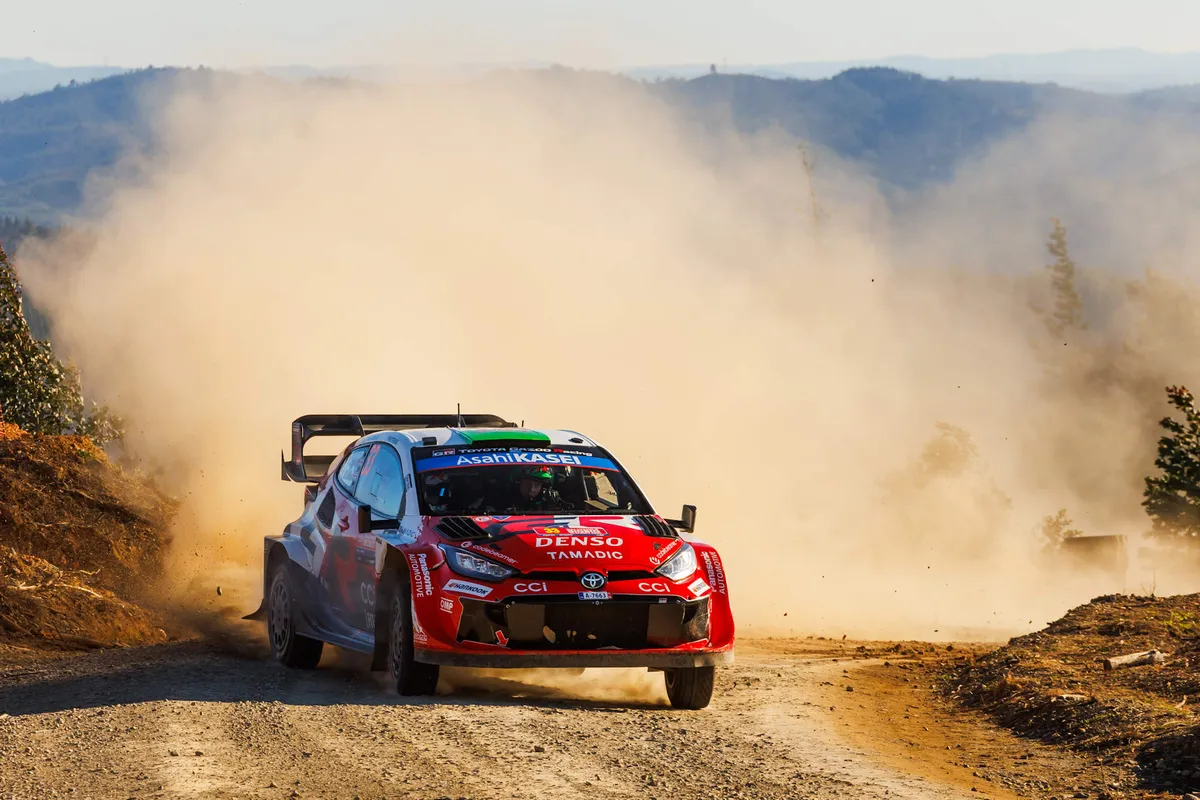
“Jaspar made a strong impression already during the selection process, and we knew he had plenty of potential,” Hanninen said.
“But even so, it has been quite a surprise to see how quickly he has reached this level.”
Vaher became the first non-Japanese driver selected for the Toyota Gazoo Racing WRC Challenge Program. His inclusion expanded an initiative that had previously focused on identifying and developing Japanese drivers for international rallying. In 2026, Vaher stepped up to Rally2 machinery with the Toyota GR Yaris Rally2 across a schedule containing national, European Championship and other international events.
His speed had already become clear before the Jyväskylä victory. At the Royal Rally of Scandinavia in Sweden, Vaher led the ERC event until the 12th special stage during one of his first appearances in a Rally2 car on fast gravel. His challenge for victory ended when he left the road and sustained significant damage to the vehicle.
Hanninen believes the Sweden retirement showed that Vaher had not yet become fully accustomed to managing the pressure of leading an event. His raw pace was sufficient to compete against experienced opposition, but learning when to attack and when to protect a margin remained an essential part of his development.
“In Sweden, the speed was already there, but he couldn’t quite handle that kind of pressure for the first time,” Hanninen explained.
The Jyväskylä event created an almost identical test. Vaher again had to defend a narrow lead while Lappi applied pressure until the finish. The difference was that the Estonian maintained his composure, avoided a major mistake and managed his pace through to the final control.
“Here, the situation was very similar, but this time he kept his composure,” Hanninen said.
That change is significant because rally performance is not determined by speed on a single special stage. A driver must maintain concentration across an entire event, understand changes in grip, manage tyre temperature and wear, and adjust risk according to the position of direct rivals. On Finland’s fast roads, a small error over a crest or during corner interpretation can immediately produce a major time loss or retirement.
Vaher must also continue strengthening his cooperation with co-driver Rait Jansen. Performance on Finnish roads depends heavily on precise pace notes because many corners are hidden beyond crests and must be approached with considerable commitment. Trusting the co-driver’s information is one of the factors allowing Vaher to maintain momentum without taking uncontrolled risks.
The Toyota GR Yaris Rally2 has provided an important platform for that adaptation. Compared with the two-wheel-drive cars used during the opening stage of his career, Rally2 machinery delivers greater power, traction, aerodynamic support and braking performance. Moving to four-wheel drive requires changes in corner-entry technique, handbrake use and power distribution on corner exit.
“That alone was a great indication of how much progress he has made in just a few weeks,” Hanninen said.
“There’s a lot of potential in that young man.”
Defeating Lappi does not automatically mean Vaher is ready for a Rally1 seat, but the result demonstrates the effectiveness of Toyota’s development process. He has already shown the speed required to lead an ERC rally and has now proved capable of completing a close contest against a WRC event winner without losing control under pressure.
The next objective is to reproduce that development across rallies with different characteristics. Toyota must continue providing Vaher with experience without creating excessive pressure for an immediate promotion to the highest category. Following the Sweden retirement and Jyväskylä victory, attention will turn to whether he can combine speed, consistency and risk management throughout the remainder of his 2026 Rally2 programme.
Read Also
FIA cancels Rally Saudi Arabia from 2026 WRC calendar, a major blow for Sami Pajari and Oliver Solberg battling Elfyn Evans.
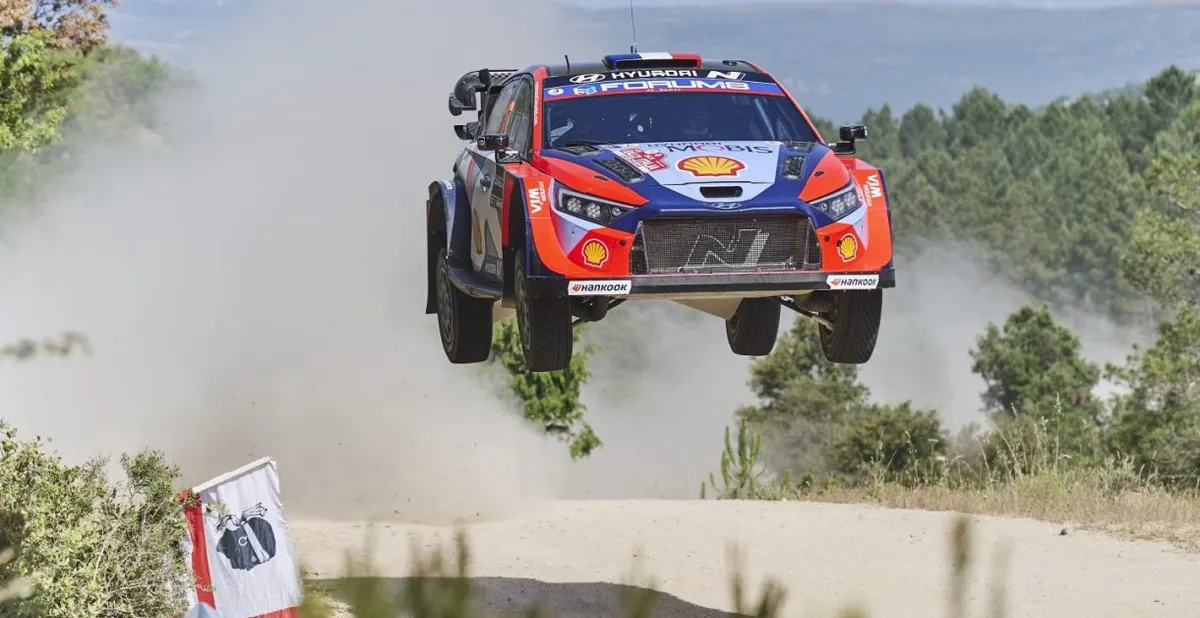
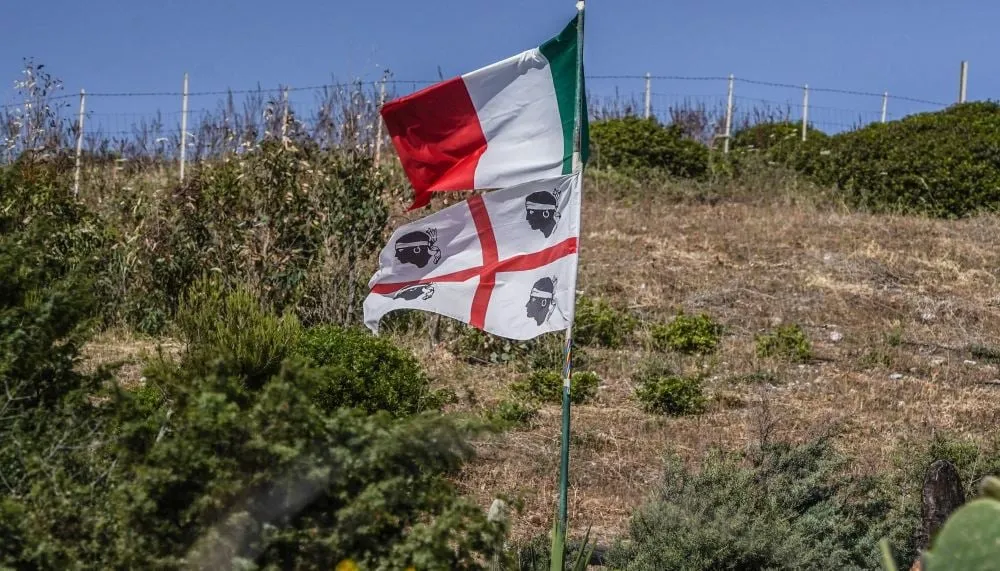
WRC 2026 finale moved to Italy: Elfyn Evans on brink of title, only needs one event. Read our full analysis.
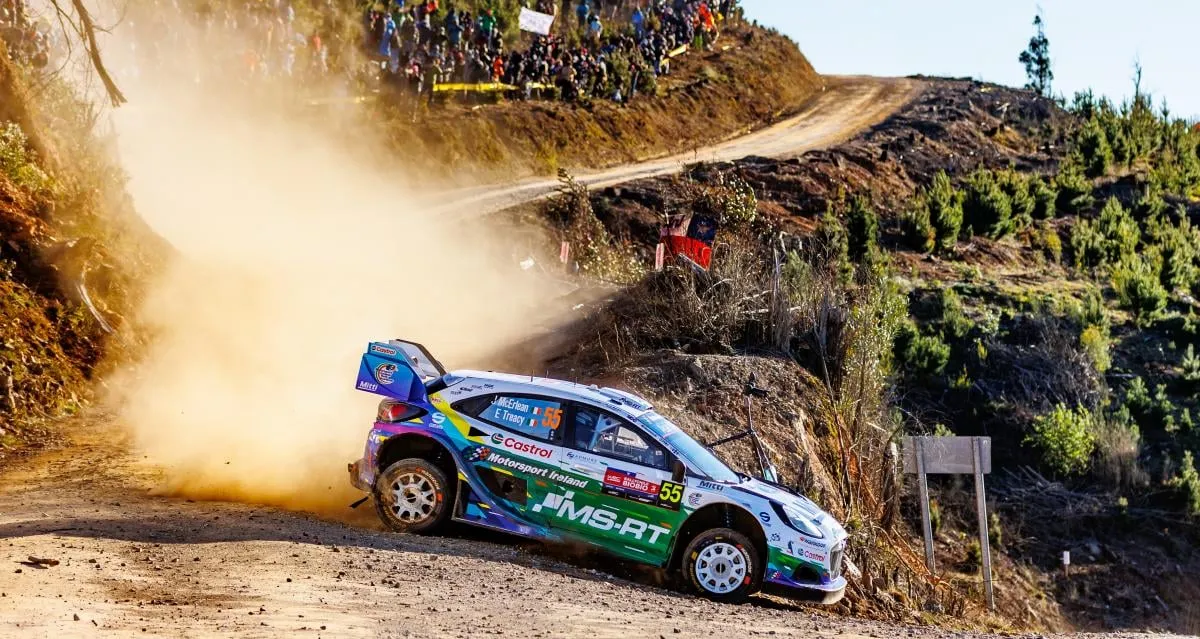
Josh McErlean reveals the challenges of muddy Rally Chile, a small mistake with big consequences, and the importance of the 36-tyre allocation for performance.
 Continue with Google
Discussion (0)
Join the Discussion!
Sign in easily to start commenting, replying, and interacting with other readers.
Latest Comments
No comments yet. Be the first!