








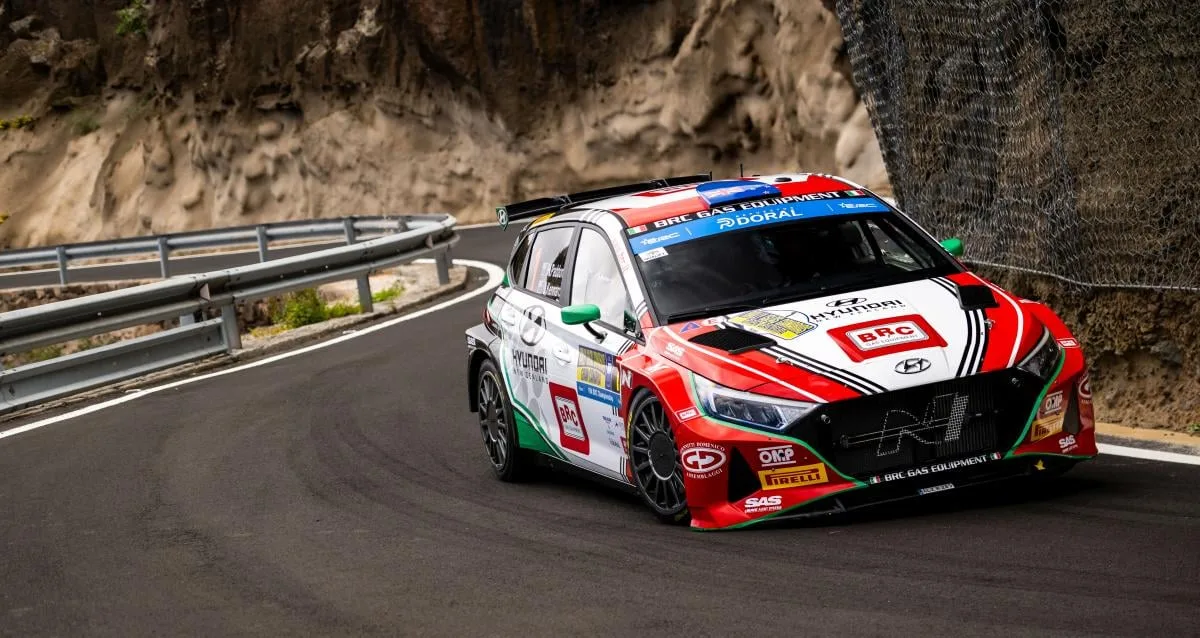
Hyundai technical director Demaison has made a blunt admission regarding the brand's previous Rally2 challenger, stating that the vehicle was simply not reliable or fast enough to fight at the sharp end of the World Rally Championship. Customer teams had struggled in previous campaigns due to a lack of overall competitiveness, prompting an intensive overhaul of the machinery.
While the car demonstrated decent pace on tarmac surfaces, development on gravel performance had previously taken a back seat. The engineering department has now shifted its primary focus to rectifying this weakness, ensuring that privateer competitors can fight for top honors across a wider variety of rally surfaces and extremely rough terrains.
The root cause of the suspension limitations stemmed from the original gearbox design, which prevented engineers from achieving adequate wheel travel compared to rival manufacturers. Time constraints forced the team to adopt an off-the-shelf five-speed Sadev transmission unit rather than manufacturing a completely bespoke assembly from scratch.
Further mechanical vulnerabilities were uncovered in the auxiliary belt layout. Originally derived from standard road car architecture, a single long belt drove both the alternator and the power steering pump. This setup proved inadequate during grueling gravel events such as Safari Rally Kenya, where harsh impacts quickly caused severe operational failures.
The redesigned system now features a direct engine-driven power steering setup alongside an independent alternator belt, mirroring engineering solutions seen in top-tier Toyota rally programs. Ongoing test sessions continue to refine the final specifications before the updated car makes its official competitive debut.
Read Also
Simak analisis mendalam mengenai evaluasi 100 hari pertama WRC Promoter, suntikan investasi baru, dan dampaknya bagi masa depan kejuaraan reli dunia.
Simak analisis kesiapan Takamoto Katsuta menghadapi regulasi baru WRC dan ketatnya persaingan di tim Toyota. Baca selengkapnya di sini!
Kabar bahagia datang dari keluarga reli dunia. Simak kisah lengkap kelahiran anak pertama pebalap andalan WRC di sini.
 Continue with Google
Discussion (0)
Join the Discussion!
Sign in easily to start commenting, replying, and interacting with other readers.
Latest Comments
No comments yet. Be the first!