







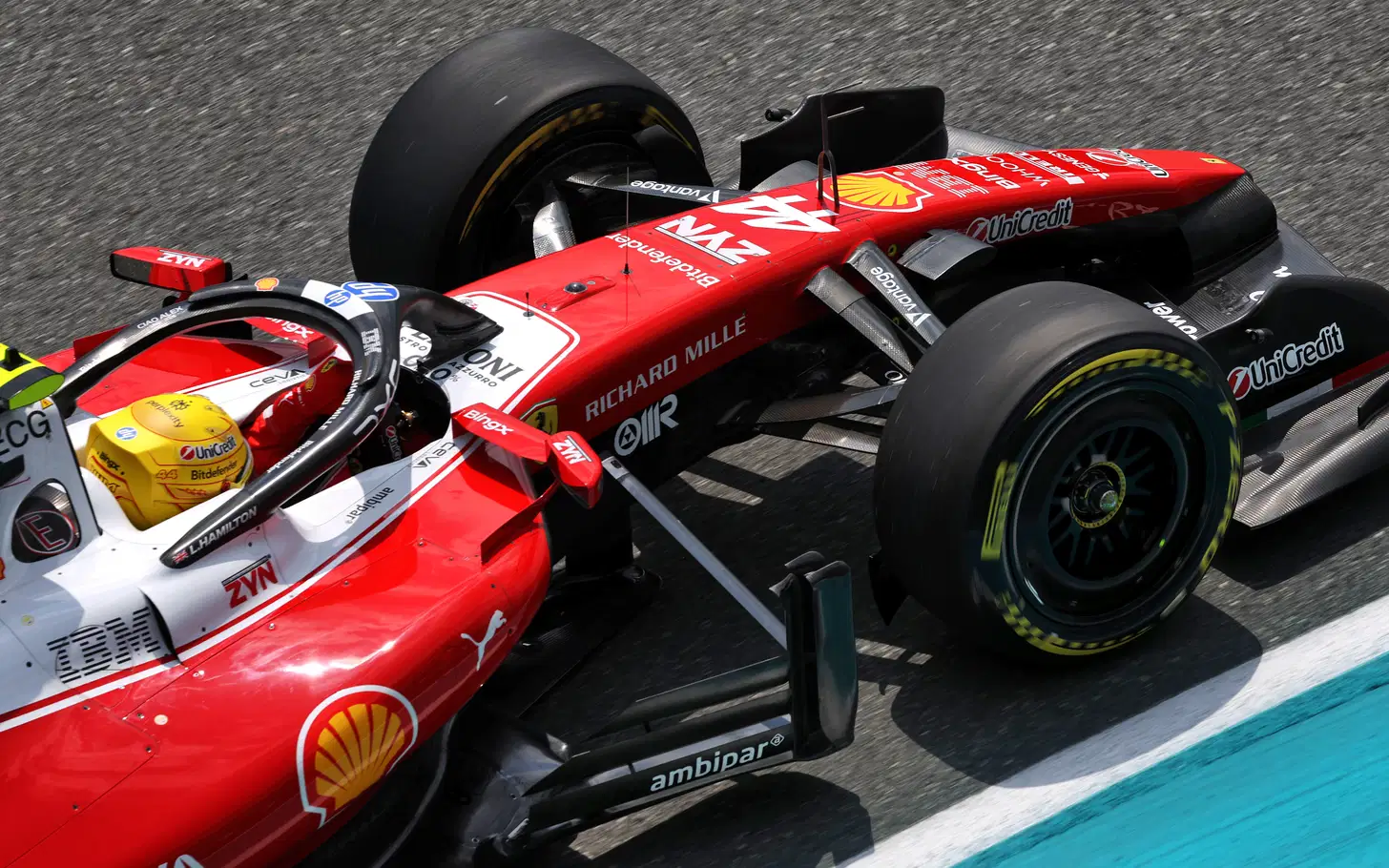

Ferrari has reason to approach the 2026 British Grand Prix with greater optimism despite the SF-26’s weaknesses resurfacing at the previous round in Austria. The characteristics of Silverstone Circuit should be better suited to the car’s chassis and aerodynamic strengths than the Red Bull Ring, where tyre degradation erased the potential briefly demonstrated in qualifying.
According to Paolo Filisetti’s analysis for RacingNews365, Ferrari introduced a revised power unit at the Austrian Grand Prix as its first development step following the additional scope granted by the FIA. With engine performance, acceleration and top speed carrying major importance at the Red Bull Ring, the package was expected to produce a visible competitive gain.
However, the anticipated improvement largely failed to emerge. Ferrari recovered during Saturday’s qualifying session, but that result was primarily produced by an extremely aggressive set-up rather than a fundamental change in the SF-26’s competitiveness. The configuration helped reduce the deficit over one lap, when corner balance and aerodynamic efficiency had less influence than straight-line performance.
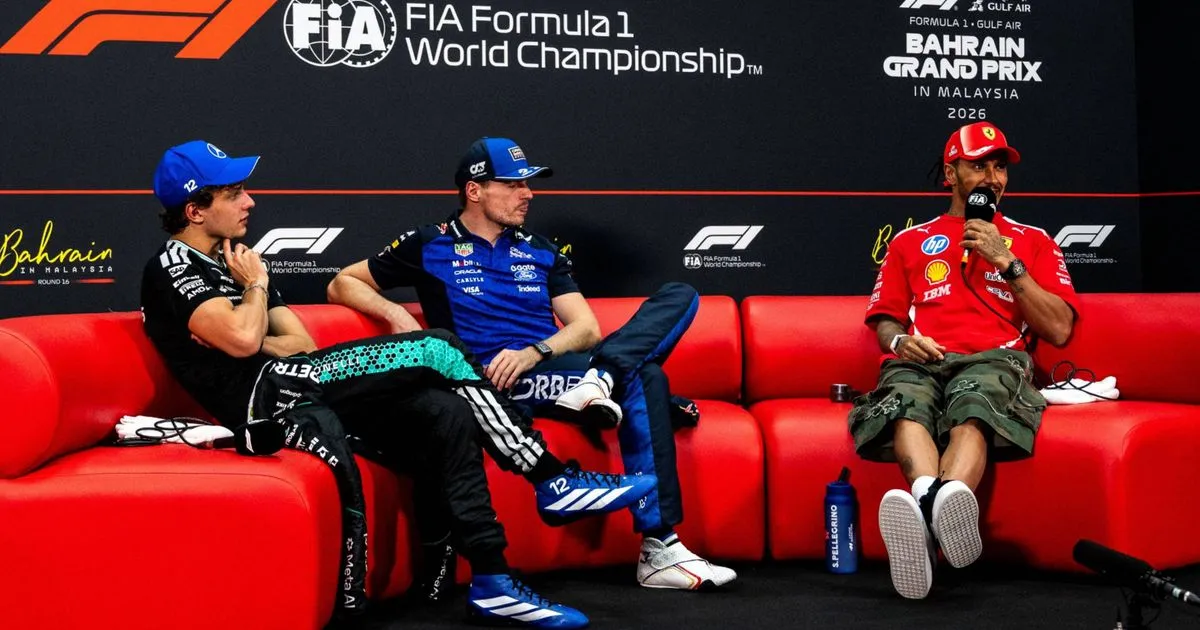
The picture changed during the race. The set-up that had worked in qualifying placed excessive stress on the tyres over a full stint, making degradation Ferrari’s principal limitation. The problem was particularly evident on Lewis Hamilton’s car, as the rapid loss of grip forced him into an early pit stop.
Ferrari did not possess sufficient race pace to convert that early stop into a strategic advantage. The following stints delivered no meaningful recovery, while a late switch to soft tyres also failed to generate enough performance to alter the outcome.
Track temperatures approaching 53 degrees Celsius further amplified the problem. The combination of extreme heat, an aggressive set-up and heavier tyre wear than Ferrari’s rivals created an unfavourable scenario, while the revised power unit did not show a large enough gain to offset those losses.
Silverstone presents a different technical requirement. Alongside engine performance, the circuit demands stability through high-speed direction changes and consistent aerodynamic balance. Those areas previously formed a stronger part of Ferrari’s performance, including when the SF-26 appeared considerably more competitive in Barcelona.
Ferrari therefore does not need to approach the British Grand Prix as a damage-limitation exercise. If the team can unlock the SF-26’s chassis and aerodynamic strengths without repeating the excessive tyre stress seen in Austria, Hamilton and Ferrari have an opportunity to return to the leading group and potentially challenge for podium positions at Silverstone.
Read Also
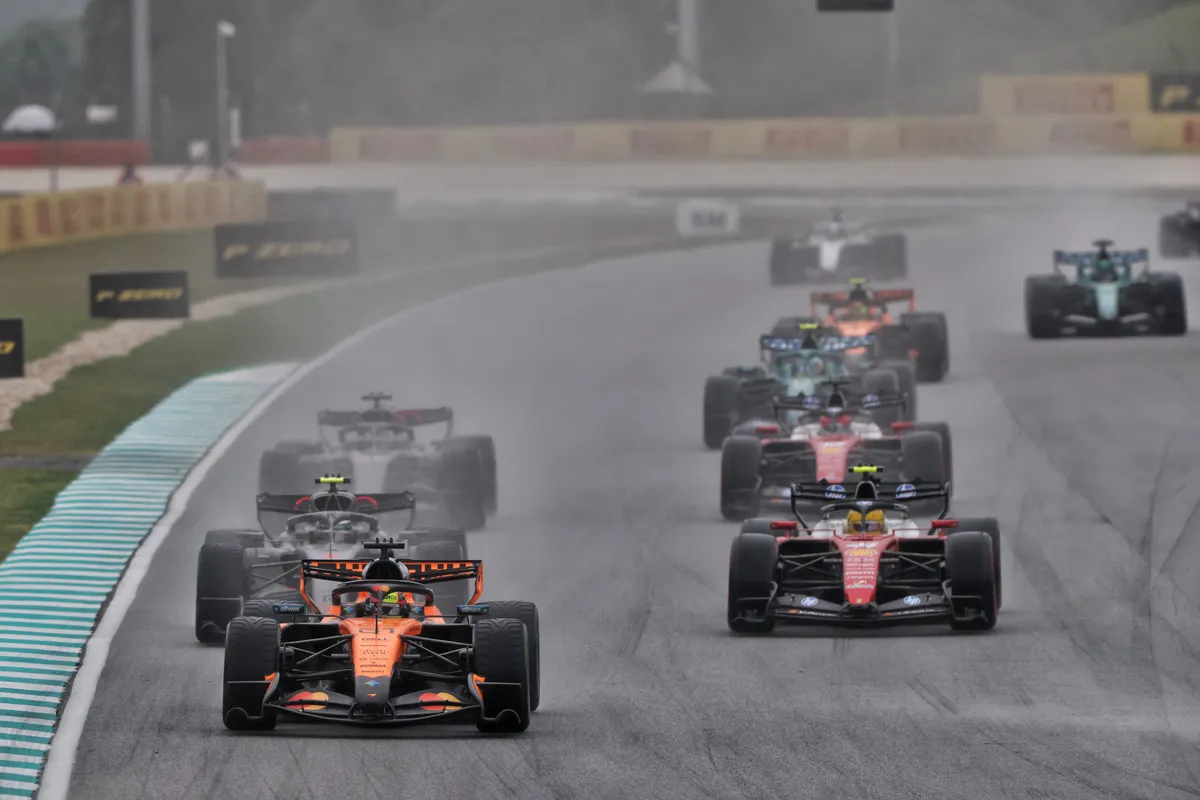
FIA menyampaikan permohonan maaf resmi menyusul kekacauan prosedur start akibat bug perangkat lunak dalam kondisi hujan deras di sirkuit.
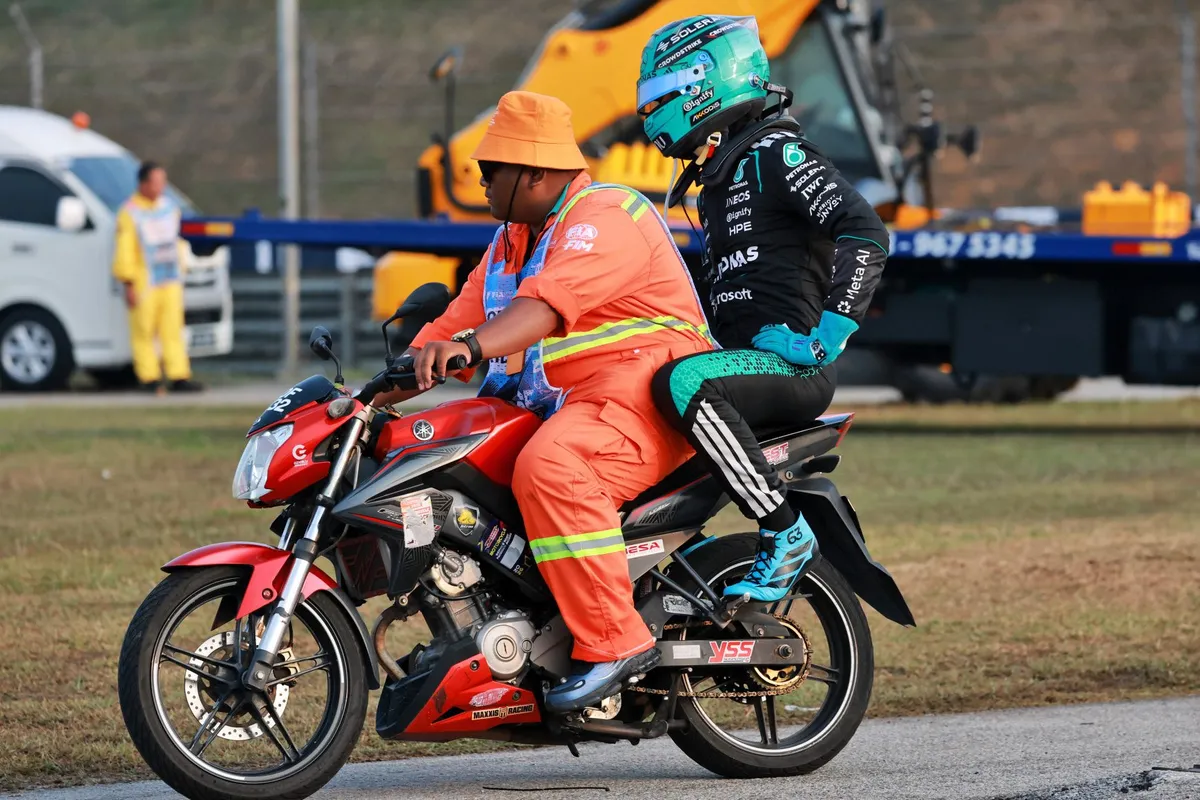
Kegagalan mesin musnahkan peluang podium George Russell, perlebar jarak poin dengan Kimi Antonelli di klasemen Formula 1.

Max Verstappen dan para pembalap F1 mengecam kekacauan start GP Bahrain di Malaysia akibat masalah software power unit regulasi baru 2026.
 Continue with Google
Discussion (0)
Join the Discussion!
Sign in easily to start commenting, replying, and interacting with other readers.
Latest Comments
No comments yet. Be the first!