






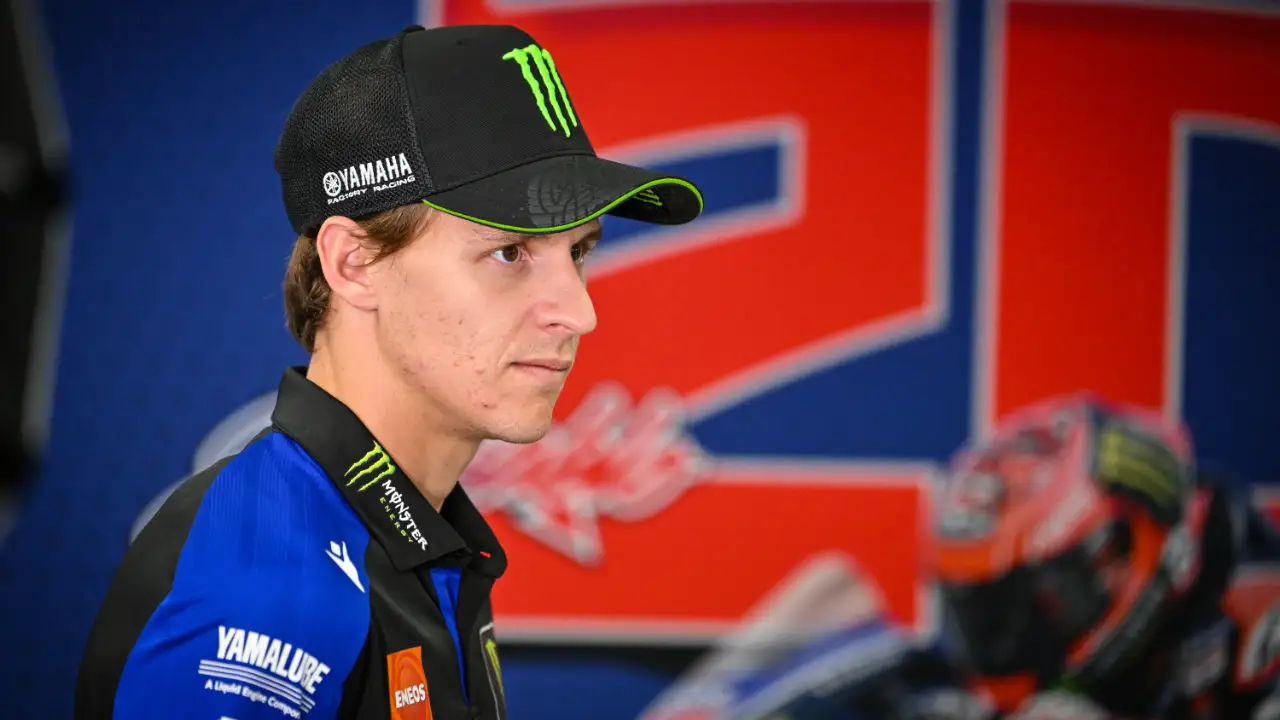

MotoGP, Sportrik Media - Fabio Quartararo of Yamaha arrives at the Spanish MotoGP 2026 in Jerez facing one of the most difficult periods of his premier-class career, openly admitting a complete loss of feeling with the bike while questioning the team’s technical direction.
The start of the 2026 season has been particularly challenging for the 2021 world champion, who has struggled to extract performance from the current Yamaha package. Beyond outright pace, Quartararo highlighted a deeper issue: the inability to build confidence and connection with the bike, a fundamental requirement for consistency at the highest level.
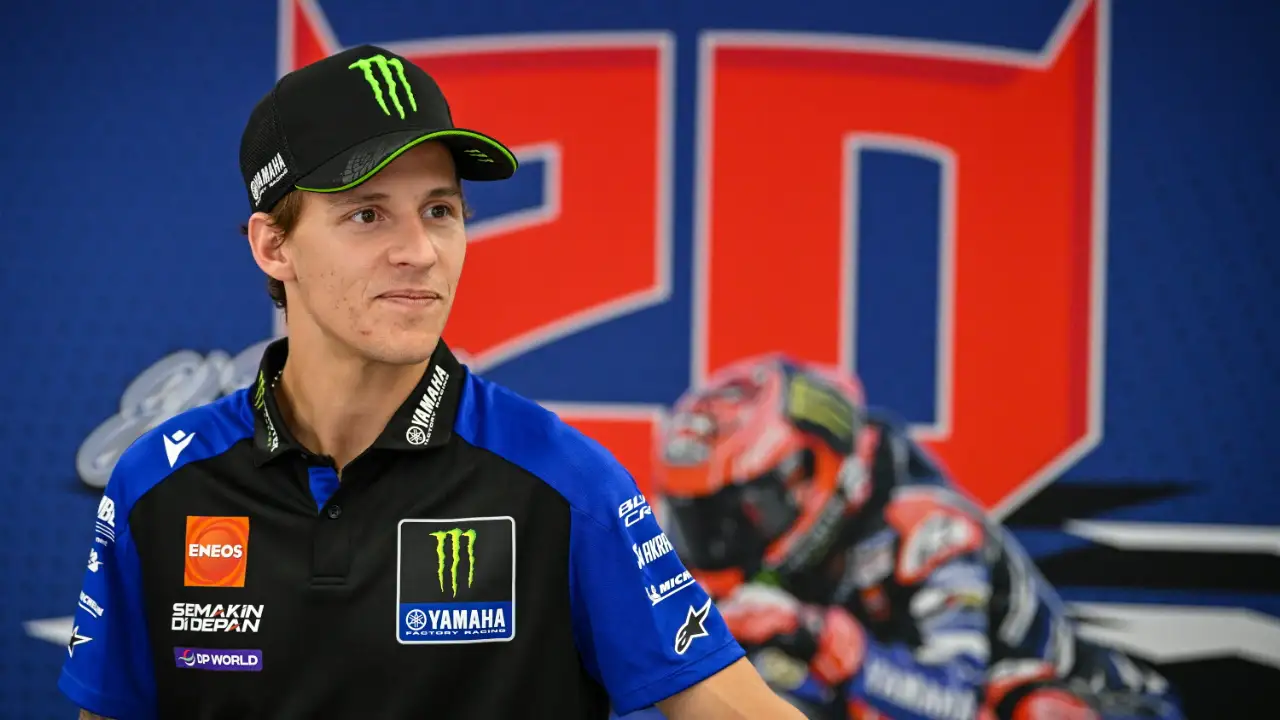
“The only thing we can do is keep giving our maximum, keep training and try to achieve the best result,” Quartararo stated.
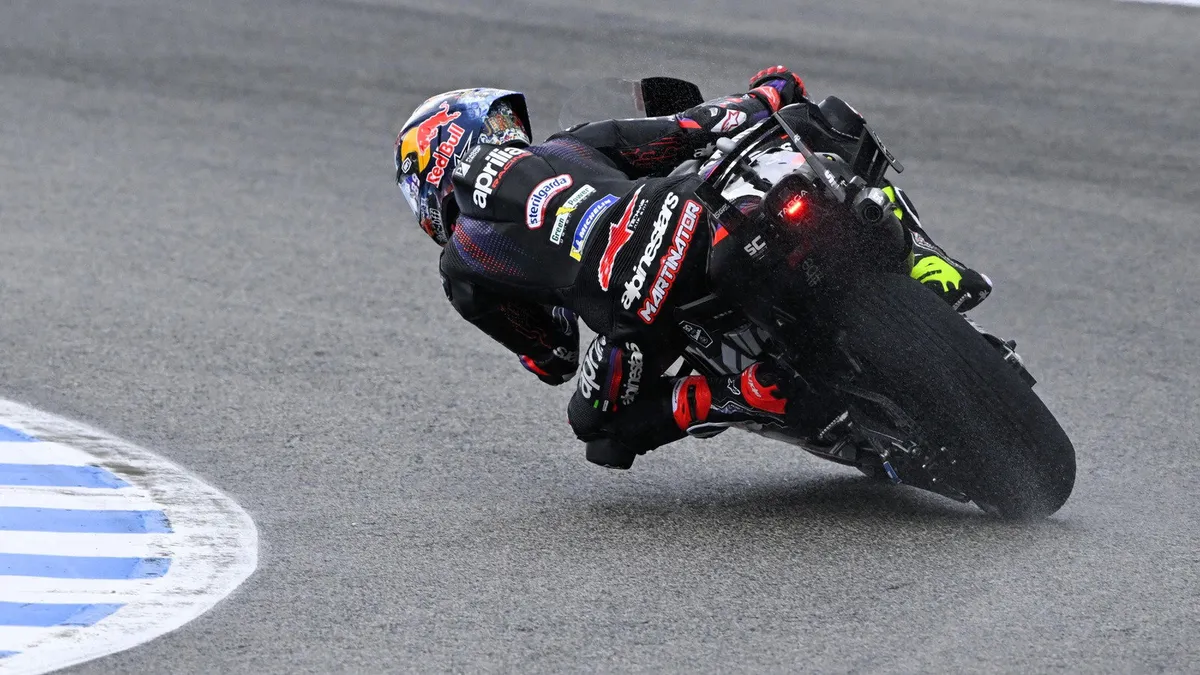
“It’s difficult because I know my potential, I know what I can do. I love racing, but unfortunately I’m not enjoying it like last year. I don’t feel comfortable on the bike and I cannot do what I want.”
He underlined that the problem is not solely performance-related, but also a lack of rider feedback and front-end confidence, which significantly limits his ability to push at race pace.
“If there is no potential but I feel good on the bike, it’s not so bad. Otherwise, it becomes difficult. We will have to face the season like this and hope to improve race by race.”
Quartararo also pointed to Yamaha’s shift in technical philosophy, particularly the move toward a V4 engine concept, as a factor that has yet to deliver the expected benefits. In contrast to the previous season, where limitations existed but were manageable, he described the current situation as a regression in overall usability.
“It’s like day and night. Last year’s bike was not the best in terms of power and rear traction, but now we see that the potential is not there at all.”
“I have no feeling with the front. At the moment I’m a bit lost in this area, and we need to find a solution to be able to give 100%, regardless of the results.”
While Yamaha remains committed to its technical direction, Quartararo acknowledged that closing the performance gap under the current circumstances will require time, particularly given the scale of the changes involved.
“When we saw the potential, of course we thought about it, but Yamaha was convinced it was the right choice.”
“I’m not an engineer, I just want to be fast and achieve results. If Yamaha chooses the V4, we will follow, but as things stand, we won’t recover within a year, especially the potential we had last season.”
In parallel, Quartararo commented on internal team dynamics, including developments involving Alex Rins. He suggested that evaluating rider performance purely on results does not reflect the full context of the current technical limitations.
“Only a few of us know what the bike is like now compared to last year. It’s difficult to judge results by comparing our bike with others.”
Looking ahead, Quartararo has lowered expectations for the remainder of the season, acknowledging the current deficit to rival manufacturers.
“I don’t think we will achieve something positive like last year, when we were very fast with the inline-four.”
“To be honest, I prefer not to look at the data because we are very far away. It’s a completely different bike, but as a rider I can feel where I am slower.”
His assessment highlights a broader technical crisis within Yamaha, where a combination of conceptual change and lack of balance has created a complex development challenge. With Jerez marking the start of the European phase, the Spanish Grand Prix will serve as a critical benchmark for whether Yamaha can begin to recover performance, or continue to struggle in an increasingly competitive field.
Read Also
Simak analisis lengkap aturan baru MotoGP terkait sanksi absen acara promosi, denda finansial, hingga penalti grid. Baca selengkapnya di sini!
Simak analisis lengkap insiden antara Alex Marquez dan Marco Bezzecchi di latihan MotoGP Australia 2026. Baca detail teknis dan kutipan resmi di sini.
Simak analisis lengkap tuntutan Pecco Bagnaia terkait asosiasi pembalap MotoGP di Phillip Island. Baca berita selengkapnya di Sportrik Media.
 Continue with Google
Discussion (0)
Join the Discussion!
Sign in easily to start commenting, replying, and interacting with other readers.
Latest Comments
No comments yet. Be the first!