







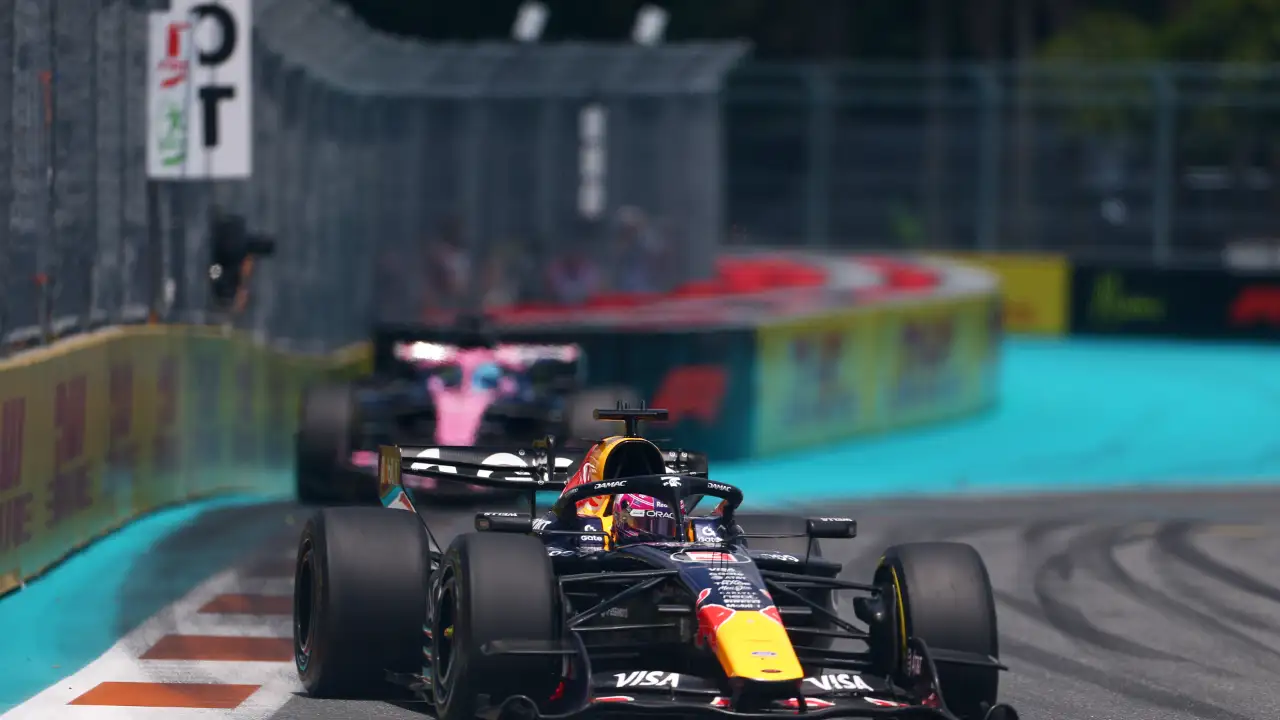

The 2026 Formula 1 Miami Grand Prix faces a realistic threat of disruption due to severe thunderstorms, meaning the FIA’s graduated points system for incomplete races could directly influence both drivers’ and constructors’ championship standings.
Race organisers have already adjusted the start time to avoid peak storm conditions, but the sporting regulations clearly define outcomes if a red flag situation cannot be resolved. In such scenarios, full race points are no longer guaranteed, with allocation strictly dependent on the percentage of race distance completed under green flag conditions.
If more than two laps are completed but less than 25 percent of the scheduled distance, only the top five finishers score points, following a reduced 6-4-3-2-1 scale. This rare situation gained prominence after extreme weather disruptions in previous seasons, notably the shortened Belgian Grand Prix in 2021.
Once the race surpasses the 25 percent threshold but remains below 50 percent, points extend to the top nine finishers with a 13-10-8-6-5-4-3-2-1 distribution. Between 50 and 75 percent completion, all top 10 drivers score, albeit on a reduced scale of 19-14-12-9-8-6-5-3-2-1, ensuring competitive fairness despite incomplete race conditions.
Full championship points are only awarded when at least 75 percent of the total race distance is completed. At that stage, the standard 25-18-15-12-10-8-6-4-2-1 system applies, forming the backbone of title battles involving teams such as Red Bull Racing, Mercedes, and Ferrari.
This regulatory framework carries significant implications for leading contenders including Max Verstappen, Lewis Hamilton, and Charles Leclerc, where marginal point differences can shape the championship trajectory. Even partial points in an interrupted race may prove decisive over a full season.
External constraints also play a role, as Florida regulations require outdoor sporting events to be suspended upon lightning detection, enforcing a minimum delay that could prevent race resumption. This adds another operational layer to race control decisions during adverse weather conditions.
As a result, teams must integrate weather forecasting into strategic planning, balancing tyre management, race pace, and timing against a narrowing operational window. The Miami outcome may ultimately hinge not only on performance, but on strategic execution under volatile conditions, with consequences extending into the following rounds of the 2026 Formula 1 season.
Read Also
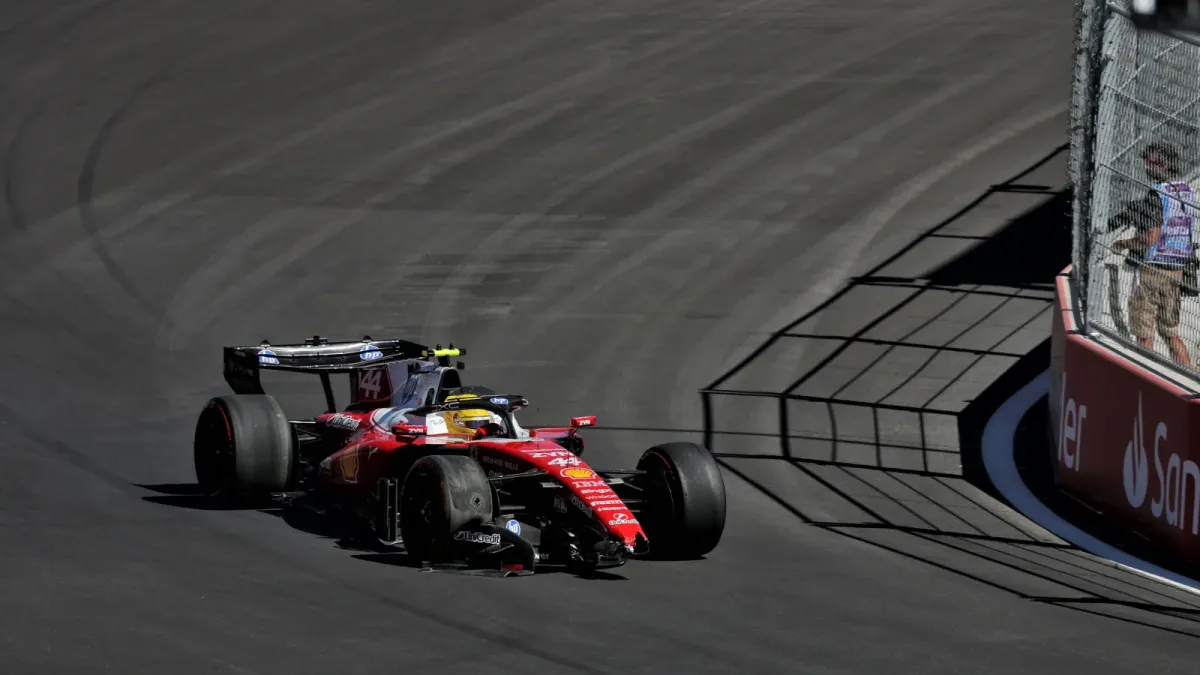
Fred Vasseur reportedly intervened on team radio to stop Lewis Hamilton after his FP3 crash at the Spanish GP, as Hamilton ignored engineer's pleas.
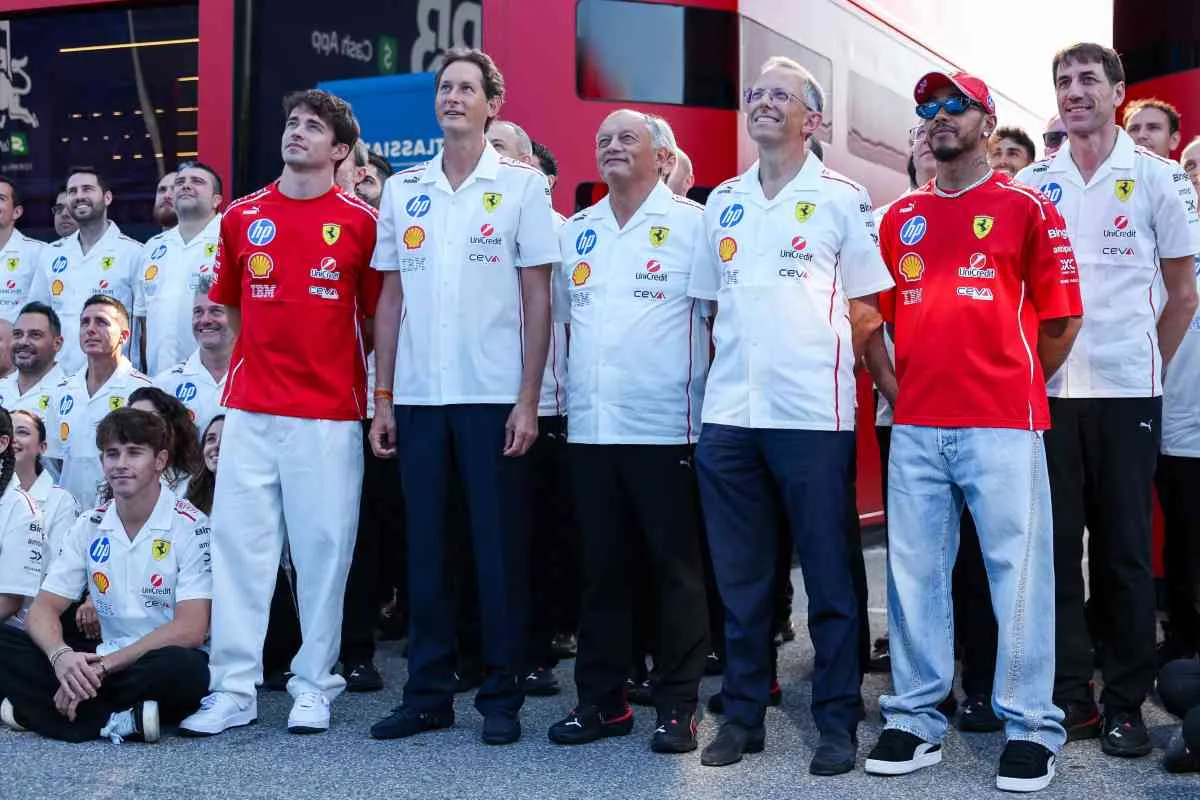
Ferrari in crisis after four GPs without a podium. Rumors of tension between Hamilton and Vasseur and speculation over the team principal's future dominate the headlines.
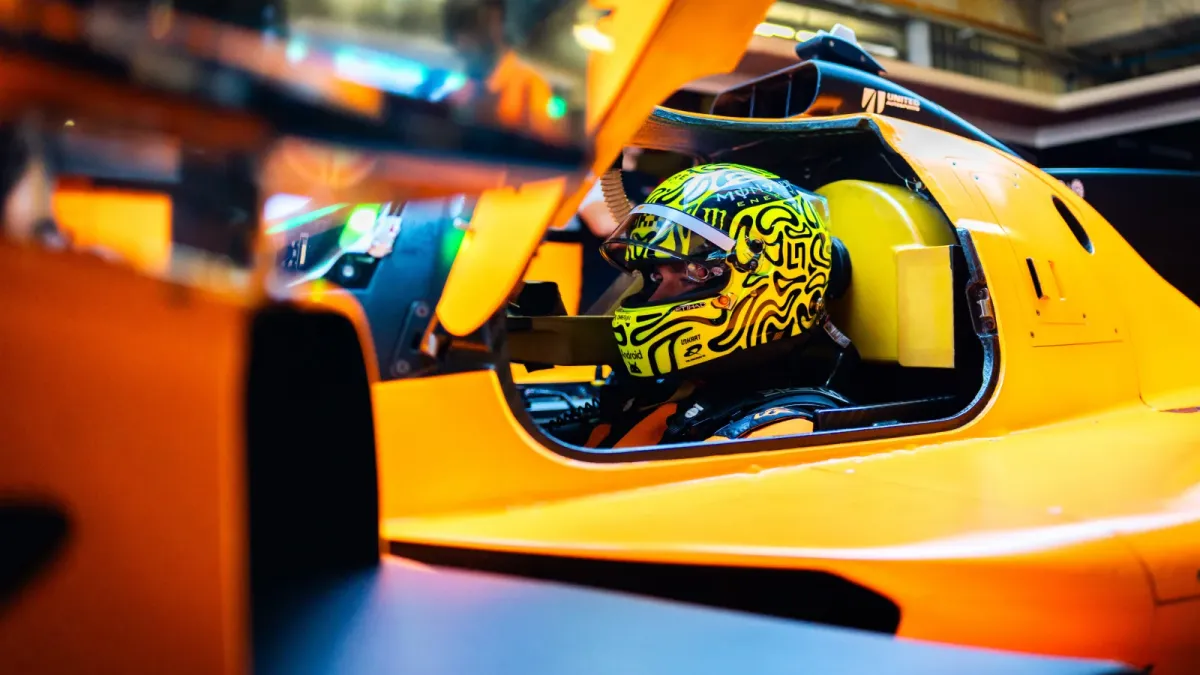
Lando Norris tested the McLaren MCL-HY hypercar at Portimao after finishing third in the Spanish GP. He called it 'very special' and hopes to drive it again.
 Continue with Google
Discussion (0)
Join the Discussion!
Sign in easily to start commenting, replying, and interacting with other readers.
Latest Comments
No comments yet. Be the first!