







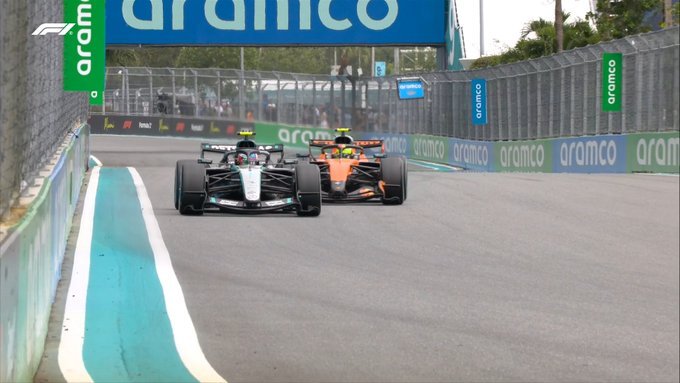

Kimi Antonelli moved into the race lead during the mid-phase of the 2026 Formula 1 Miami Grand Prix, capitalising on pit stop execution and tyre performance to reshape the front-running battle.
The position shift followed a sequence of pit stops involving Lando Norris, Lewis Hamilton, and Antonelli himself. A faster pit stop allowed Antonelli to jump Norris, securing valuable track position at a circuit where overtaking opportunities remain limited.
The situation evolved further when Oscar Piastri was instructed to pit, temporarily handing the lead to Max Verstappen. However, this advantage was short-lived, as Verstappen’s older tyres placed him under immediate pressure from drivers on fresher compounds.
From a technical perspective, tyre age became the defining factor in this phase. Antonelli and Norris demonstrated superior mechanical grip, particularly through key overtaking zones such as Turns 11 and 17, enabling decisive moves against competitors struggling with degradation.
Meanwhile, Charles Leclerc engaged in a close battle with George Russell for a top-five position. Leclerc reclaimed the place with a move into Turn 1, recovering from an earlier undercut after a slower pit stop phase.
Ferrari’s strategy also came under scrutiny, particularly the timing of Leclerc’s pit stop amid uncertain weather forecasts. Team radio exchanges highlighted concerns over decision-making, reflecting the challenge of balancing tyre strategy with unpredictable conditions.
With over half the race remaining, the interplay between pit strategy, tyre management, and evolving weather conditions is set to define the final outcome. This mid-race shift underscores the importance of tactical execution as the Miami Grand Prix moves into its निर्णative closing stages and its implications for the remainder of the 2026 Formula 1 season.
Read Also
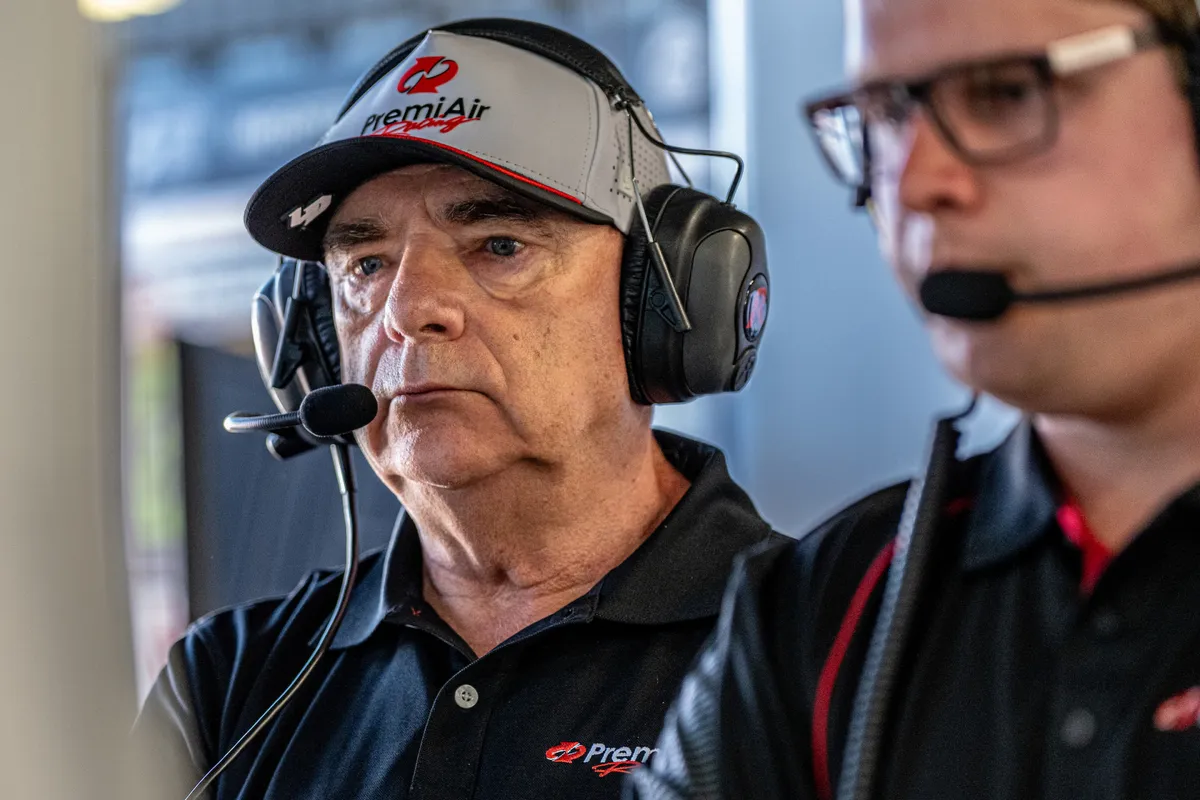
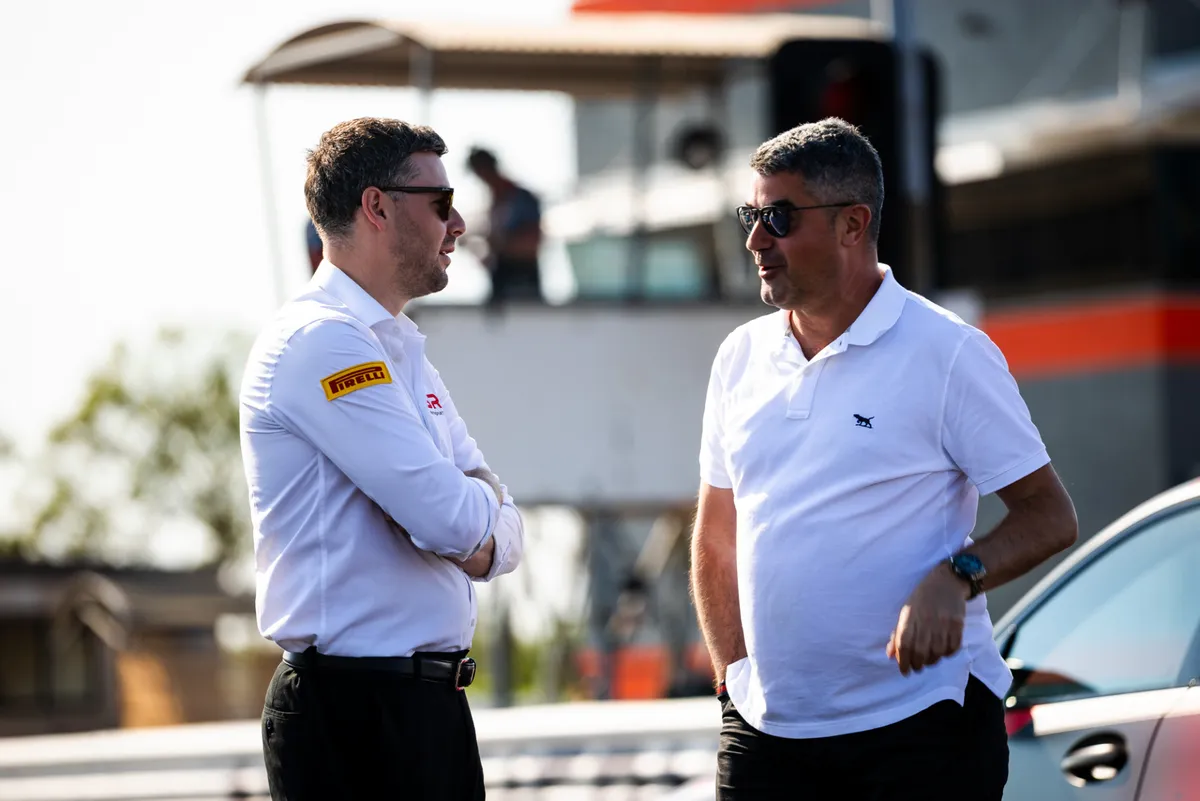
Roland Dane joins GT New Zealand Championship as driving standards observer for the 2026/27 season, bringing over 50 years of motorsport experience.
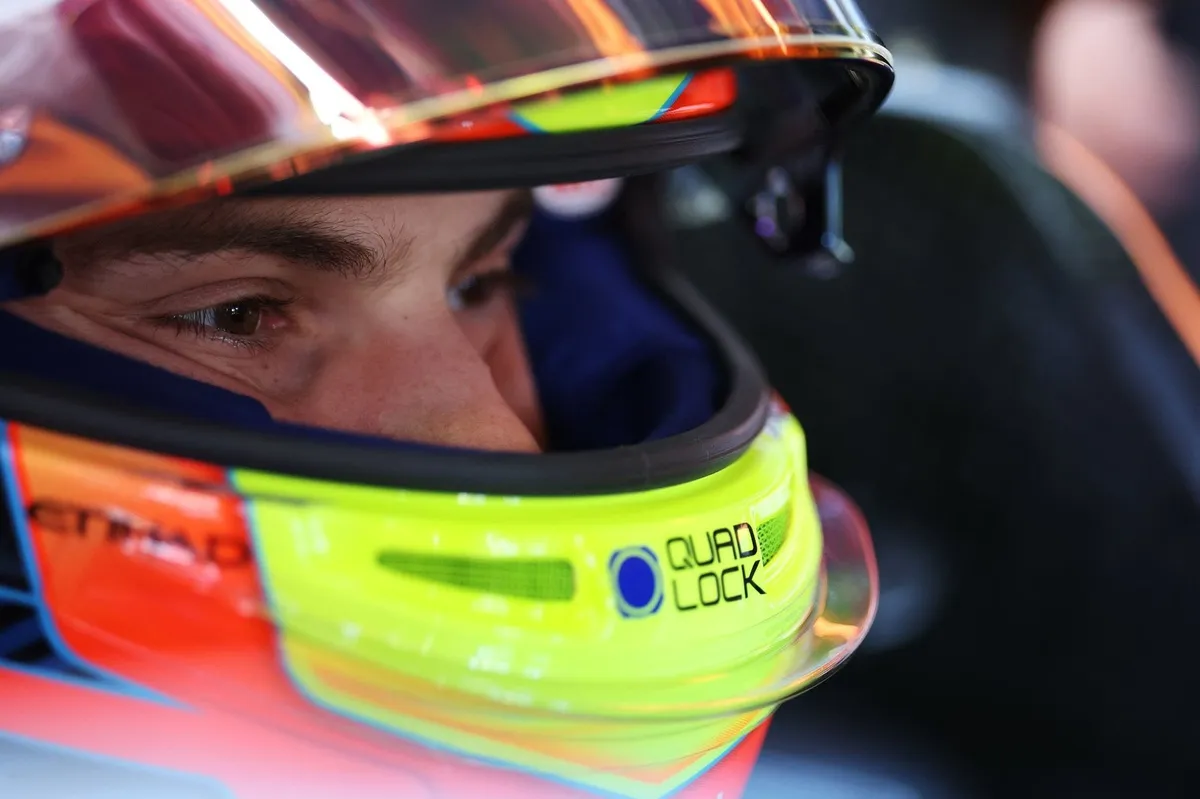
Andrea Stella reveals McLaren's plan to help Oscar Piastri overcome adaptation struggles with the 2026 F1 car. Read the full analysis here.
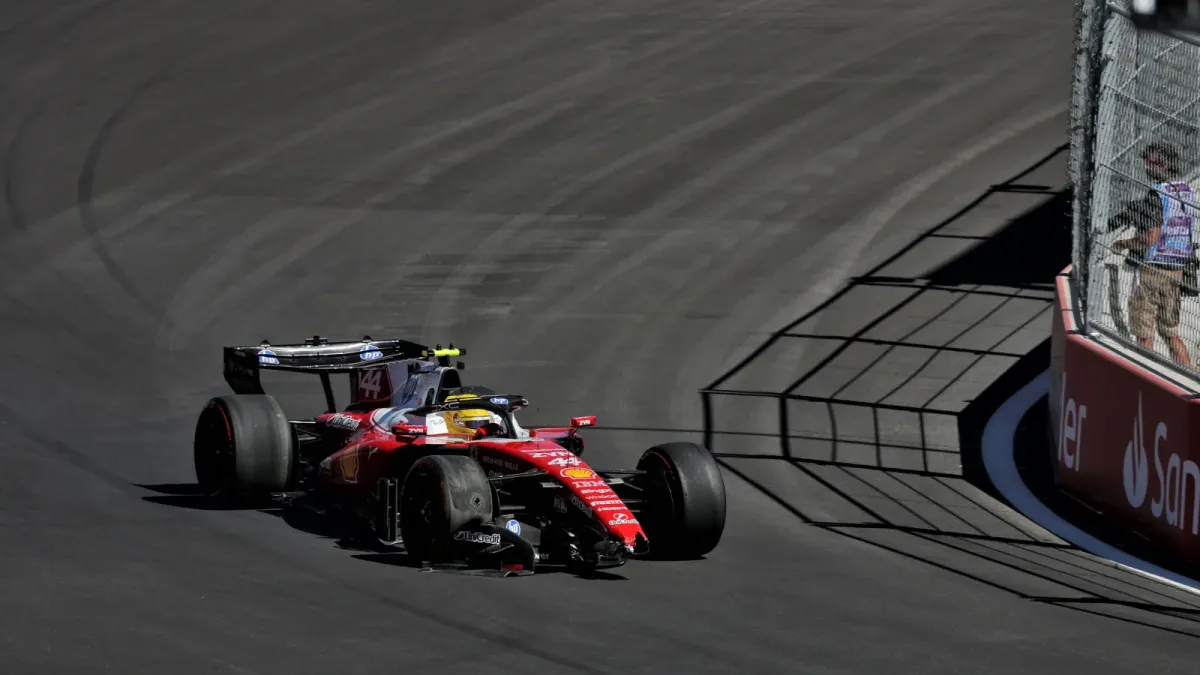
Fred Vasseur reportedly intervened on team radio to stop Lewis Hamilton after his FP3 crash at the Spanish GP, as Hamilton ignored engineer's pleas.
 Continue with Google
Discussion (0)
Join the Discussion!
Sign in easily to start commenting, replying, and interacting with other readers.
Latest Comments
No comments yet. Be the first!