






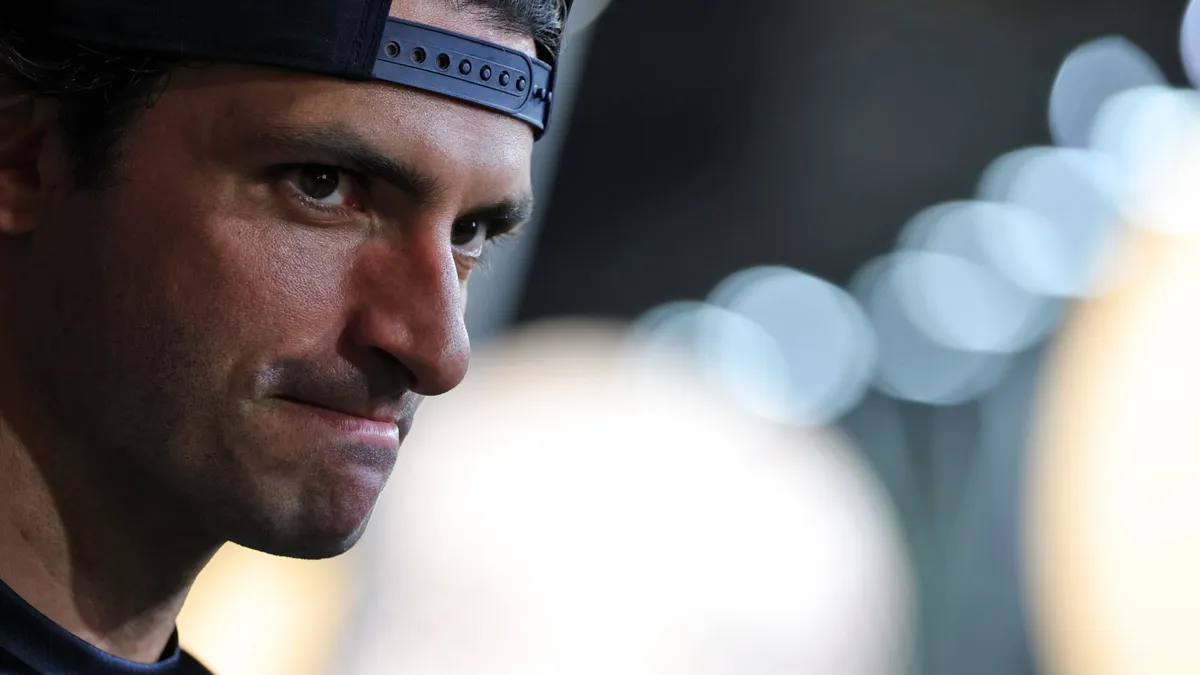

Formula 1 sprint qualifying was engulfed in controversy after Carlos Sainz launched a scathing attack on the FIA following a bizarre error that left several drivers severely down on power. The incident during SQ1 compromised the competitive integrity of the session, stripping a portion of the grid from accessing crucial power boosts due to race control mismanagement.
The Williams driver endured a miserable session, finishing 22nd and slowest overall in a sprint qualifying outing that had already suffered delays due to timing system glitches. While Sainz and his team had battled brake issues stemming from free practice one, the Spaniard argued that the overarching issue was an unacceptable discrepancy in engine performance across the field.
The root of the drama unfolded following a red flag period caused by Sergio Perez crashing his Cadillac. Race control suffered a human error that prevented the deployment of Overtake Mode—a system providing drivers with an extra half-megajoule of energy for lap time performance and tyre preparation. Consequently, half the grid completed their crucial runs with a significant power advantage over their rivals.
Voicing his frustration after the session, Sainz accused the governing body of showing a complete disregard for sporting equity. He explained that some cars completed their flying laps with an engine half a second quicker than the rest of the field, leaving certain competitors heavily disadvantaged through no fault of their own.
Sainz expressed profound confusion over why the sport seemingly adopts inconsistent standards depending on which drivers are eliminated early in sessions. Dilansir dari Crash.net, the experienced driver emphasized that the governing body was comfortable conducting qualifying with half the grid running higher power modes than the rest.
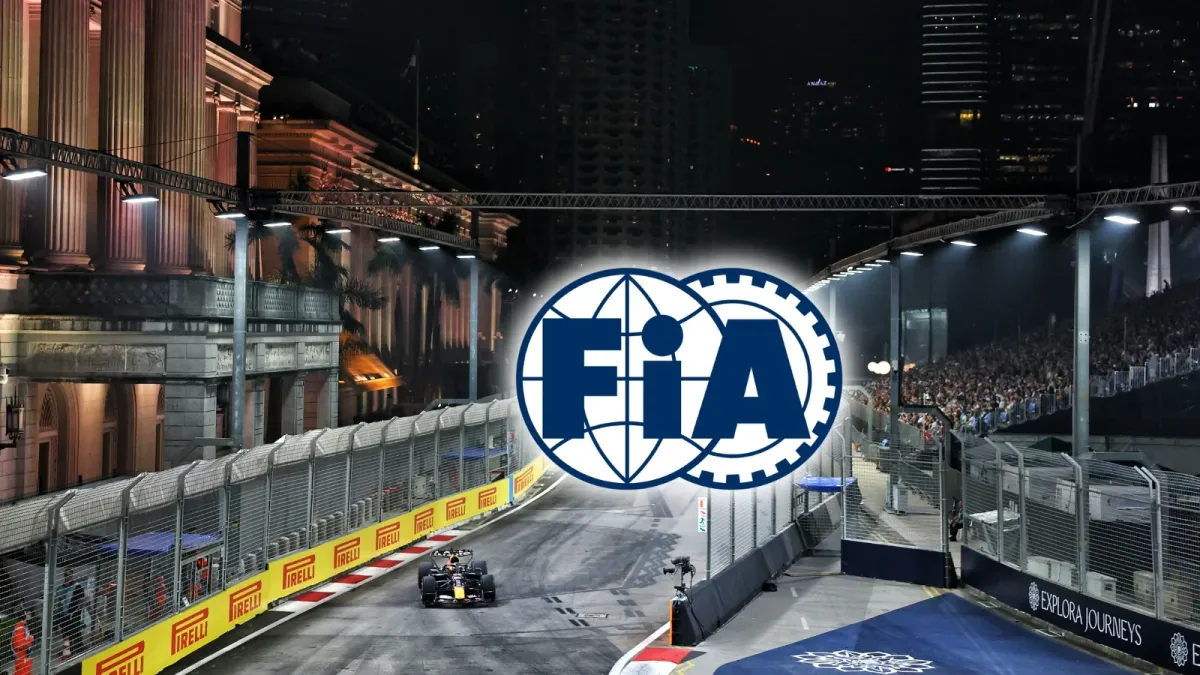
The FIA later clarified that the debacle was caused by a human error surrounding the re-enabling of Overtake Mode rather than a software bug. A spokesperson acknowledged that the oversight directly impacted the performance of specific cars based on their precise timing and track position when the session resumed.
Read Also

Jenson Button memperingatkan Formula 1 agar kalender balap tidak melewati 24 seri demi menjaga kesehatan mental dan fisik para mekanik serta kru tim paddock.
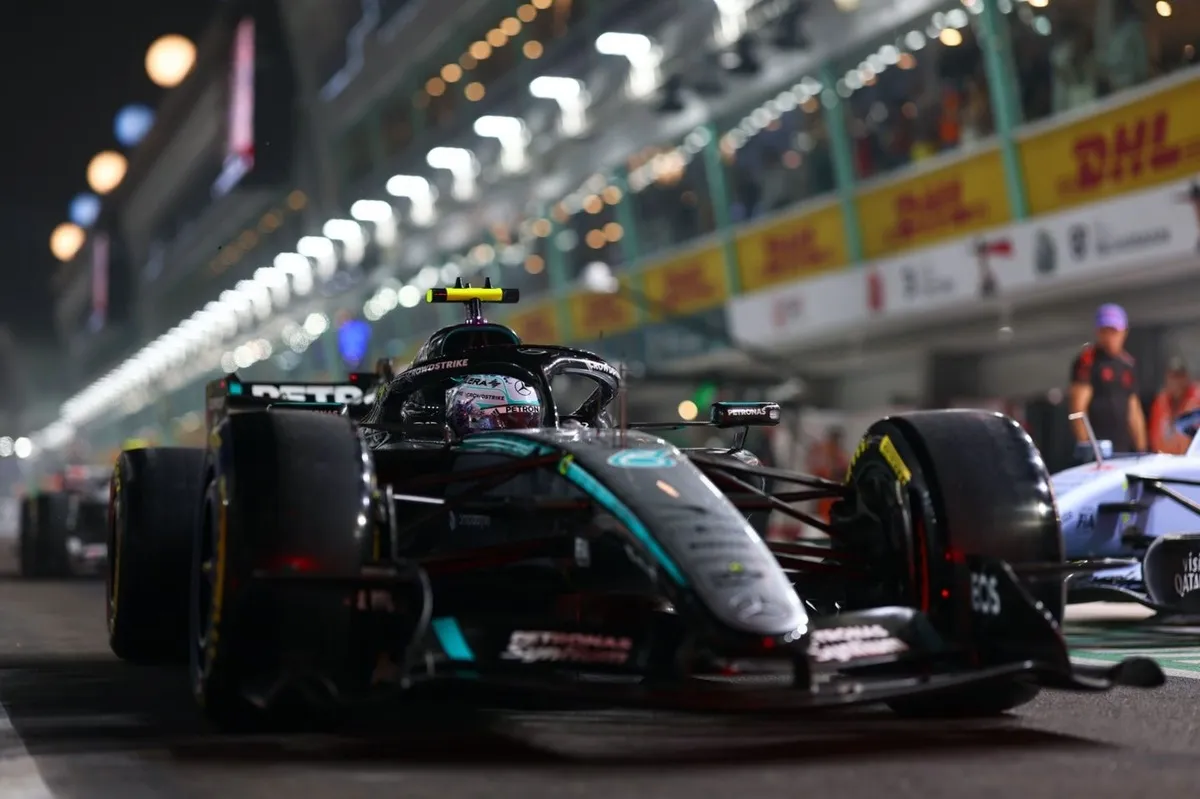
Kimi Antonelli mengeluhkan paket upgrade Mercedes yang sulit dikendalikan setelah hanya meraih posisi ketujuh di kualifikasi sprint F1 GP Singapura.
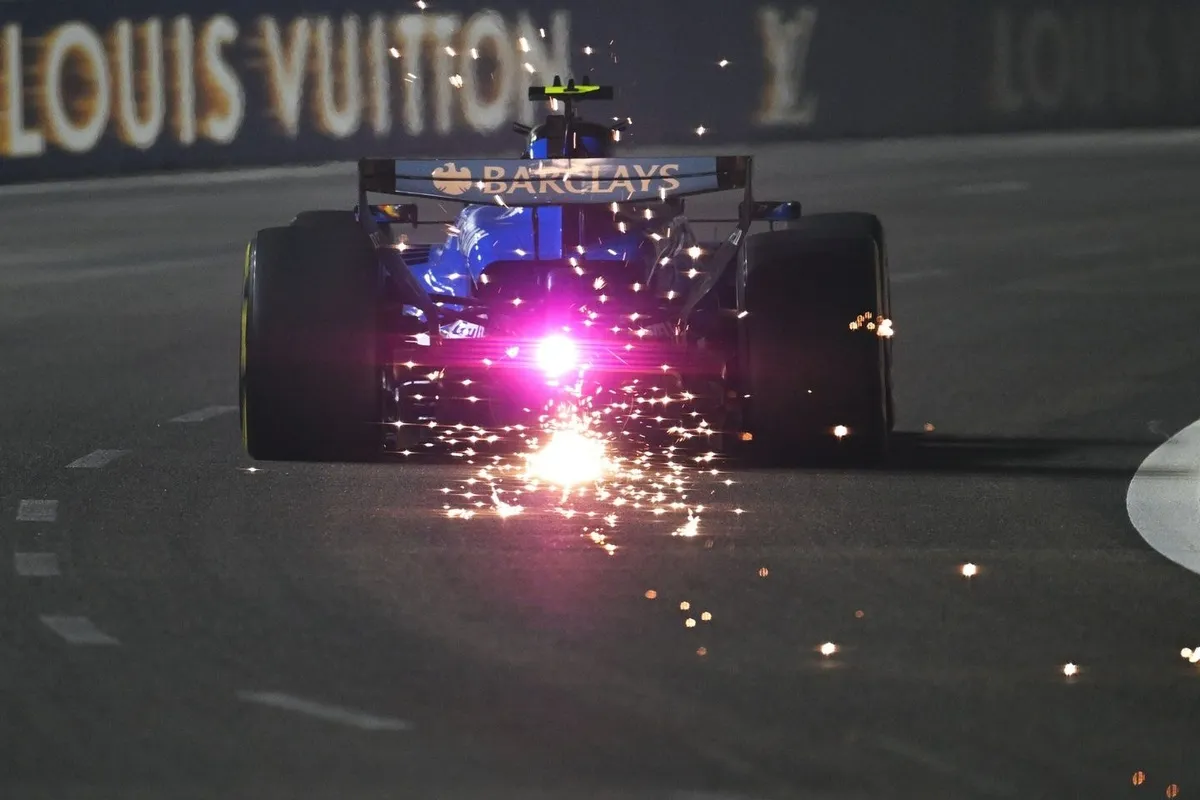
Kesalahan manusia di Race Control picu masalah Overtake Mode pada SQ1 GP Singapura, konfirmasi FIA jelaskan detail insiden tenaga mesin pembalap.
 Continue with Google
Discussion (0)
Join the Discussion!
Sign in easily to start commenting, replying, and interacting with other readers.
Latest Comments
No comments yet. Be the first!