







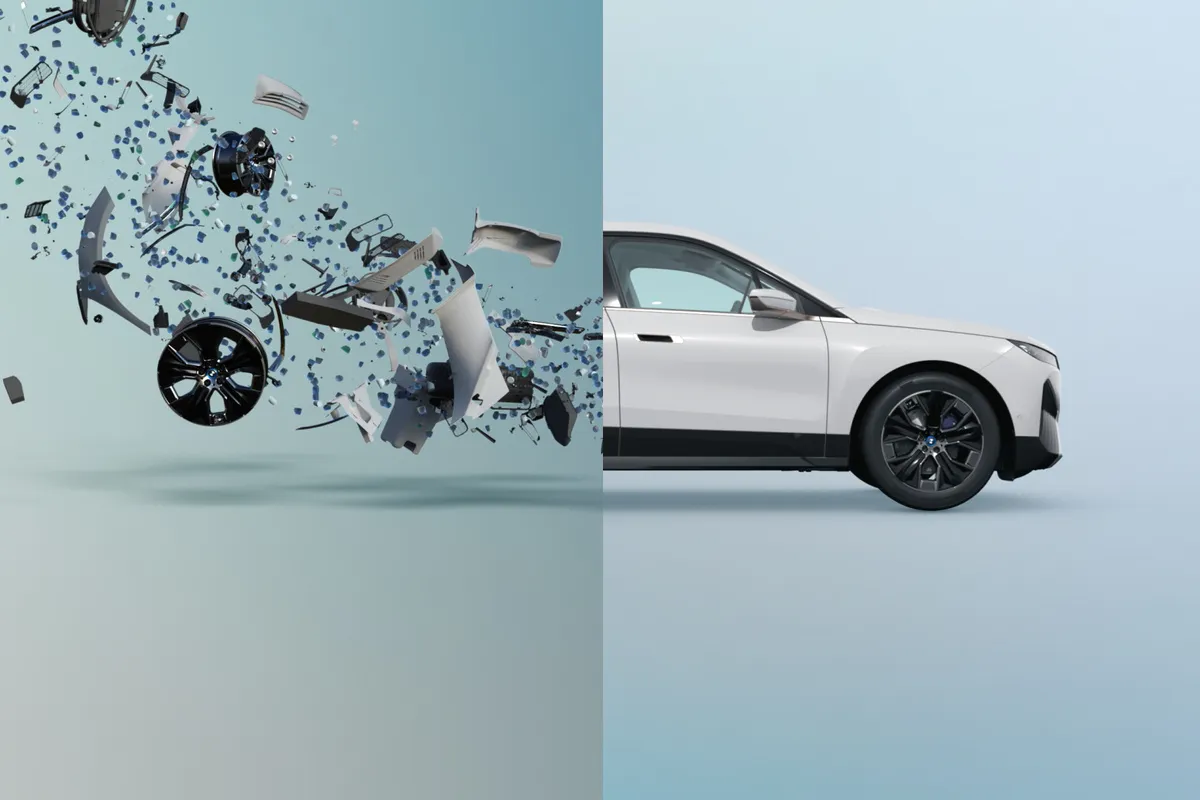

The BMW Group's research project with the Car2Car consortium has proven that recycling high-quality materials such as steel, aluminum, and copper is more than just a concept. By focusing on end-of-life vehicles, they demonstrated that recycled materials can return to new automotive applications without losing value. This opens up significant opportunities for the industry to reduce waste and use resources more efficiently.
Recycling Rate Surge
The main outcome of the project is a substantial increase in the "Car2Car rate"—from 6 percent to 51 percent. This achievement was made possible through expanded processing and sorting conditions. Interestingly, this was done without requiring more extensive vehicle disassembly than the standard industry procedure. This means recycling efficiency can be improved without drastically altering existing workflows.
The "Car2Car rate" measures the proportion of material from end-of-life vehicles that can be returned to the production cycle with adequate quality. This implies that the key criterion is not just the recyclability of the material, but also its ability to re-enter the value chain at a comparable standard. In other words, the material must be ready for use in modern car components.
Focus on Steel, Aluminum, and Copper
The project specifically targeted three key materials: steel, aluminum, and copper. For steel, they found that an additional sorting-based processing step effectively reduces copper impurities, yielding high-quality scrap that is then used to produce flat steel for automotive applications. The results have been tested on an industrial scale, showing real potential for wider adoption.
However, not all materials showed comparable progress. Plastics and glass still require further innovation in vehicle design, disassembly, and recycling processes. This serves as a reminder that there is still work to be done to achieve a full circular economy in the automotive sector.
Field tests at the BMW Group plant in Leipzig successfully produced more than 100,000 series components from recycled steel, installed in 433 vehicles across 60 different models—including test vehicles less than five years old. That said, this does not automatically mean the processes are ready for widespread market availability. More time and investment are needed to ensure scalability.
This breakthrough shows that high-quality recycling is not just a dream. With the right approach, the automotive industry can move toward a more sustainable future without compromising quality.
Read Also
Simak drama lisensi yang gagalkan Markus Brandhofer dan ulasan lengkap jalannya balap sidecar di Olching. Baca analisis mendalam di sini.
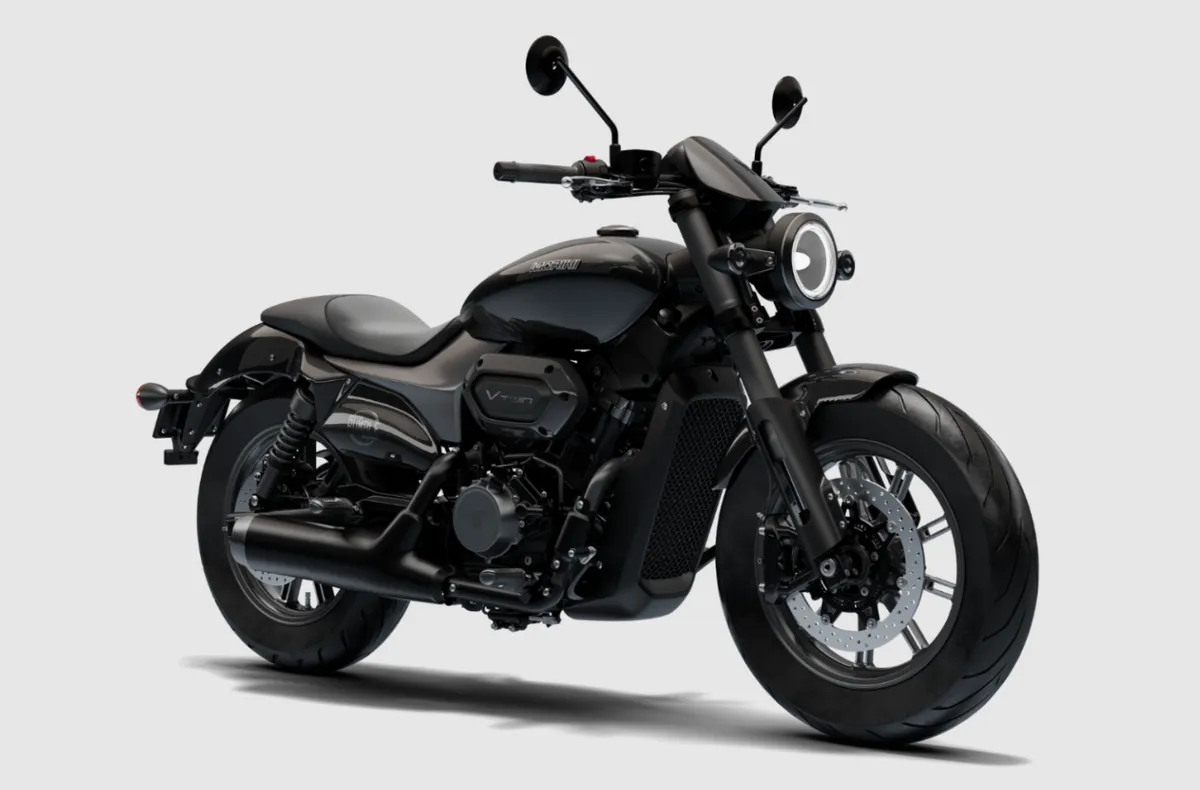
Moto Morini siap luncurkan dua motor V2 350cc terbaru di Spanyol pada akhir 2026. Baca analisis mendalam spesifikasi dan fitur lengkapnya di sini.

Simak strategi terbaru Yamaha beralih ke aluminium daur ulang untuk silinder DiASil demi kurangi emisi CO2. Baca analisis mendalam di sini!
 Continue with Google
Discussion (0)
Join the Discussion!
Sign in easily to start commenting, replying, and interacting with other readers.
Latest Comments
No comments yet. Be the first!