







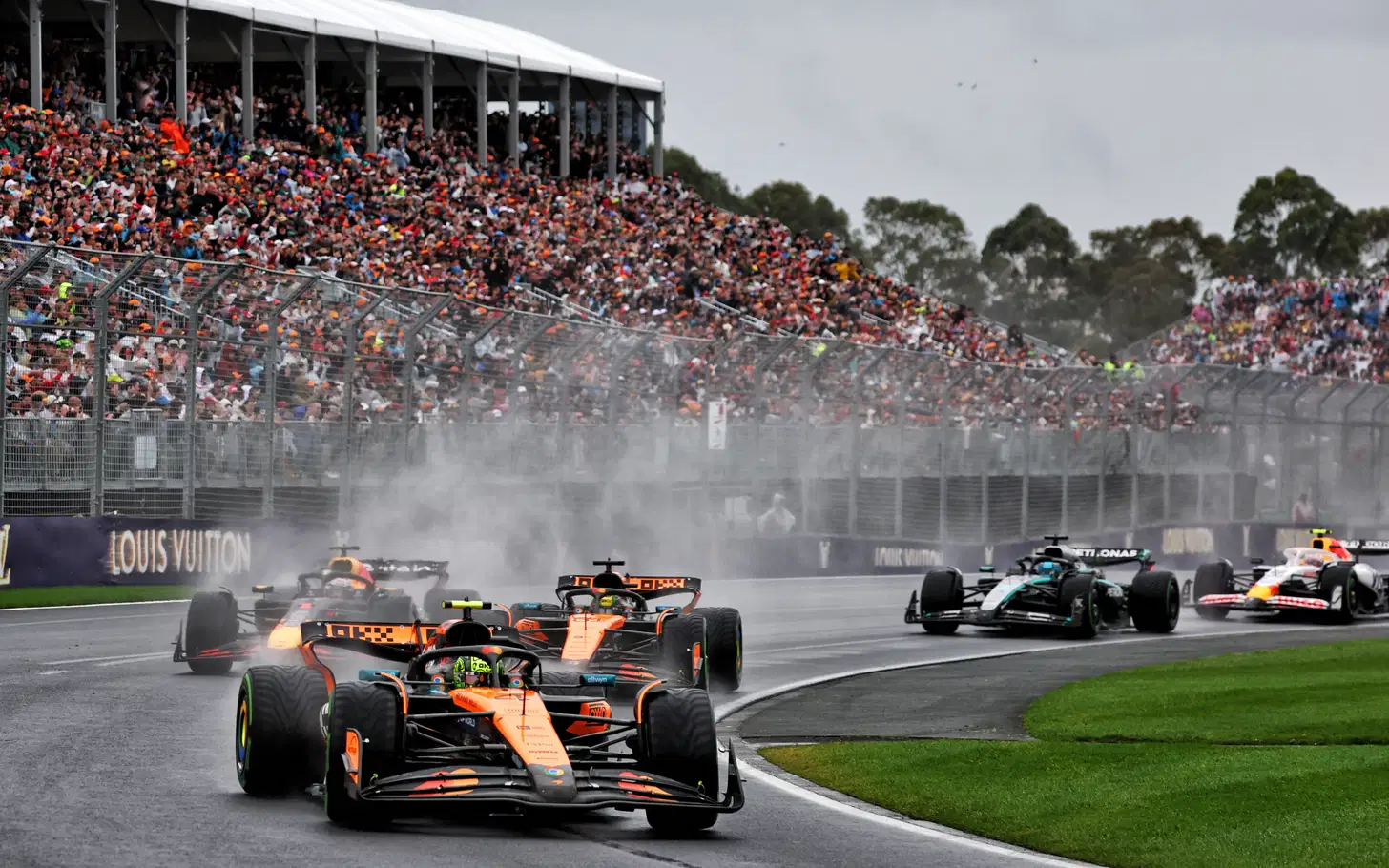

Formula 1, Sportrik Media - The Australian Grand Prix weekend at Albert Park Circuit is expected to take place in largely stable weather conditions, with only a limited chance of rain affecting the opening round of the Formula 1 2026 season.
Last year’s Melbourne race made championship history when the Australian Grand Prix became the first season opener to start in wet conditions. In a chaotic race, Lando Norris managed the challenging circumstances to secure victory, marking the first win of his eventual title-winning campaign.
However, weather forecasts for this year’s event suggest significantly calmer conditions. As of 00:00 local time in Melbourne on Thursday, March 5, the likelihood of rain impacting the race weekend remains relatively low.

Friday’s practice sessions are expected to run in sunny conditions with temperatures ranging between the low and mid-20s Celsius. Similar weather is forecast for Sunday’s 58-lap grand prix, which should take place under clear skies.
The only potential disruption could occur on Saturday during the third practice session and qualifying. Forecasts indicate the possibility of overcast skies and isolated showers as two rain systems move across eastern Australia.
One system is currently travelling south from the Brisbane and Gold Coast region, while another is moving north from the Tasman Sea after passing New Zealand’s South Island. Sydney is expected to experience the strongest impact, although it remains possible that isolated showers could reach Melbourne.
Wind direction may also play a role during the weekend. On Friday, winds are expected to blow from the north-east before shifting to a northerly direction for Saturday’s qualifying session.
For Sunday’s race, the wind is forecast to change again, coming from the south-east toward the north-west. This configuration could assist overtaking opportunities, as drivers will encounter headwinds in key sections of the circuit.
The fast flat-out section from Turn 6 through the high-speed bends of Turns 9 and 10 before the heavy braking zone at Turn 11 will run directly into the wind. Such conditions may enhance slipstreaming effects, potentially helping drivers close gaps and attempt overtaking manoeuvres.
Read Also
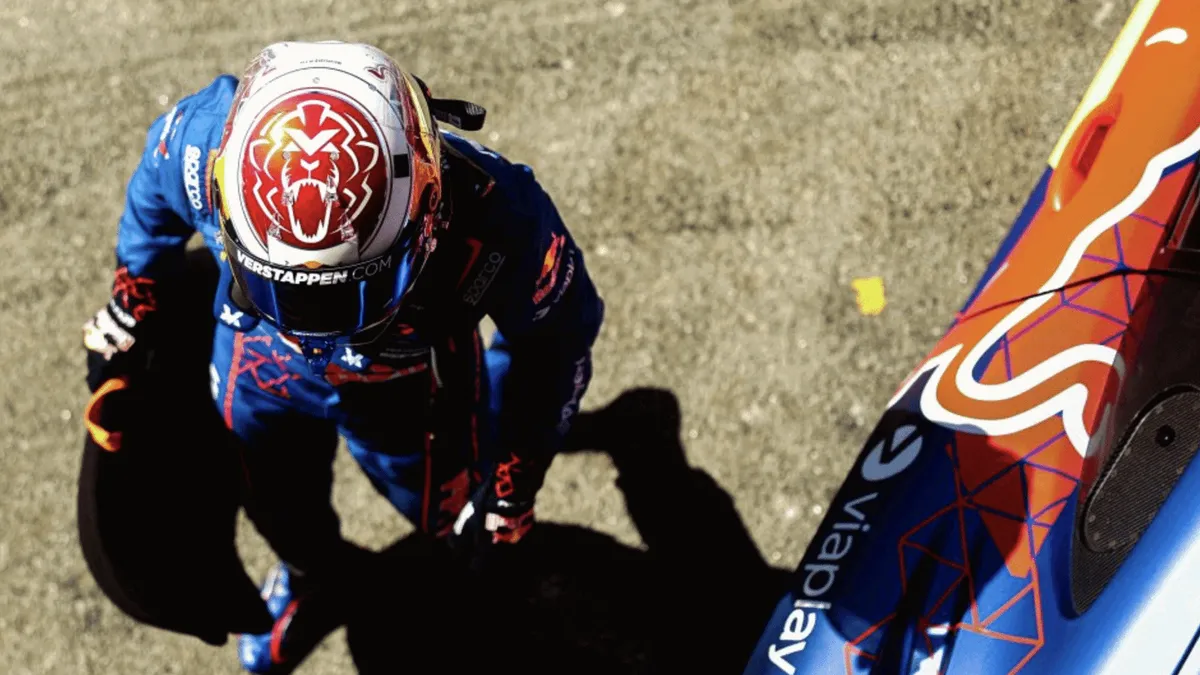
Simak analisis lengkap debut Max Verstappen di GT World Challenge Europe Portimao. Baca laporan kualifikasi selengkapnya di sini.

Mantan juara dunia F1 Nico Rosberg gandeng CYBEX sebaga duta keselamatan anak. Simak analisis lengkap, update produk S-Line, dan jadwal terkini di sini.
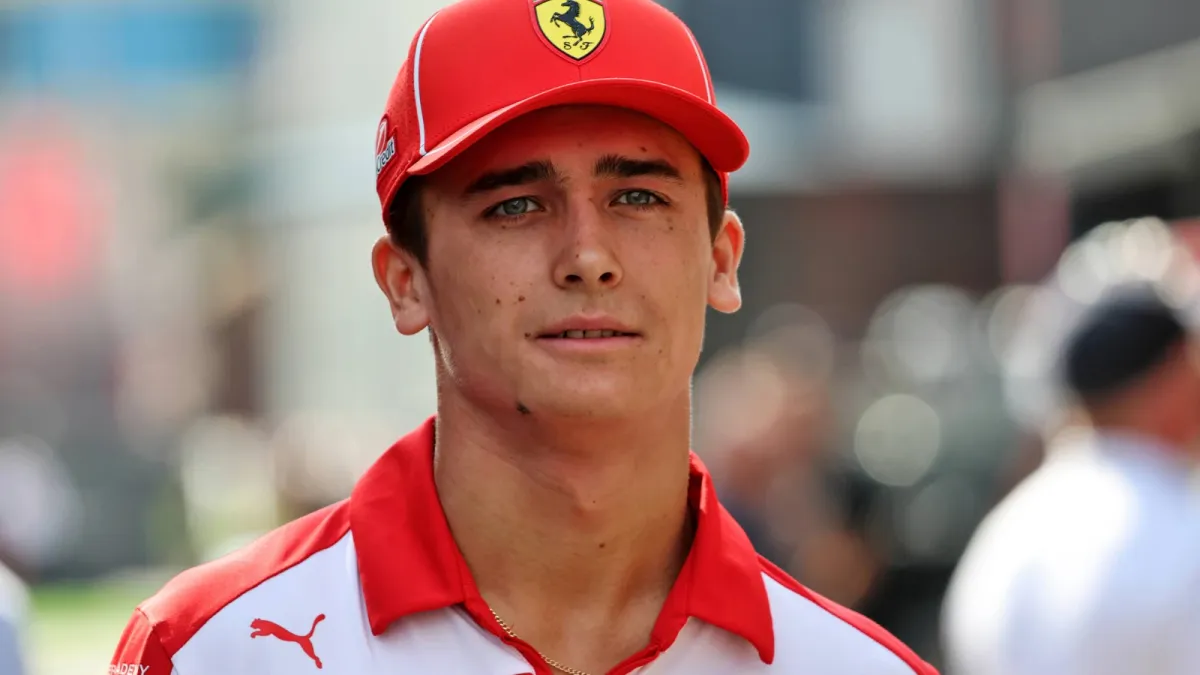
Simak analisis lengkap penunjukan Dino Beganovic sebagai pembalap cadangan Ferrari F1 2027. Baca detail perjalanan kariernya di sini!
 Continue with Google
Discussion (0)
Join the Discussion!
Sign in easily to start commenting, replying, and interacting with other readers.
Latest Comments
No comments yet. Be the first!