






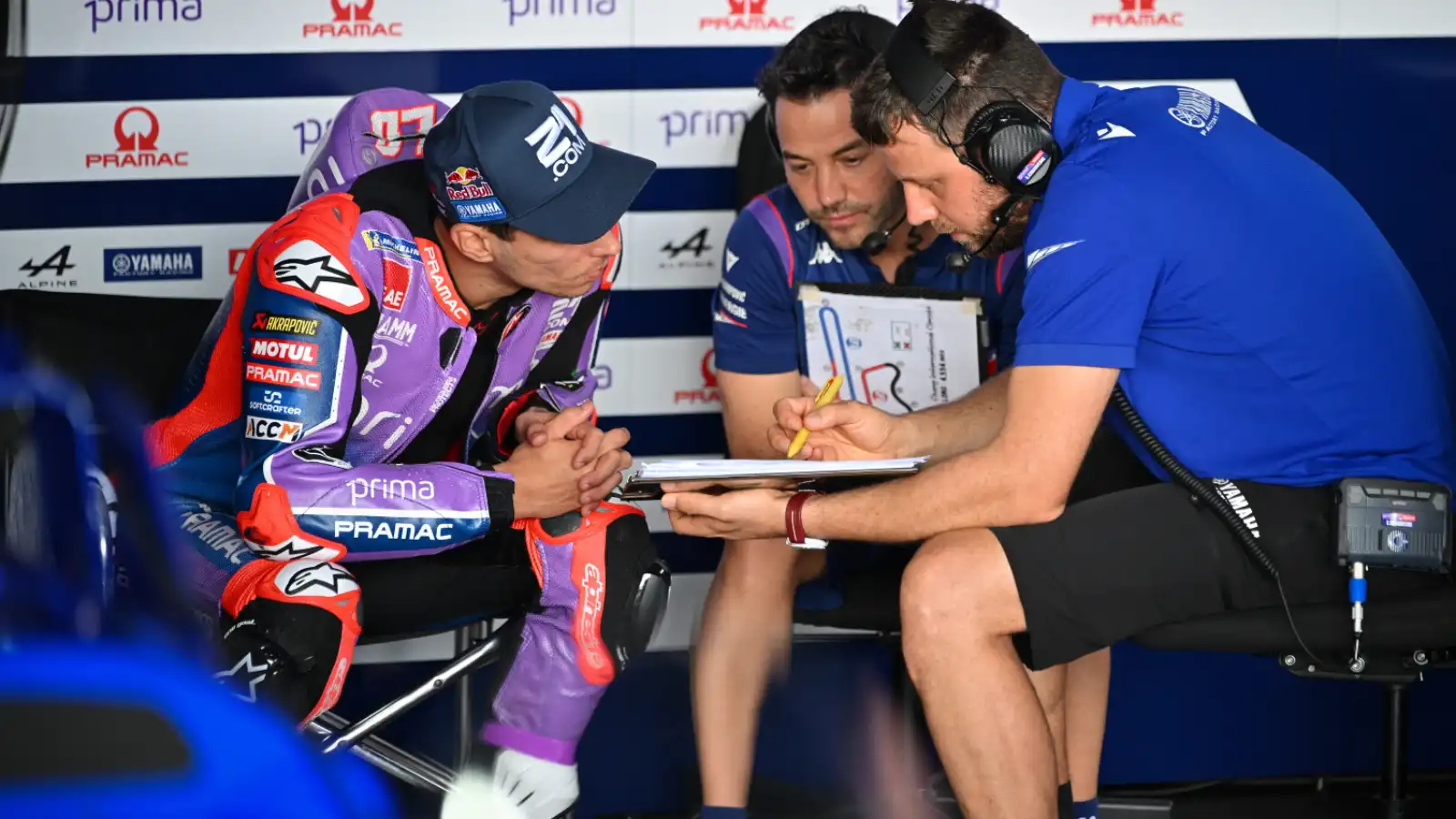

MotoGP, Sportrik Media - Toprak Razgatlioglu showed encouraging race pace on his MotoGP debut in Thailand, but Yamaha’s new V4 package remains a step behind its rivals in overall competitiveness and rear grip performance.
The reigning WorldSBK champion endured a difficult first weekend in the premier class, crashing in the Sprint before finishing 20th and crossing the line 17th in Sunday’s grand prix. However, the raw lap-time data tells a more nuanced story. Razgatlioglu was at times the fastest Yamaha rider on track, matching the pace of his more experienced M1 team-mates through much of both races.
In the grand prix, the Turkish rider remained closely grouped with factory duo Fabio Quartararo and Alex Rins until lap 20 of 26. At that point, the trajectories of the four Yamaha riders diverged sharply. Quartararo and Rins managed to maintain relatively stable lap times, finishing 14th and 15th respectively, while Razgatlioglu and Jack Miller suffered severe late-race drop-off due to excessive rear wheelspin from heavily worn tyres.
“It was my first full race in MotoGP and, of course, I was hoping for a better result,” Razgatlioglu admitted. “We had clear issues with rear grip as the race went on. I’m not blaming anyone — I still have a lot to learn, and Yamaha is working hard to improve the package.”
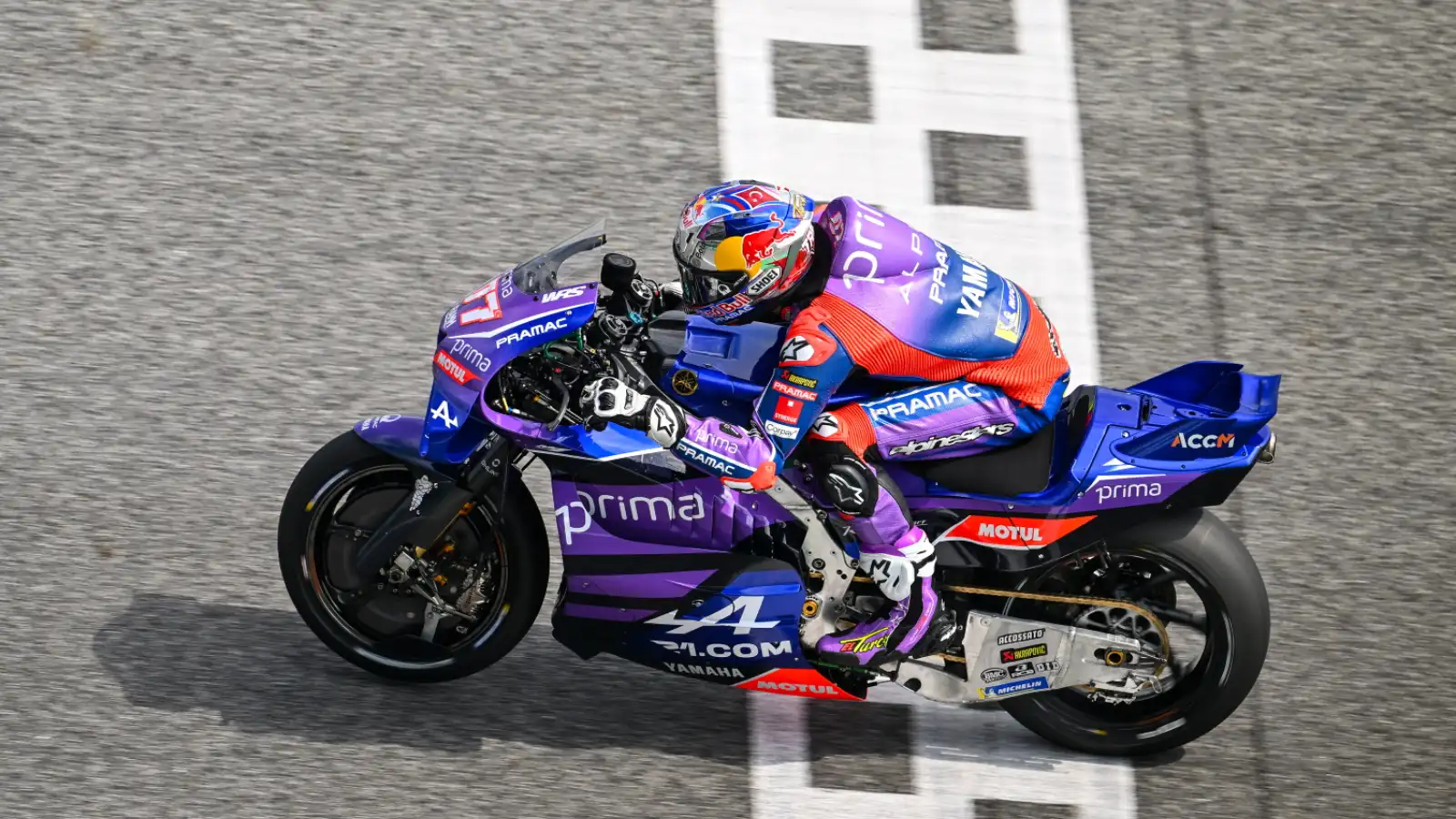
Performance analysis underlines the scale of Yamaha’s deficit. In the 2026 Thai Sprint, the leading M1 lost an average of just over one second per lap to the race winner. In the grand prix, the gap extended to approximately 1.18 seconds per lap compared to Marco Bezzecchi’s winning Aprilia. By contrast, in 2025 the previous Inline4 Yamaha machine averaged a smaller deficit over race distance.
A direct comparison between 2025 Inline4 race times and the 2026 V4 shows a clear regression in total race performance at Buriram. The fastest Yamaha in the 2025 Thai Grand Prix completed the race in 39m59.559s, while the best 2026 V4 time was 40m07.093s. A similar pattern was observed in the Sprint.
Qualifying further exposed the gap. In 2025, Yamaha riders were within roughly three-tenths of pole position. In 2026, the closest V4 was over one second adrift of pole, with Razgatlioglu more than 1.5 seconds off the benchmark time set by Bezzecchi. Rear grip limitations and engine performance appear to be the primary constraints, particularly when extracting maximum performance on new Michelin tyres — an area where Razgatlioglu is still adapting.
Brand comparison data from the Thai MotoGP highlights that Yamaha’s deficit becomes more pronounced over full grand prix distance, especially with the medium rear tyre. While Quartararo avoided the dramatic late-race collapse seen by some others, the V4 consistently trailed Aprilia and KTM in sustained pace and remained unable to match Ducati’s underlying speed when operational.
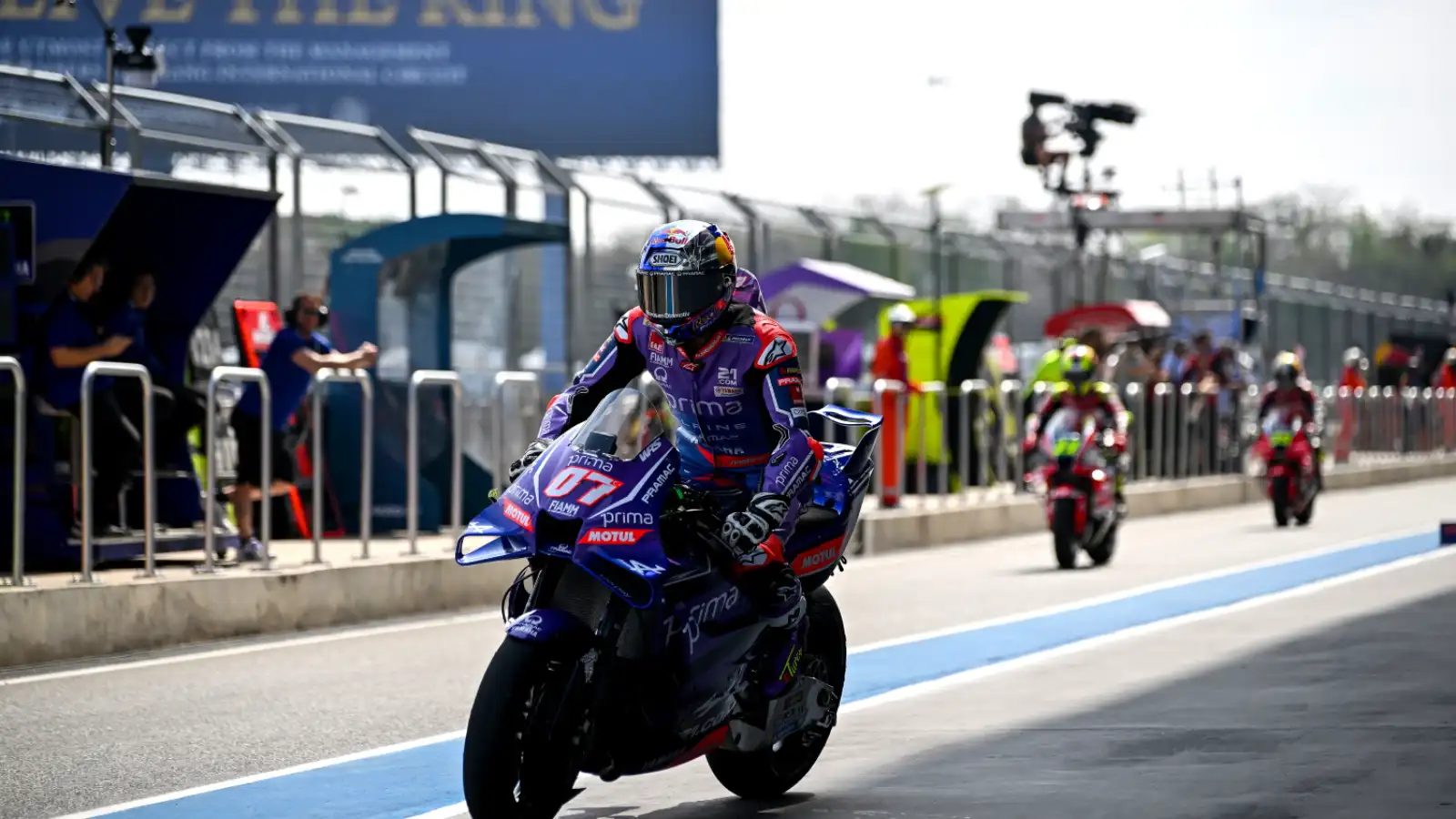
In summary, Razgatlioglu’s debut demonstrated competitive underlying pace relative to fellow Yamaha riders, narrowing the internal performance gap more quickly than expected. However, the broader picture indicates that Yamaha’s V4 project remains in a development phase, with rear traction, tyre management and outright engine performance still limiting its ability to challenge consistently at the front. The upcoming rounds will be critical in assessing how rapidly those weaknesses can be addressed in the early phase of the 2026 campaign.
| POS | FOTO | RIDER / TEAM | PTS |
|---|---|---|---|
|
1
|
|
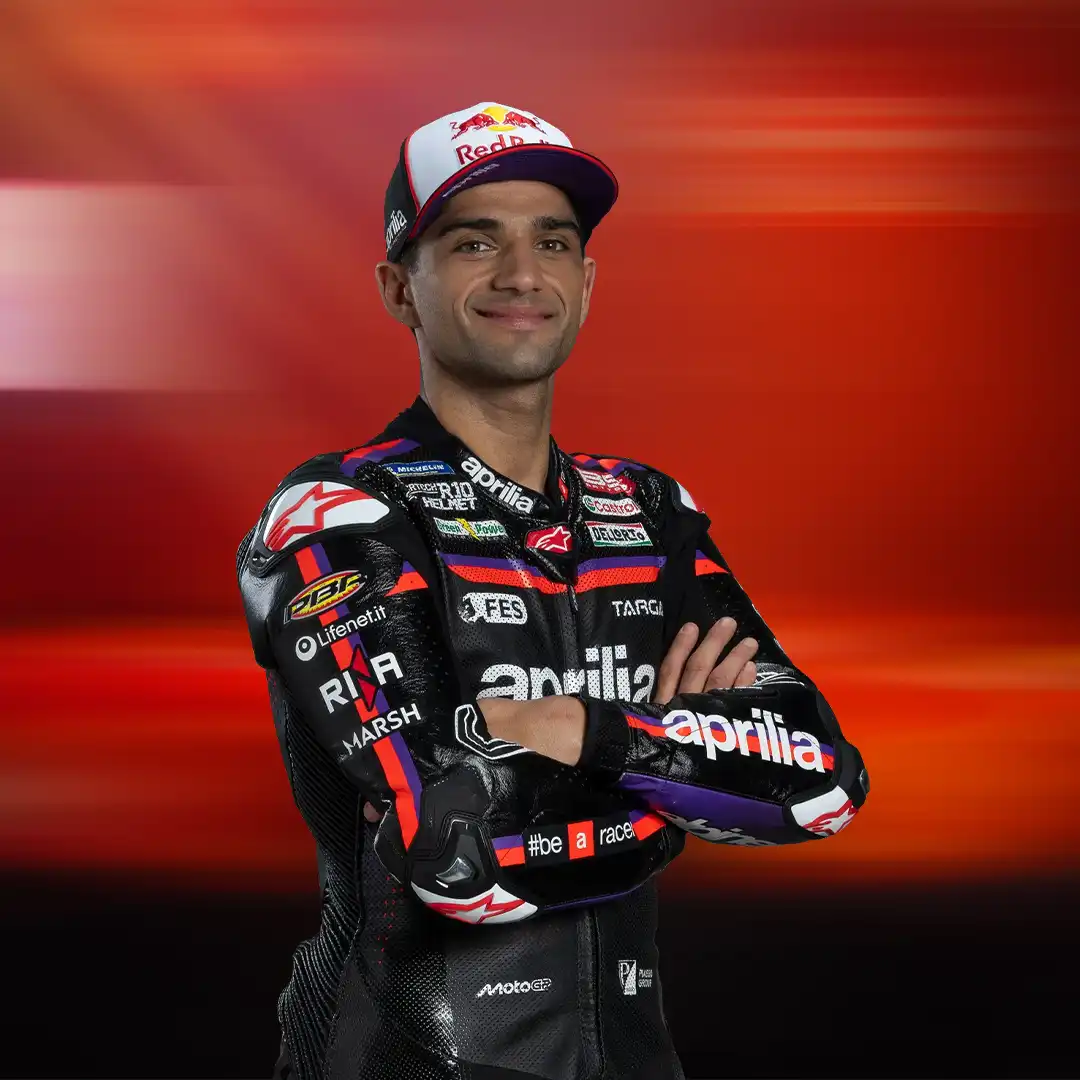
Jorge Martin
Aprilia Racing
|
355 |
|
2
|
|
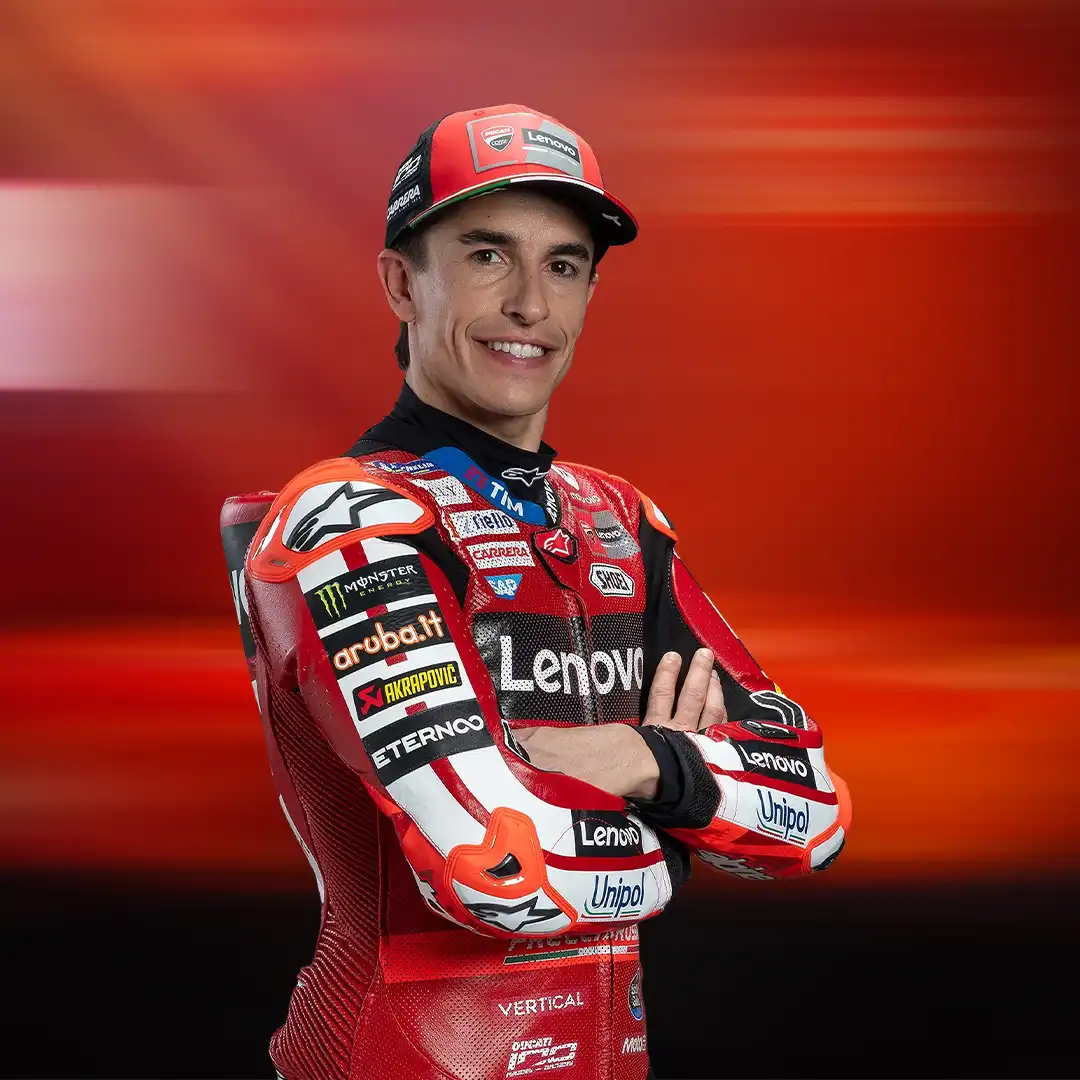
Marc Marquez
Ducati Lenovo Team
|
353 |
|
3
|
|
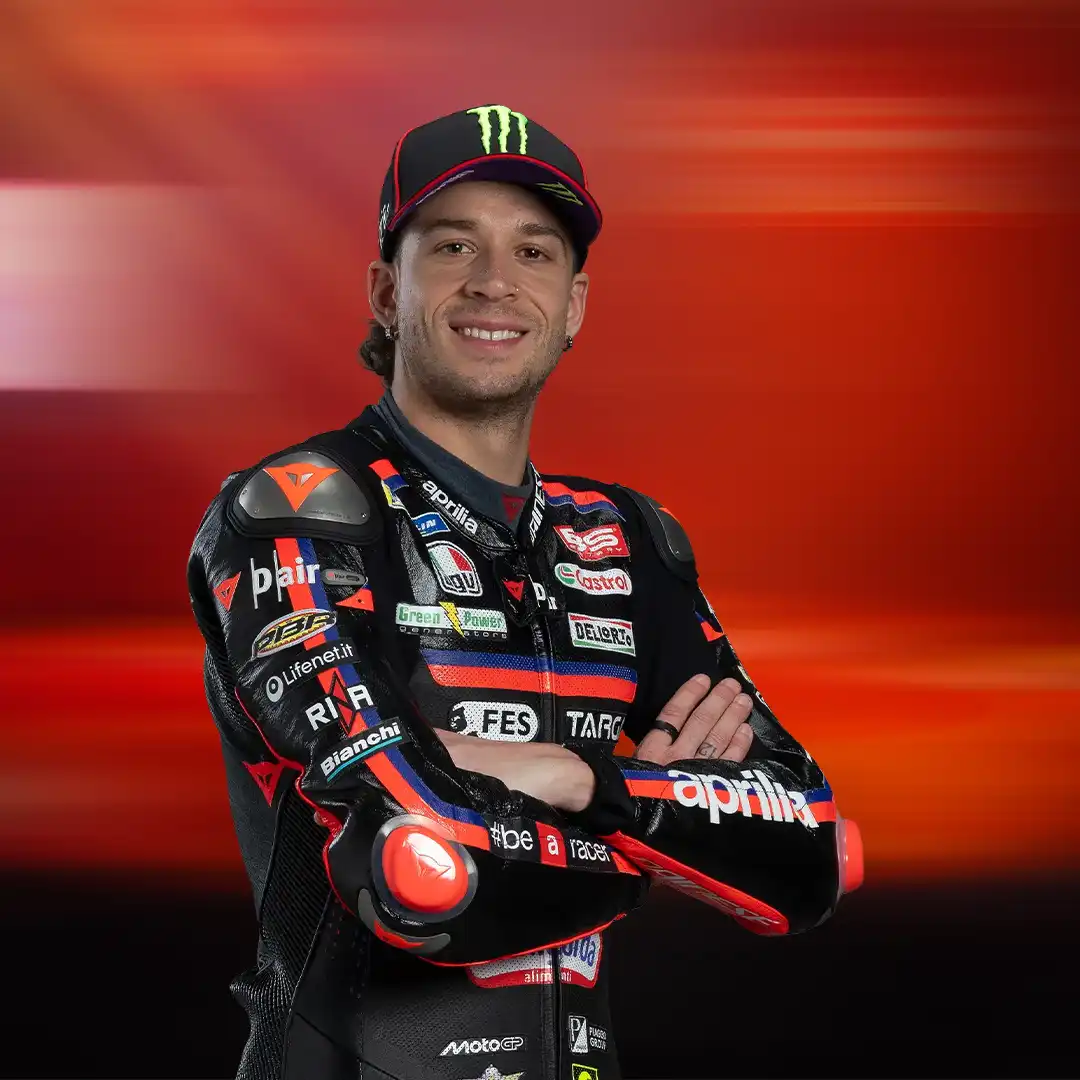
Marco Bezzecchi
Aprilia Racing
|
309 |
|
4
|
|
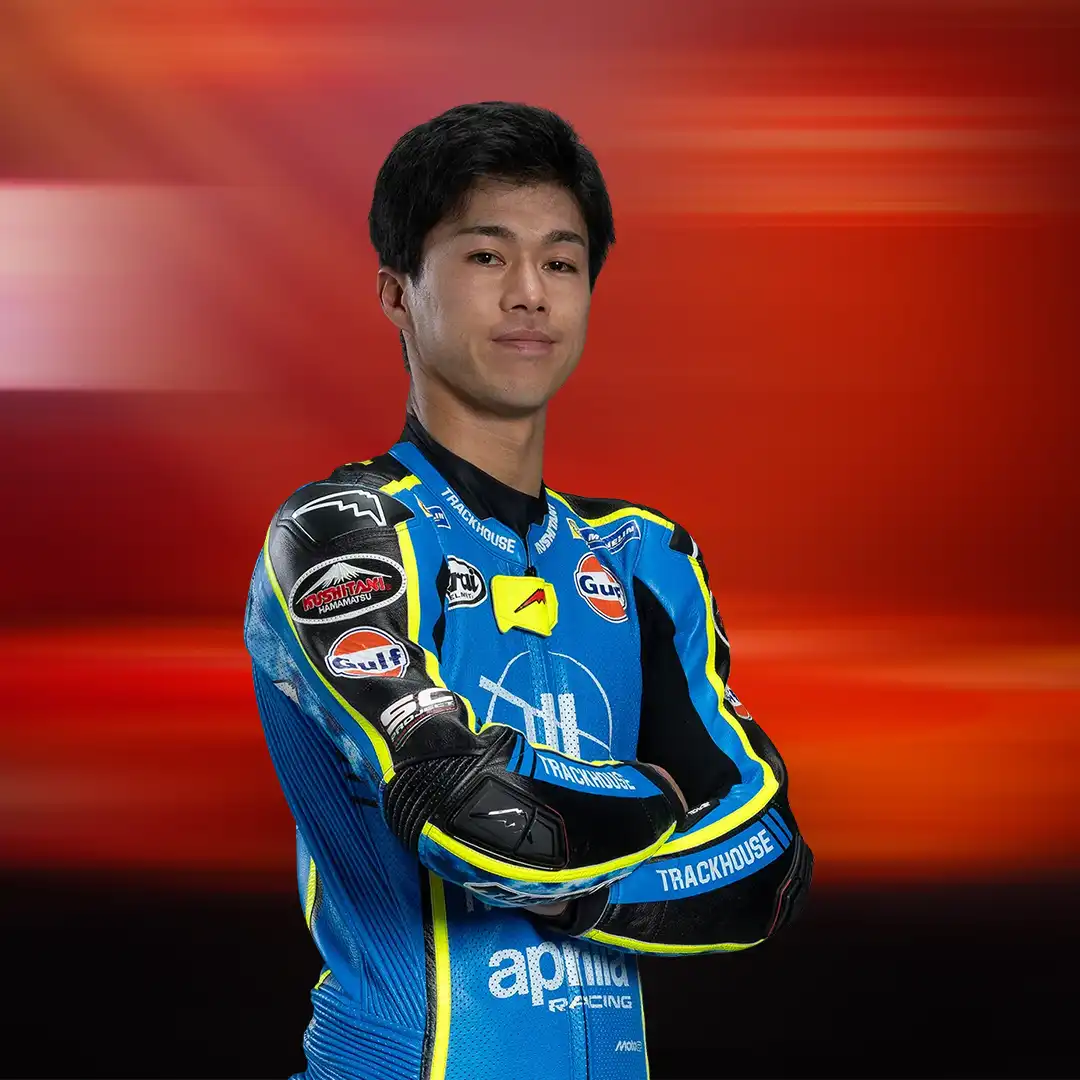
Ai Ogura
SuperFile Trackhouse MotoGP Team
|
259 |
|
5
|
|
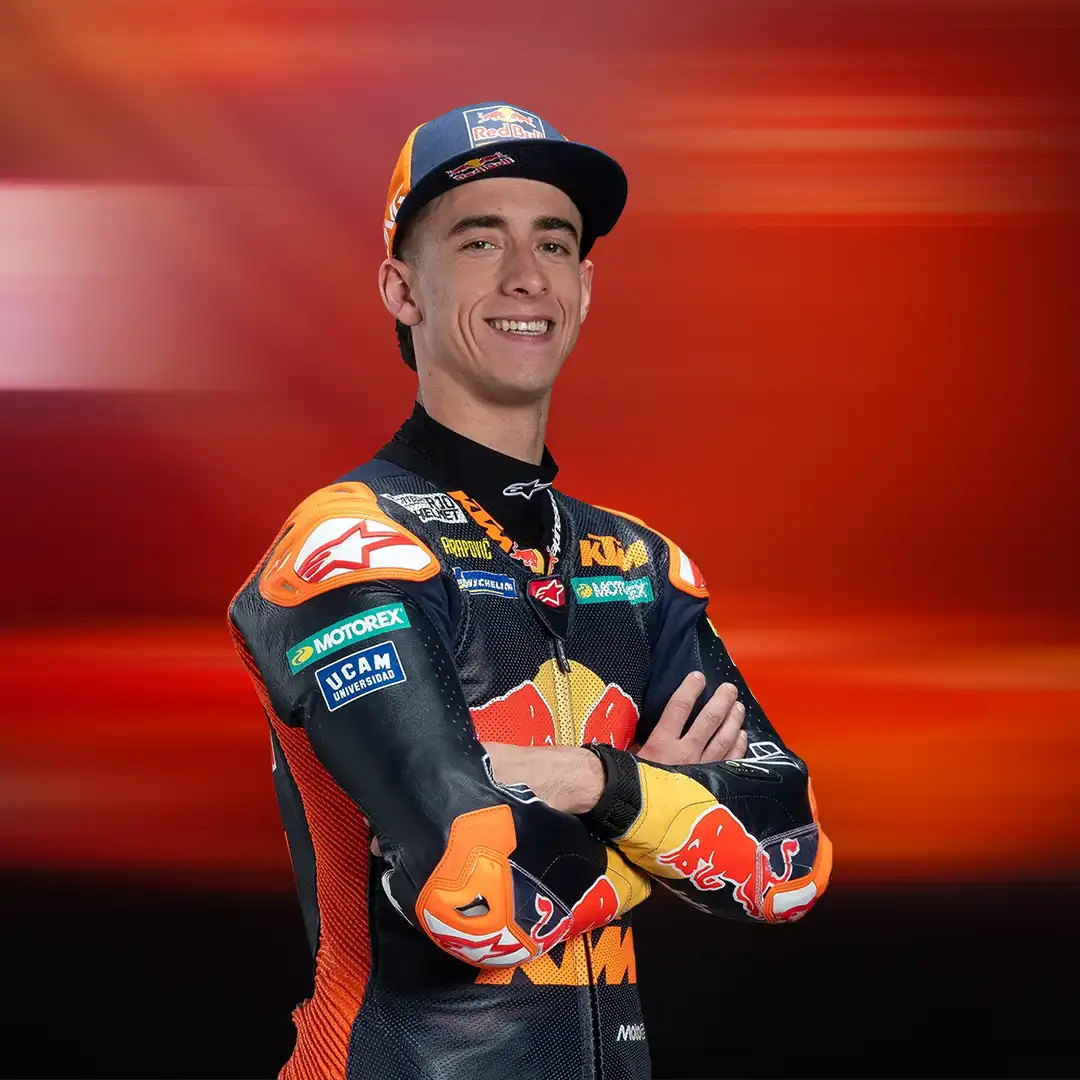
Pedro Acosta
Red Bull KTM Factory Racing
|
258 |
|
6
|
|
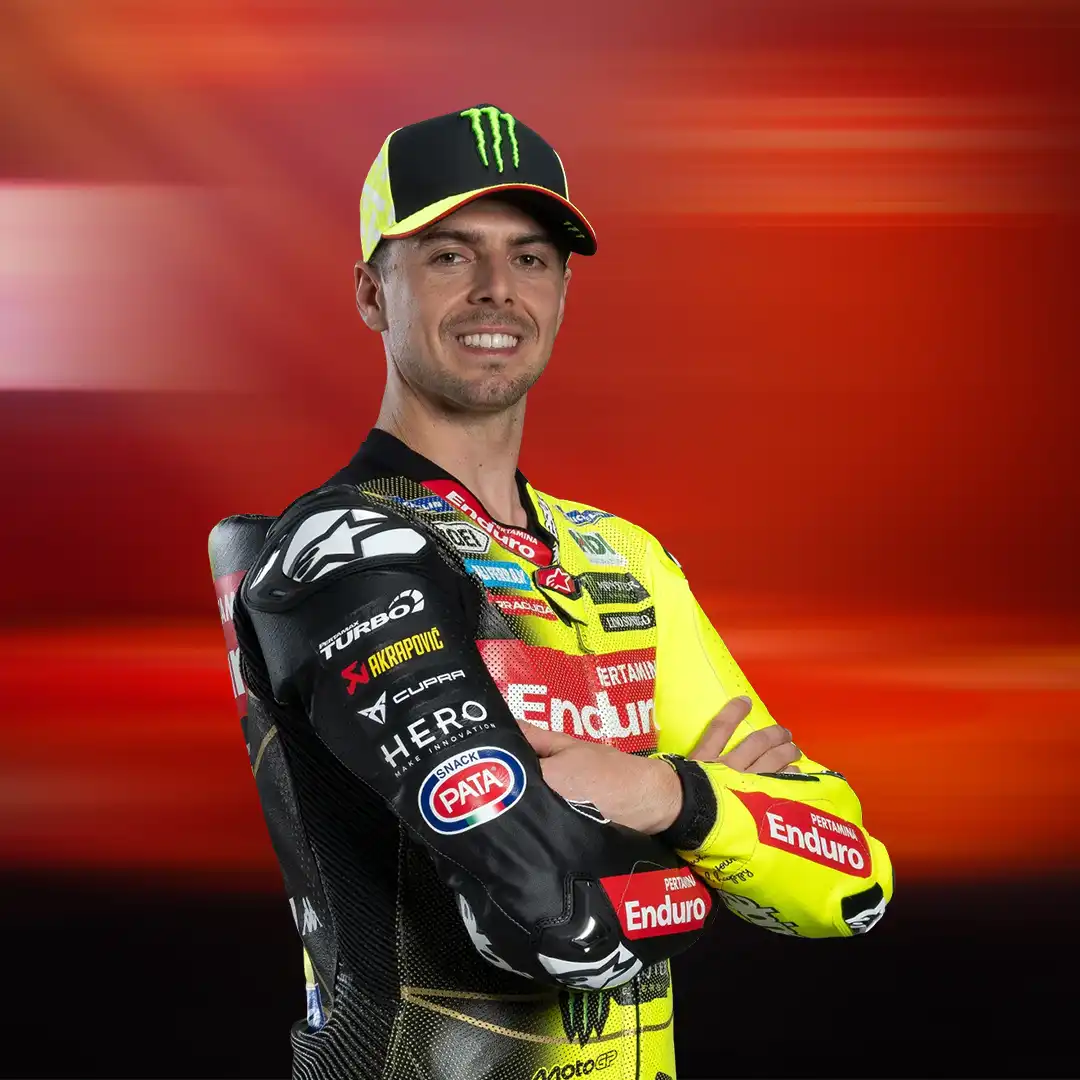
Fabio Di Giannantonio
Pertamina Enduro VR46 Racing Team
|
245 |
|
7
|
|
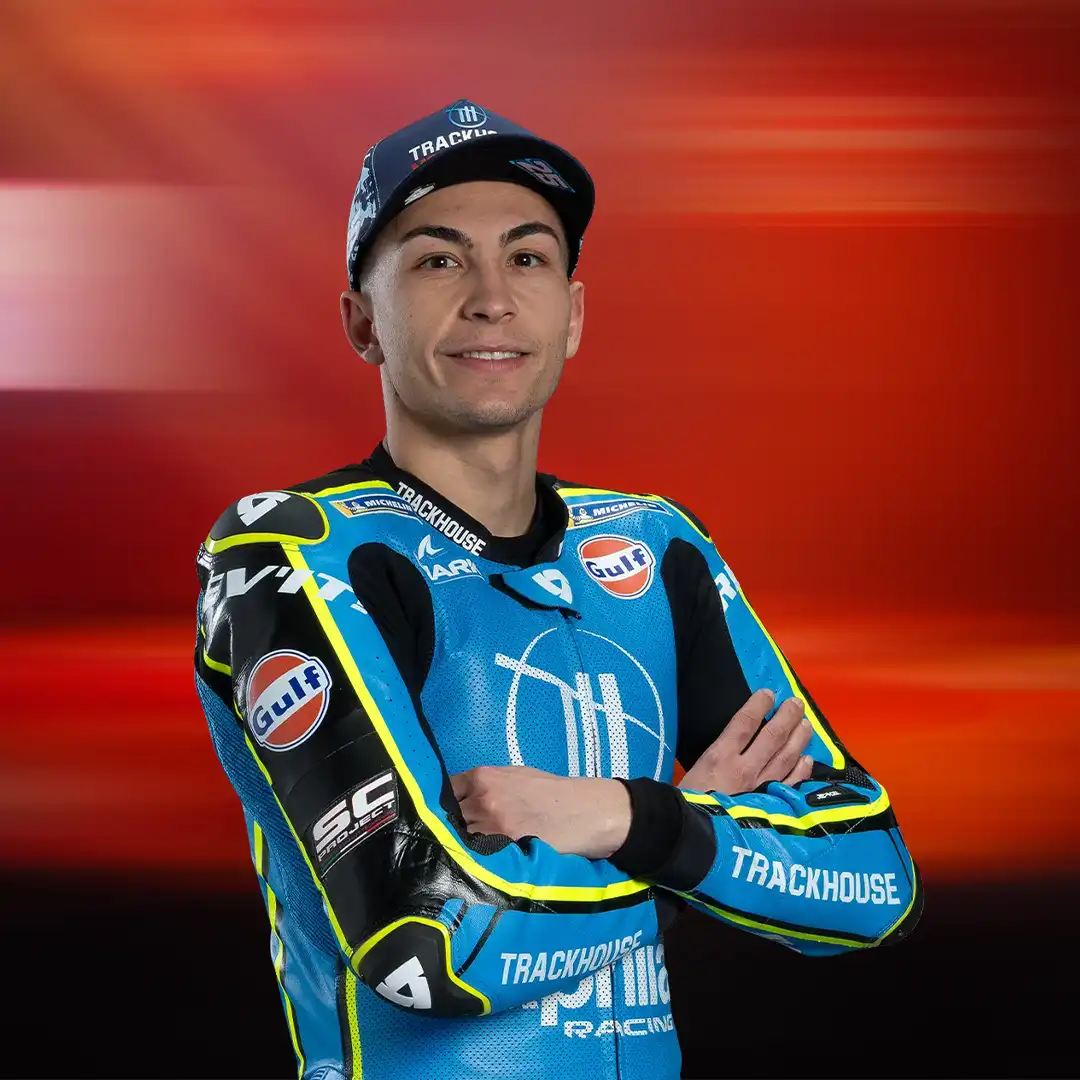
Raul Fernandez
SuperFile Trackhouse MotoGP Team
|
236 |
|
8
|
|
Alex Marquez
BK8 Gresini Racing MotoGP
|
172 |
|
9
|
|
Francesco Bagnaia
Ducati Lenovo Team
|
166 |
|
10
|
|
Fermin Aldeguer
BK8 Gresini Racing MotoGP
|
125 |
| POS | FOTO | CONSTRUCTOR | PTS |
|---|---|---|---|
|
1
|

|
Ducati
|
481 |
|
2
|

|
Aprilia
|
478 |
|
3
|
|
KTM
|
300 |
|
4
|
|
Honda
|
161 |
|
5
|

|
Yamaha
|
90 |
Read Also
Maria Herrera siap kunci gelar juara dunia WorldWCR 2024 di Jerez. Simak analisis lengkap, perjuangan atasi cedera, dan jadwal penentuan di sini.
Davide Tardozzi bantah rumor Maverick Vinales jadi test rider Ducati MotoGP 2027. Simak analisis lengkap dan berita terkini di sini.
GP Qatar 2026 terancam batal akibat eskalasi konflik Timur Tengah dan serangan rudal dekat sirkuit. Baca analisis mendalam situasi keamanan di sini.
 Continue with Google
Discussion (0)
Join the Discussion!
Sign in easily to start commenting, replying, and interacting with other readers.
Latest Comments
No comments yet. Be the first!