







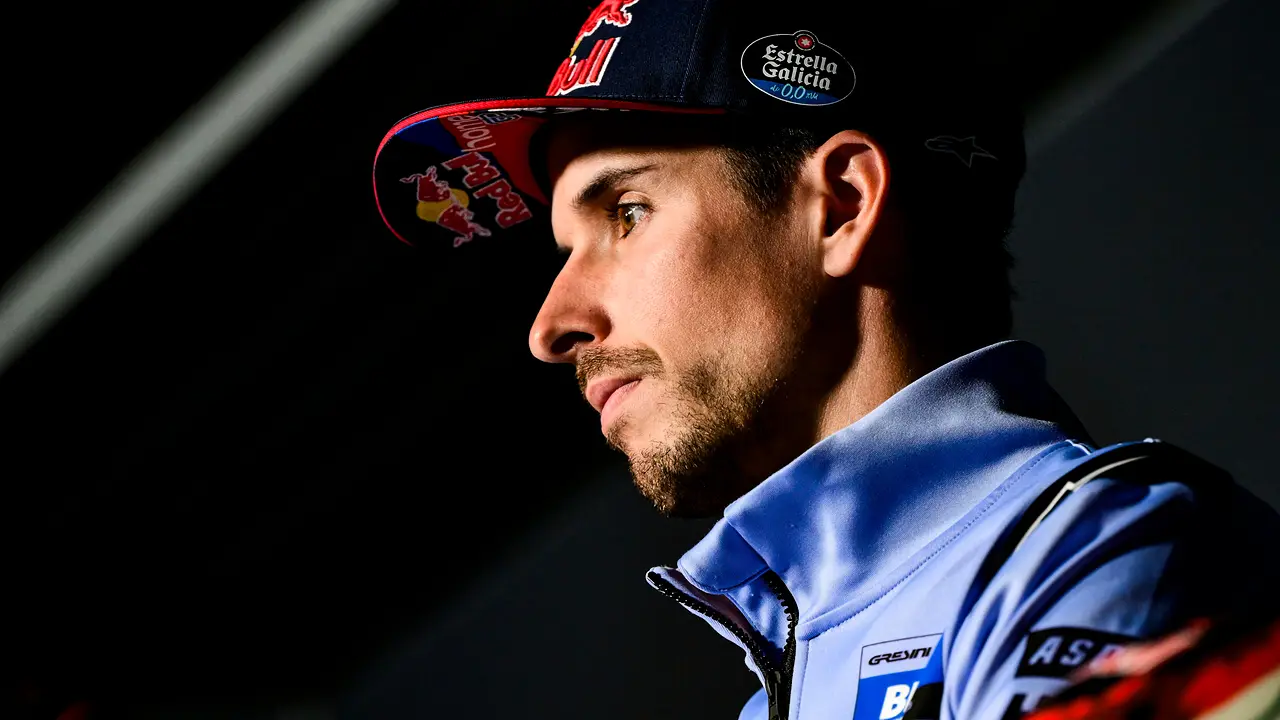

MotoGP, Sportrik Media - Alex Marquez is ready to return to a MotoGP motorcycle at the 2026 Czech Grand Prix after being cleared to participate in FP1 at Brno. The Gresini Racing rider has not competed since his Catalunya accident one month ago, while his physical condition will be reassessed after Friday morning’s session before he decides whether to complete the entire weekend.
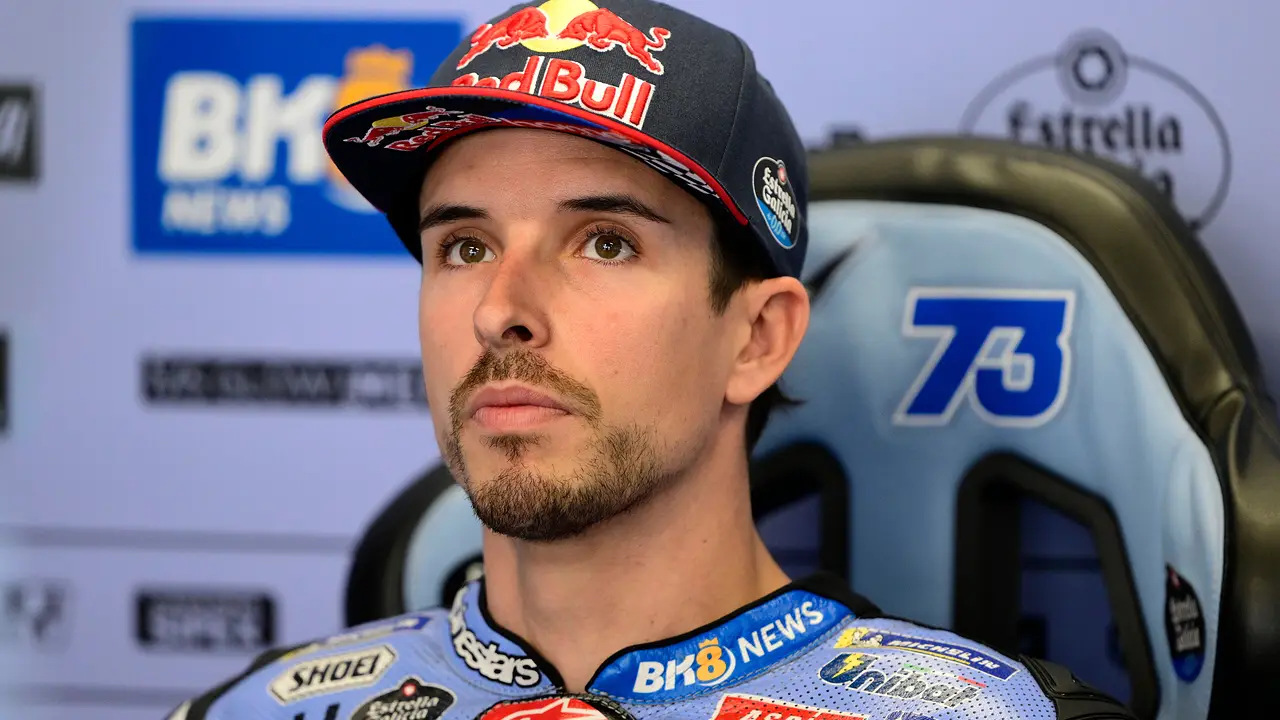
Marquez suffered a fractured right collarbone and an injury to the C7 vertebra after making contact with the rear of Pedro Acosta’s motorcycle during the Catalunya race. Acosta’s KTM suddenly lost speed because of a technical problem while running ahead, leaving Marquez with insufficient time and space to avoid contact. He subsequently underwent surgery to stabilise a collarbone that had fractured into several pieces.
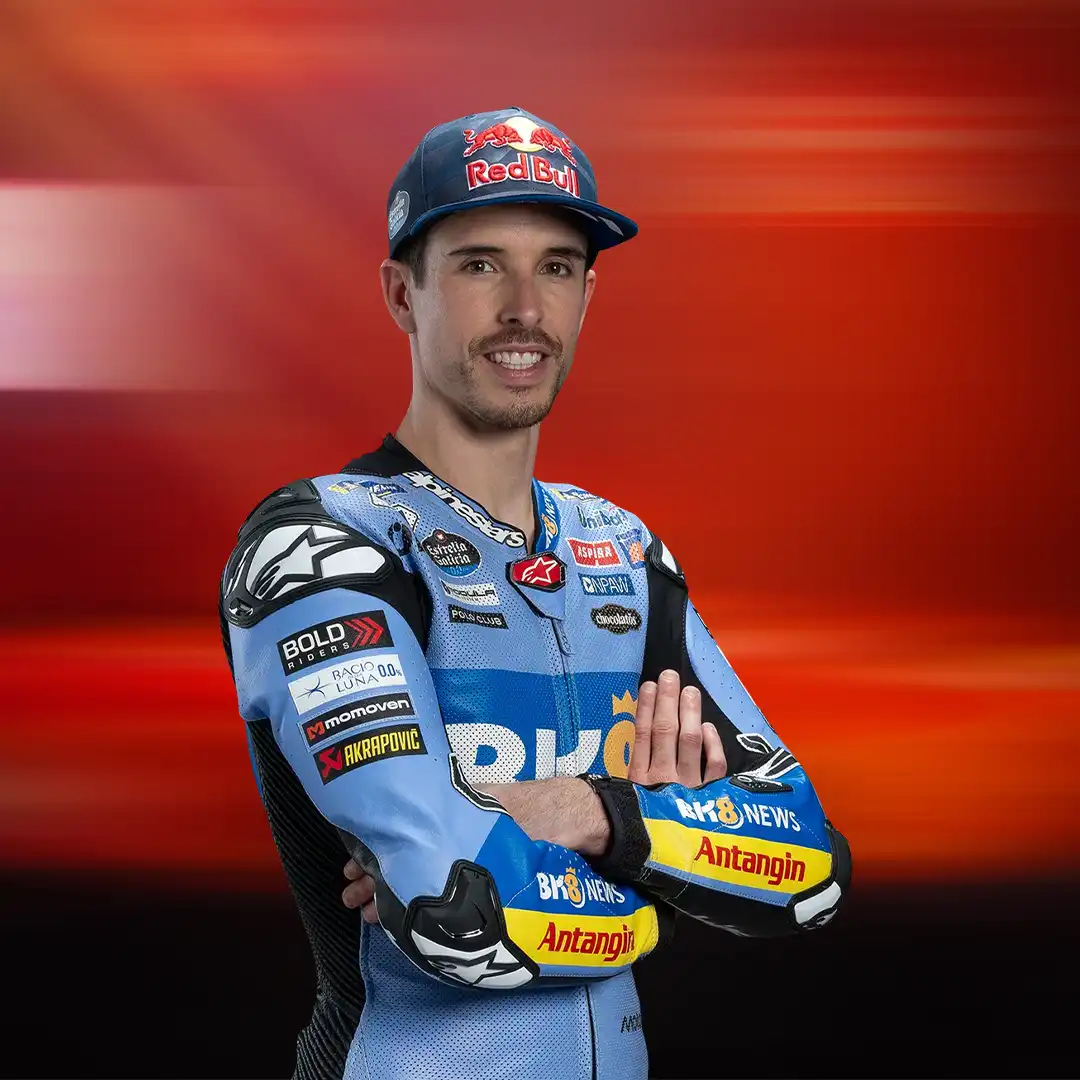
“I also want to understand my condition after FP1. For me, it was quite important on the mental side to be here, to be part of this world again, to be with the team and in the paddock,” Marquez said.
“Now, practice by practice, I need to understand my condition and decide what the gain and the risk are of continuing for the whole weekend.”
The post-FP1 assessment is important because a medical examination before the event cannot fully reproduce the physical loads generated by a MotoGP motorcycle. Brno features fast corners, substantial elevation changes and several braking zones that place considerable stress on the shoulders, neck and arms. Those forces may expose limitations that do not appear during rehabilitation or conventional physical training.
Alongside his physical recovery, Marquez rebuilt his mental readiness by directly confronting footage of the accident. He chose to watch the incident while still in hospital to understand its cause, reconstruct the sequence of events and accept that a technical failure can occur without warning during a race.
“That Sunday in the hospital, I said, ‘I want to see the crash’. Then I started to remember everything, accepted it and said, ‘It’s part of the job and part of this world’,” he explained.
Marquez believes no rider can fully anticipate a sudden loss of power from the motorcycle ahead. Mechanical components and electrical systems can fail at any time despite MotoGP machinery being developed under demanding testing and reliability standards. Accepting that factor became an important part of his process of returning to competition.
“A bike can have a problem on the mechanical side or the electrical side at any moment. It’s something we often forget. It is part of racing, and if you accept it and turn the page, I think it is better,” Marquez said.
The Spanish rider remembers the complete sequence of the accident. After striking Acosta’s motorcycle, the front of his Ducati had already been damaged and the handlebar was no longer positioned correctly. That restricted his ability to steer the bike after leaving the circuit before the run-off surface caused it to lift.
Marquez hopes that section of the run-off can be smoothed to reduce the risk of a similar incident in the future. He did not blame Acosta or Red Bull KTM Factory Racing, however, because the sudden technical slowdown and the damage to his Ducati after contact made the accident extremely difficult to avoid.
“I remember everything. When I touched Pedro, I was going to the right because my front fork was already broken and my handlebar was twisted, so I was not able to apply the force needed to steer towards that side,” he said.
“Then the bike made a jump. I was quite lucky. That jump cannot be there in the future, but my bike was already heavily damaged. I think it was a crash that nobody could avoid.”
During his recovery, the medical team was more concerned about the collarbone injury than the small vertebra fracture. Marquez explained that the C7 injury was not considered the principal issue by doctors, while the collarbone had broken into four pieces and required a more complicated surgical procedure.
He also experienced dizziness during the first week as an aftereffect of the impact to his head. His condition then improved steadily, allowing him to travel to Brno and undergo the required medical assessment at the circuit. The decision to return remains based on his physical response rather than solely on the objective of recovering championship points.
Marquez’s absence from the previous two Grands Prix resulted in Michele Pirro and Iker Lecuona replacing him. At Brno, he is scheduled to rejoin Fermin Aldeguer, although Gresini cannot confirm his participation in Practice, qualifying, the Sprint and the Grand Prix until the FP1 reassessment has been completed.
Marquez currently sits ninth in the championship after missing two race weekends. He previously delivered Ducati’s first Grand Prix victory of the season at Jerez and won the Catalunya Sprint one day before his accident. Brno now represents the first stage of restoring his rhythm, with any decision to continue determined by the balance between his physical condition, safety and the competitive value of returning.
Baca Juga
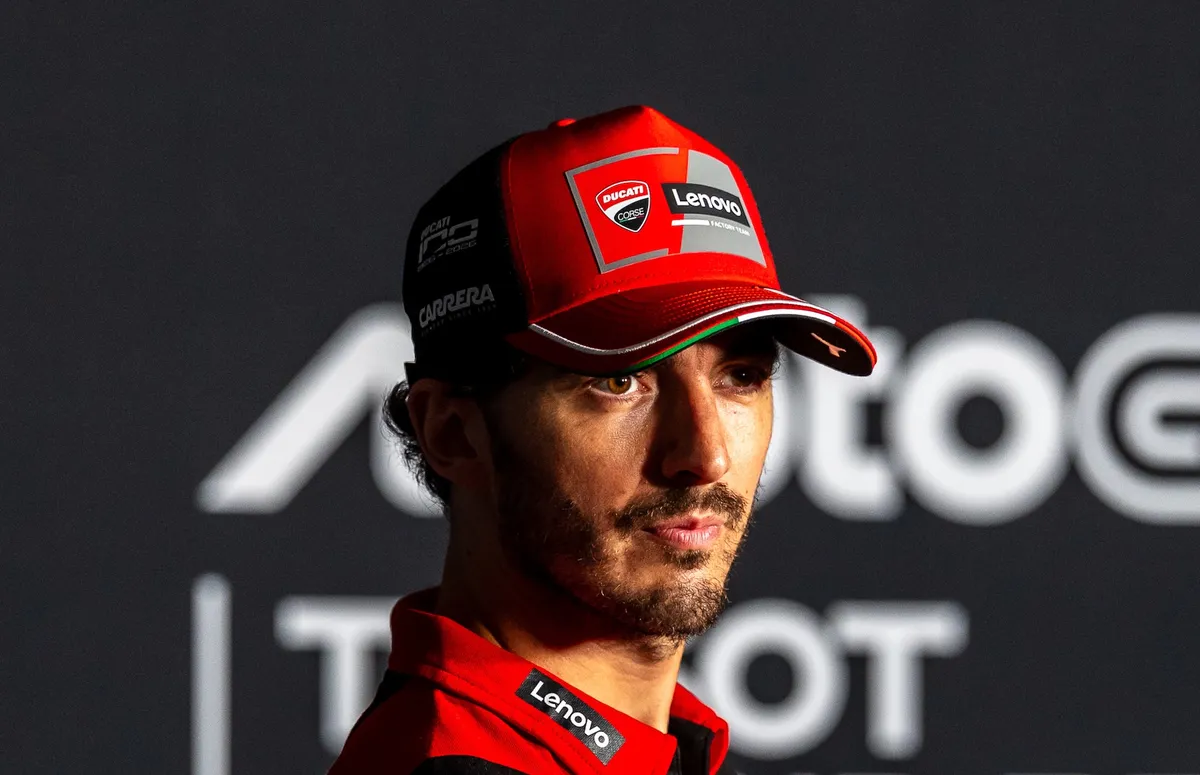
Francesco Bagnaia marah besar usai DAZN menyiarkan obrolan pribadinya dengan Fabio Di Giannantonio. Ia sebut tindakan itu tidak hormat dan minta maaf telah diterima.
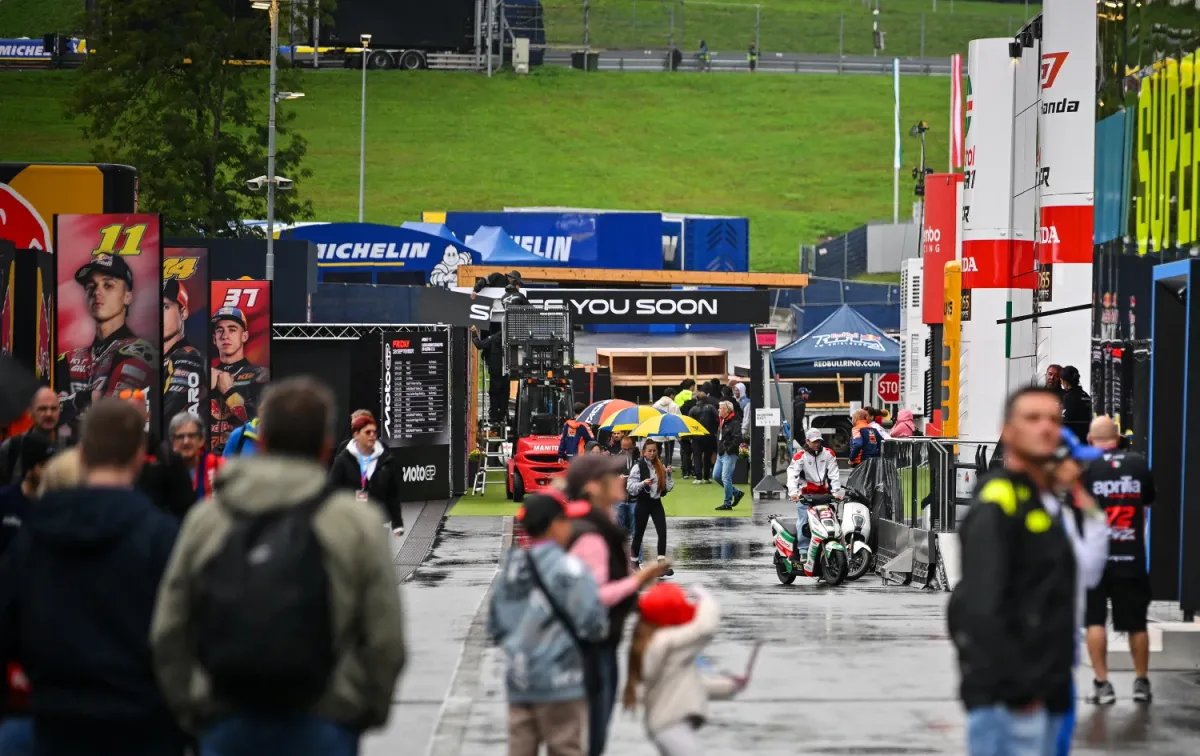
Hujan deras guyur Red Bull Ring jelang MotoGP Austria 2026. Marquez dan Martin sama-sama siap tempur di trek basah, saksikan persaingan sengit.
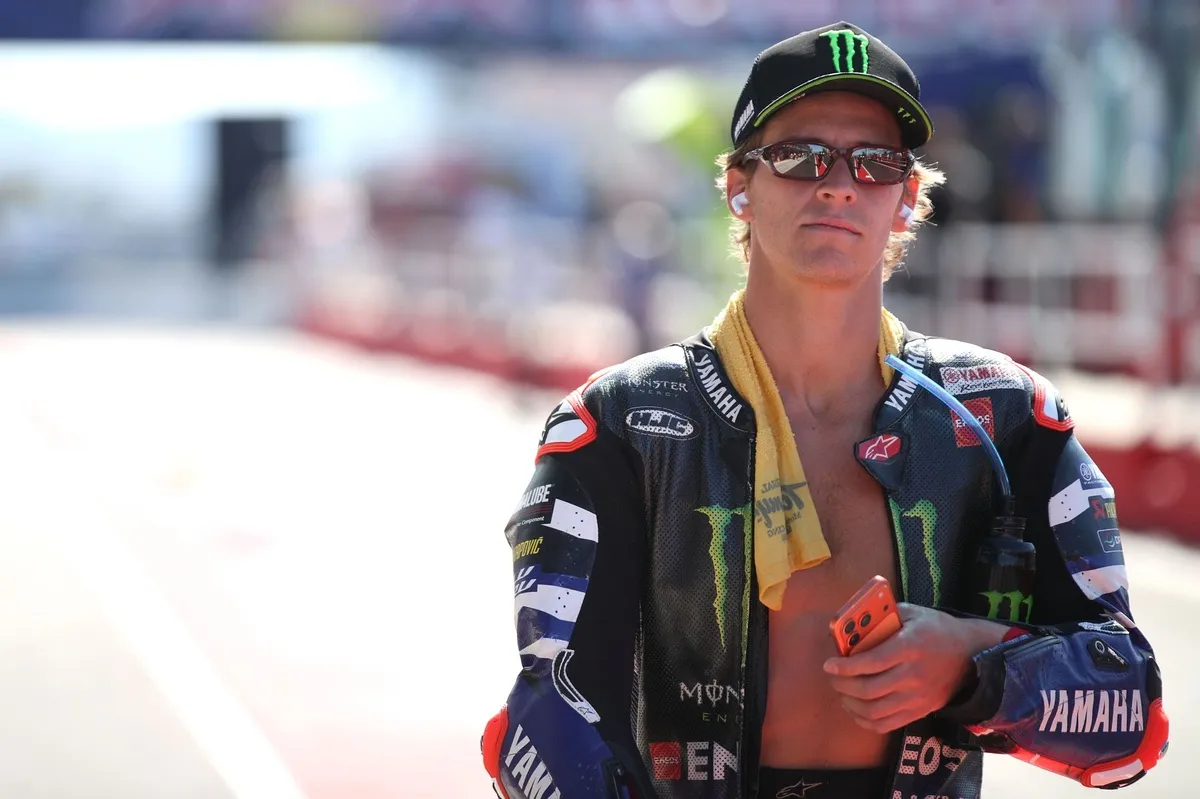
Fabio Quartararo menegaskan situasinya dengan Francesco Bagnaia tidak sama. Pembalap Yamaha itu mengaku akan murka jika berada di posisi Bagnaia yang tengah dilanda krisis performa bersama Ducati.
 Lanjutkan dengan Google
Diskusi & Komentar (0)
Mari Bergabung dalam Diskusi!
Masuk dengan mudah untuk mulai memberikan komentar, membalas, dan berinteraksi dengan pembaca lainnya.
Komentar Terbaru
Belum ada komentar. Jadilah yang pertama!