







Red Bull Racing, Ferrari, and McLaren introduced major aerodynamic upgrade packages at the 2026 Miami Grand Prix as they attempt to reduce the growing performance deficit to Mercedes. Miami became a critical turning point of the season because it marked the first event where three of Mercedes’ main rivals unveiled heavily revised aerodynamic concepts.
The developments arrived alongside Formula 1’s revised energy management regulations designed to reduce the effects of super-clipping and excessive electrical deployment losses at the end of long straights. However, beyond the engine-rule discussions, the paddock’s main technical focus quickly shifted toward the aerodynamic direction taken by each leading team.
Ferrari delivered one of the most aggressive redesigns through its updated SF-26 package, particularly around the diffuser and rear-end architecture. Alongside the introduction of the new “Macarena” rear wing featuring a movable flap, Ferrari significantly revised airflow management around the diffuser and exhaust section to improve overall downforce efficiency.
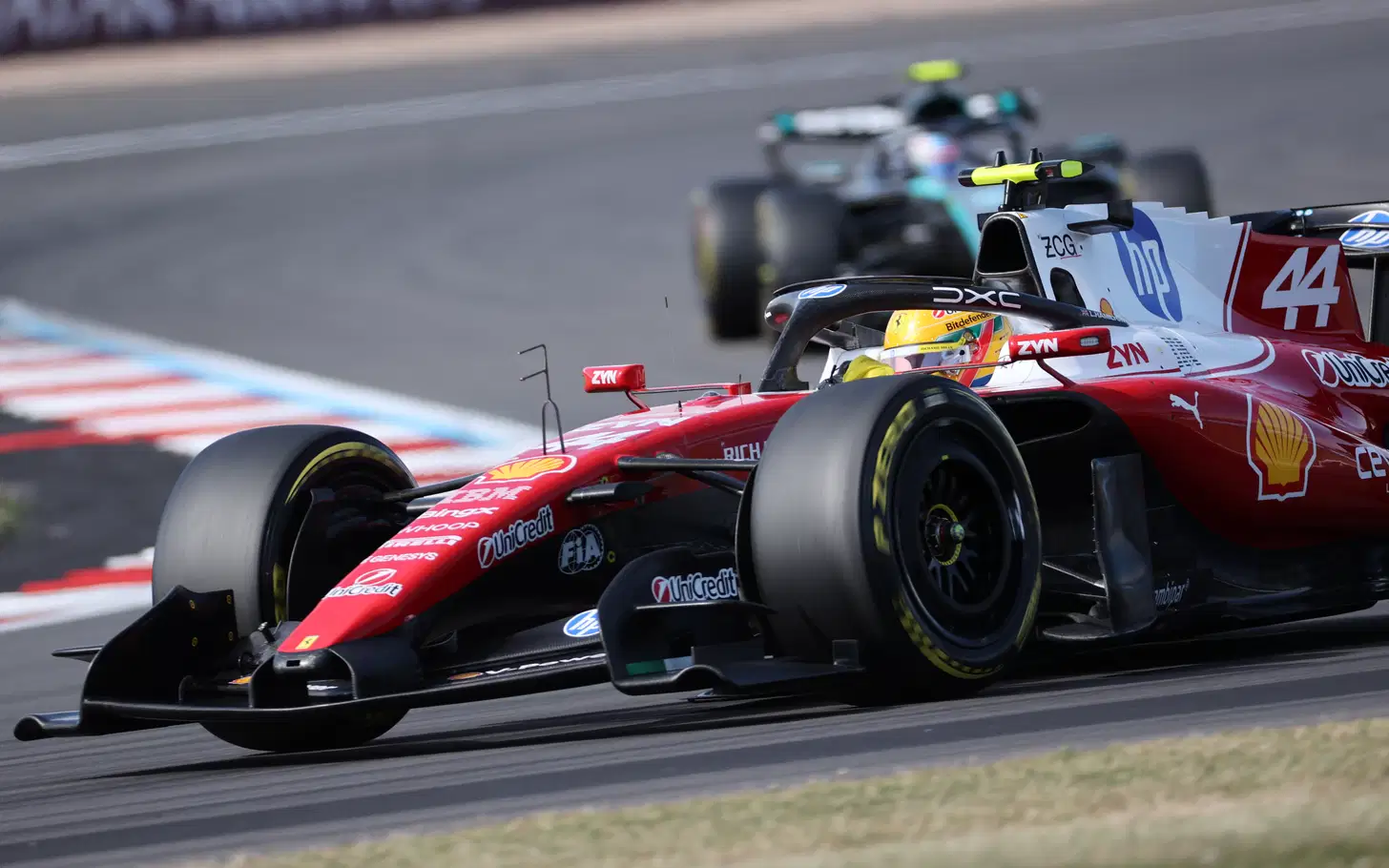
From a technical perspective, Ferrari concentrated on increasing diffuser exit airflow velocity to generate a larger low-pressure zone beneath the car. The Maranello-based squad also extended the brake duct fairings toward the rear diffuser area to enhance outwash efficiency around the rear wheels.
The concept was specifically designed to increase downforce generation without creating excessive drag. Ferrari appears focused on finding a new balance between straight-line efficiency and rear-end stability, an area that had emerged as one of the SF-26’s main weaknesses during the opening phase of the season.
Meanwhile, McLaren structured the entire MCL40 upgrade package around a revised front wing concept. The Woking-based team focused heavily on maximising active aerodynamic efficiency through more complex flap geometry and revised transitions between the wing elements and endplates.
McLaren specifically developed the flap profiles to widen the aerodynamic delta between the high-downforce and low-drag operating modes. The result not only increased aerodynamic load but also significantly improved overall balance and vehicle stability throughout the Miami weekend.
The revised front wing also directly influenced McLaren’s updated floor concept. With more controlled airflow at the front of the car, the MCL40 became more capable of maintaining underfloor stability while transitioning between active aerodynamic configurations on the straights.
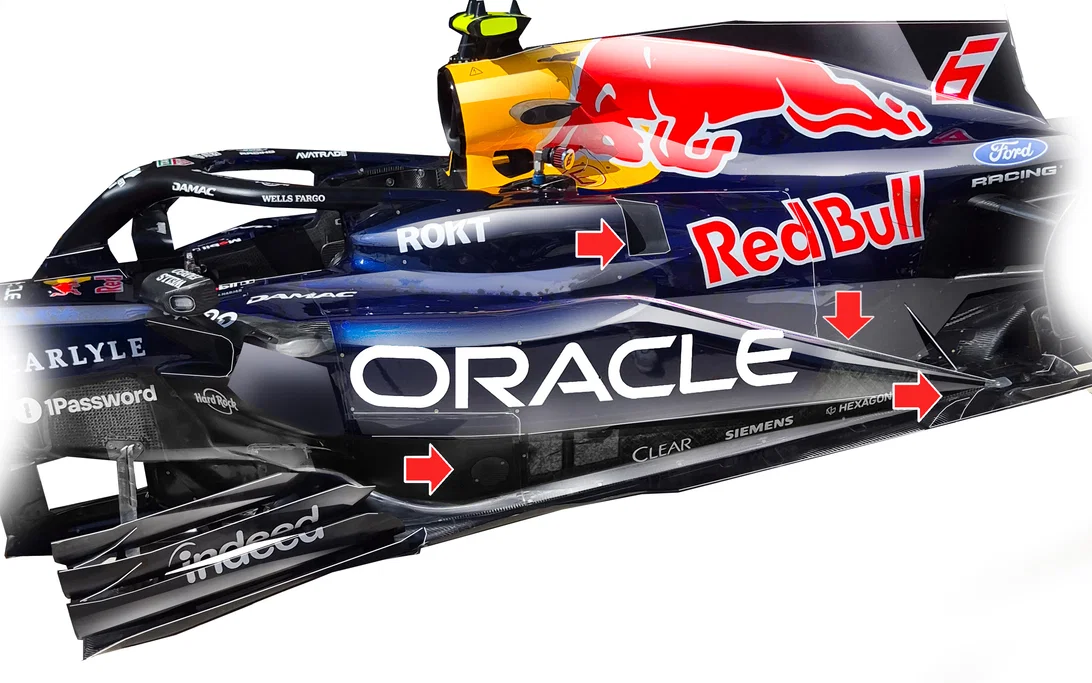
Red Bull, meanwhile, introduced a major evolution of the RB22 through a new sidepod package that effectively represented the final version of the concept first seen in Japan earlier this season. The Milton Keynes-based team focused heavily on restructuring internal airflow architecture and cooling efficiency.
Red Bull took advantage of the new Ford-supported power unit’s ability to operate at extremely high temperatures without compromising reliability. That characteristic allowed the team to significantly reduce radiator volume, giving the aerodynamic department much greater freedom in shaping airflow toward the rear of the car.
The most important development appeared in the sidepod undercut and the repositioned cooling inlet, which was moved substantially further forward. The configuration helped maintain airflow attachment along the bodywork toward the rear-end while reducing vortex generation around the rear wheels.
The RB22 also featured an aggressive rear aerodynamic concept built around advanced exhaust-blowing characteristics. The exhaust outlet was angled more steeply downward to preserve rear aerodynamic efficiency when the car switched into low-drag mode on long straights.
Although the final results in Miami did not completely alter the competitive order of Formula 1 2026, the development direction chosen by Ferrari, McLaren, and Red Bull revealed a common objective: every major Mercedes rival is now aggressively pursuing extreme aerodynamic efficiency capable of maintaining stable performance within Formula 1’s new active aero and hybrid power unit era.
Baca Juga
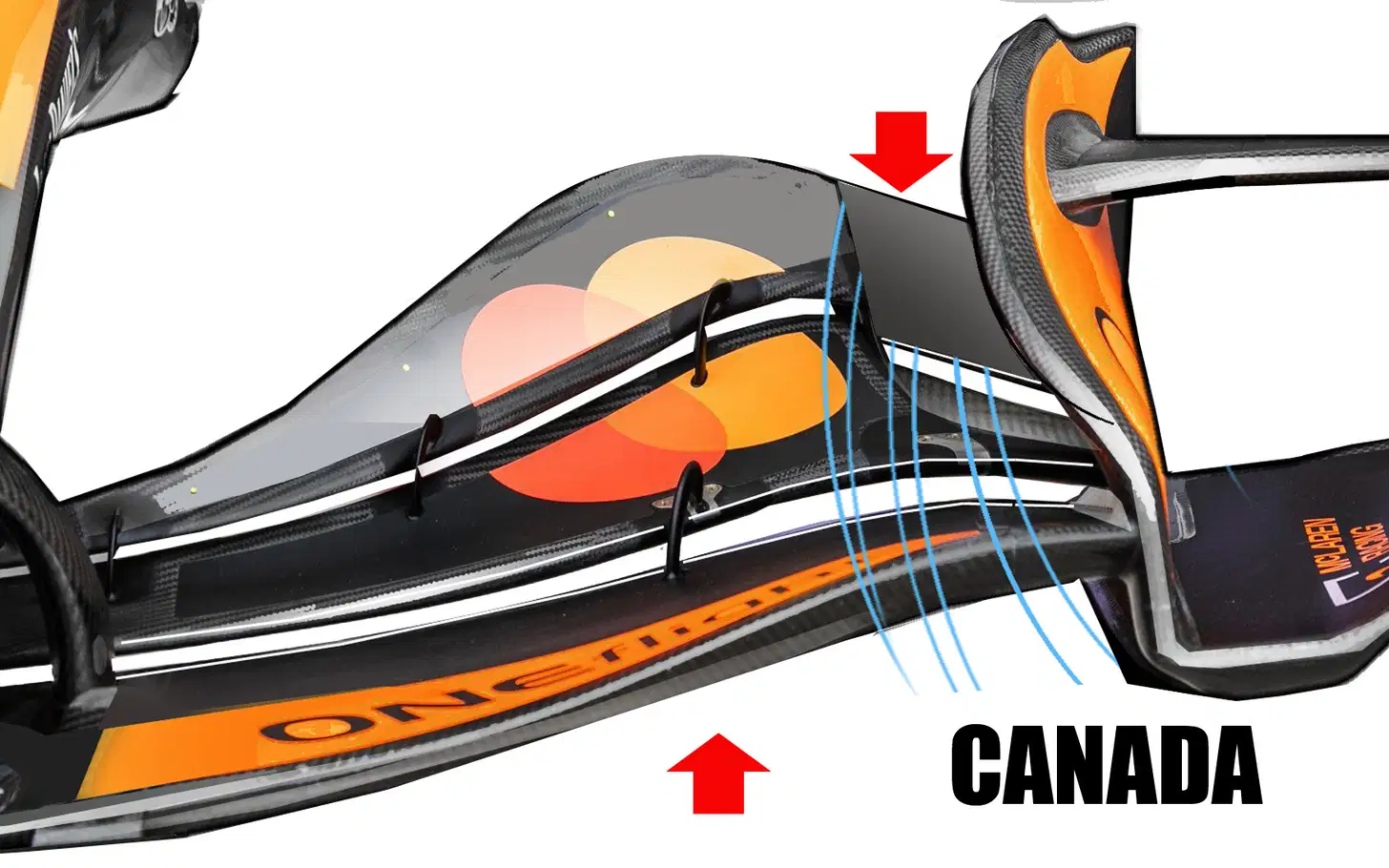
Mercedes dan McLaren membawa paket upgrade besar ke GP Kanada, memicu duel teknis yang bisa menentukan arah musim F1 2026.
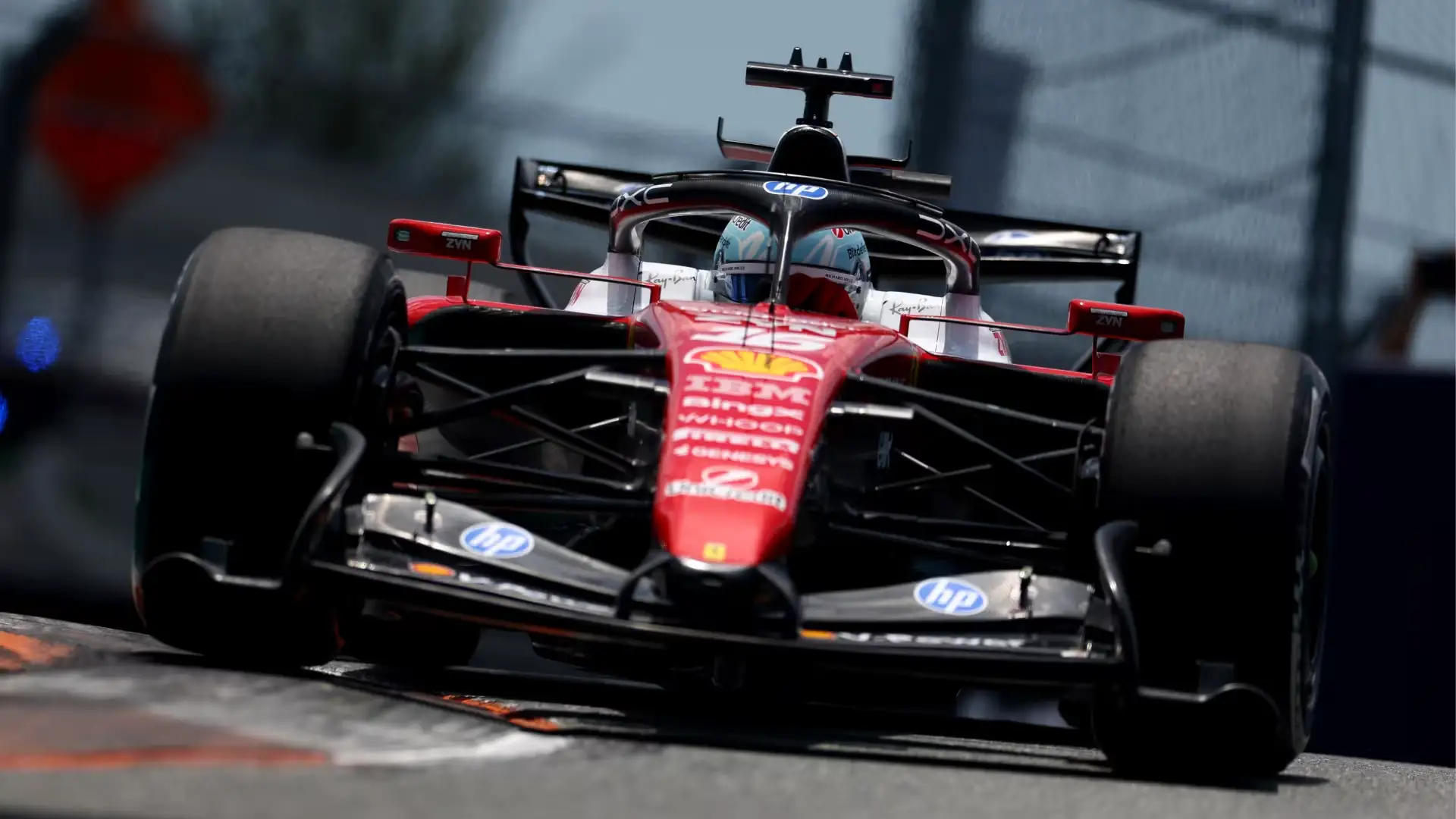
Ferrari membawa upgrade besar SF-26 dari depan hingga belakang mobil dan mulai mengancam McLaren serta Red Bull di Formula 1 2026.
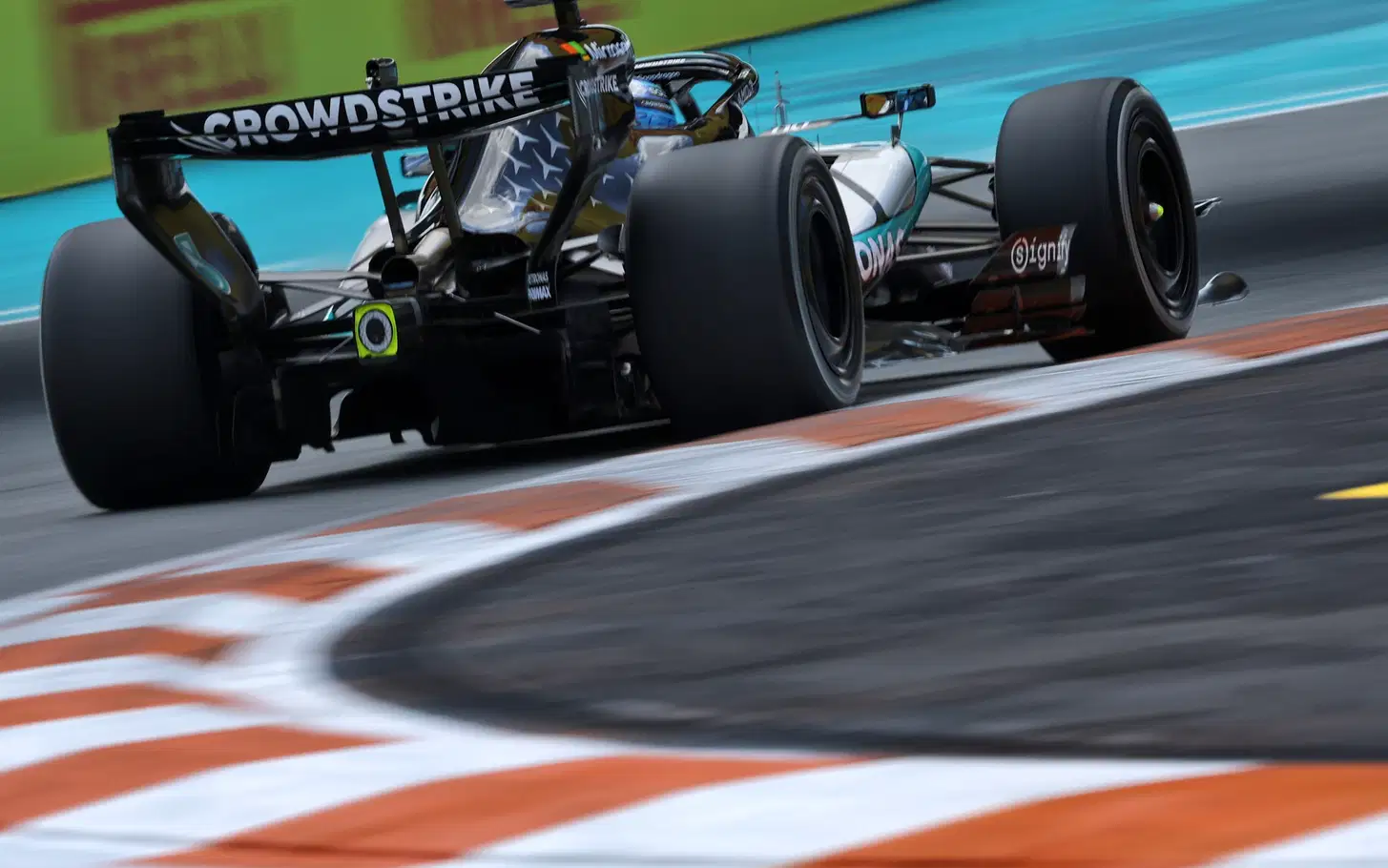
Mercedes menghadapi ujian besar di GP Kanada 2026 setelah regulasi energy management FIA berpotensi mengubah keseimbangan Formula 1.
 Lanjutkan dengan Google
Diskusi & Komentar (0)
Mari Bergabung dalam Diskusi!
Masuk dengan mudah untuk mulai memberikan komentar, membalas, dan berinteraksi dengan pembaca lainnya.
Komentar Terbaru
Belum ada komentar. Jadilah yang pertama!