






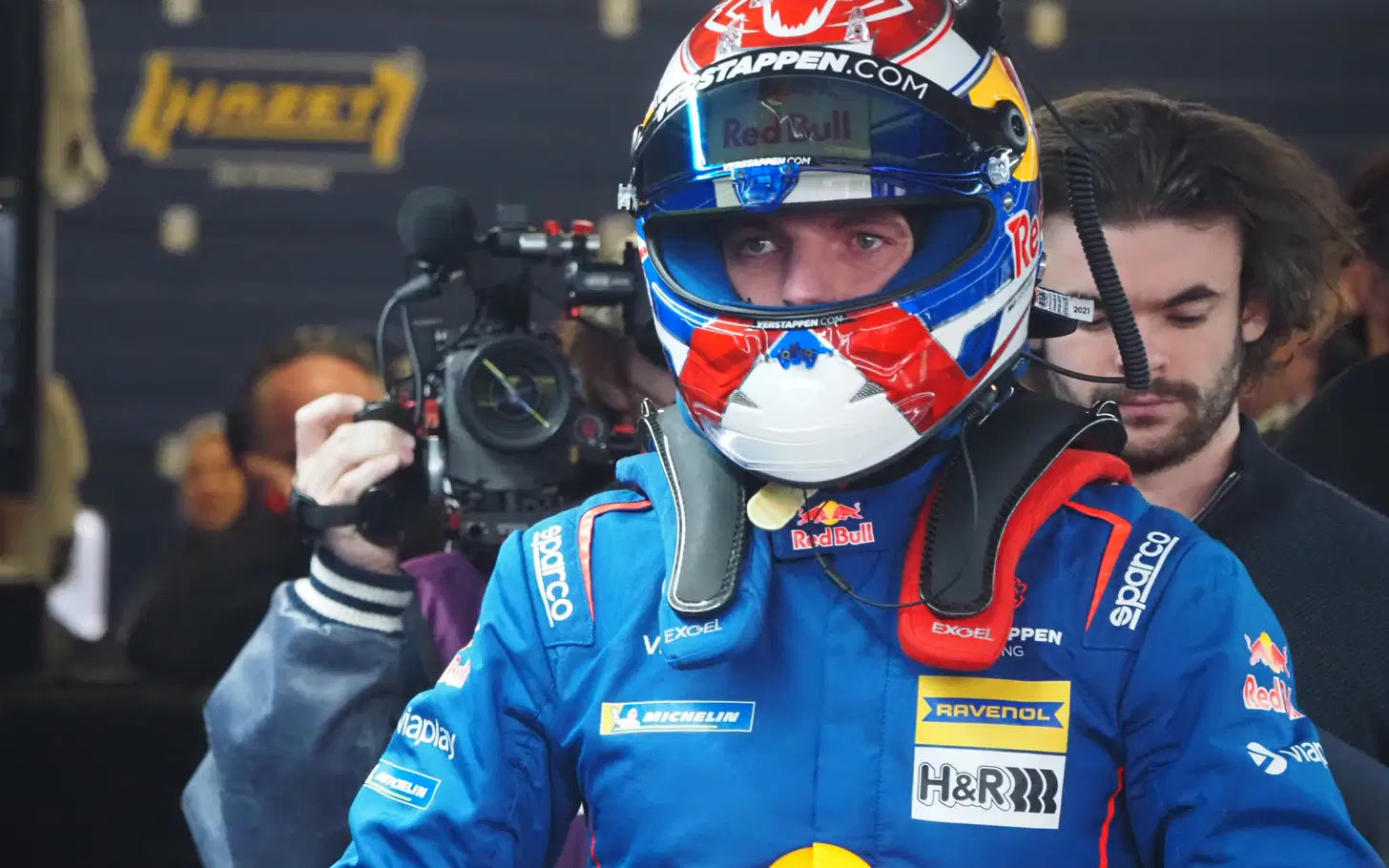

Max Verstappen has officially declined an invitation for a full-scale rally test extended by nine-time WRC champion Sebastien Ogier. This decision follows their recent intersection at the Nürburgring 24 Hours, where Verstappen demonstrated dominant pace before a mechanical failure prematurely ended his race.
During the Nürburgring endurance classic, Verstappen held the lead with only three hours remaining in the event. However, a driveshaft failure forced his retirement. From a technical perspective, driveshaft failures in endurance racing are typically the result of extreme torque loads and sustained mechanical stress over extended operational cycles. This highlights that despite high performance, component reliability remains a critical variable in high-intensity endurance racing.
Following Verstappen's performance, Ogier invited the Formula 1 driver to attempt a test on an actual rally stage. Verstappen had previously driven Ogier's Ford on a closed circuit in January, but Ogier argued that a circuit is not an ideal environment for such a vehicle. Rally car setups—specifically suspension travel, damping, and power delivery—are engineered for low-traction, uneven surfaces, meaning a circuit provides an inaccurate representation of the car's true dynamics.
Verstappen's refusal is based on a technical analysis of risk management. In the ecosystem of Formula 1, driver safety is supported by an infrastructure of engineered barriers designed to absorb kinetic energy. The implementation of Tecpro and SAFER barriers is specifically intended to minimize sudden deceleration, thereby reducing the likelihood of severe injury during high-speed impacts.
In contrast, rally environments feature static objects such as trees and rock walls that possess zero energy absorption capacity. Verstappen identified the risk of colliding with a rigid, non-moving object as a psychological and technical boundary he is unwilling to cross. This analysis underscores that while he possesses a rapid adaptation to various vehicle types, he prioritizes a calculated risk-to-reward ratio regarding physical safety, which is significantly more volatile in rally than in single-seater racing.
Technically, transitioning from a Formula 1 car to a rally car requires a fundamental shift in driving style. Where F1 emphasizes precision, racing lines, and aerodynamic stability at high speeds, rallying relies on extreme slip angles and traction management on granular surfaces. While Ogier believes Verstappen has the aptitude to master these disciplines, Verstappen's current focus remains on optimizing performance within his primary championship campaign.
This refusal emphasizes that for elite athletes, the decision to explore new disciplines is not merely about adrenaline but about the analysis of risk relative to career longevity and physical health. Given the higher probability of catastrophic injury in rally due to the lack of standardized protective barriers, Verstappen has opted to remain within the controlled safety environment of the Formula 1 paddock.
Baca Juga
Simak analisis lengkap strategi upgrade bertahap McLaren untuk F1 2026 dan target perebutan podium. Baca selengkapnya di sini!
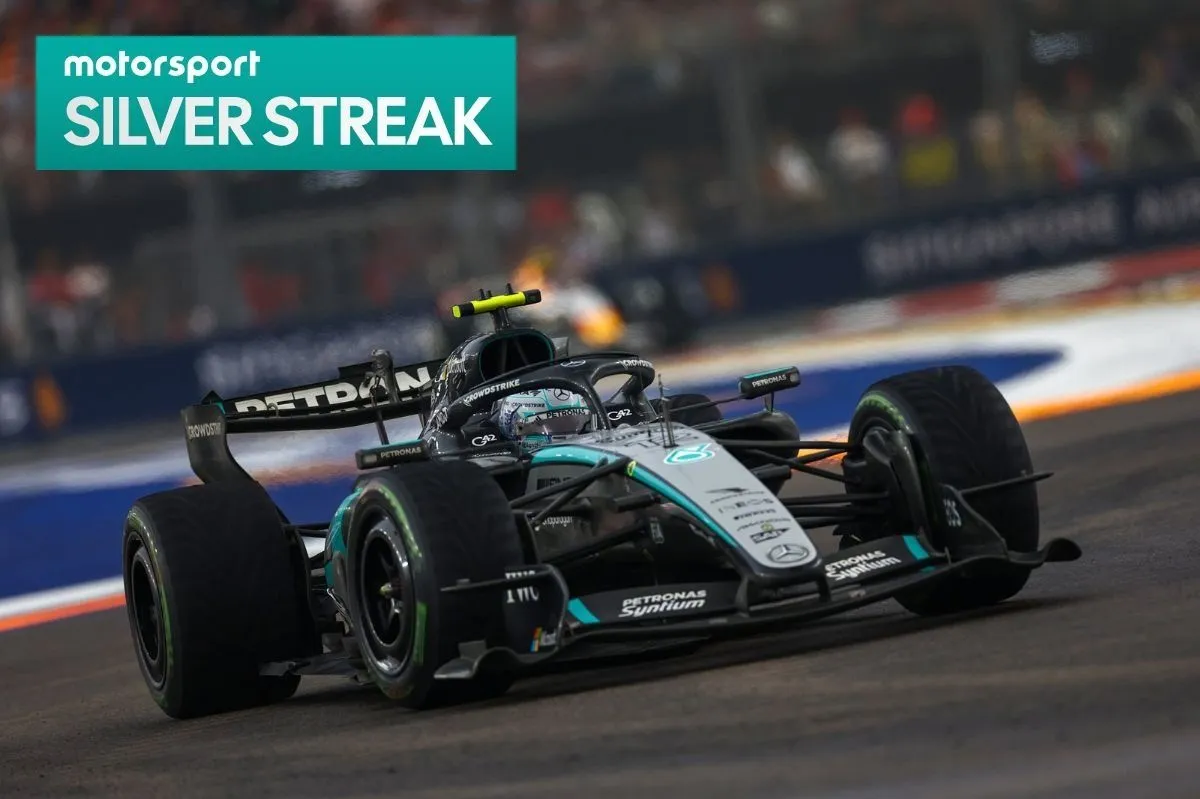
Simak analisis lengkap bagaimana Kimi Antonelli selamat dari masalah rem ekstrem di GP Singapura 2026. Baca detail selengkapnya di sini sekarang juga.
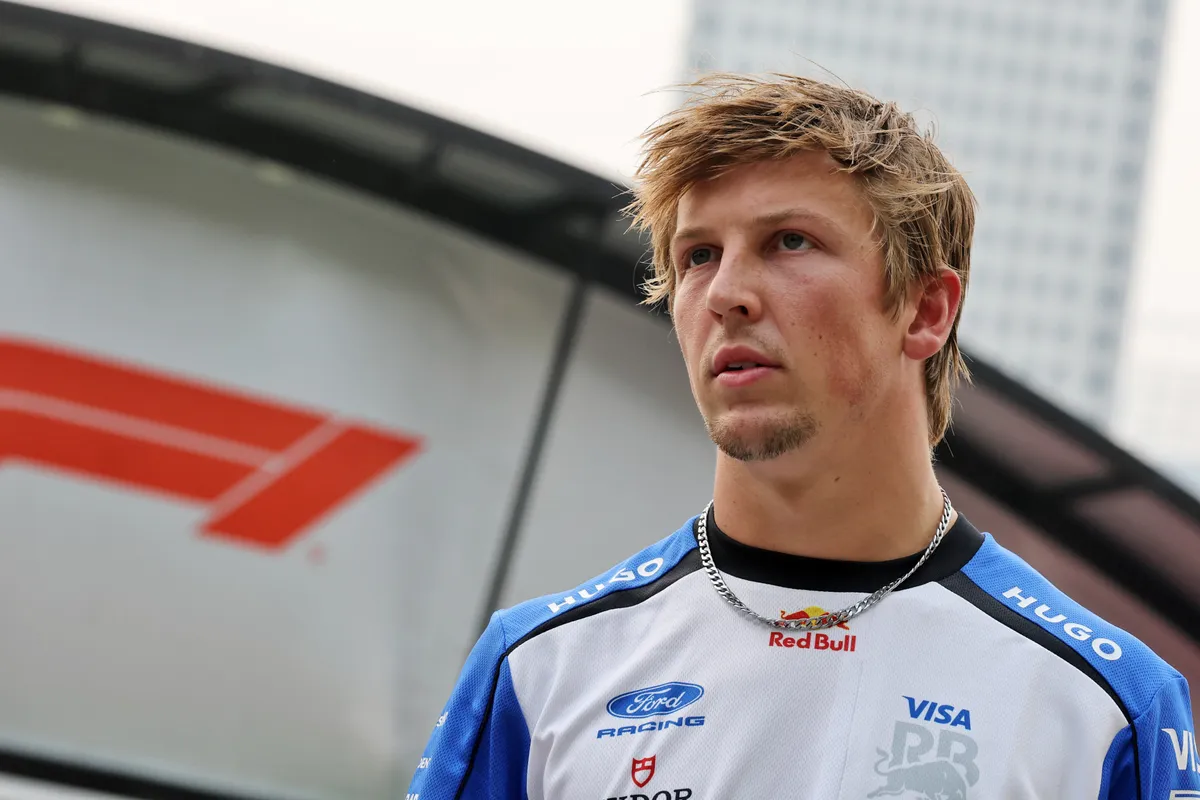
Simak analisis lengkap keputusan kursi F1 2026, performa Liam Lawson, dan rencana pengumuman resmi dari Racing Bulls. Baca selengkapnya di sini!
 Lanjutkan dengan Google
Diskusi & Komentar (0)
Mari Bergabung dalam Diskusi!
Masuk dengan mudah untuk mulai memberikan komentar, membalas, dan berinteraksi dengan pembaca lainnya.
Komentar Terbaru
Belum ada komentar. Jadilah yang pertama!