







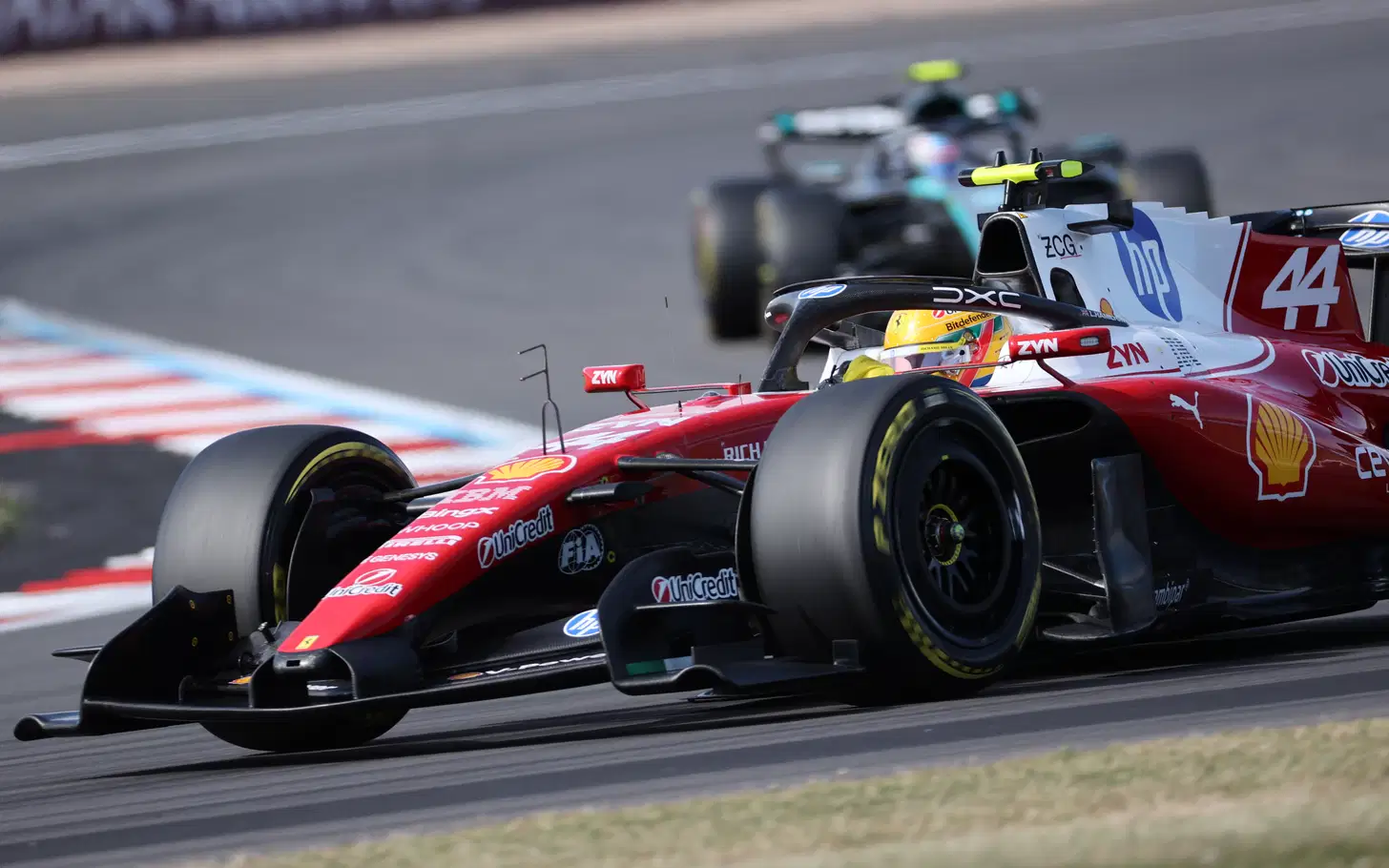
Ferrari is believed to have introduced one of the largest upgrade packages of the 2026 Formula 1 season at the Miami Grand Prix, with developments considered comparable in scale to those brought by Red Bull Racing and McLaren. Although the sprint format and extreme track temperatures in Miami prevented the SF-26's full potential from being clearly exposed, Ferrari already showed signs of becoming a genuine front-running threat once again.
Charles Leclerc pushed Oscar Piastri hard during the Sprint and even led the early stages of the grand prix before tyre overheating caused him to fall away from the fight against Kimi Antonelli's Mercedes and Lando Norris' McLaren. Ferrari now expects the Circuit Gilles-Villeneuve in Canada to provide a much clearer picture of the package's real competitiveness.

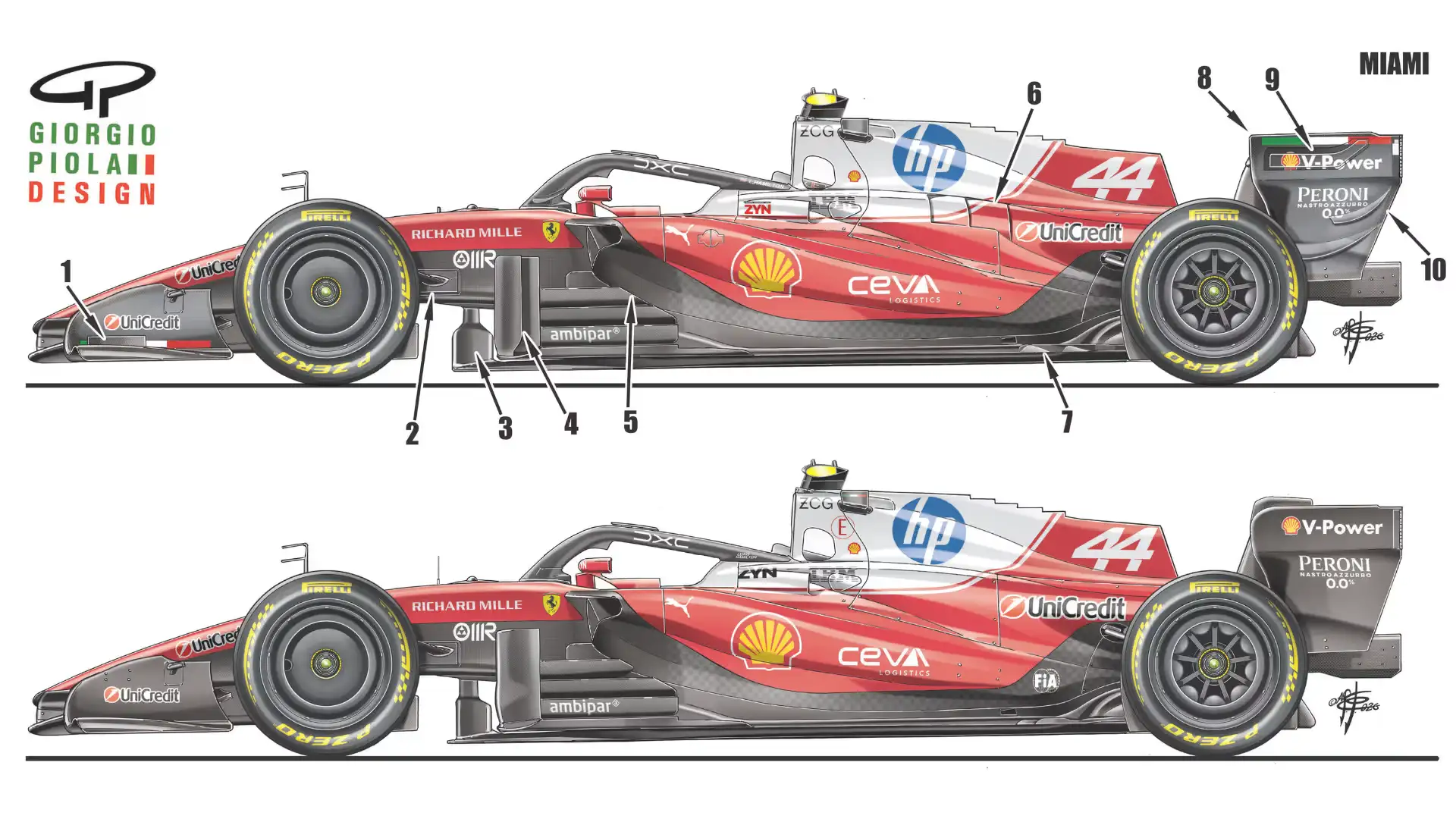
The latest SF-26 upgrade stretches across almost the entire car, from the nose section to the rear diffuser. Ferrari's primary objective was not simply to generate larger peak downforce numbers, but to improve airflow stability across a wider range of car attitudes, cornering phases and speed conditions.
Ferrari Reshapes the Entire Airflow Philosophy
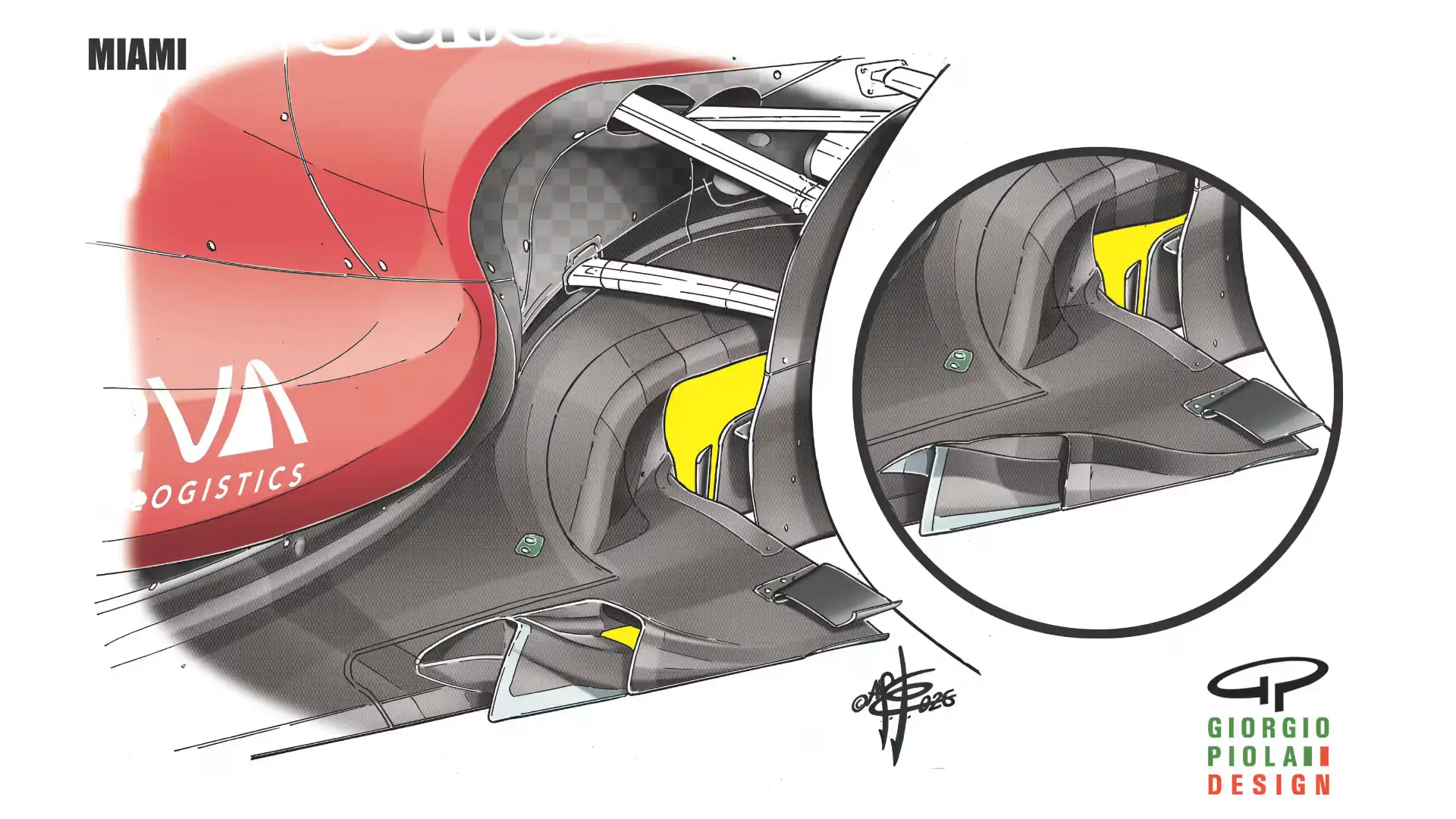
The changes begin with a redesigned front wing endplate working together with revised front brake duct surfaces. Ferrari explained that the area was specifically developed to improve airflow stability and front-wheel wake management throughout the car's operating window.
In the modern ground-effect era, maintaining stable airflow is often more valuable than chasing pure peak downforce figures. Even minor airflow disruption at the front of the car can significantly compromise underfloor efficiency and rear diffuser performance, which remain the primary performance generators on current Formula 1 machinery.
Ferrari also lowered the upper rear leg of the front suspension for aerodynamic rather than mechanical reasons. The revised geometry now contributes to directing airflow towards the redesigned splitter and newly reworked bargeboards.
One of the biggest structural changes arrived at the leading edge of the floor. Ferrari completely reshaped the underfloor entry section to allow a greater volume of airflow beneath the car. By increasing airflow mass under the floor, Ferrari aims to maximise ground-effect efficiency without sacrificing car stability in high-speed sections.
Rear Diffuser and Exhaust Become Ferrari's Key Weapons
At the rear of the SF-26, Ferrari introduced aggressive modifications around the floor edge and diffuser area. The scoops ahead of the rear tyres now extend further inward and connect to the diffuser through a revised geometry intended to optimise airflow distribution.
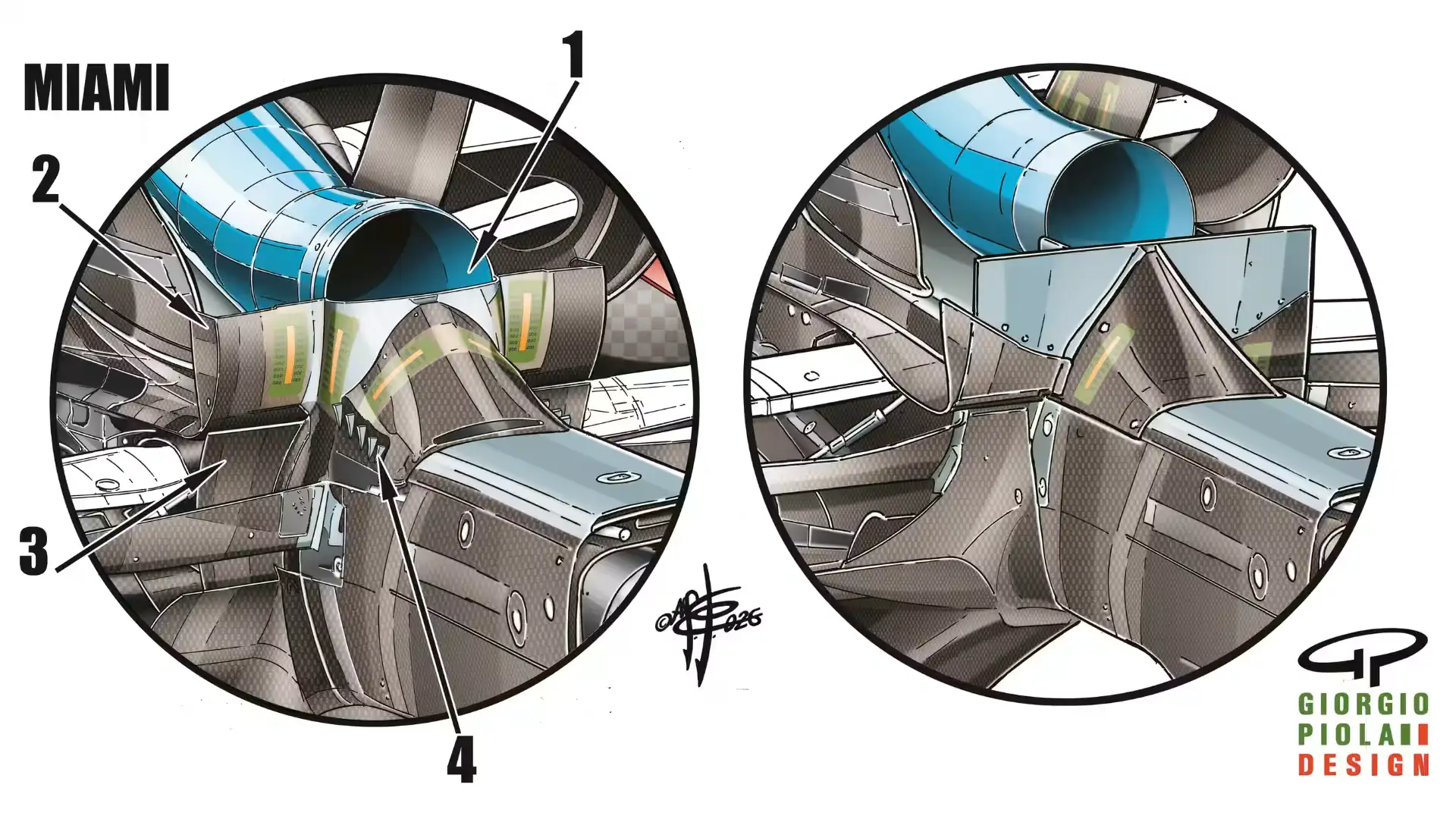
The changes work together with a new track rod fairing and a heavily revised exhaust conditioning vane. Ferrari claims the updated system generates a more efficient pressure gradient for the diffuser, helping improve airflow extraction beneath the rear wing.
Technically, the exhaust vane partially blocks the exhaust outlet to accelerate airflow velocity on the open side. The effect creates additional suction on the airflow exiting the diffuser, feeding more airflow towards the underside of the rear wing and increasing aerodynamic efficiency.
Ferrari also enlarged the vane while adding vortex-generating structures around the rear crash structure to maintain airflow concentration towards the central section of the rear wing underside. The concept has become a critical part of Ferrari's new aerodynamic philosophy for 2026.
The “Macarena Wing” Could Become Ferrari's New Weapon
One of the most intriguing aspects of the Miami upgrade package is Ferrari's latest rear wing concept, nicknamed the “Macarena wing” throughout the paddock. The design features a revised endplate containing internal actuators capable of switching the upper flap between high-downforce and straight-line efficiency modes.
The flexible concept represents Ferrari's response to the modern challenge of balancing top speed against aerodynamic stability under the latest regulations. The system is expected to be particularly effective at circuits such as Montreal, which combine long straights with heavy braking zones.
Ferrari believes the full potential of the Miami package was not properly revealed because of the sprint weekend format and extreme asphalt temperatures that accelerated rear tyre overheating. However, the data gathered throughout the weekend strongly suggests the SF-26 is beginning to close the gap to McLaren and Red Bull.
With Formula 1 entering the early stages of a major development war in 2026, Ferrari's performance in Canada could become a crucial indicator of whether the SF-26 is genuinely capable of rejoining the regular fight for victories throughout the remainder of the season.
Baca Juga
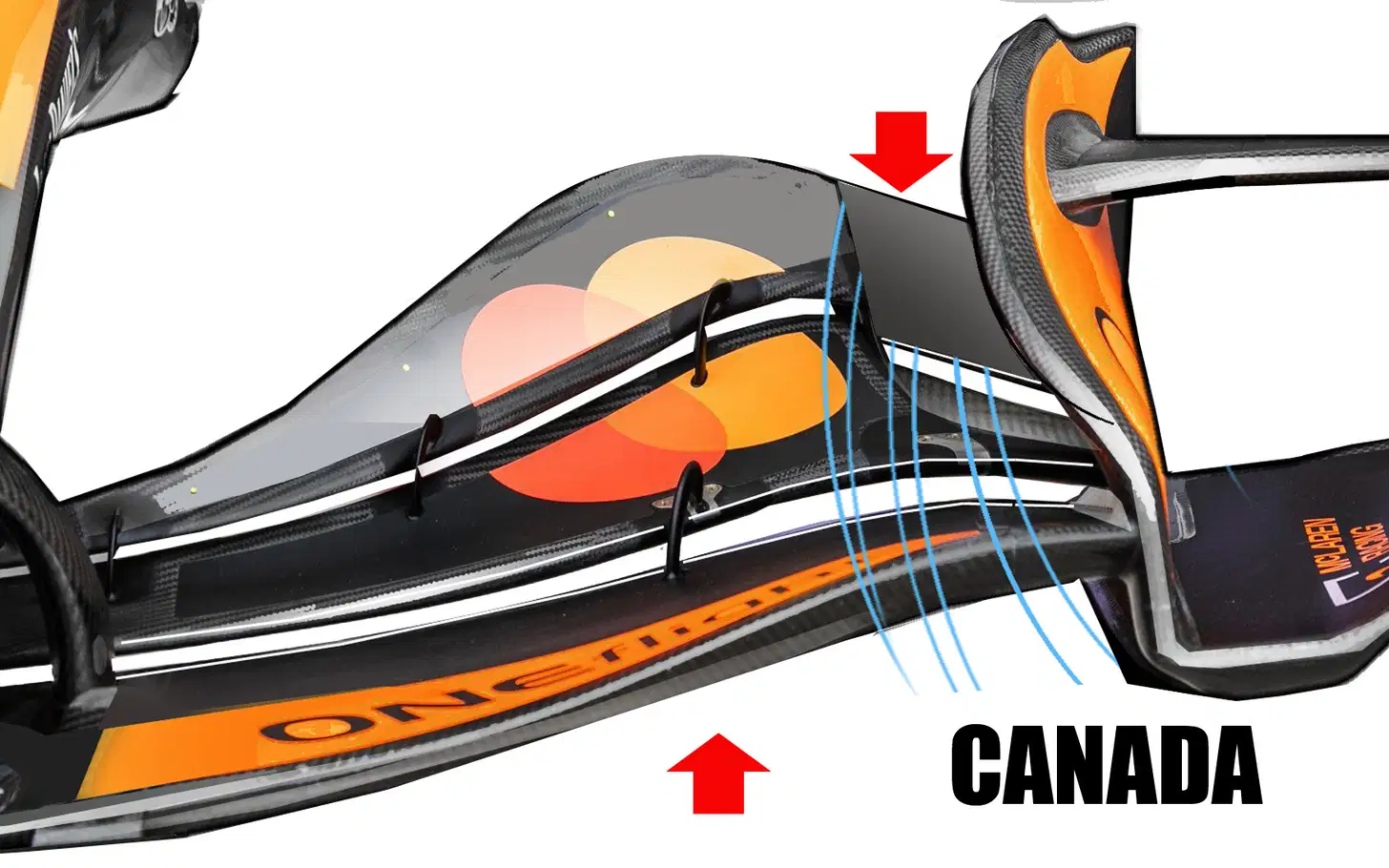
Mercedes dan McLaren membawa paket upgrade besar ke GP Kanada, memicu duel teknis yang bisa menentukan arah musim F1 2026.
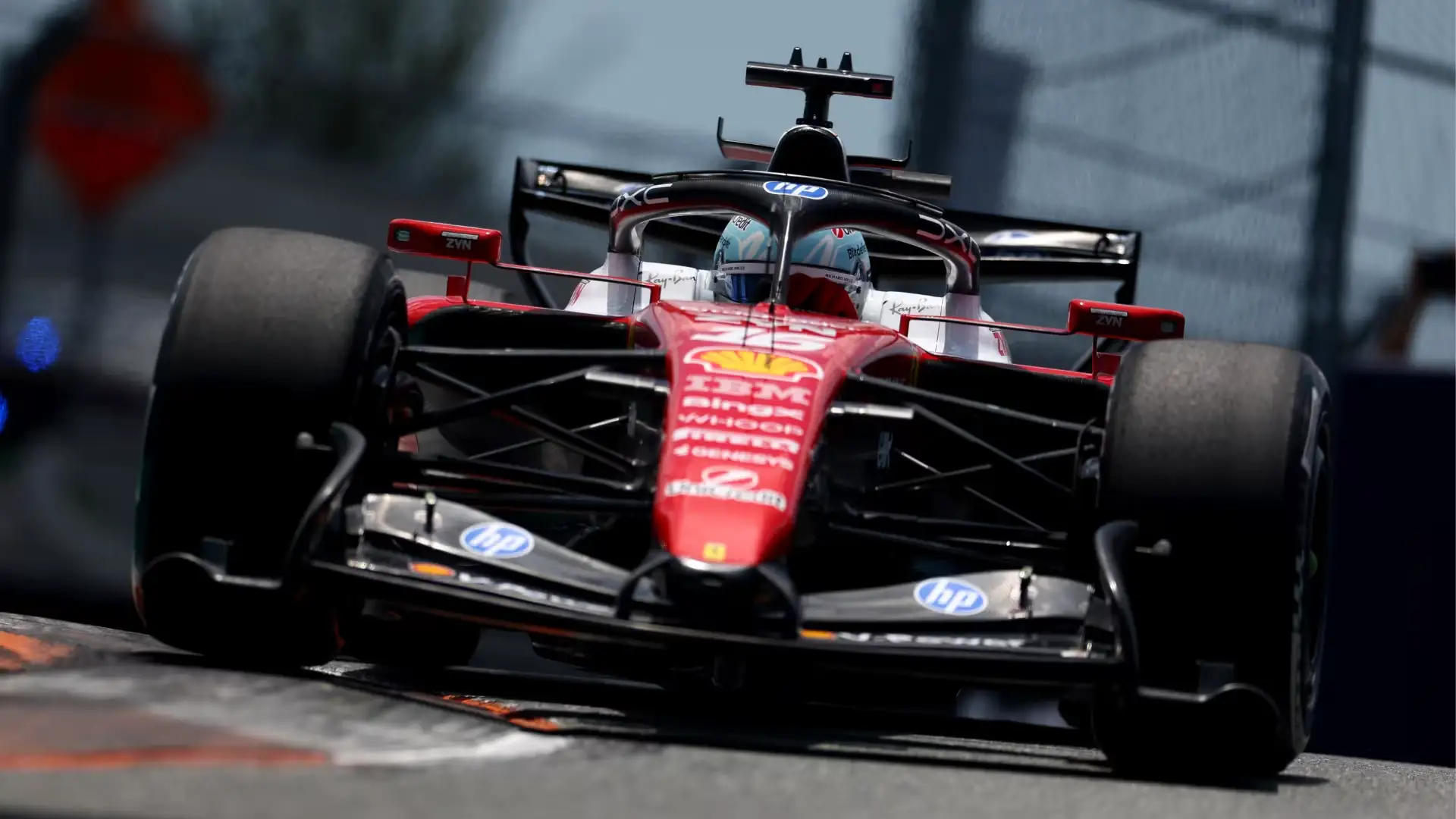
Ferrari membawa upgrade besar SF-26 dari depan hingga belakang mobil dan mulai mengancam McLaren serta Red Bull di Formula 1 2026.
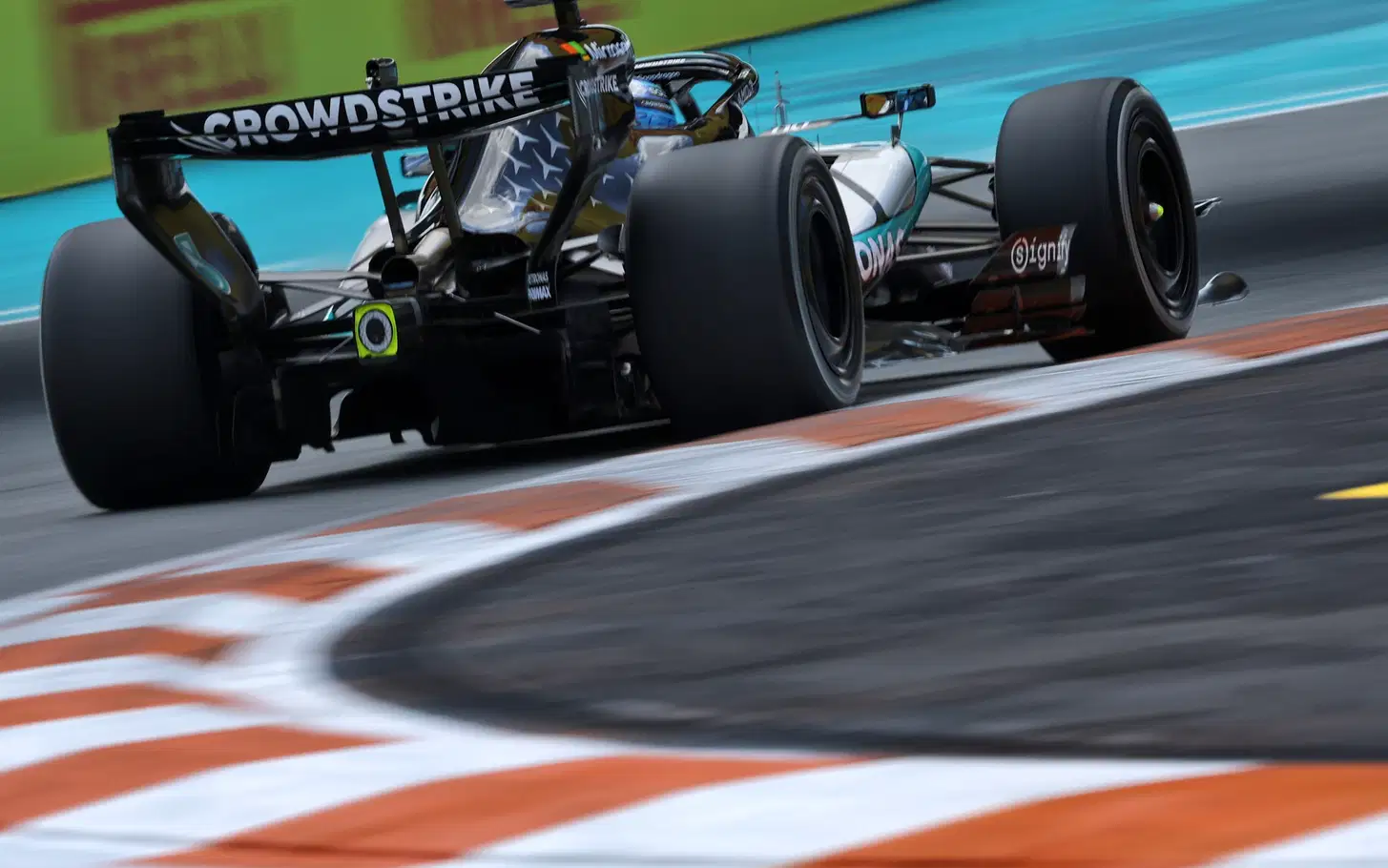
Mercedes menghadapi ujian besar di GP Kanada 2026 setelah regulasi energy management FIA berpotensi mengubah keseimbangan Formula 1.
 Lanjutkan dengan Google
Diskusi & Komentar (0)
Mari Bergabung dalam Diskusi!
Masuk dengan mudah untuk mulai memberikan komentar, membalas, dan berinteraksi dengan pembaca lainnya.
Komentar Terbaru
Belum ada komentar. Jadilah yang pertama!