







Formula 1, Sportrik Media - Max Verstappen and Oracle Red Bull Racing emerged as a central focus in the technical analysis of the 2026 Japanese Grand Prix, as detailed insights into the RB22 highlighted the team’s evolving aerodynamic philosophy amid competition from Scuderia Ferrari and Mercedes-AMG Petronas Formula One Team.
Red Bull Floor and Diffuser Evolution
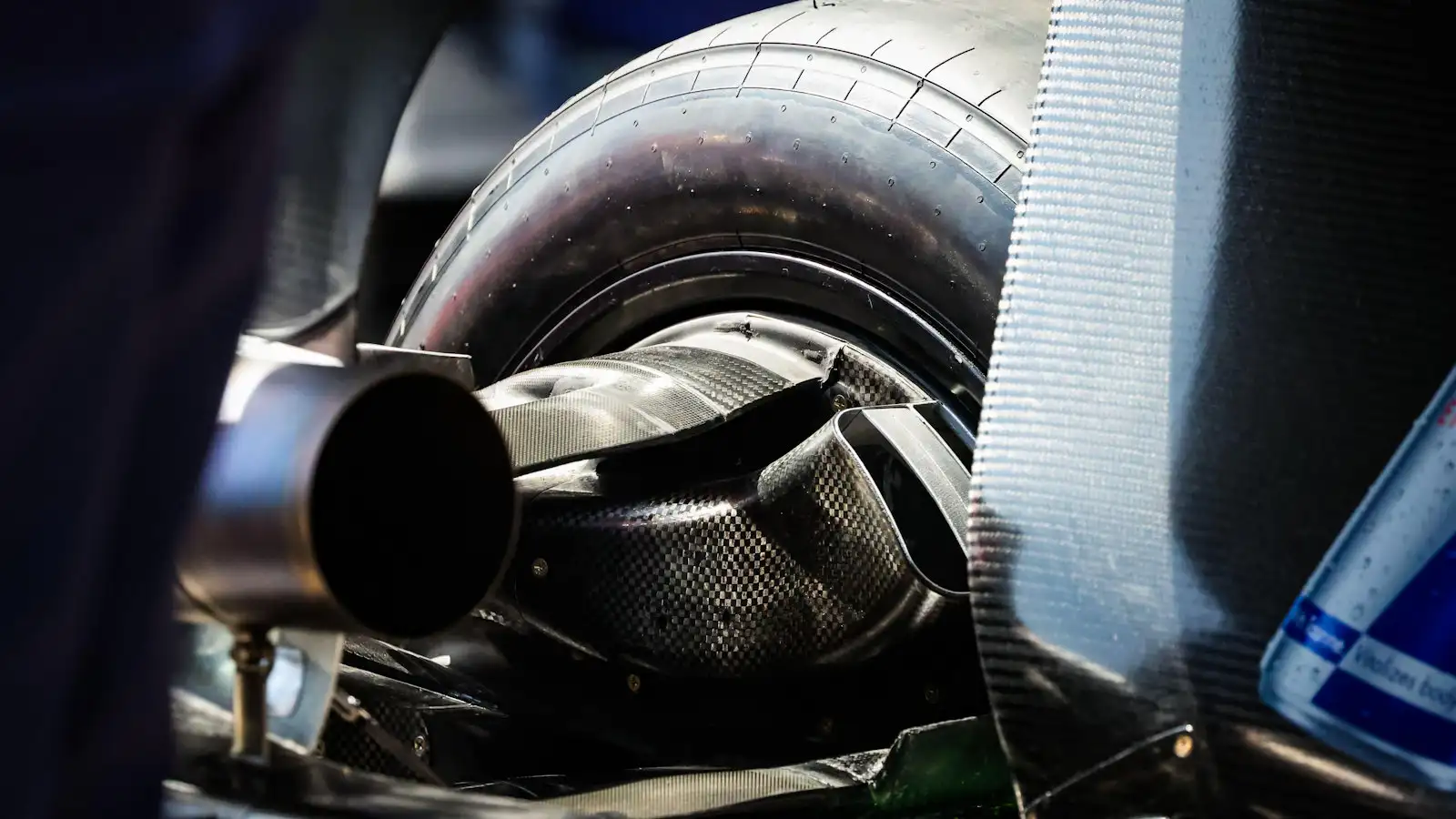
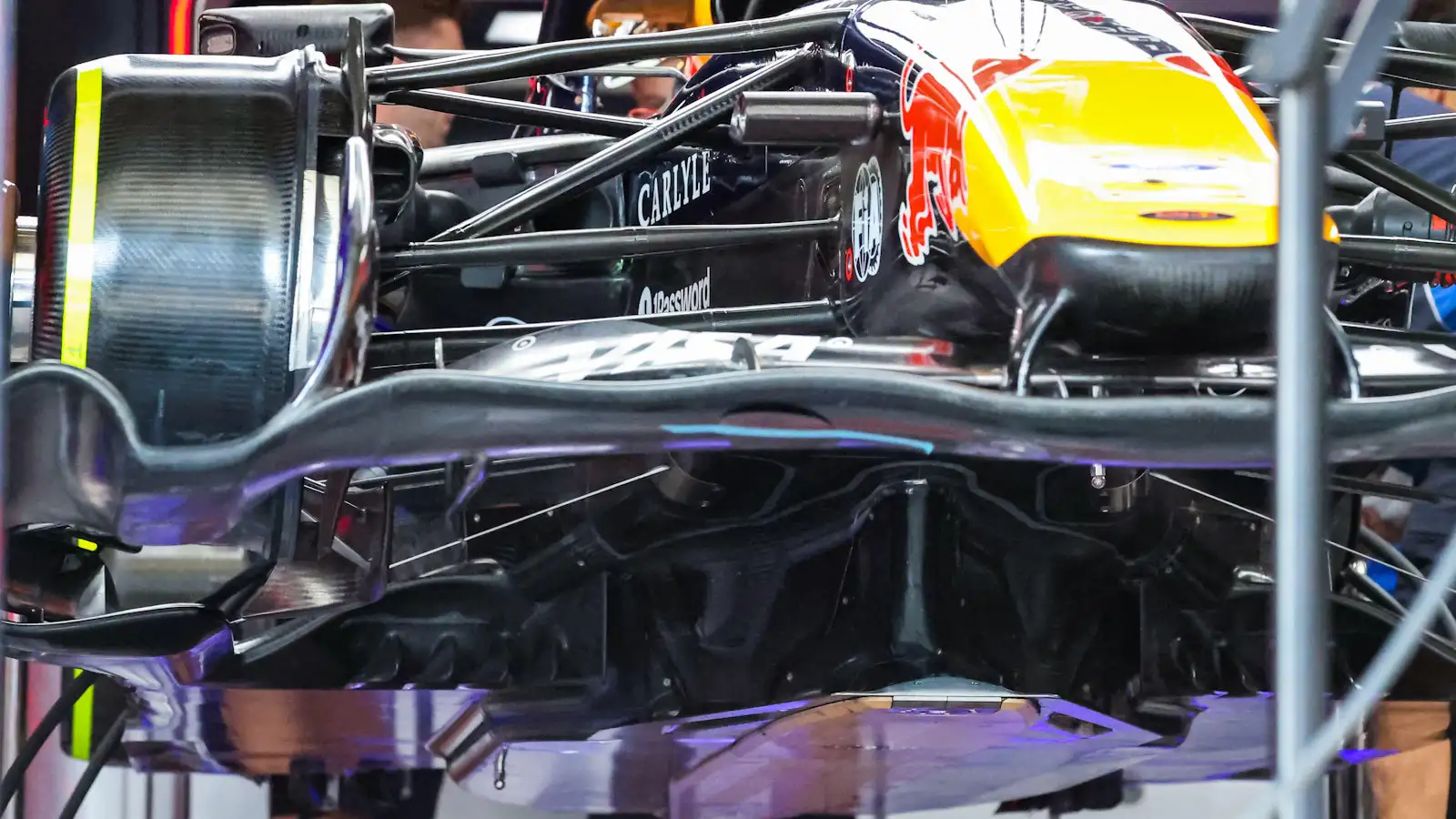
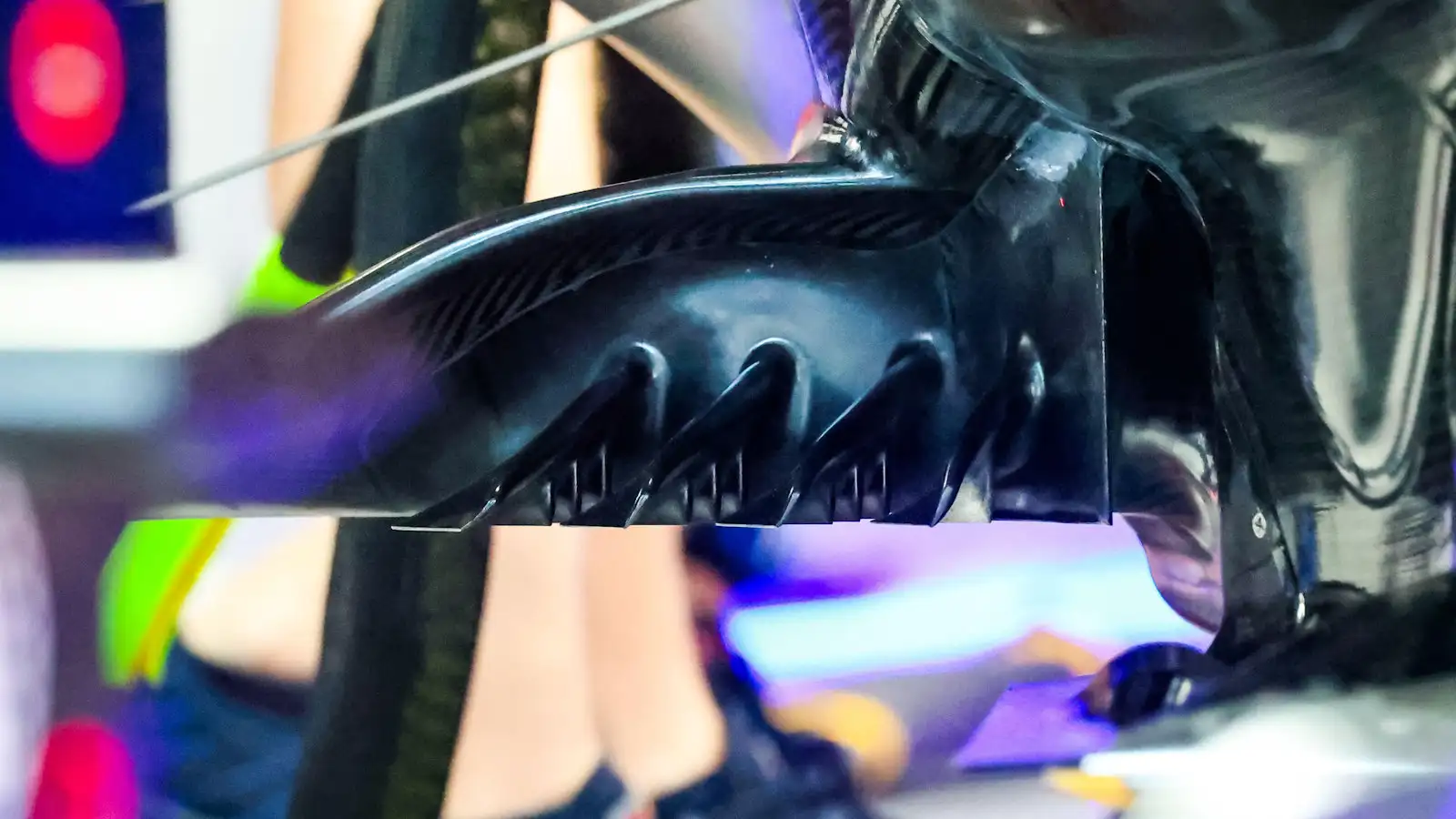
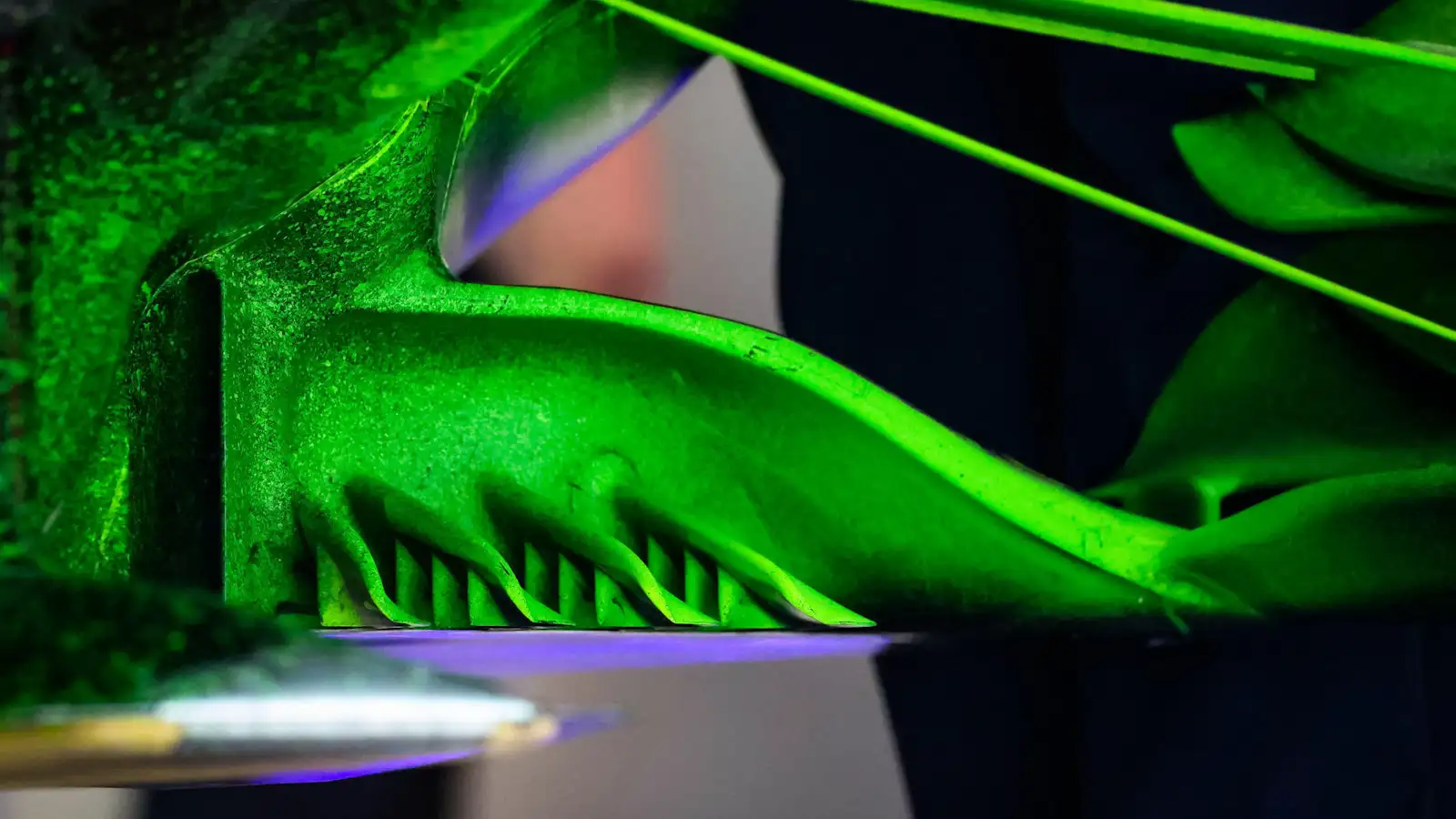
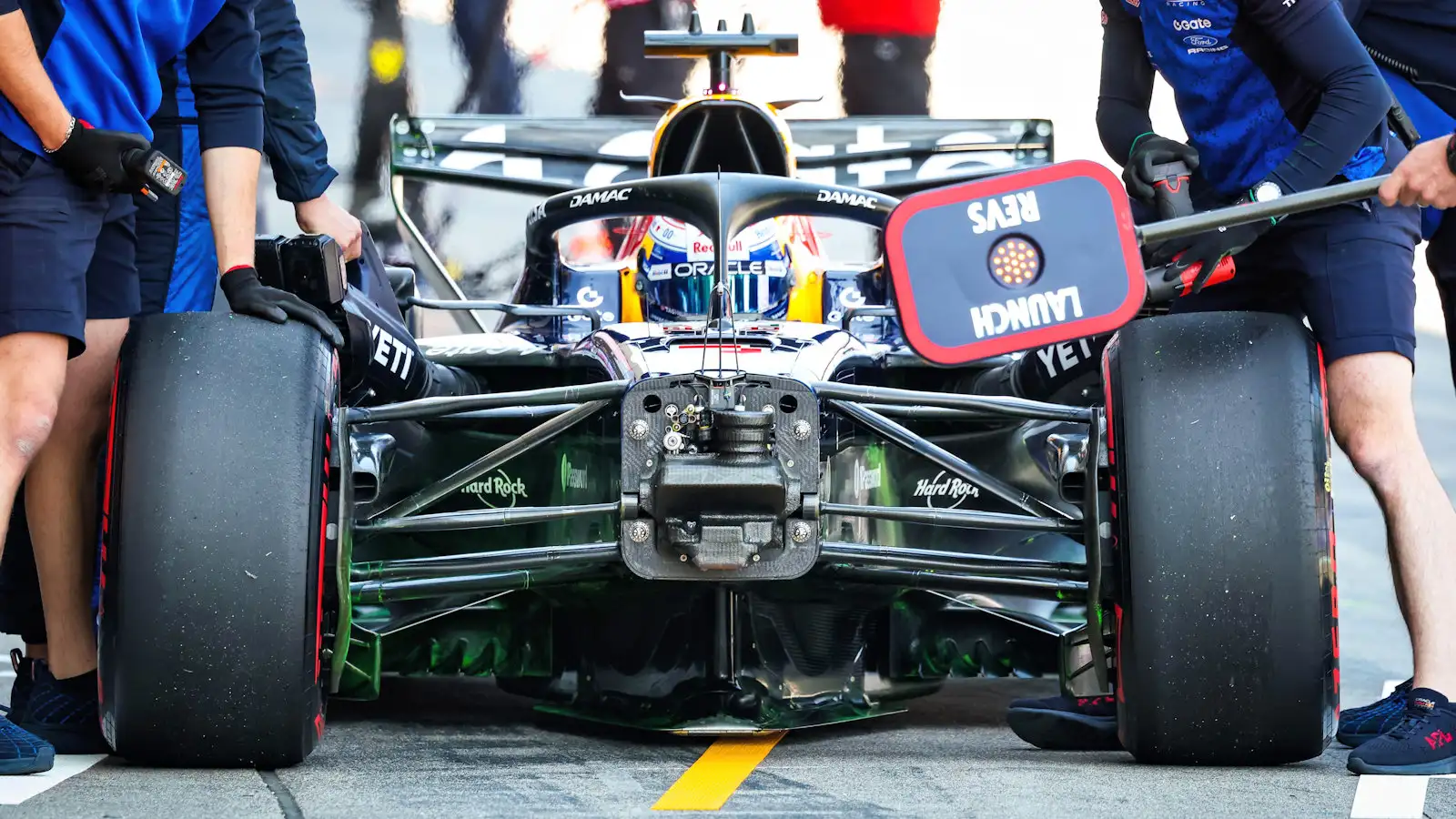
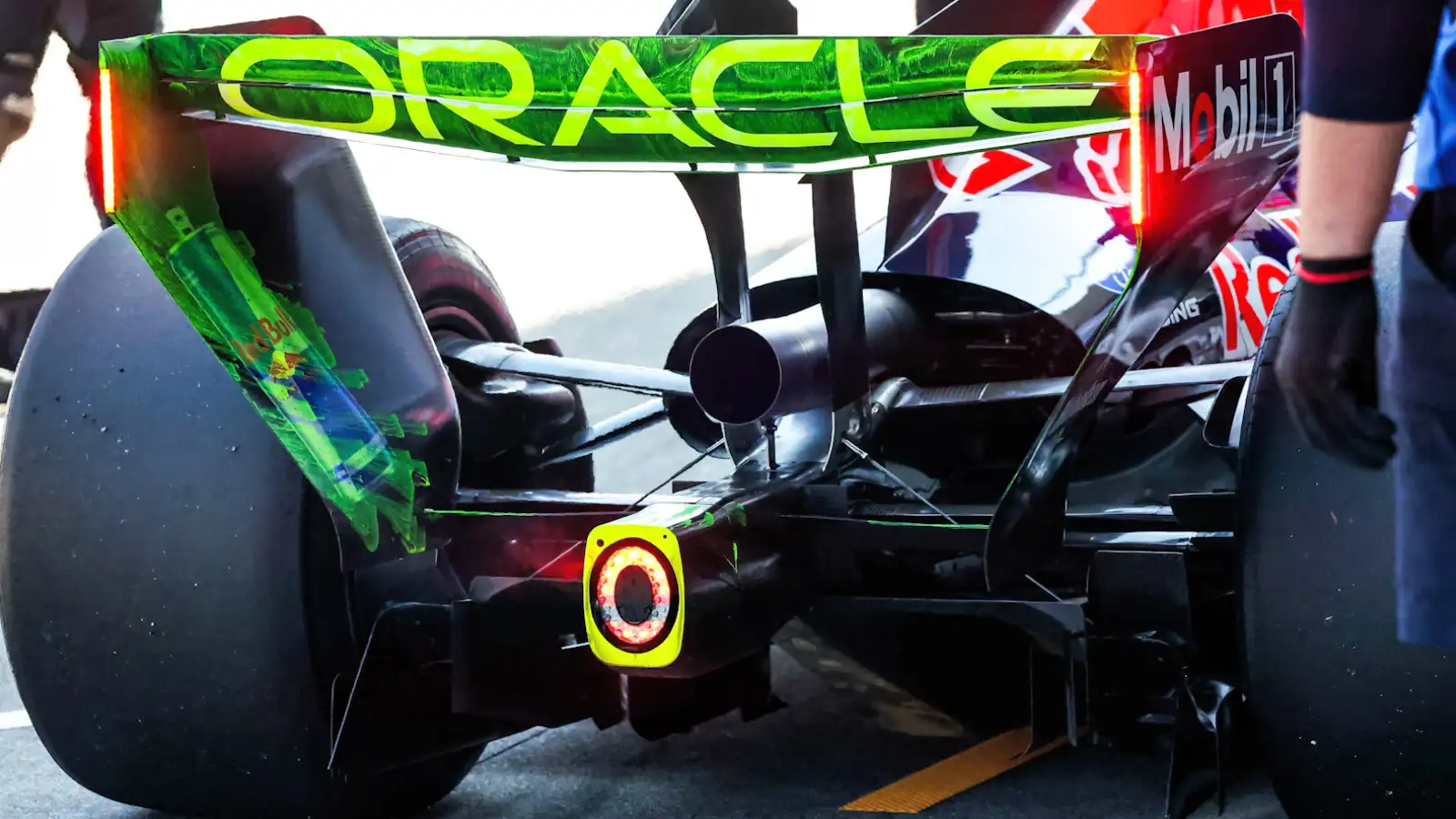
One of the most striking elements on the RB22 is its floor and diffuser configuration. The team has implemented a semi-detached vertical winglet on the trailing edge of the diffuser, combined with serrated edges on the floor winglet. This layout is designed to manage vortices more effectively and stabilise airflow at the rear, allowing for consistent downforce generation without excessive drag.
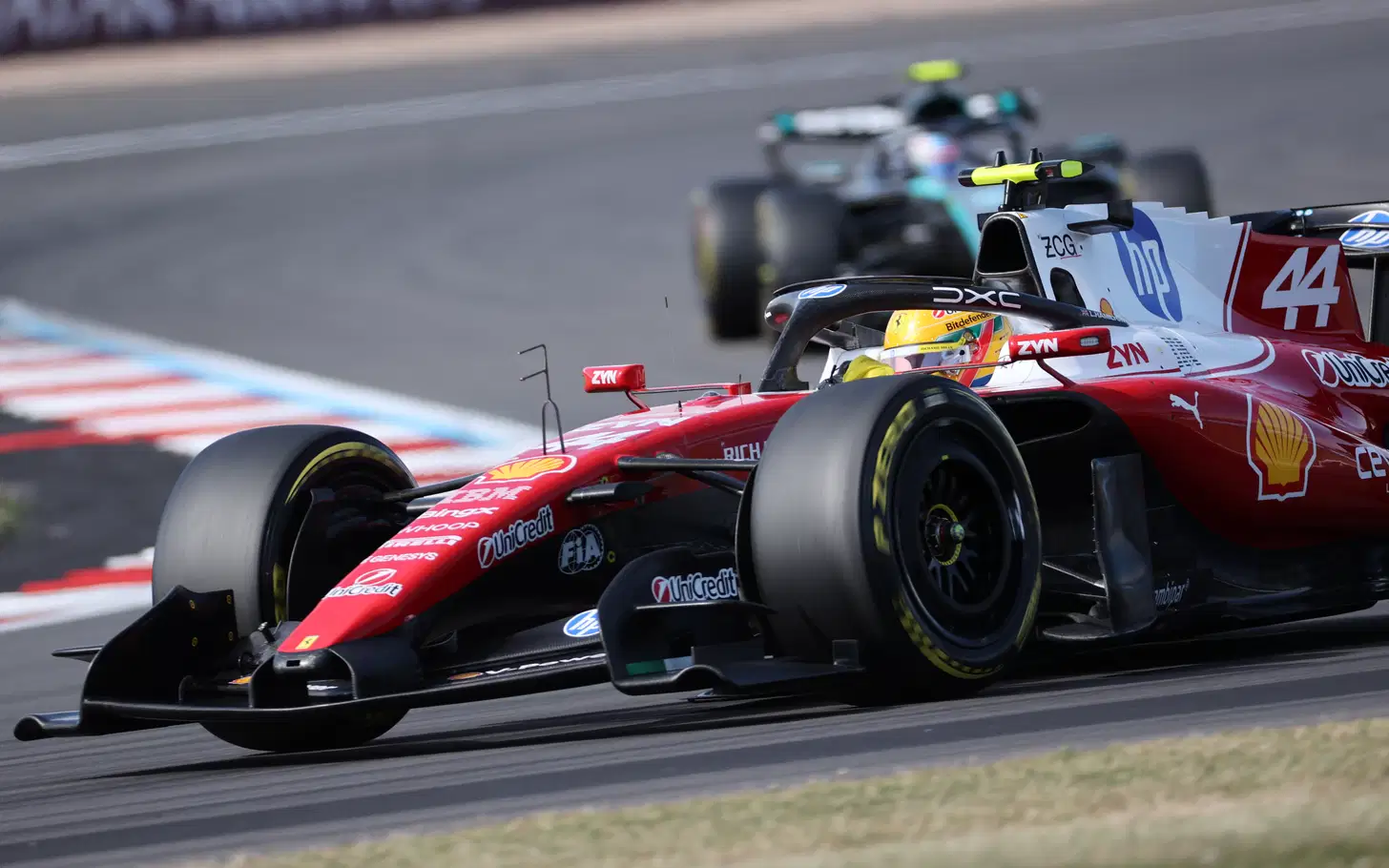
Additionally, the floor features angular cut-outs ahead of the rear tyre and an enlarged “mouse hole” in the diffuser sidewall. A similar concept is visible on the Ferrari SF-26, suggesting convergence in aerodynamic strategies among leading teams under the 2026 regulations.
Rear Structure Integration and Active Aero
The RB22 also demonstrates an advanced integration of structural and aerodynamic elements. Floor supports are mounted to the rear wing pillars, while a narrow winglet on the crash structure acts as an extension of the diffuser, helping to guide airflow more efficiently.
Meanwhile, the Mercedes W17 showcases a sophisticated rear wing system with active aerodynamic control. Despite adopting a three-element wing, the actuation system functions similarly to a DRS-style deployment, offering flexibility in balancing drag and downforce.
Power Unit Packaging and Rear Suspension Complexity
With bodywork removed in the garage, the Mercedes W17 reveals a highly compact packaging of its power unit and rear suspension. The arrangement reflects a focus on thermal efficiency, weight distribution, and aerodynamic optimisation.
Rear suspension geometry also plays a critical role in maintaining stability, particularly as the new hybrid systems introduce variable energy deployment characteristics that affect traction and balance.
Front-End Innovations and Cooling Systems
The Audi F1 Team R26 introduces dual front wing actuators, allowing more precise control over aerodynamic load distribution. At the same time, Williams Racing has revised its front suspension fairings to improve airflow consistency toward the mid-section of the car.
Brake cooling systems across the grid have become increasingly sophisticated. Designs seen on cars such as the McLaren Formula 1 Team demonstrate how airflow is carefully directed through ducts and fairings to cool components without disrupting aerodynamic efficiency. Some configurations even allow adjustable airflow management.
Flow Visualisation and Data Correlation
The use of flow-vis paint on the RB22 provides valuable insight into airflow behaviour in real track conditions. This technique allows teams to validate simulation data and ensure correlation between wind tunnel, simulator, and on-track performance.
Such validation is essential in modern Formula 1 development, where marginal aerodynamic gains can significantly influence competitiveness.
Development Direction Toward the European Phase
Overall, the technical developments observed in Japan underline that Formula 1 in 2026 is defined by the integration of aerodynamics, energy systems, and mechanical efficiency. Fine details—from floor geometry to active aero actuators—are now decisive performance differentiators.
As the season progresses toward the European phase, the development paths chosen by Red Bull, Ferrari, and Mercedes will be critical in shaping the competitive order. Continuous evolution will determine which team can maintain performance gains and establish long-term dominance in the 2026 championship.
Baca Juga
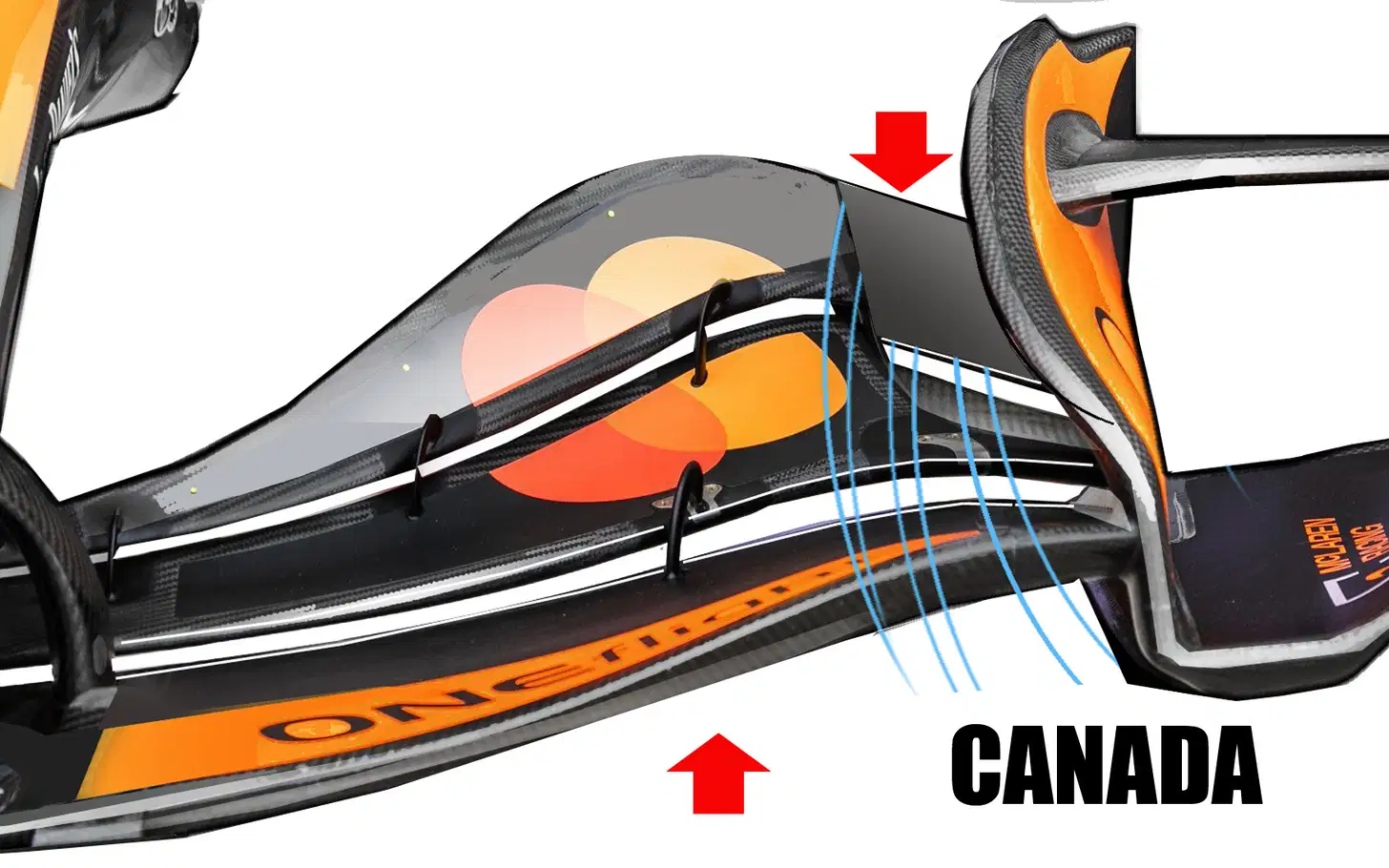
Mercedes dan McLaren membawa paket upgrade besar ke GP Kanada, memicu duel teknis yang bisa menentukan arah musim F1 2026.
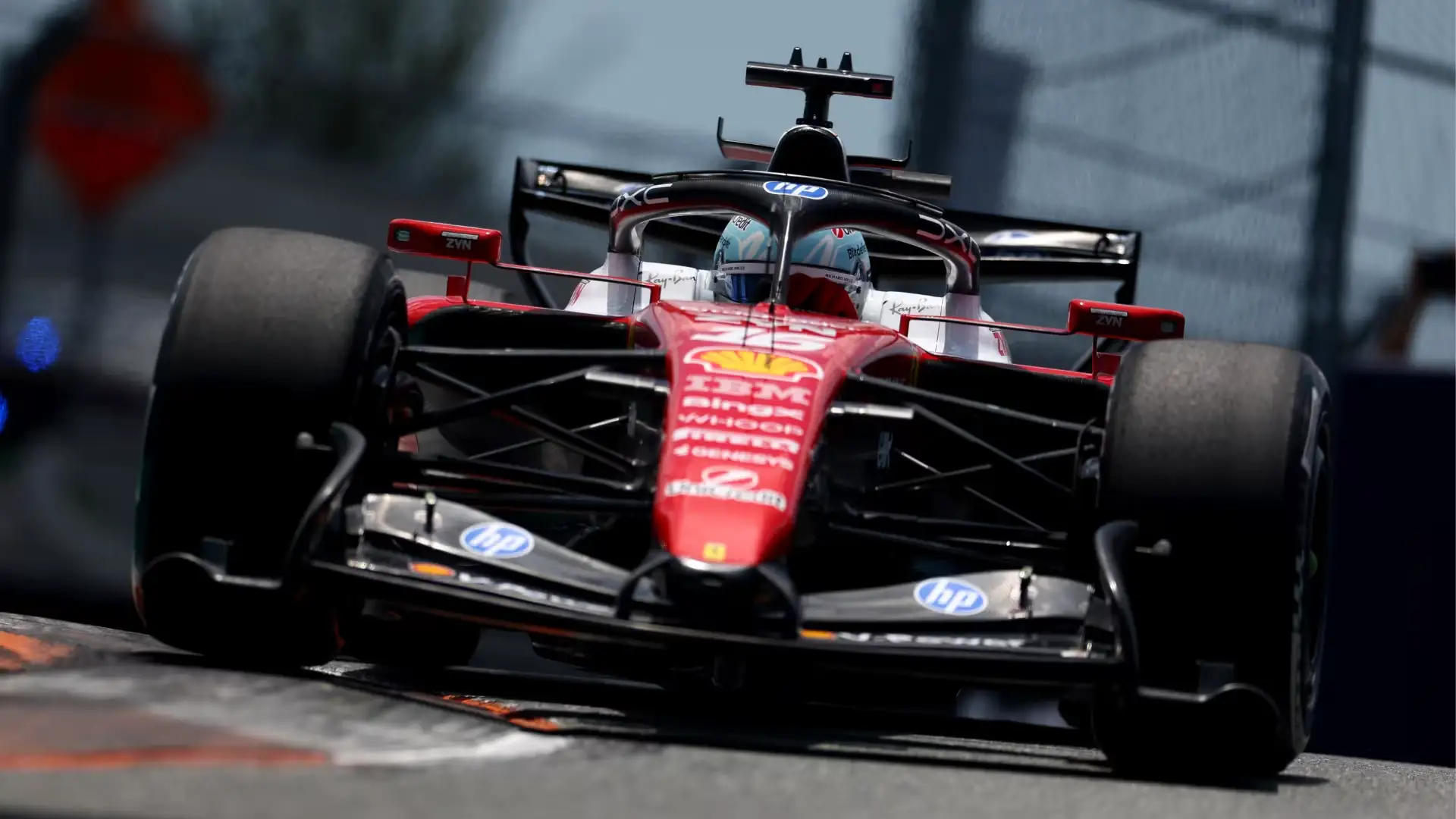
Ferrari membawa upgrade besar SF-26 dari depan hingga belakang mobil dan mulai mengancam McLaren serta Red Bull di Formula 1 2026.
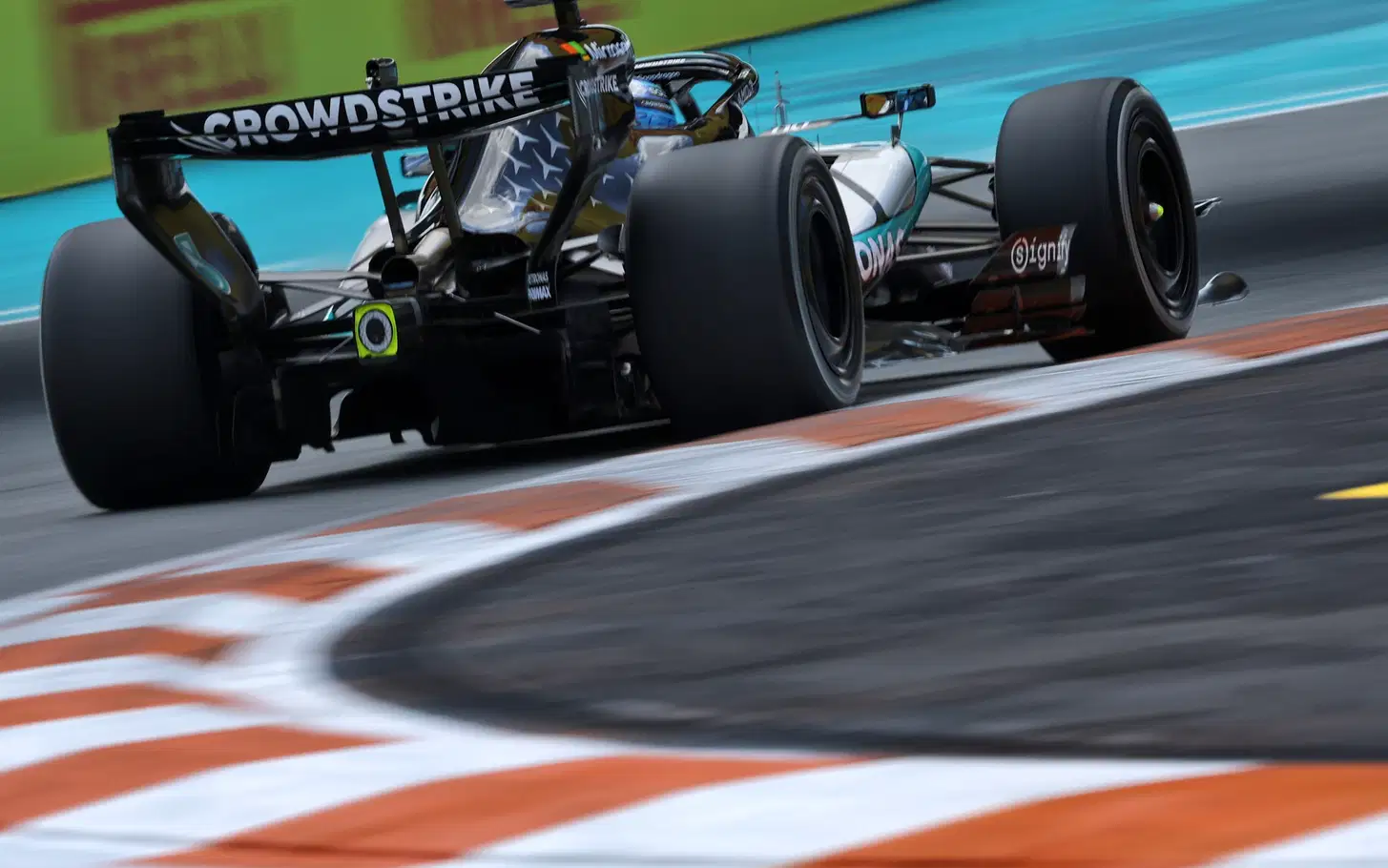
Mercedes menghadapi ujian besar di GP Kanada 2026 setelah regulasi energy management FIA berpotensi mengubah keseimbangan Formula 1.
 Lanjutkan dengan Google
Diskusi & Komentar (0)
Mari Bergabung dalam Diskusi!
Masuk dengan mudah untuk mulai memberikan komentar, membalas, dan berinteraksi dengan pembaca lainnya.
Komentar Terbaru
Belum ada komentar. Jadilah yang pertama!