







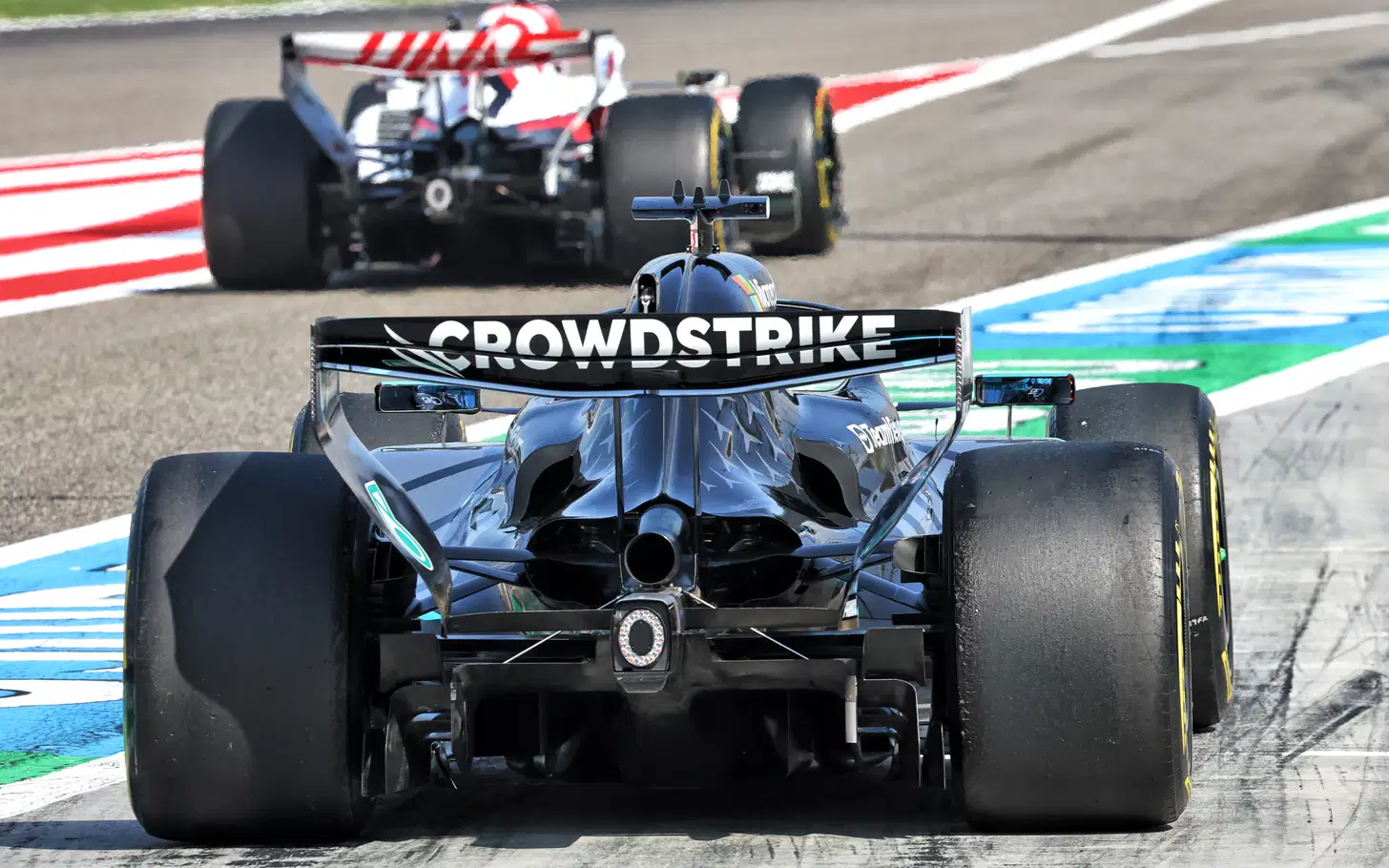

Formula 1, Sportrik Media - Super clipping has emerged as a key technical concept in the new 2026 Formula 1 regulations, as energy harvesting and battery management become central to performance under the revised hybrid power unit rules.
From 2026, F1 power units operate on a 50-50 split between internal combustion and electrical energy, with the electric motor capable of delivering up to 350kW. As a result, teams must constantly harvest and redeploy energy efficiently to remain competitive over a lap and across race distance.
The most basic method of recharging the battery is lift and coast, where a driver lifts off the throttle earlier than usual before braking into a corner. This allows increased energy recovery but comes at the expense of lap time due to reduced entry speed.

Super clipping offers a more advanced alternative. It refers to harvesting electrical energy at the end of a straight or through a fast corner—while the driver remains on full throttle. For example, in Bahrain, this could occur through a high-speed section such as Turn 12, where energy recovery is managed without a visible reduction in acceleration.
Under the regulations, battery recharging is largely automated via the FIA-standard ECU, though drivers can select different recharge modes. In a conventional recharge setting, the car switches back to its high-downforce configuration: the active front and rear wings close, increasing drag but improving stability while energy is harvested.
The key advantage of super clipping is that the car can remain in straight mode, with both front and rear wings open to reduce drag. This allows the driver to stay flat-out while still recovering energy, minimising the lap time penalty typically associated with recharge phases.
However, there is a limitation. When super clipping is active, battery recharge is capped at 250kW rather than the full 350kW capacity of the system. Teams must therefore balance efficiency against total energy recovery, choosing when it is strategically advantageous to prioritise minimal drag over maximum recharge.
During pre-season testing in Bahrain, McLaren reportedly experimented with super clipping at levels approaching 350kW, with the FIA analysing the data to ensure compliance with regulatory limits.
In the 2026 era, where hybrid deployment and active aerodynamics are deeply integrated, super clipping represents a strategic tool for managing energy without sacrificing outright speed. Mastering its application could become a decisive factor in qualifying laps and overtaking battles throughout the season.
Read Also

Lando Norris akui McLaren kesulitan jelang F1 GP Amerika Serikat 2026. Simak analisis mendalam, update klasemen, dan jadwal akhir pekan ini di sini.
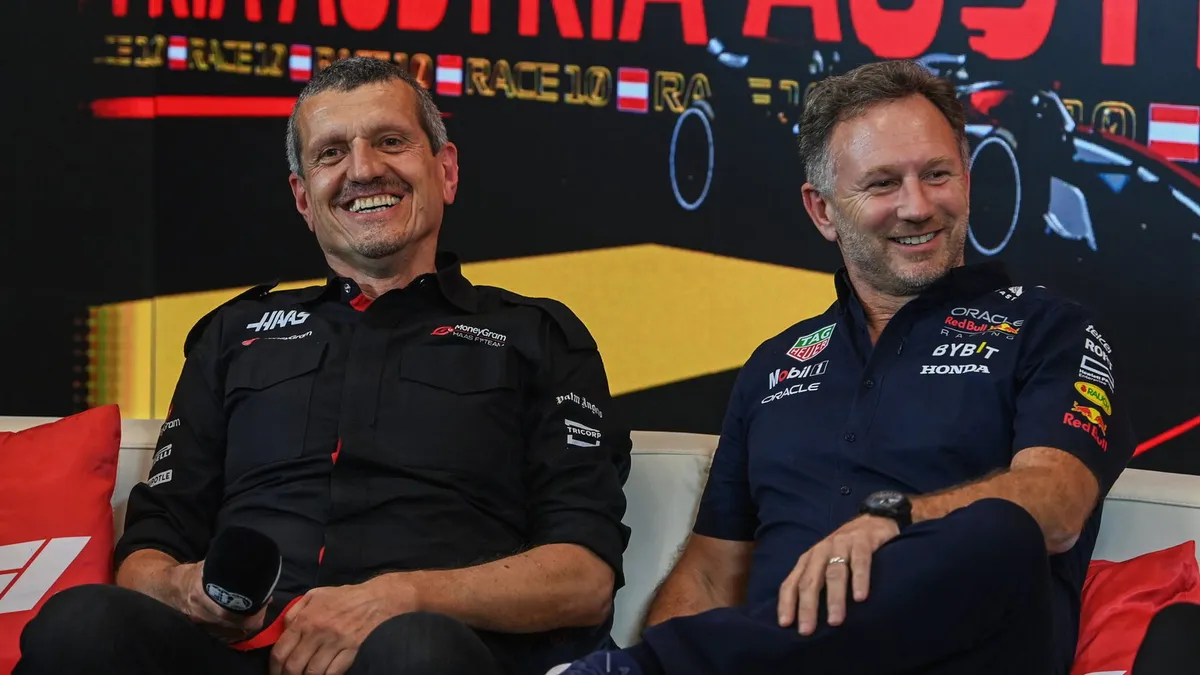
Christian Horner sindir Guenther Steiner yang lebih terkenal karena serial Netflix ketimbang prestasi podium F1. Baca analisis mendalam di sini!
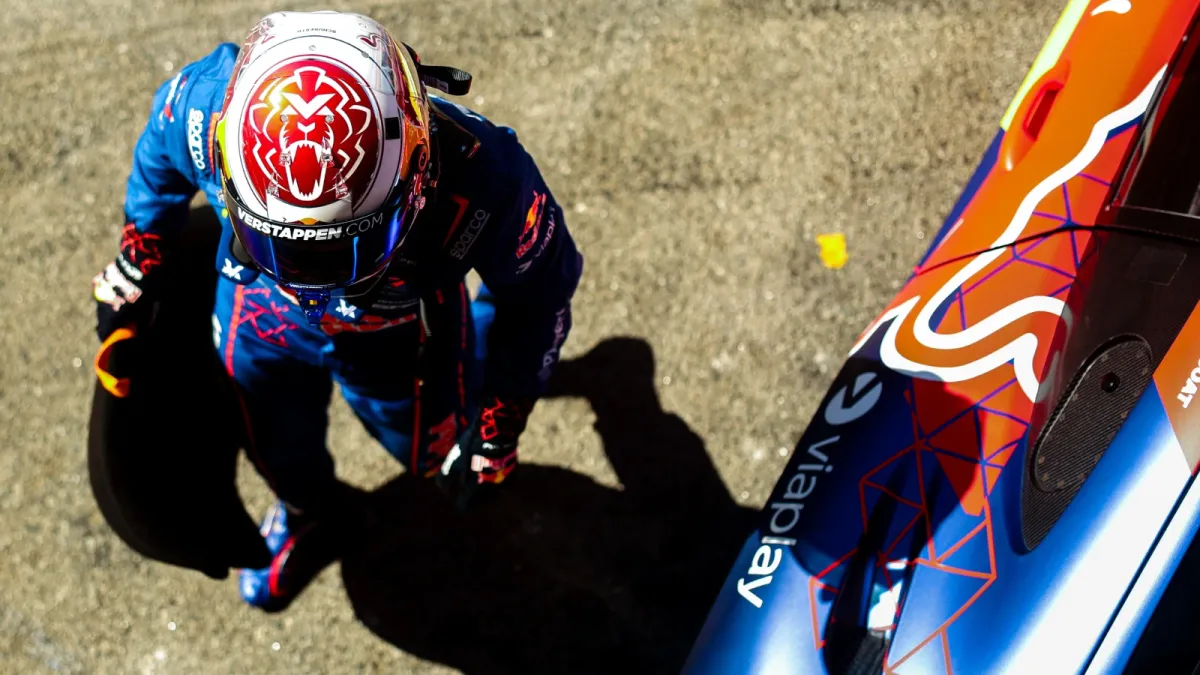
Max Verstappen kecam keras pelecehan online yang menimpa rekan setimnya, Chris Lulham. Baca analisis mendalam dan berita lengkapnya di sini.
 Continue with Google
Discussion (0)
Join the Discussion!
Sign in easily to start commenting, replying, and interacting with other readers.
Latest Comments
No comments yet. Be the first!