






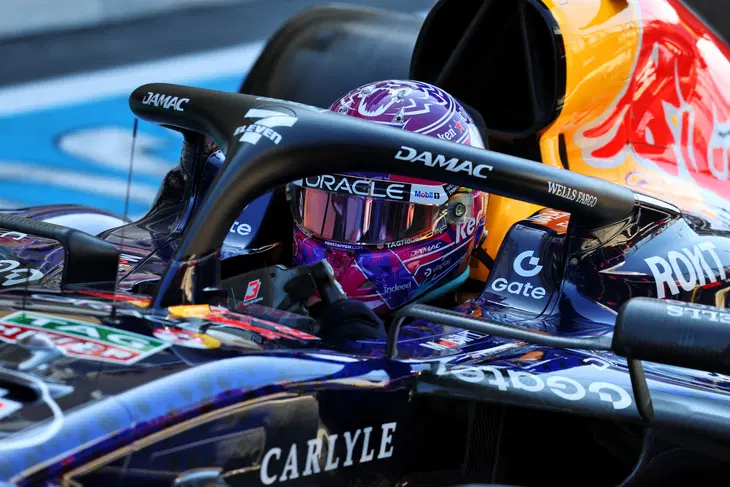

Max Verstappen has renewed his criticism of modern Formula 1 regulations and called on the sport to move towards a simpler and more natural form of racing. The Red Bull Racing driver believes the growing complexity of current power unit regulations has moved Formula 1 away from the core principles that have historically defined the championship.
Verstappen's comments come as Formula 1 continues to debate the future direction of its engine regulations. Under the next-generation power unit rules, power output is split equally between the internal combustion engine and a 350 kW electrical system. While the concept was designed to improve efficiency and sustainability, it has also created concerns regarding energy management and the impact on racing.
Ahead of the 2027 season, the FIA and stakeholders reached an agreement in principle to modify the power distribution ratio from 50:50 to 60:40. The objective is to reduce the super-clipping and lift-and-coast behaviour that has become increasingly common under the current framework. However, the proposal remains uncertain as manufacturers including Audi and Ferrari have reportedly raised concerns after investing heavily in the existing concept.
Verstappen has been one of the most outspoken critics of the new power unit philosophy. Earlier in the season, he described the regulations as "anti-racing" and compared them to "Formula E on steroids". Although adjustments were introduced before the Miami Grand Prix to reduce some of the negative effects, the Dutchman believes the fundamental issue remains unresolved.
"For me, even this season, after racing different kinds of cars and especially last week, it reminded me how pure motorsport can be and how great racing can be," Verstappen told media, as quoted by RacingNews365.
The reigning world champion recently competed in a GT3 car at the Nürburgring 24 Hours before returning to Formula 1 and securing a podium finish at the Canadian Grand Prix. That experience, he explained, reinforced his belief that racing should be driven more by driver skill and less by complex energy management systems.
According to Verstappen, Formula 1 drivers are currently required to manage too many technical variables that are largely invisible to fans. Battery deployment, energy harvesting, formation lap procedures, and operational restrictions when following another car have all become major parts of the driving challenge. He argues that most spectators have little understanding of these systems despite their significant impact on race outcomes.
"Formula 1 needs to be more pure. Everything is too complicated. Most fans don't even know what we're dealing with in the car, whether it's battery management, formation lap procedures, or what you're allowed to do when following another car," Verstappen explained.
The debate over Formula 1's future engine direction intensified further after FIA President Mohammed Ben Sulayem recently confirmed that the championship intends to return to V8 engines during the next engine cycle, potentially from 2030 onwards. Most power unit manufacturers are understood to support the concept as a way of reducing complexity while preserving Formula 1's traditional identity.
Despite his criticism of the regulations, Verstappen stressed that exciting racing is ultimately created by the drivers themselves rather than by technical rules. He believes Formula 1 competitors would continue to produce close and entertaining battles regardless of the machinery. However, he remains convinced that a simpler regulatory framework would make the sport more natural, more accessible to fans, and closer to the pure racing philosophy that has defined Formula 1 throughout its history.
Read Also
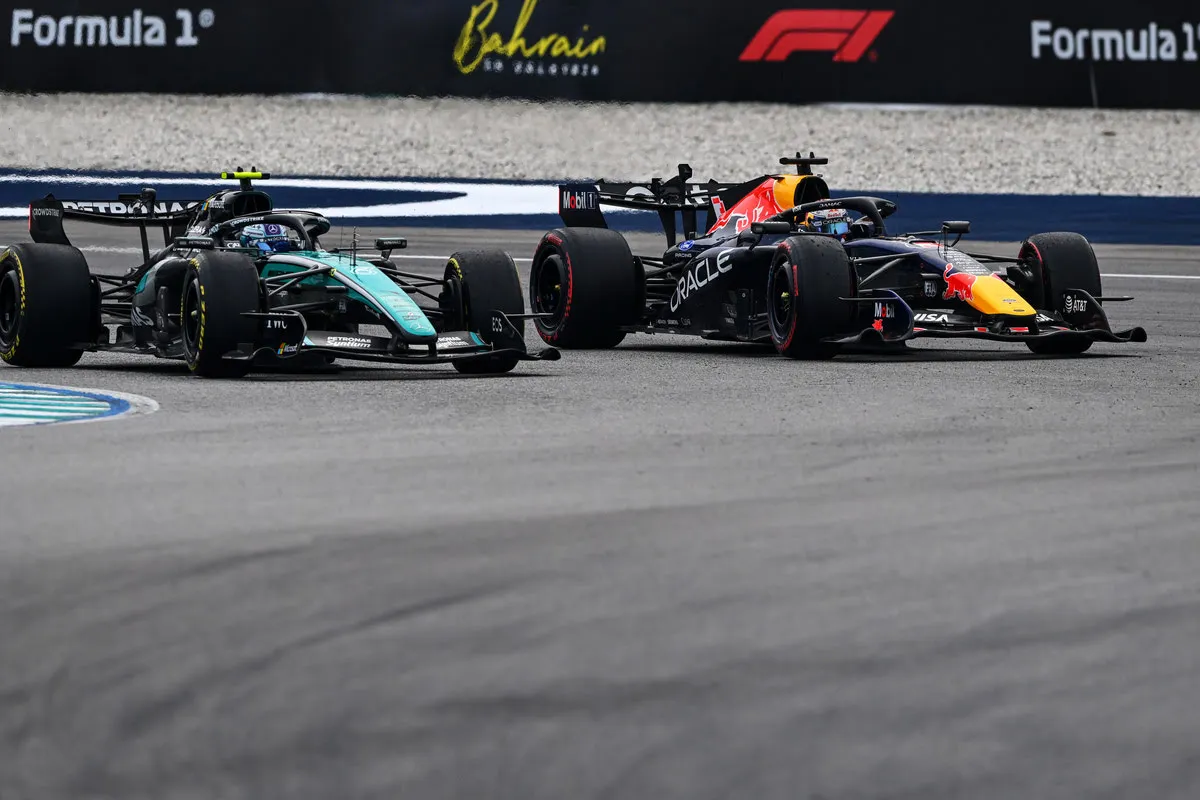
Keterkaitan software bug F1 di Sepang dengan trik mesin Mercedes dan Red Bull yang dilarang di kualifikasi diulas tuntas oleh FormulaPassion.

Valtteri Bottas ceritakan perjalanan sepeda tiga hari melewati hutan Malaysia menuju GP Singapura untuk reset mental.
FIA mengungkap hasil investigasi bug perangkat lunak GP Bahrain, merinci penyebab hilangnya tenaga mesin dan langkah mitigasi untuk balapan selanjutnya.
 Continue with Google
Discussion (0)
Join the Discussion!
Sign in easily to start commenting, replying, and interacting with other readers.
Latest Comments
No comments yet. Be the first!