






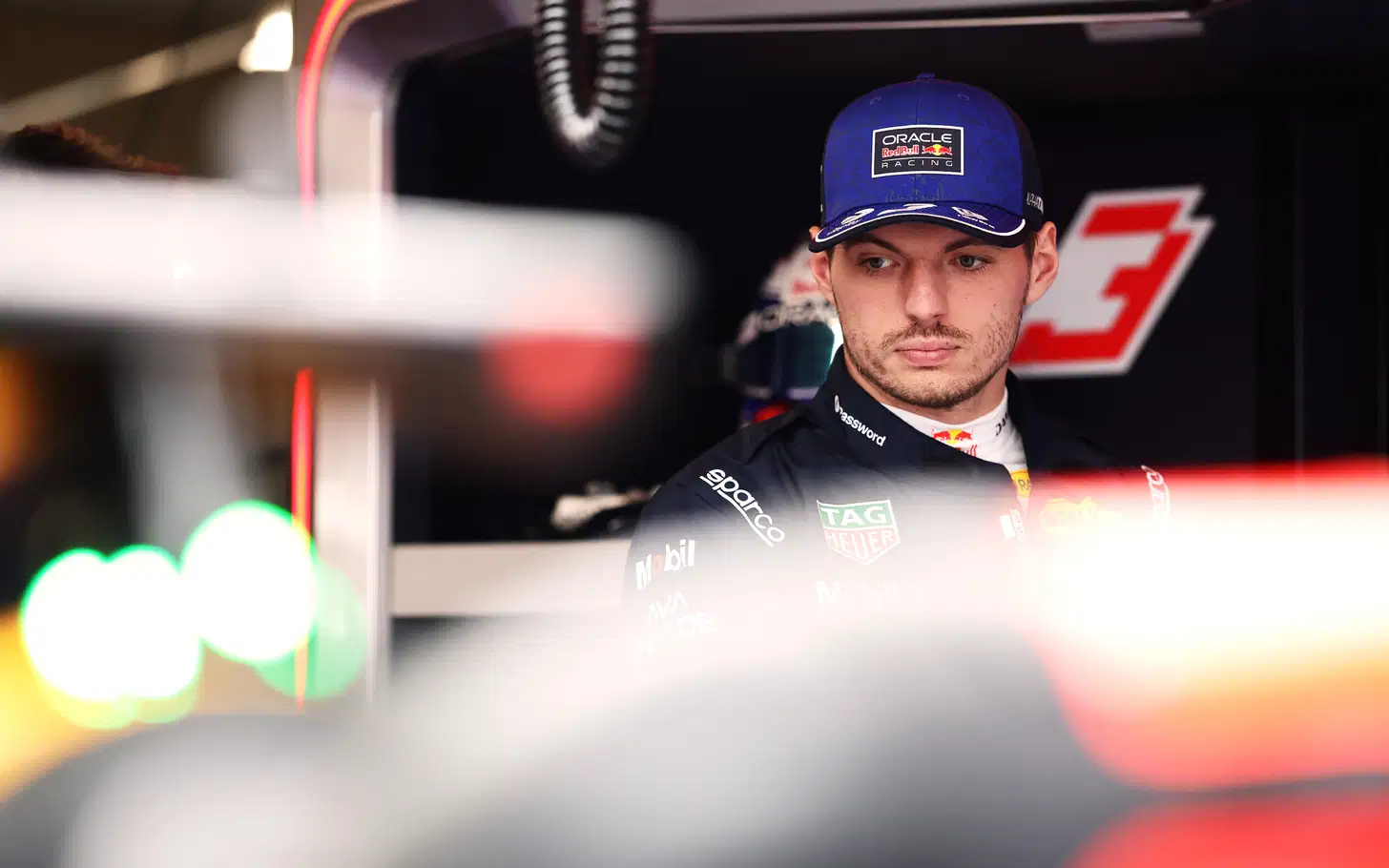

Max Verstappen remains one of the leading voices in Formula 1's ongoing debate over future regulations, but former strategist Bernie Collins believes the Dutchman may have weakened one of his strongest bargaining tools after confirming his intention to remain in the sport beyond 2026.
Over the last two seasons, Verstappen has emerged as one of the most vocal critics of Formula 1's current power unit direction. The Red Bull Racing driver has repeatedly argued that the 50:50 balance between internal combustion power and electrical energy management has made the sport unnecessarily complex and moved it away from its traditional racing roots.
The debate intensified further following proposals to shift the power balance to a 60:40 split from next season. The objective is to reduce super-clipping and excessive lift-and-coast behaviour, both of which have become significant concerns under the current regulations. Although an agreement in principle was reached during the Miami Grand Prix weekend, implementation remains uncertain due to disagreements among power unit manufacturers.
Throughout the discussion, Verstappen has leveraged his position as a four-time world champion to advocate for change. He has frequently suggested that the direction of future regulations could influence how long he remains in Formula 1, a statement that has carried considerable weight given his status within the sport.
However, Collins believes that position became slightly less powerful after Verstappen recently confirmed to Dutch newspaper De Telegraaf that he intends to continue competing in Formula 1 during the 2027 season regardless of the outcome of the current regulatory discussions.
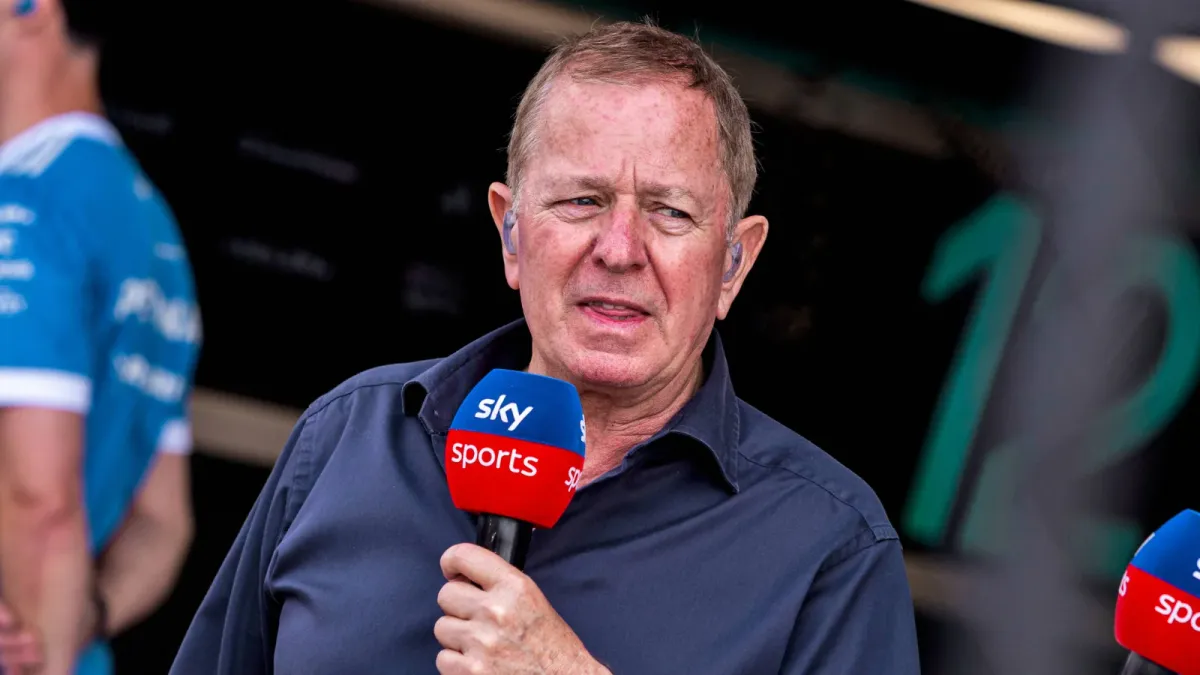
"There are very few drivers in this paddock who have enormous standing and a voice in this sport. Max Verstappen is one of those people. He's using that voice to push the future of the sport in a direction that he believes is positive for both himself and Formula 1 as a whole," Collins told Sky F1.
According to Collins, Verstappen's criticism is not motivated solely by personal interests. Instead, she believes the Dutchman genuinely wants Formula 1 to return to a simpler and purer form of racing, placing greater emphasis on driving and competition rather than increasingly complex energy management systems.
From a technical standpoint, Verstappen's concerns are shared by several other drivers. Questions have been raised throughout the paddock regarding the growing reliance on electrical deployment systems and the impact those systems may have on the quality of racing. As a result, the debate extends well beyond Verstappen's individual preferences and touches on the broader direction of the championship.
Nevertheless, Collins argued that confirming his future has removed some of the leverage Verstappen previously possessed. While uncertainty remained over whether he might eventually walk away from Formula 1, the possibility itself added weight to his position during discussions about the sport's future.
"His only slight weakness was a few days ago when he said he was going to stay because he committed to it. But he has been very strong on this issue, and fair play to him for standing up for something he feels very strongly about," Collins added.
Even so, Verstappen's influence over Formula 1's regulatory discussions is unlikely to diminish significantly. As the most successful driver of the current era and one of the sport's most prominent figures, his views on engine regulations, racing philosophy and the future direction of Formula 1 will continue to play an important role in shaping decisions that could define the championship for years to come.
Read Also
Simak analisis lengkap kebangkitan McLaren di GP Singapura 2026 setelah Andrea Stella pastikan performa mobil kembali kompetitif. Baca ulasan mendalam di sini!
Simak analisis lengkap kebingungan Mercedes atas kegagalan upgrade F1 2026 di Singapura. Baca ulasan mendalam performa pembalap di sini!
Isack Hadjar sebut mobil Red Bull tak layak dikendarai usai kualifikasi Sprint GP Singapura 2026. Baca analisis mendalam selengkapnya di sini!
 Continue with Google
Discussion (0)
Join the Discussion!
Sign in easily to start commenting, replying, and interacting with other readers.
Latest Comments
No comments yet. Be the first!