







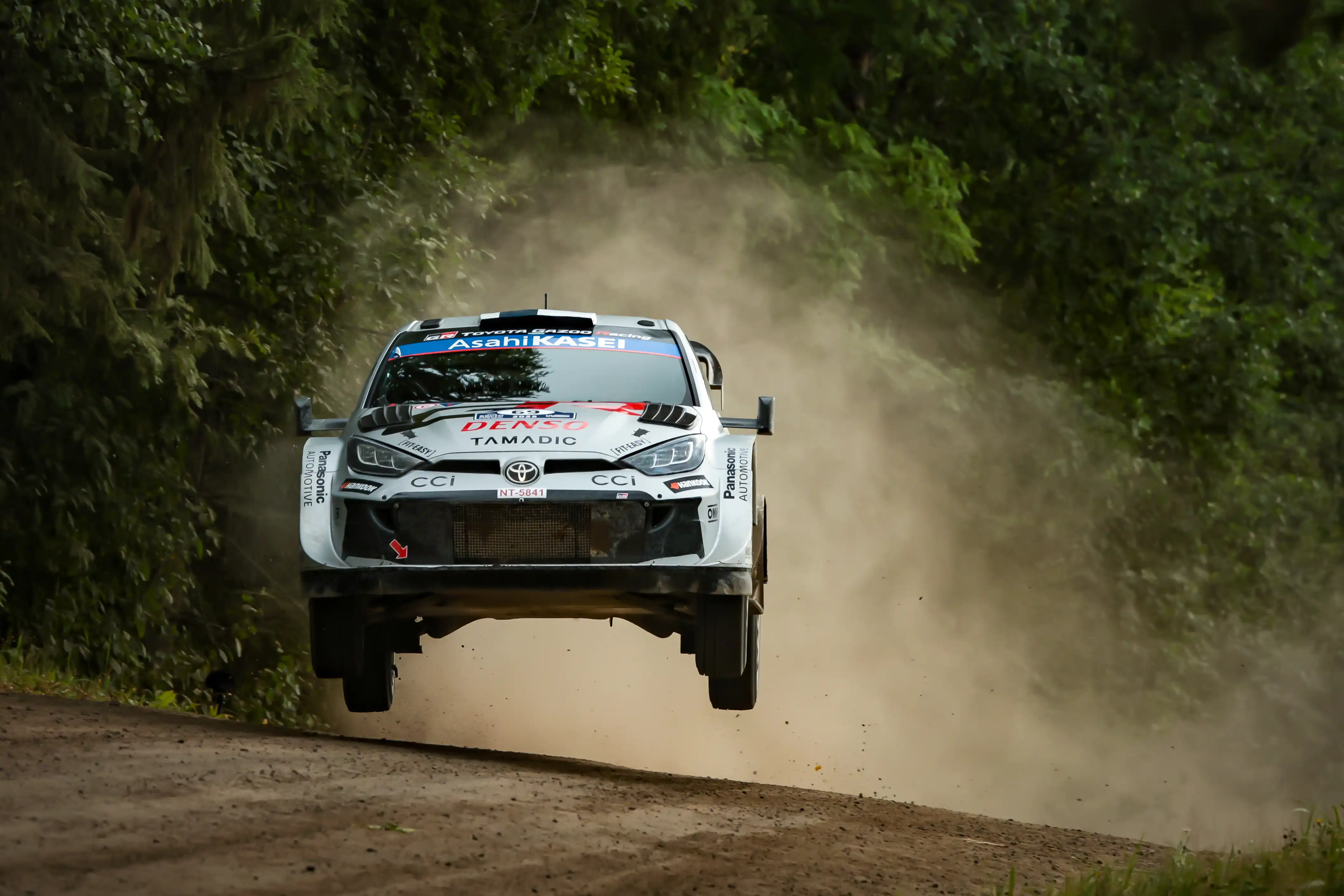

Toni Vilander, President of Finland’s national motorsport authority AKK, has offered a candid assessment of the FIA World Rally Championship (WRC) and its popularity in Finland following Kalle Rovanperä’s decision to step away from the series in pursuit of a different motorsport pathway.
Although Vilander is best known for his background in circuit racing and Formula 1, he describes himself as a committed rally fan who closely follows developments in the WRC. From his perspective, Rovanperä’s departure—removing Finland’s most prominent rallying figure at the height of his career—has forced broader reflection on the championship’s structure and long-term attractiveness.
“I’m convinced that the FIA has woken up and realised that something needs to be done,” Vilander said.
Read AlsoWRC Cancels Saudi Arabia Rally, Evans Nears Title
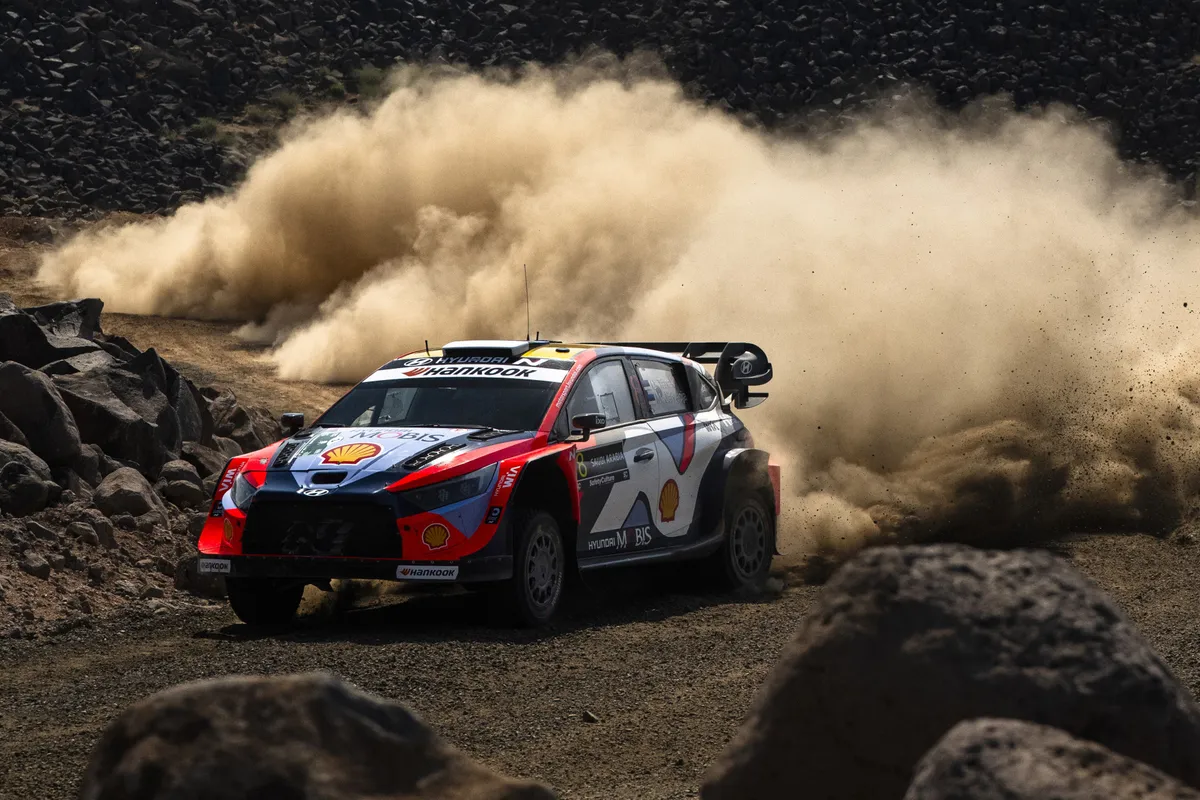
Vilander highlighted long-standing challenges linked to the WRC’s global format, particularly its accessibility for fans. While the championship remains rich in sporting substance, he believes the effort required to follow events live has become a barrier for casual audiences, who increasingly rely on condensed highlights rather than full weekend coverage.
“As an international phenomenon, the challenge is how difficult it is to follow. You almost always have to set alarms on your phone to keep up with a rally weekend, and for many people it ends up being just a highlights product,” he explained.
Beyond fan engagement, Vilander also addressed structural concerns at manufacturer level. With only Toyota Gazoo Racing and Hyundai Motorsport currently competing as full factory teams, he warned that the competitive base of the championship remains too narrow to guarantee long-term stability.
“We clearly need more car brands and a broader overall focus,” Vilander stated.
His concerns extend to the drivers themselves. Vilander pointed to a growing trend among top-level competitors toward part-time programmes or alternative career paths. Alongside Rovanperä’s decision, Sébastien Ogier has raced part-time for several seasons, while 2019 world champion Ott Tänak has, at different points, stepped away from the championship.
“From a driver’s point of view, I’m genuinely worried that those at the top of the sport will eventually choose to become part-time drivers, or even switch classes and competition formats altogether,” Vilander warned.
He questioned whether the modern workload placed on rally drivers—ranging from extensive reconnaissance and route note preparation to constant video analysis—has become excessive, especially when key regulatory decisions are often made without direct input from those competing.
“Is the amount of work involved already too much, with drivers watching onboard videos day and night and memorising clips? The decision-makers aren’t the ones competing, and that’s where the difference lies,” Vilander reflected.
Vilander also raised a critical point regarding technical regulations, arguing that drivers and teams are rarely given sufficient influence over the cars they are required to race. Drawing on his own experience, he stressed that enjoyment behind the wheel remains fundamental, regardless of financial incentives.
“If a car isn’t enjoyable to drive—because of its weight, tyres, engine, power delivery or aerodynamics—even a good salary won’t help. You’re driving 300 days a year and thinking that the cars from five years ago were actually faster,” he said.
According to Vilander, the most effective long-term decisions in motorsport are those that align commercial objectives with the desires of star drivers—yet history suggests this balance is rarely achieved.
“The right decisions should also be made based on what drivers and stars want. That has rarely happened in motorsport history, because commercial solutions often clash with how drivers feel,” he added.
Despite his criticism, Vilander acknowledged the complexity of the situation facing regulators.
“This is an extremely difficult position. What is the right solution, and is there a workable compromise? There are no easy answers,” Vilander concluded.
Vilander’s remarks underline that the challenges facing the WRC in the post-Rovanperä era extend beyond the loss of a single star, touching instead on fundamental questions of format, manufacturer commitment, driver workload, and the championship’s long-term appeal in an evolving global motorsport landscape.
Read Also
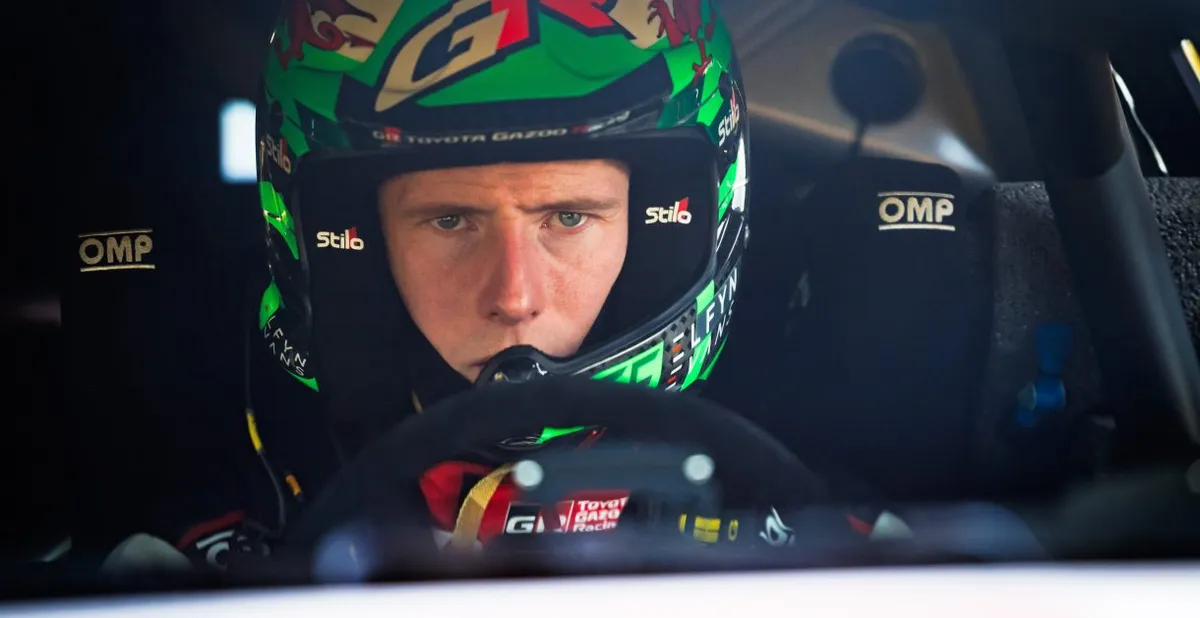
Elfyn Evans remains focused on WRC finale in Sardinia despite Saudi cancellation. Read his strategy and title chances.
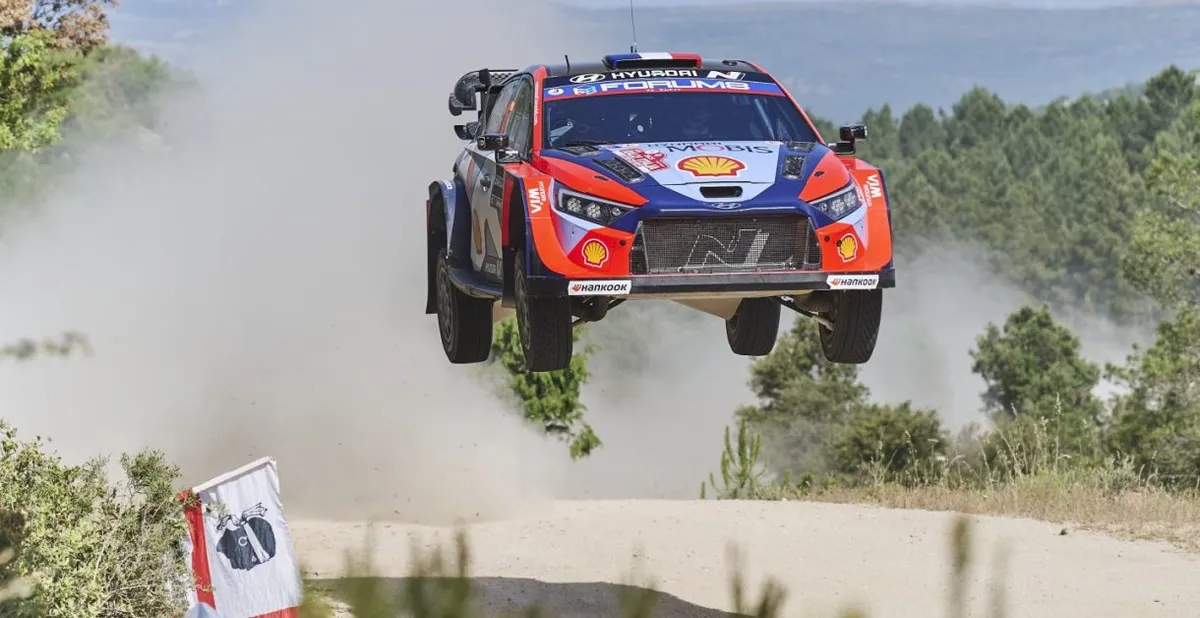
WRC 2026 finale moves to Italy after Saudi Arabia dropped. Elfyn Evans nears title, Ogier loses crown, Virves wins WRC2.
FIA cancels Rally Saudi Arabia from 2026 WRC calendar. Decision raises questions about F1's Middle East races. Full story here.
 Continue with Google
Discussion (0)
Join the Discussion!
Sign in easily to start commenting, replying, and interacting with other readers.
Latest Comments
No comments yet. Be the first!