






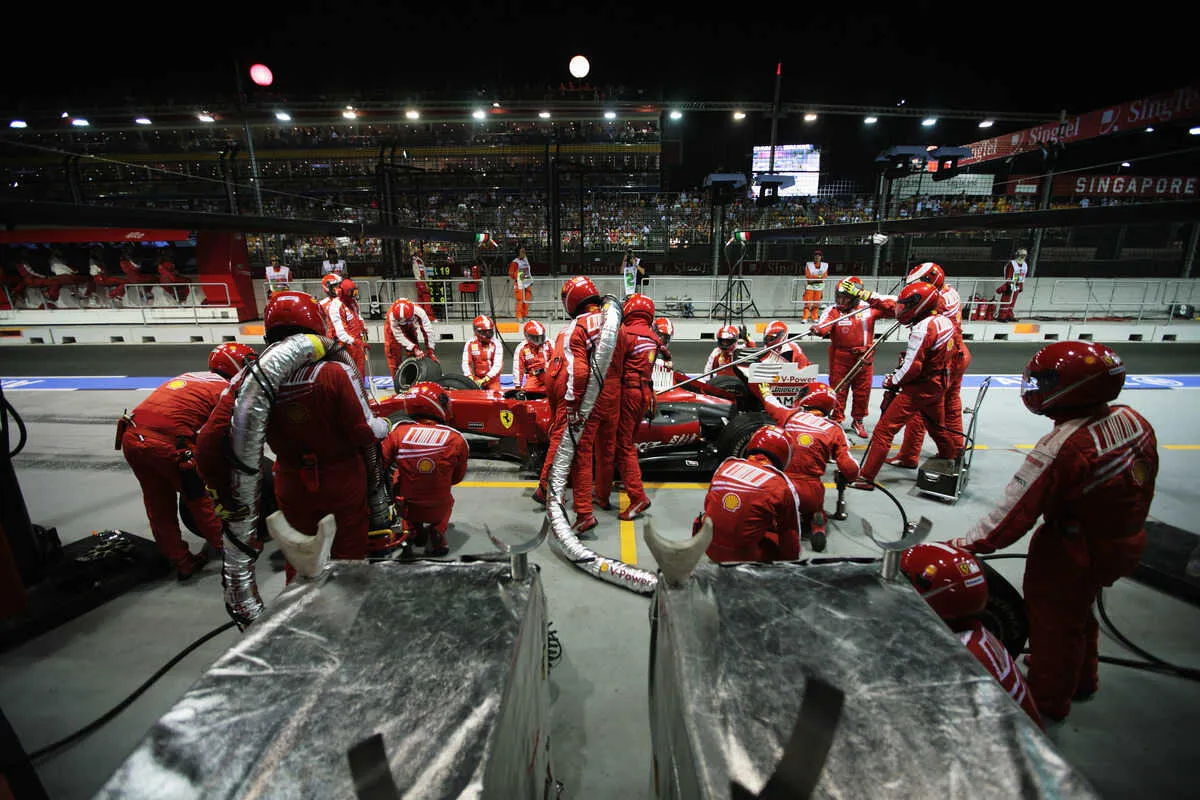

The proposal to bring back in-race refueling has resurfaced in the Formula 1 paddock, fueled by FIA President Mohammed Ben Sulayem's push for an upcoming engine regulation overhaul. The idea, still in its early stages, has drawn mixed reactions from team principals, who argue it could strip away the strategic unpredictability that defines modern racing.
Under the initial blueprint, the FIA is targeting a V8 engine that retains a smaller electrical component, reminiscent of the KERS system used between 2009 and 2013. If realized, this regulation would effectively close the chapter on the turbo-hybrid era that has dominated the sport since 2014.
However, the notion of reviving refueling, banned since 2010, has faced strong opposition. James Vowles, Williams team principal, stressed that reintroducing refueling would make race outcomes more predictable, not less.
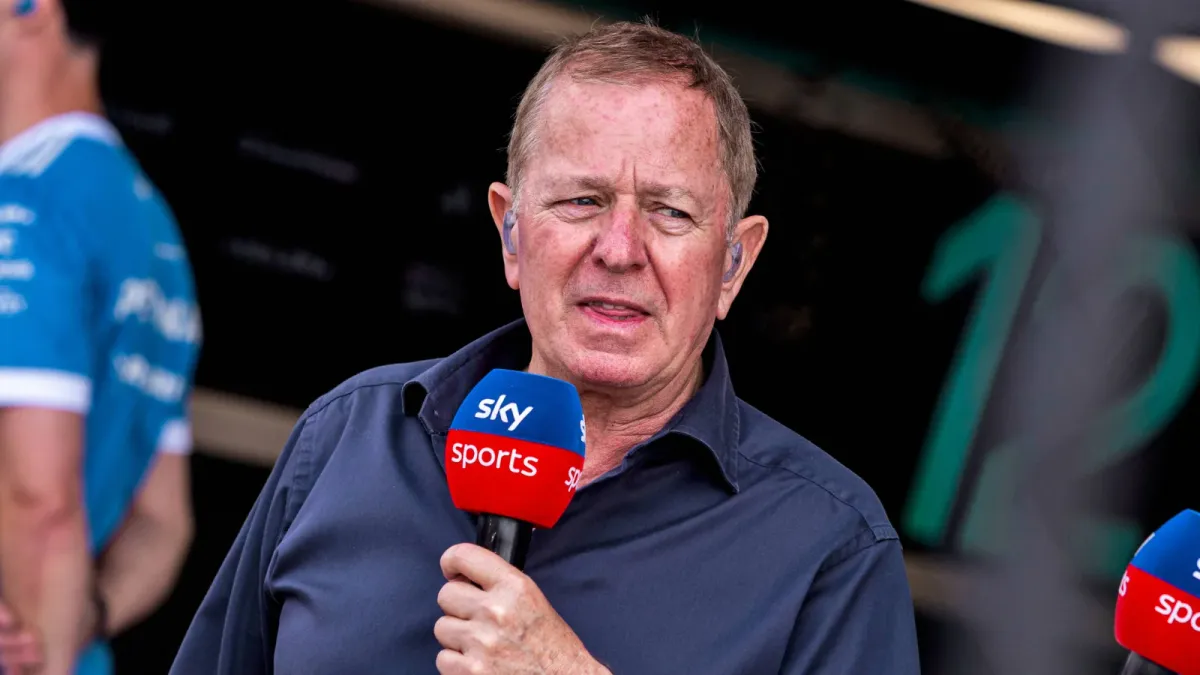
“With refueling, we could predict exactly when the cars would pit,” Vowles said during the Zandvoort press conference, as reported by FormulaPassion. “Teams would always try to stretch the fuel load to the limit because the car is fastest when the tank is nearly empty. As a result, fans, who now have access to vast data, would easily read the race scenario, whether it's a one, two, or three-stop strategy.”
Vowles added that a more relevant solution to boost spectacle would be to reduce the overall weight of the cars. “In my view, this takes away some of the charm of racing. Besides, wearing a race suit on the pit wall is quite hot, so I'd rather not do that again,” he joked.
A similar view was echoed by Ayao Komatsu of Haas. He believes the old refueling system made races harder to follow for spectators at the track. “Personally, I'm not a big fan of refueling. Even when I watched races from outside, refueling made the race confusing for a spectator in the grandstand. Same for qualifying,” he said. “I like the car to be lightest in qualifying, with the driver pushing flat out.”
Peter Bayer, CEO of Racing Bulls, revealed that the refueling idea had already been evaluated and dismissed in the past. “When I was still working with the FIA, we had a working group with Formula 1, including Ross Brawn and his team, on how to improve entertainment and spectacle. One of the big ideas was the return of refueling,” Bayer recalled. “But after digging deep into historical footage and data, we found that, apart from a few spectacular and dangerous images, it was counterproductive overall.”
The debate is far from a final decision, but the critical stance from team principals indicates that Sulayem's proposal faces an uphill battle. With new engine regulations slated for 2026, the FIA and Formula 1 must find a middle ground between delivering spectacle and preserving the strategic complexity that is a core appeal of the sport. Fans now await clarity on the regulatory direction, as this decision will shape Formula 1 for the next decade.
Read Also
Simak analisis lengkap kebangkitan McLaren di GP Singapura 2026 setelah Andrea Stella pastikan performa mobil kembali kompetitif. Baca ulasan mendalam di sini!
Simak analisis lengkap kebingungan Mercedes atas kegagalan upgrade F1 2026 di Singapura. Baca ulasan mendalam performa pembalap di sini!
Isack Hadjar sebut mobil Red Bull tak layak dikendarai usai kualifikasi Sprint GP Singapura 2026. Baca analisis mendalam selengkapnya di sini!
 Continue with Google
Discussion (0)
Join the Discussion!
Sign in easily to start commenting, replying, and interacting with other readers.
Latest Comments
No comments yet. Be the first!