






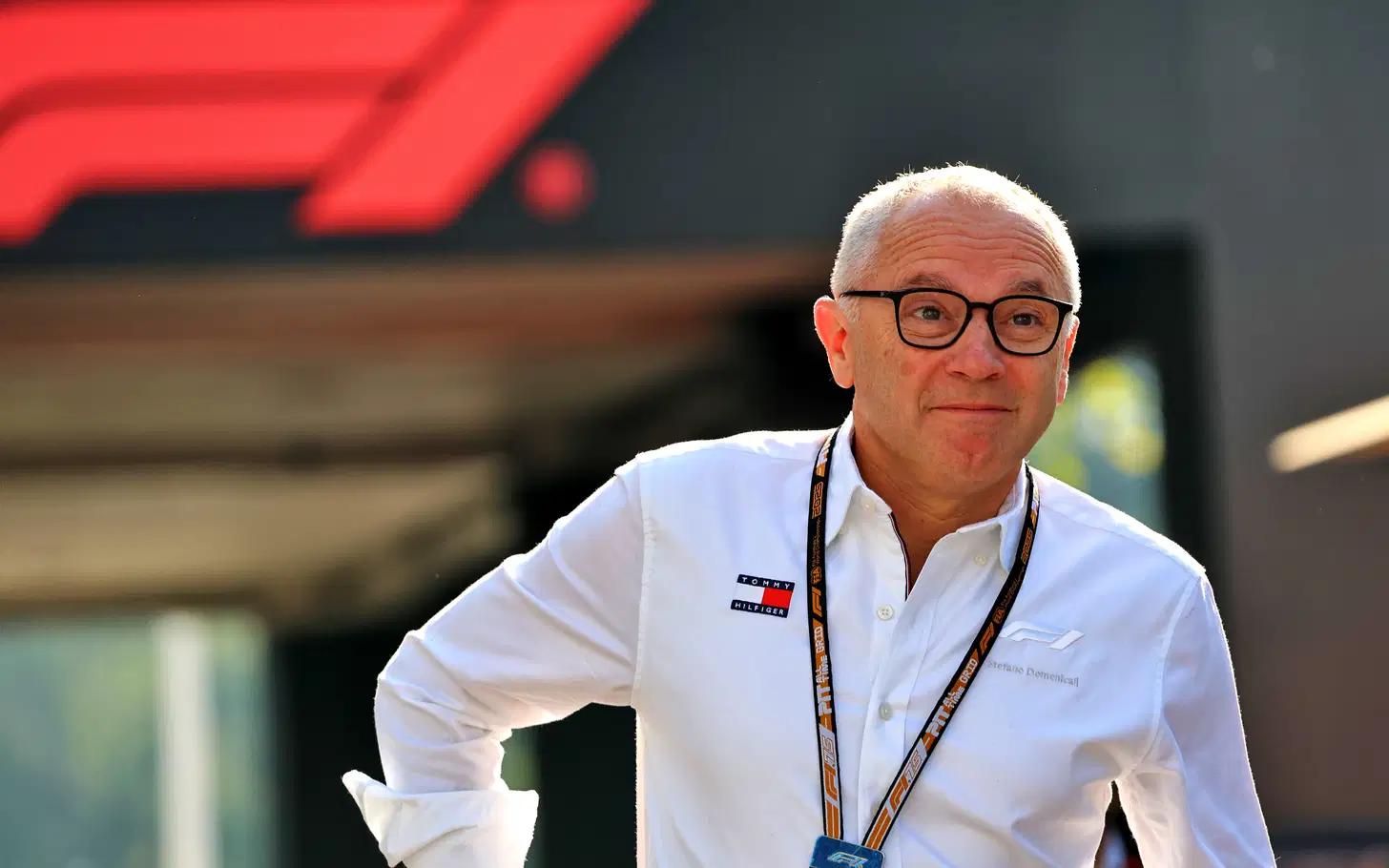

Formula 1, Sportrik Media - Stefano Domenicali, CEO of Formula 1, has issued a strong defence of the 2026 technical regulations amid growing criticism from across the paddock.
The opening three rounds of the season have raised multiple concerns regarding the new power unit configuration, which features a 50-50 split between the internal combustion engine and an enhanced electrical system delivering up to 350 kW. This shift has significantly altered race management strategies, particularly in terms of energy deployment.
During qualifying sessions in Australia and Japan, drivers were unable to complete optimal laps without employing lift-and-coast techniques or “super-clipping,” where the car remains at full throttle but decelerates in order to recharge the battery.
These characteristics, along with comparisons by some drivers to “Mario Kart”-style racing, have prompted discussions between the FIA, Formula 1, and the teams during the April break to evaluate potential adjustments.
Domenicali rejected claims that the current racing style is artificial, arguing that energy management has always been a fundamental part of Formula 1’s technical DNA.
“Overtaking—some people are saying it is artificial. What is artificial?” Domenicali told Autosport.
“Overtaking is overtaking. People have a short memory, because in the turbo era of the 1980s, we already saw lift and coast, different turbo usage, and varying speeds.”
He pointed out that similar constraints existed in earlier eras, particularly due to fuel limitations, which required drivers to manage performance over race distance.
“You had to manage it, otherwise the fuel tank was too small. These things were already there in the 1980s,” he explained.
Domenicali suggested that some of the criticism stems from a lack of historical perspective, as regulatory changes have consistently introduced new driving techniques and strategic considerations throughout Formula 1’s evolution.
With ongoing discussions between governing bodies and teams, Formula 1 is currently in an evaluation phase regarding the early impact of the new regulations. Any refinements introduced in the coming weeks will be crucial in balancing technological innovation with on-track competitiveness as the season progresses.
Read Also
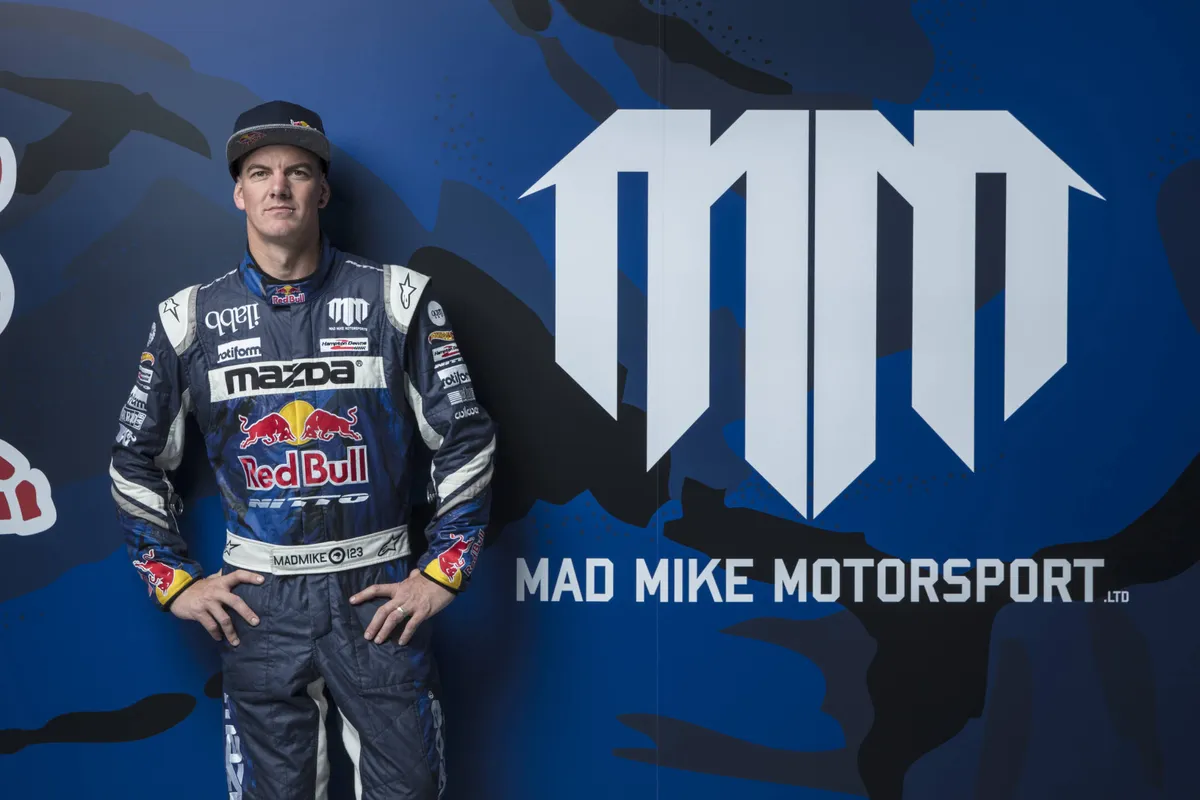
Simak debut sensasional ikon drift Mad Mike di ajang Race of Champions 2026 bersama bintang F1 dan reli dunia. Baca analisis mendalam di sini!
Laurent Mekies resmi perpanjang kontrak hingga 2031 bersama Red Bull F1. Baca analisis mendalam mengenai stabilitas tim dan arah masa depan di sini.
Simak kisah lengkap Christian Horner yang gagal merekrut Fernando Alonso dan Charles Leclerc ke Red Bull F1. Baca analisis mendalam di sini!
 Continue with Google
Discussion (0)
Join the Discussion!
Sign in easily to start commenting, replying, and interacting with other readers.
Latest Comments
No comments yet. Be the first!