







Mercedes and McLaren became the focal point of Formula 1's development war during the Canadian Grand Prix after both teams introduced substantial upgrade packages. With the 2026 regulations creating an intense technical race, Montreal offered one of the clearest opportunities yet to evaluate the effectiveness of each team's development philosophy.
The final result appeared to favour Mercedes. The Brackley-based team secured another victory through Andrea Kimi Antonelli and displayed strong overall pace with George Russell before his power unit failure. Behind the headline results, however, the technical contest against McLaren was arguably one of the most important stories of the weekend.
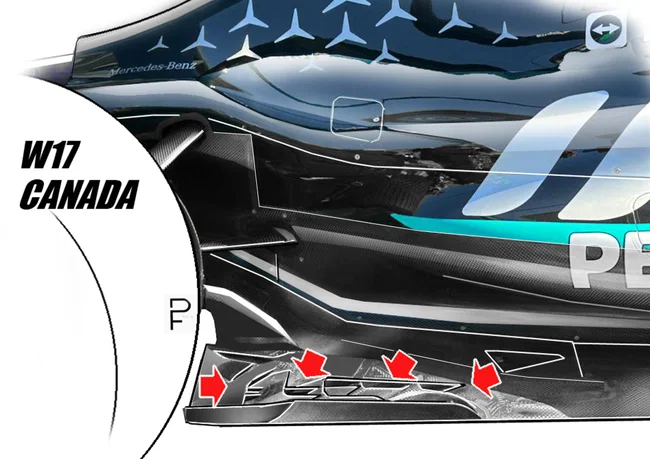
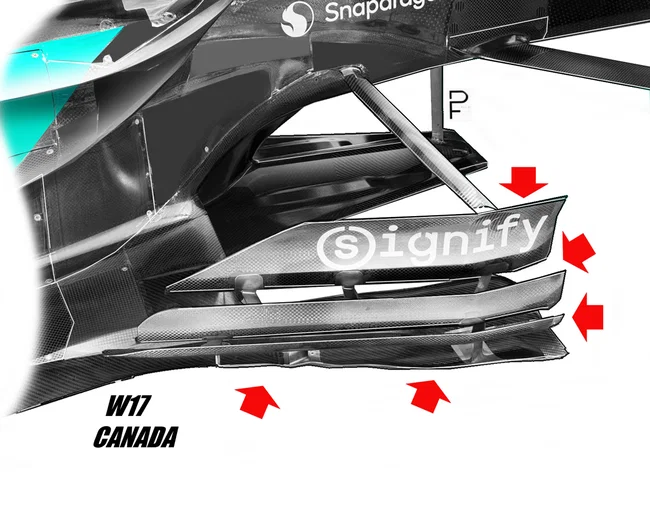
Mercedes focused its latest development work on the W17's bargeboards and floor. Engineers significantly reshaped the airflow management structures ahead of the sidepods to improve the separation of airflow feeding both the sidepods and the underfloor. The objective was to enhance aerodynamic efficiency while maintaining airflow stability across a broader operating window.
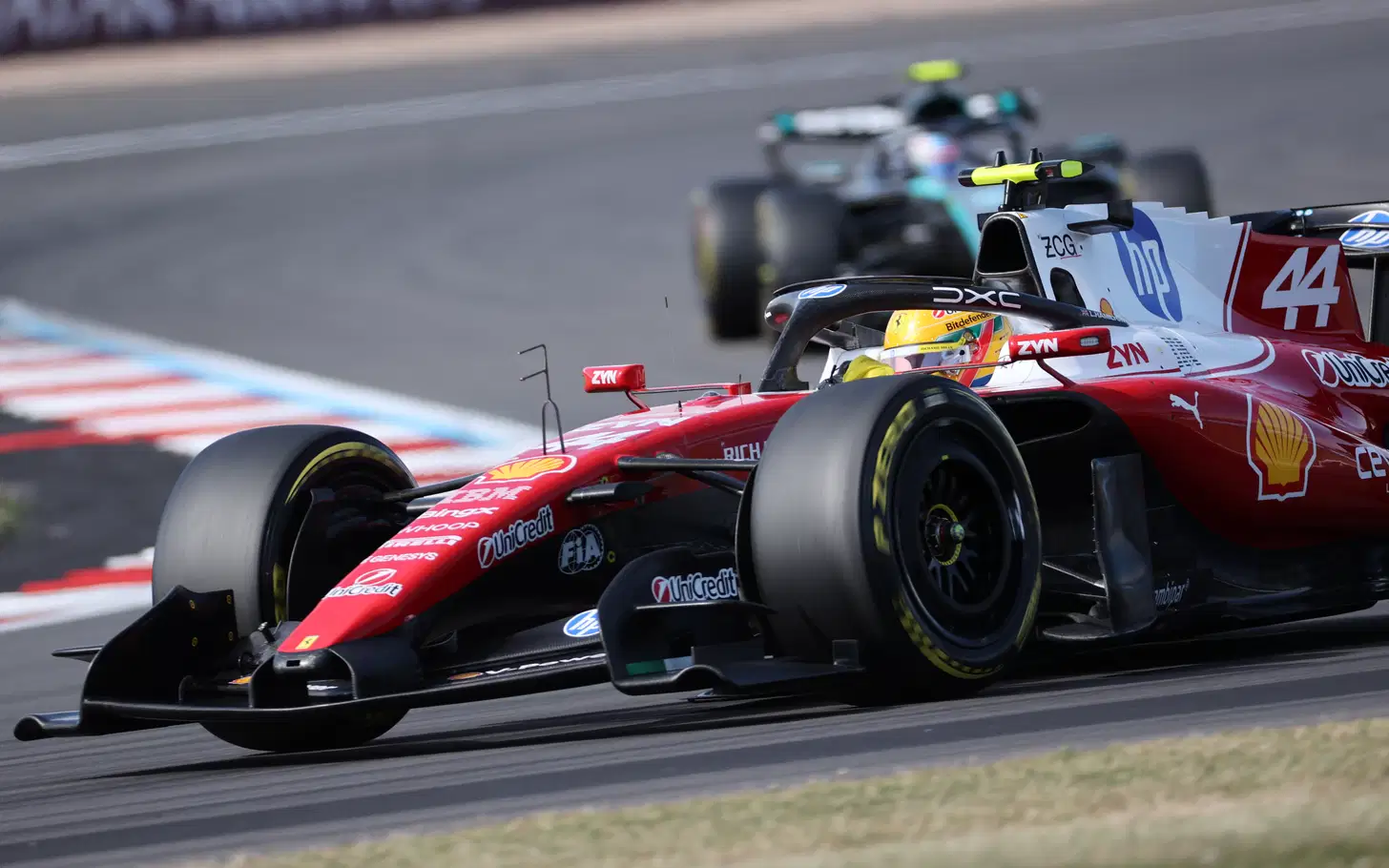
The team also redesigned the so-called coke bottle area ahead of the rear wheels. Additional slots were introduced to redirect turbulence away from the diffuser, helping maintain cleaner airflow through the rear floor section. The result is a more efficient generation of downforce and improved aerodynamic consistency.
From a performance perspective, one of the most significant benefits appears to be improved traction. Montreal places a premium on strong acceleration from slow-speed corners, and the revised floor concept appears to have delivered gains in both aerodynamic load distribution and rear-end stability.
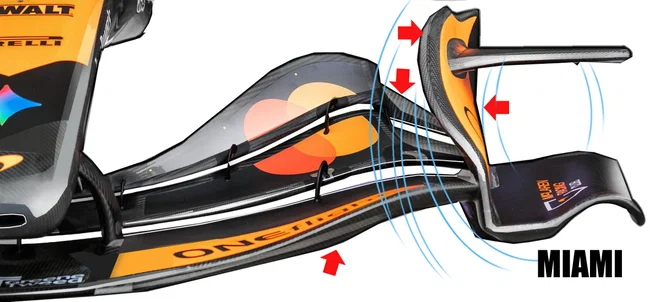
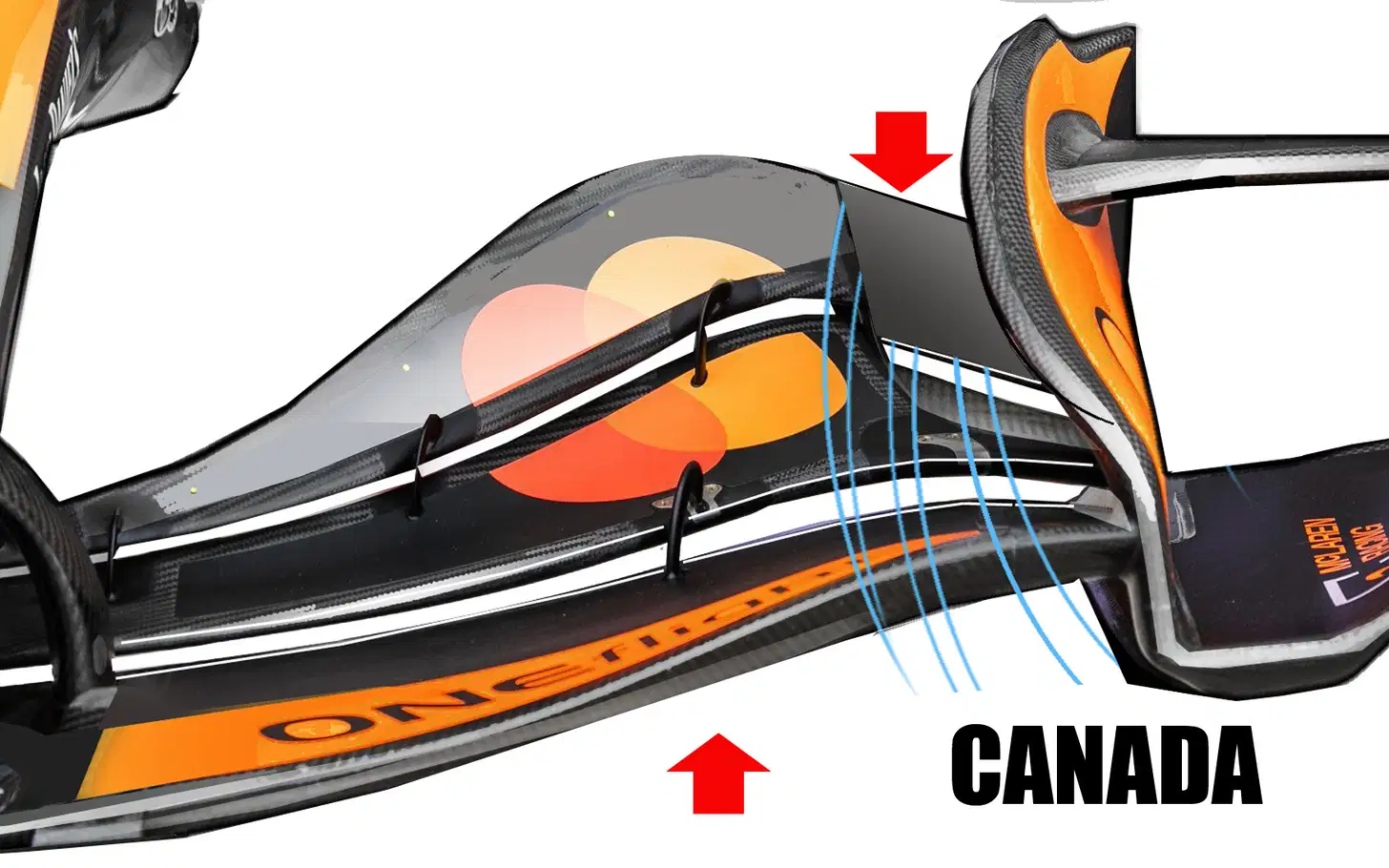
McLaren, meanwhile, continued the upgrade path that began in Miami. The Woking-based team introduced further revisions to the front wing and rear aerodynamic package. The primary objective was to improve overall aerodynamic efficiency while refining airflow management around the front wheels.
One of the most notable changes was made to the final front-wing flap near the endplate. The updated design aims to generate greater localised downforce while preserving the outwash characteristics that play a critical role in controlling wheel-generated turbulence.
However, McLaren's rollout was not entirely straightforward. The team encountered unexpected behaviour during the opening practice session, prompting engineers to temporarily remove some of the new components for additional evaluation. The Sprint weekend format also limited testing opportunities and complicated the process of finding the ideal setup.
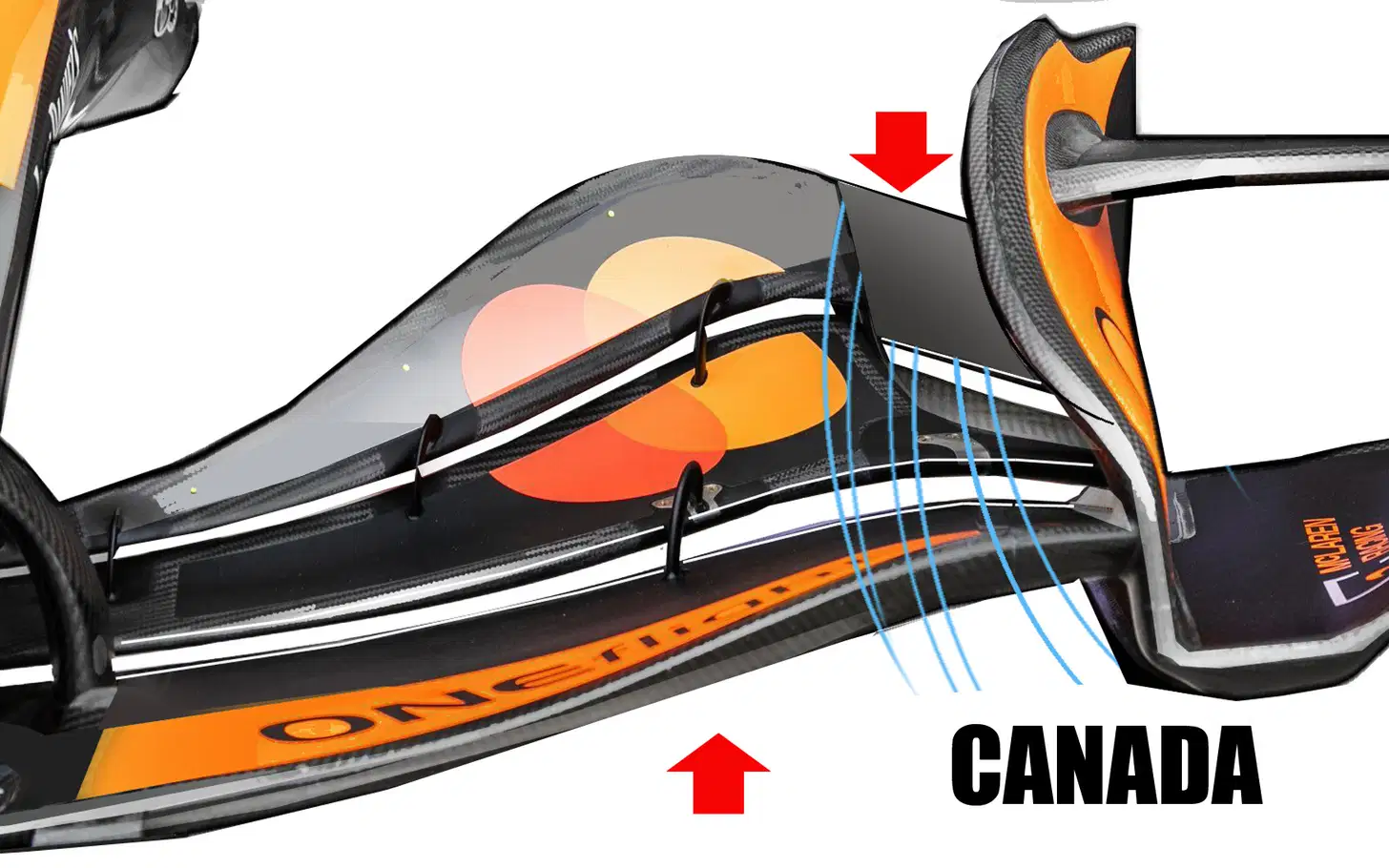
The technical comparison between the two teams is particularly fascinating because both operate Mercedes power units. Observations from the paddock suggest Mercedes currently retains an advantage not only through its aerodynamic package but also through a more effective utilisation of the power unit's available performance modes.
Nevertheless, there are signs that McLaren is gradually reducing the gap through improvements in vehicle dynamics and aerodynamic efficiency. With another major upgrade package expected at the Austrian Grand Prix, including the likely debut of the internally named "Macarena" specification, McLaren still has significant development potential available.
The upgrade battle between Mercedes and McLaren could ultimately become one of the defining stories of the 2026 season. Mercedes remains the benchmark in terms of results and outright pace, but McLaren's rate of development suggests the technical fight is far from over. As Formula 1 enters the European phase of the championship, every upgrade now carries the potential to reshape the competitive order and influence the direction of the title race.
Read Also
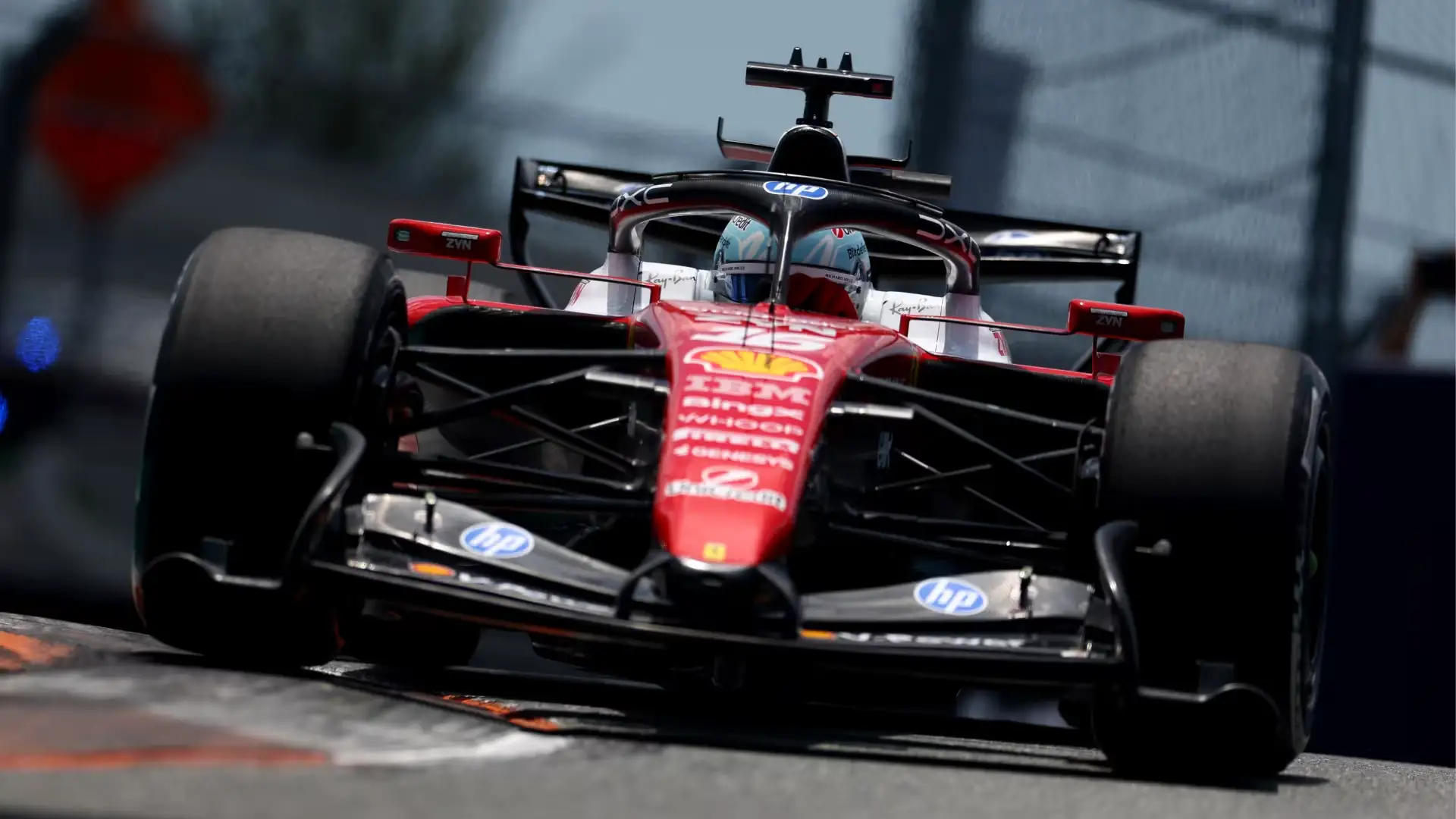
Ferrari introduced a major SF-26 upgrade package in Miami as it closes the gap to McLaren and Red Bull in Formula 1 2026.
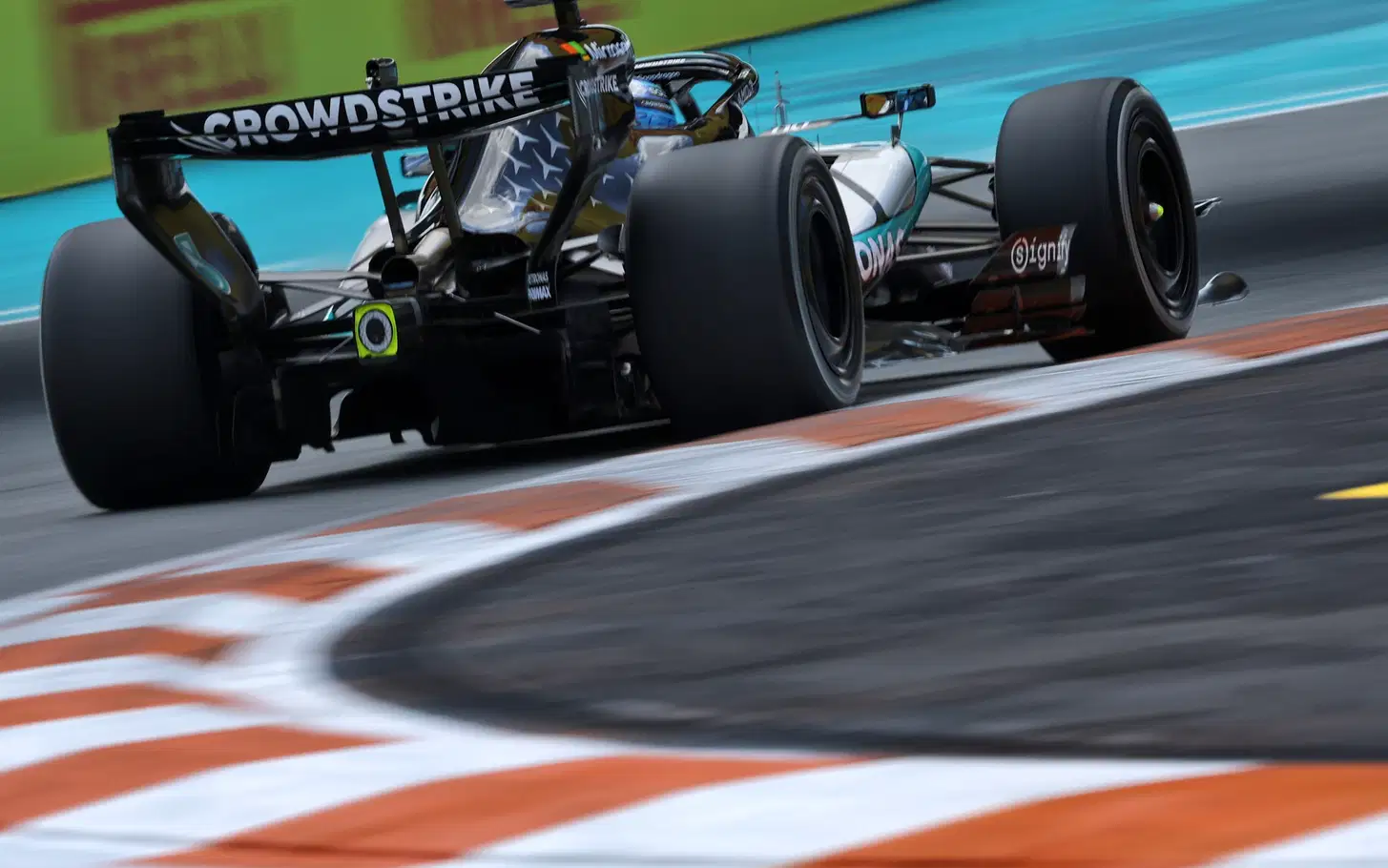
Mercedes faces a major Formula 1 challenge in Canada as FIA energy management changes threaten its early-season advantage.
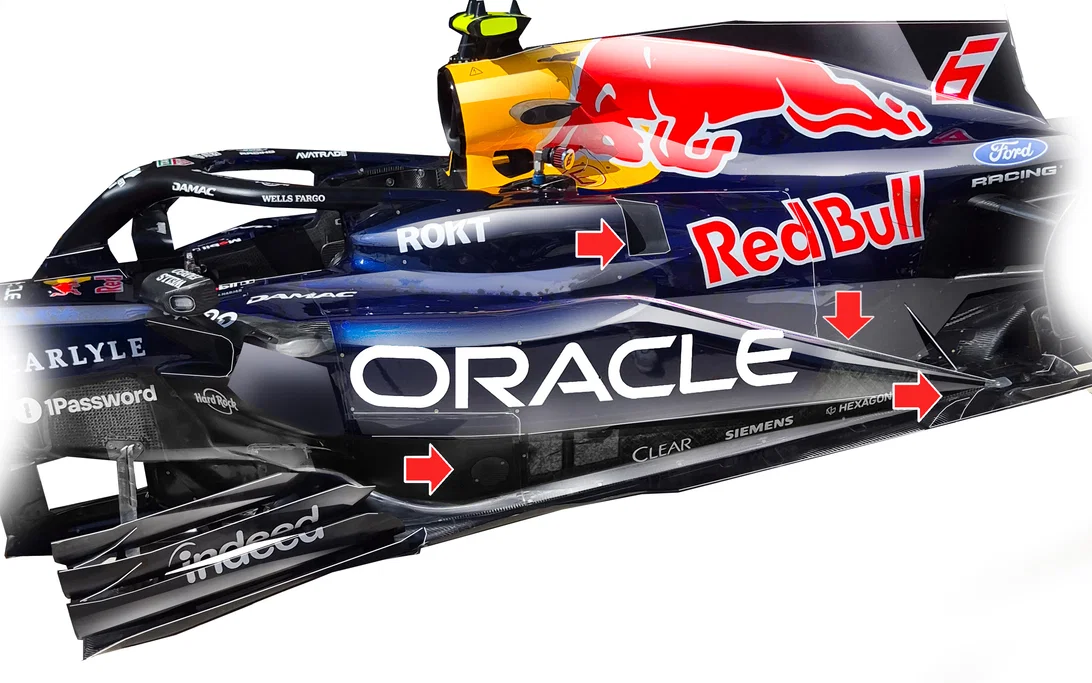
Red Bull, Ferrari and McLaren introduced major aerodynamic upgrades in Miami to close the performance gap to Mercedes in Formula 1 2026.
 Continue with Google
Discussion (0)
Join the Discussion!
Sign in easily to start commenting, replying, and interacting with other readers.
Latest Comments
No comments yet. Be the first!