






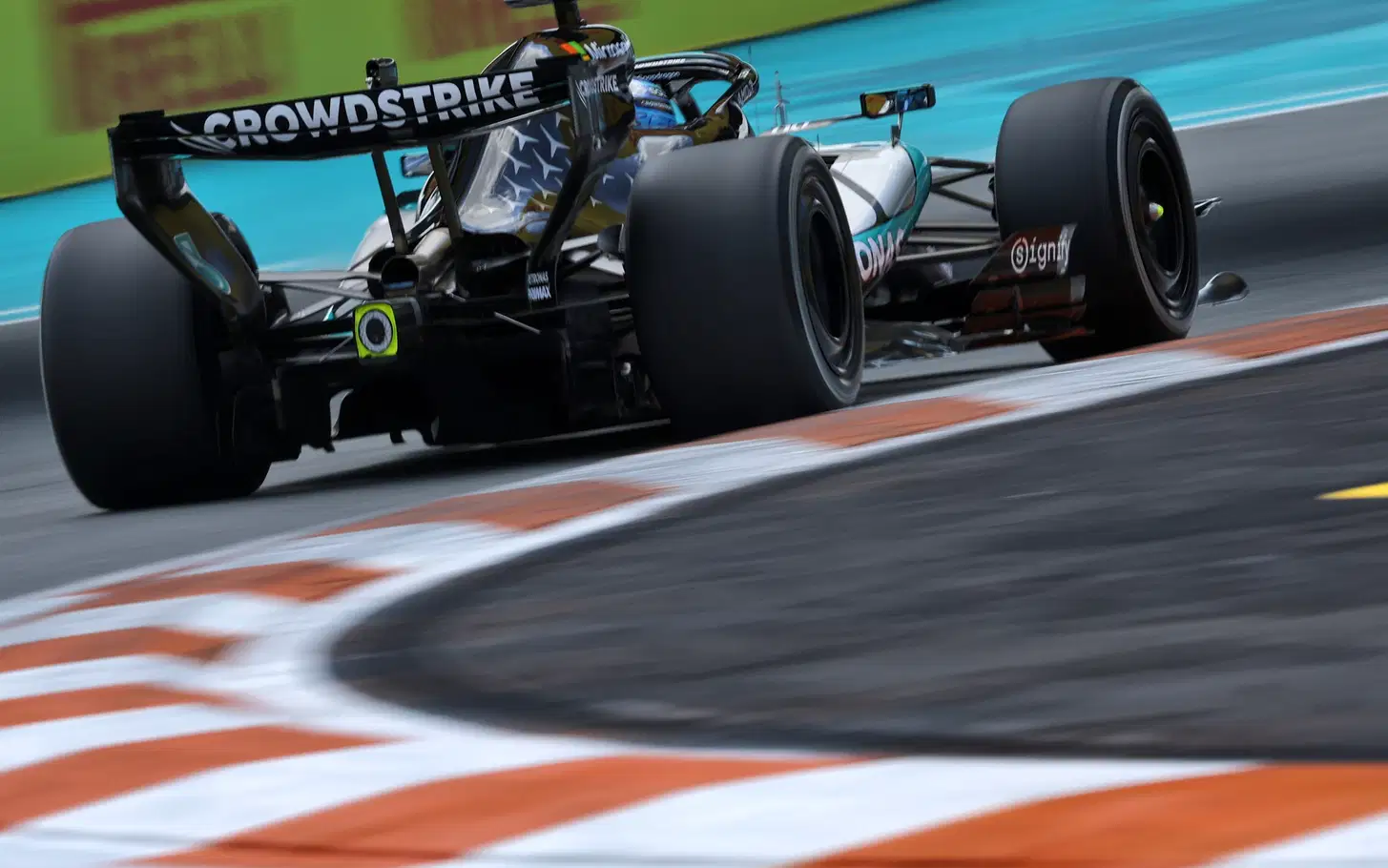

Mercedes faces a significant technical challenge at the 2026 Canadian Grand Prix as the latest energy management regulations introduced by the FIA are expected to face their toughest test of the season so far. Circuit Gilles-Villeneuve presents characteristics that could expose weaknesses in the recovery strategies that previously supported Mercedes' dominance across the opening four rounds.
Ahead of the Miami Grand Prix, the FIA adjusted energy harvesting parameters to reduce clipping and minimise the lift-and-coast behaviour repeatedly criticised by drivers during qualifying sessions. The move immediately received positive feedback from Formula 1 CEO Stefano Domenicali and Mercedes team principal Toto Wolff, both of whom argued that the changes restored a more natural driving style.
However, the effectiveness of those measures has not yet been fully validated because Miami is not considered one of the calendar's most demanding circuits from an energy recovery perspective. Montreal presents a very different scenario, particularly because the second and third sectors of Circuit Gilles-Villeneuve feature aggressive stop-and-go characteristics. The repeated heavy braking zones and short acceleration phases place far greater stress on hybrid energy regeneration systems.
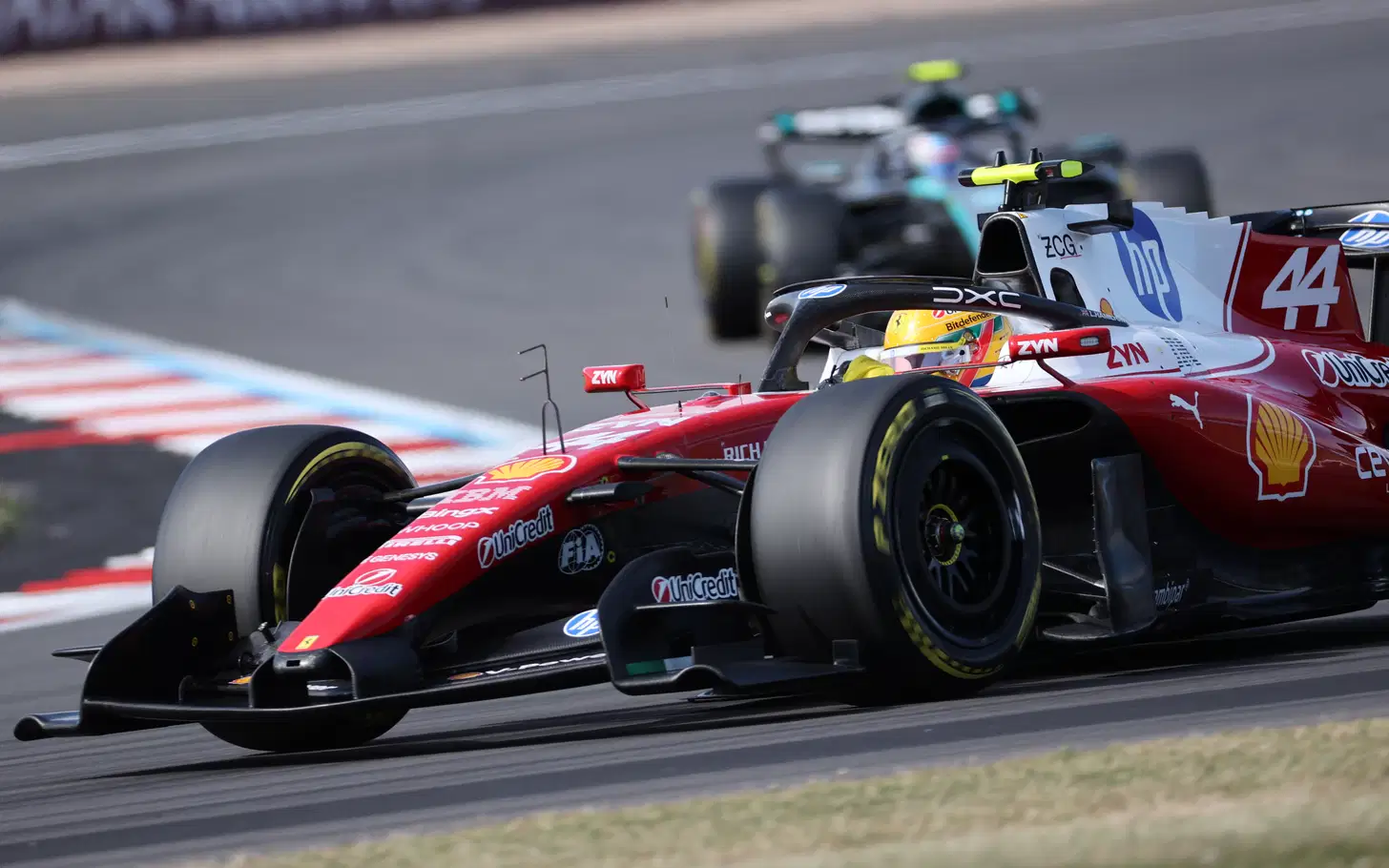
The final sector is expected to become the most critical area. The long straight leading into the final chicane could once again trigger clipping and lift-and-coast behaviour if the hybrid systems struggle to maintain full deployment until the end of the lap. Under those conditions, drivers may again be forced to lift earlier on corner exits to preserve electrical energy balance during qualifying runs.
Another challenge for Mercedes comes from Montreal's traditionally high fuel consumption levels compared to several other Formula 1 venues. The aggressive recovery modes previously exploited by the Brixworth-built power unit — including maintaining high internal combustion engine revs during lifting phases to increase MGU-K and turbo speeds — may no longer be sustainable without compromising fuel efficiency.
The situation could reduce one of Mercedes' biggest technical strengths that has underpinned its early-season dominance. If Mercedes cannot fully maximise recharge capability as effectively as it did during the opening rounds, the performance gap to rivals such as Ferrari, Red Bull Racing, and McLaren could narrow considerably.
The development may become a key factor in shaping the championship battle. Mercedes currently leads the constructors' standings after winning all four opening races, but Canada is viewed as one of the first circuits capable of properly testing the revised power unit balance introduced after the FIA's Miami intervention.
Beyond outright performance, teams are also preparing for the first implementation phase of the DUO (Additional Development and Upgrade Opportunities) scheme following the Canadian Grand Prix weekend. Greater focus on power unit efficiency and energy deployment management is expected as the evolving regulations continue to influence long-term development strategies across the grid.
Read Also
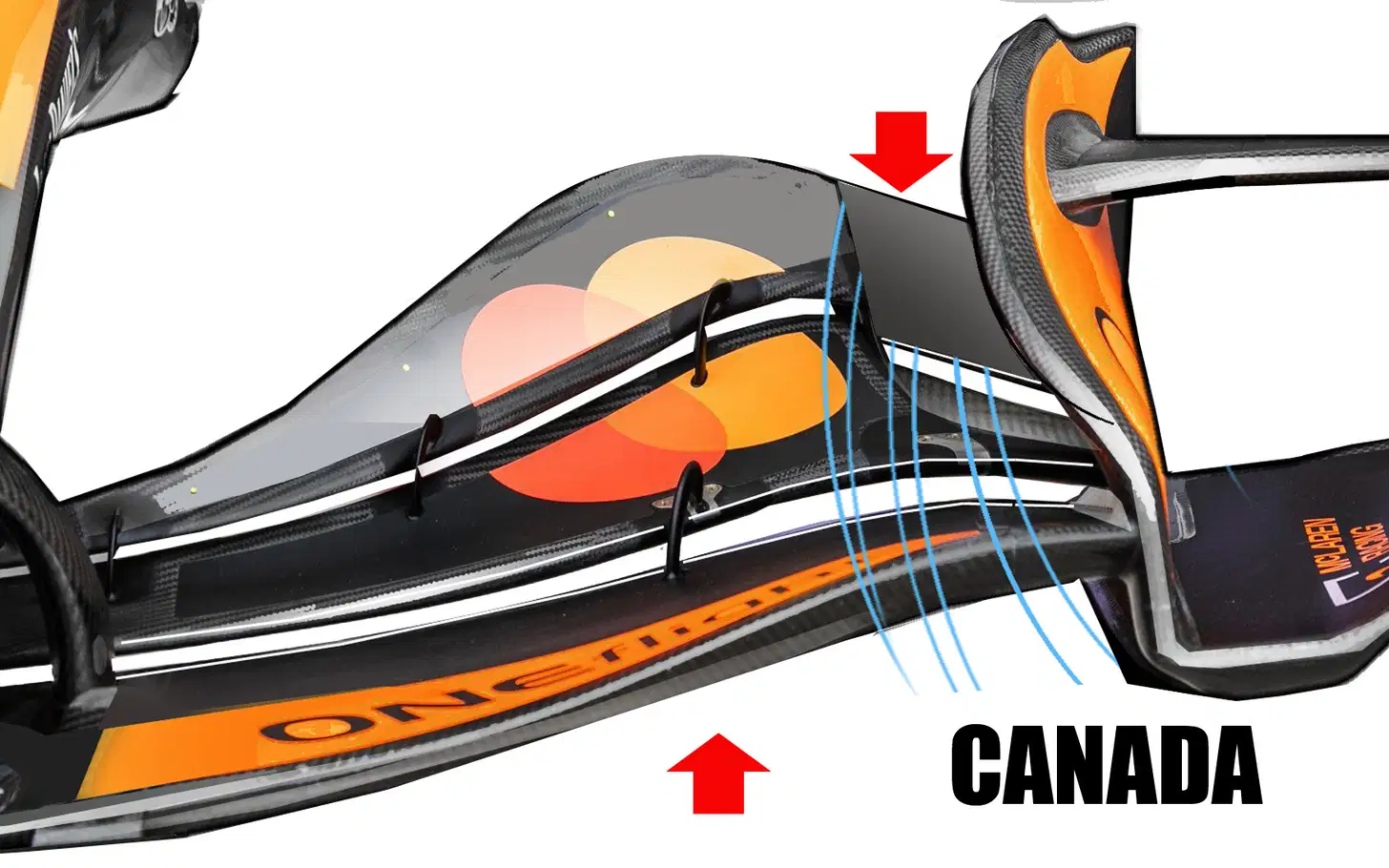
Mercedes and McLaren introduced major upgrades in Canada, intensifying a technical battle that could shape the 2026 Formula 1 season.
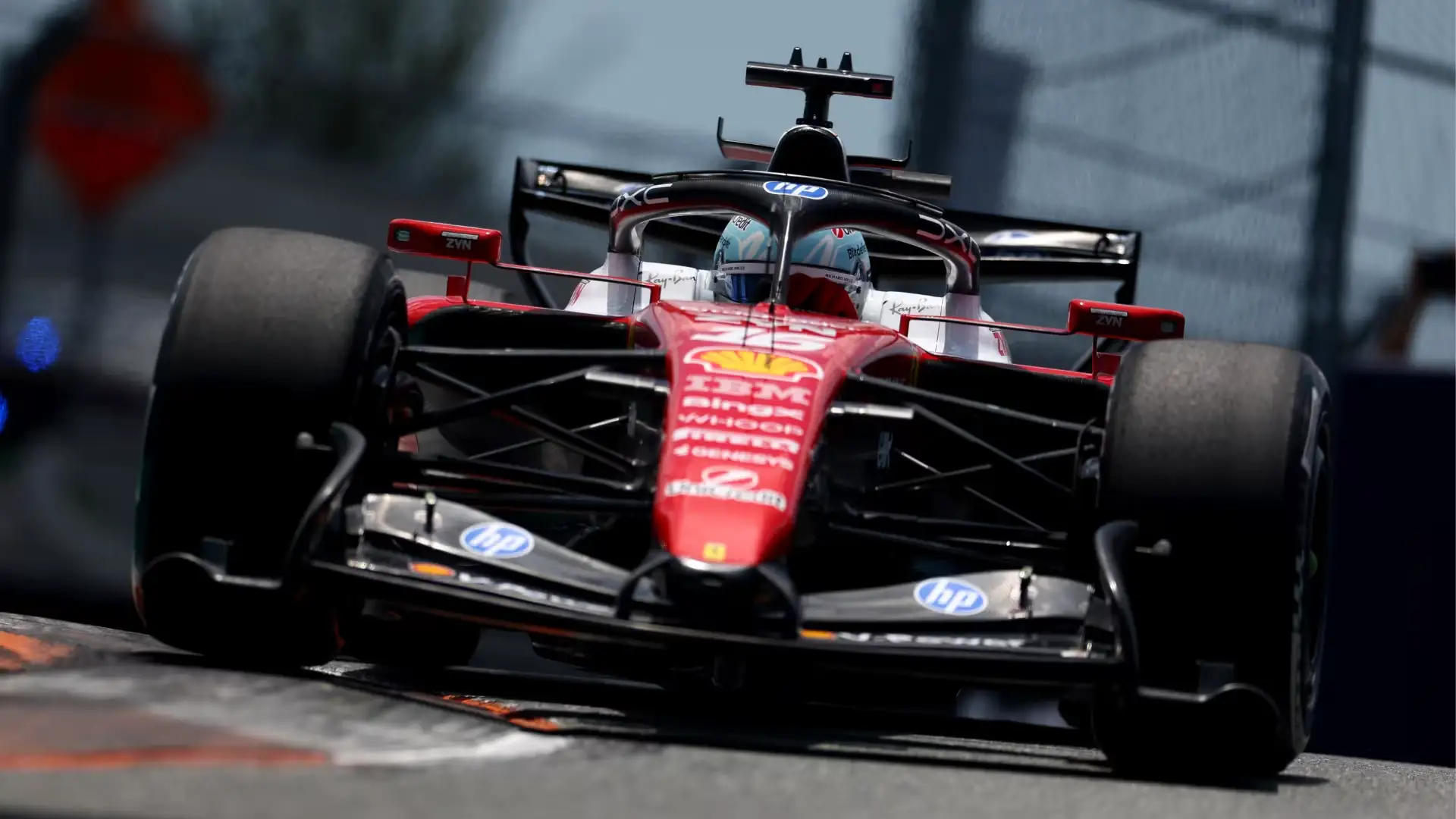
Ferrari introduced a major SF-26 upgrade package in Miami as it closes the gap to McLaren and Red Bull in Formula 1 2026.
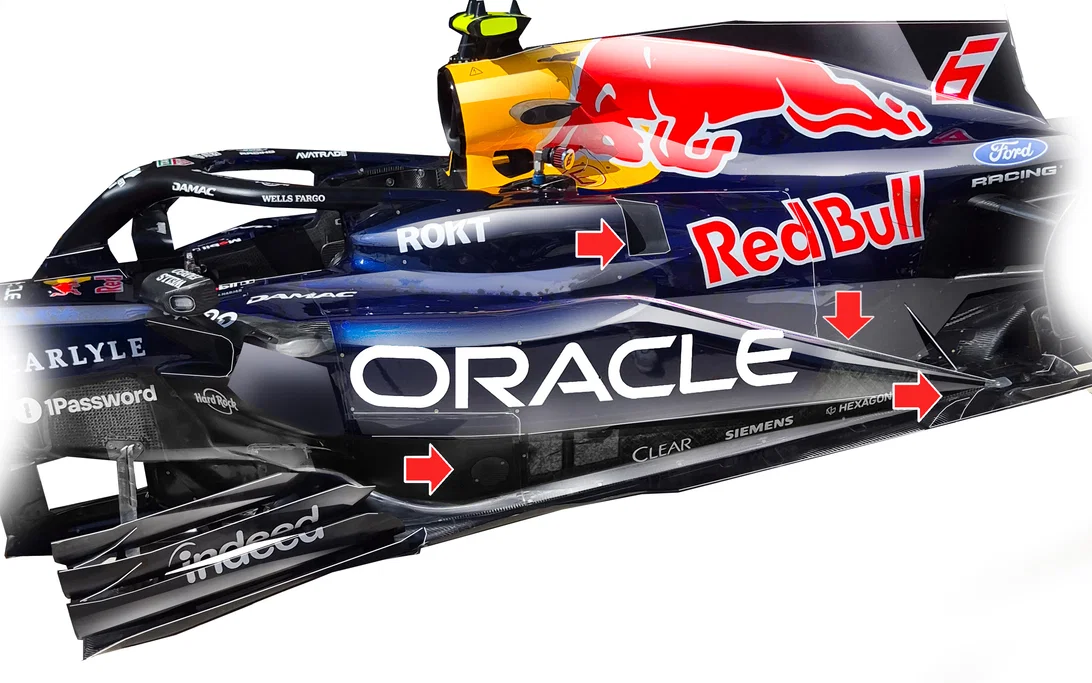
Red Bull, Ferrari and McLaren introduced major aerodynamic upgrades in Miami to close the performance gap to Mercedes in Formula 1 2026.
 Continue with Google
Discussion (0)
Join the Discussion!
Sign in easily to start commenting, replying, and interacting with other readers.
Latest Comments
No comments yet. Be the first!