







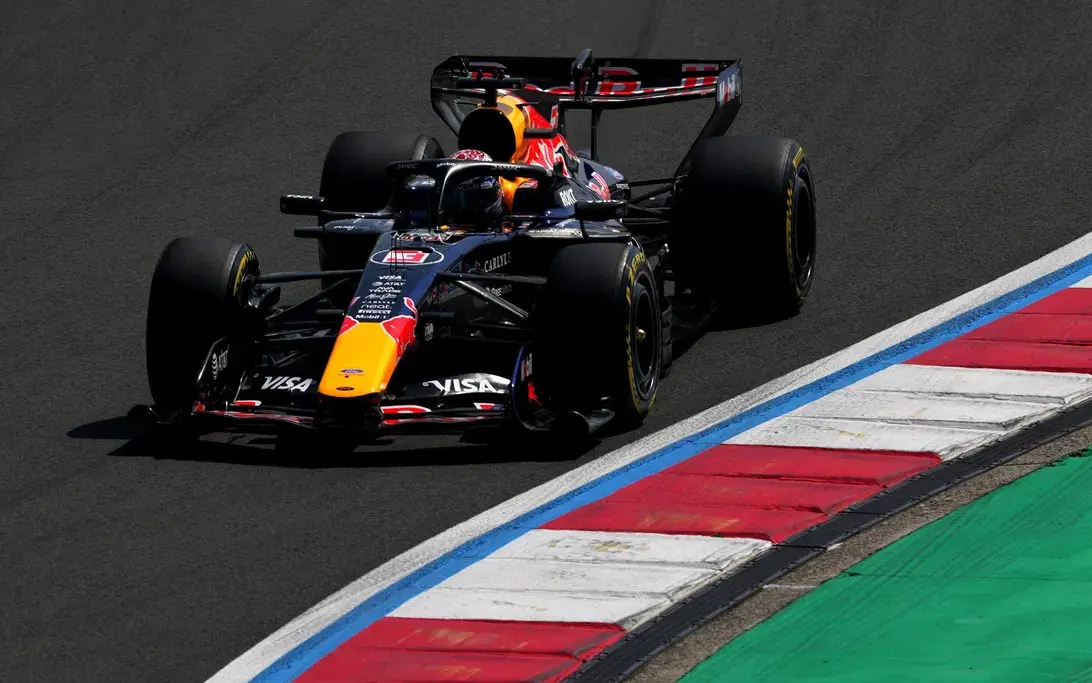

Formula 1, Sportrik Media - Max Verstappen endured a difficult Friday at the 2026 Chinese Grand Prix as Red Bull Racing struggled for pace and balance during Sprint Qualifying at the Shanghai International Circuit.
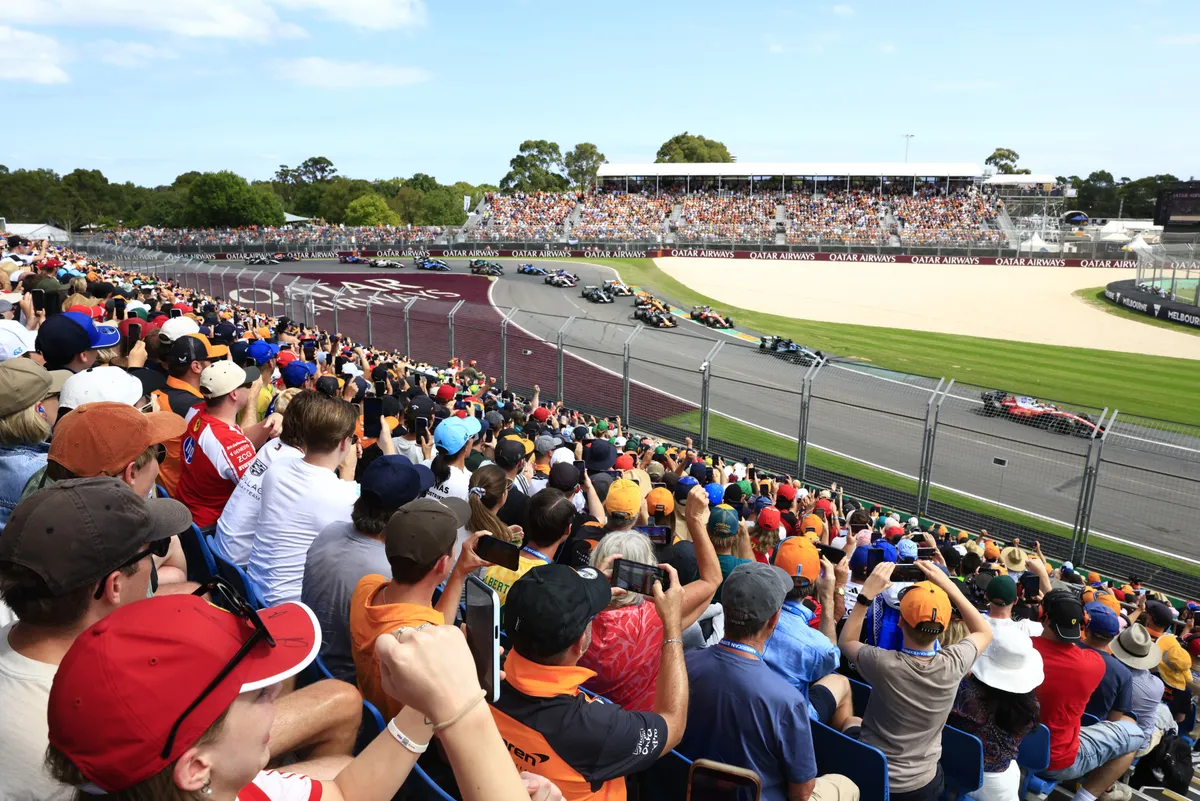
Just six days earlier at the Australian Grand Prix in Melbourne, optimism surrounded the Red Bull camp. Despite crashing in qualifying and starting from 20th on the grid at Albert Park, Verstappen recovered strongly to finish sixth and even applied late pressure on reigning champion Lando Norris. At the time, only Mercedes and Ferrari appeared to have a clear pace advantage over Red Bull.
However, the picture changed dramatically in Shanghai. Verstappen struggled throughout Friday’s sessions and ultimately qualified eighth for the Sprint race, finishing 1.7 seconds behind pole-sitter George Russell. Even Alpine driver Pierre Gasly managed to set a faster lap than the four-time world champion.
The result prompted visible frustration from Verstappen, who described the performance of his RB22 as “a disaster”. Throughout the day, the Dutch driver reported a complete lack of grip, compounded by tyre graining and significant tyre wear during longer runs.
During the sole practice session, Verstappen’s left-front tyre deteriorated rapidly after only a few laps, highlighting a major issue with tyre management. The RB22 also appeared to suffer from balance problems, which became particularly evident on the demanding layout of the Shanghai International Circuit.
While Red Bull had anticipated a potential disadvantage with its new power unit under the current Formula 1 regulations, the primary concern appeared to be the car’s handling characteristics. Engineers now face the urgent task of improving the car’s balance before the remainder of the weekend, otherwise race pace could prove extremely difficult for Verstappen and team-mate Isack Hadjar.
Another challenge emerged with the power unit’s energy recovery efficiency. The team struggled to optimise battery usage through the corners, which affected straight-line performance once the stored energy was depleted.
By contrast, Mercedes appeared to have maximised its energy management strategy. On-board footage suggested that Kimi Antonelli carefully controlled superclipping during his laps. Although his speed briefly dropped on the long back straight, his overall lap pace remained stronger than many rivals.
The situation leaves Red Bull with significant work ahead overnight. While setup changes ahead of qualifying and the main race may provide some improvement, the current performance gap suggests that challenging Mercedes at the front could remain a major challenge as the Chinese Grand Prix weekend continues.
Read Also
George Russell loses points to Antonelli at F1 Spanish GP. Despite potential title defeat, he can take valuable lessons to rebound.
Jorge Martin faces Austrian GP with right arm injury. Sprint will decide surgery and his MotoGP 2026 future. Read the full story.
Bol d'Or 2026 at Circuit Paul Ricard decides the EWC title. Get the full guide to categories, race format, and the battle among elite teams.
 Continue with Google
Discussion (0)
Join the Discussion!
Sign in easily to start commenting, replying, and interacting with other readers.
Latest Comments
No comments yet. Be the first!