







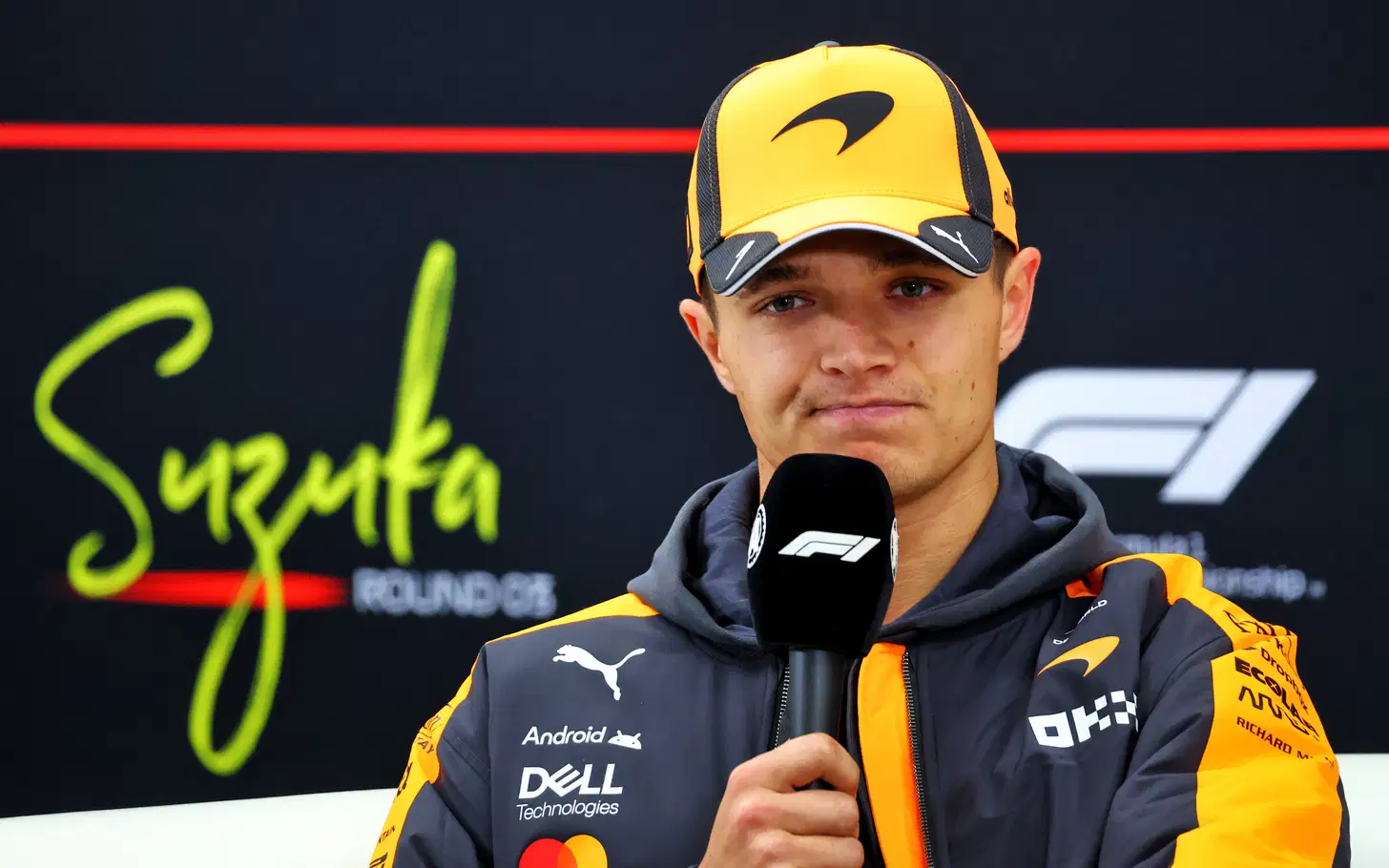

Formula 1, Sportrik Media - Juan Pablo Montoya has strongly defended Lando Norris following a controversial interview that has reignited debate over the relationship between Formula 1 drivers and the media.
The interview, conducted by The Guardian around Norris’ Laureus Breakthrough of the Year award, included strict conditions set by the driver’s management team. Topics such as Max Verstappen, George Russell, personal rivalries, and current Formula 1 regulations were explicitly off-limits.
Despite these restrictions, the published article detailed how questions outside the agreed scope were still pursued. The situation escalated when a management representative intervened to end the interview prematurely, even though time reportedly remained. Norris appeared constrained by the situation, responding briefly while acknowledging he was not in control of the process.

Montoya criticised the journalist’s conduct, describing it as unprofessional and potentially damaging to the driver, particularly in an environment where comments can easily be reframed into controversial narratives.
"Very poor from that journalist. If they tell you there are limits and you ignore them, I would never speak to that person again," Montoya said.
He further argued that such lines of questioning are often designed to provoke responses that can be used as headlines, rather than to generate meaningful insight.
"Those kinds of questions are not asked with good intentions. The goal is to make someone say something that can be turned into a story."
Drawing on his own experience in Formula 1, Montoya highlighted the broader challenges drivers face when dealing with media scrutiny, suggesting that trust between drivers and journalists is limited.
"Very few journalists are people you can fully trust to speak openly without it being used against you," he stated.
Montoya explained that drivers often learn through experience how to manage interactions with the media, gradually identifying which individuals can be trusted and which cannot.
"At the start of your career, you tend to be open with everyone. Over time, you learn who you can and cannot share things with."
He also warned about the risks associated with off-the-record conversations, noting that such remarks can still be used if they serve a journalist’s objective.
"Even if something is said off the record, there are always people who will still use it. Many will stab you in the back for a story."
The episode underscores the increasingly complex relationship between drivers and media in modern Formula 1, where communication control has become a strategic necessity. For Norris, the situation reflects the ongoing challenge of balancing openness with the need to protect his professional narrative within a highly scrutinised global sport.
Read Also
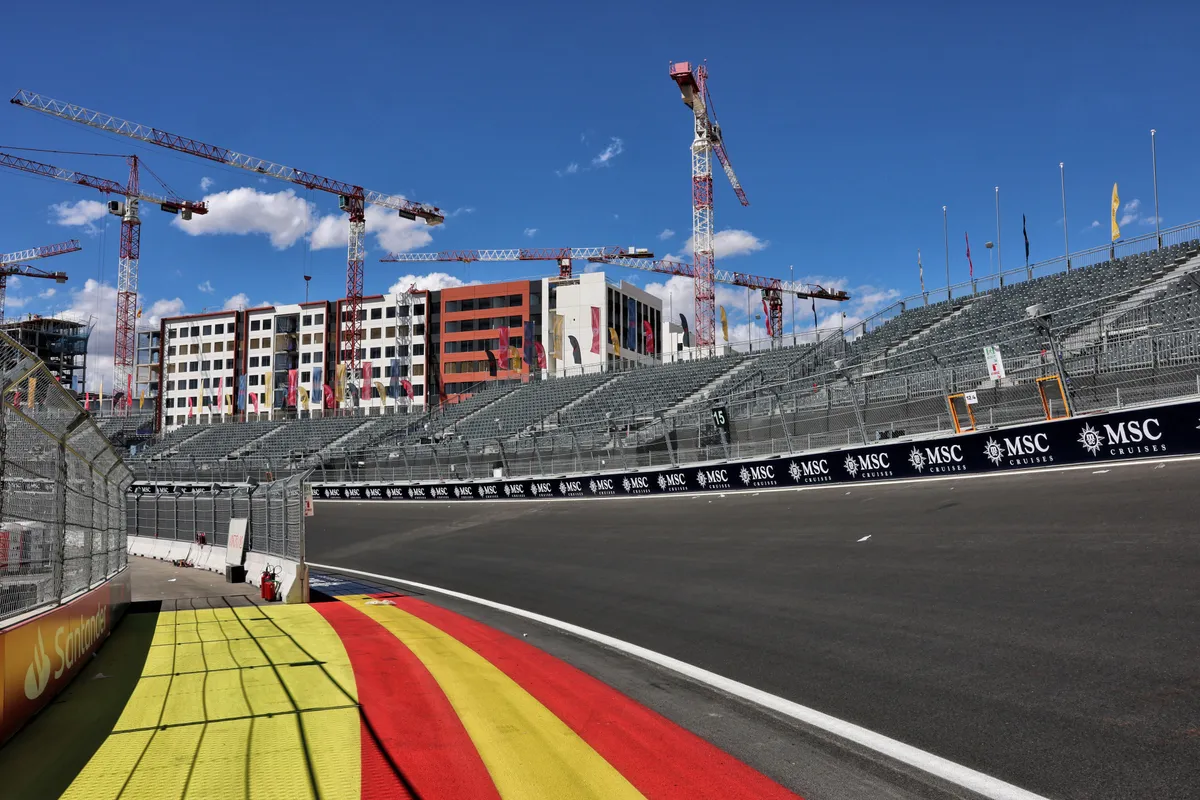
Madring makes its F1 debut at the 2026 Spanish GP. The 5.416 km track is called a 'car killer' after 19 red flags in F3 testing. Discover the challenges.
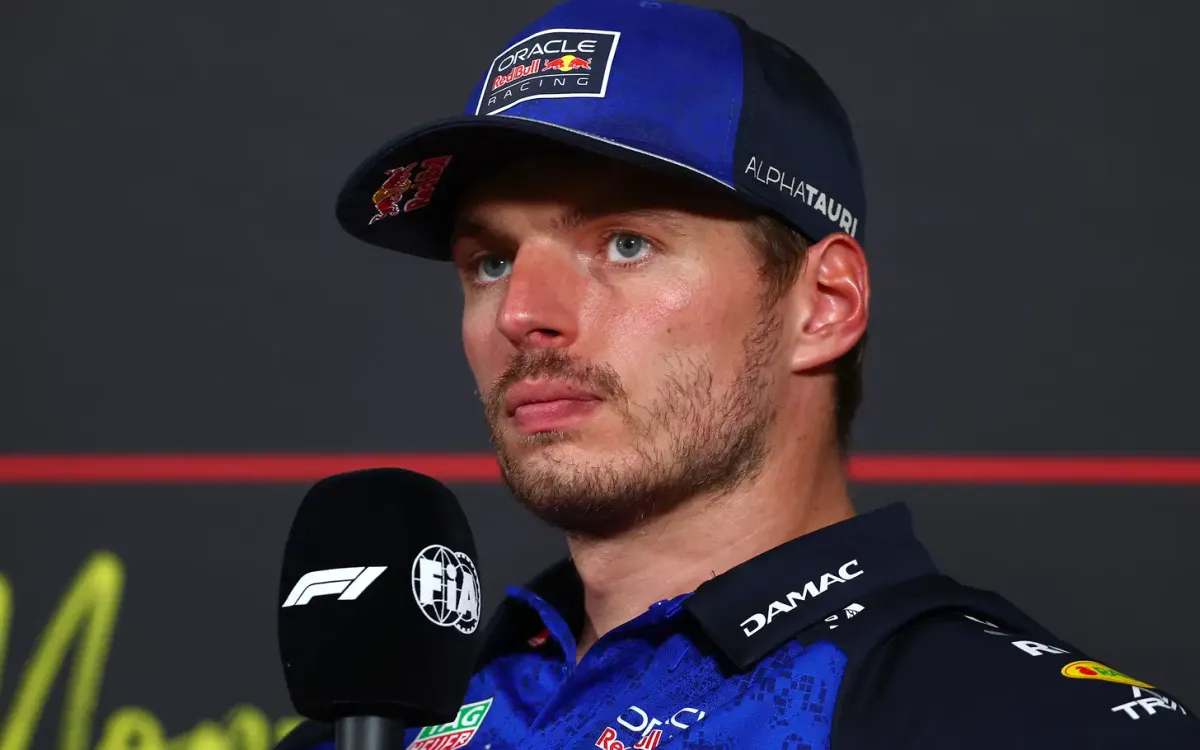
Max Verstappen reveals his desire to race in endurance events after F1, including a target at the 24 Hours of Le Mans and a possible team-up with Fernando Alonso.
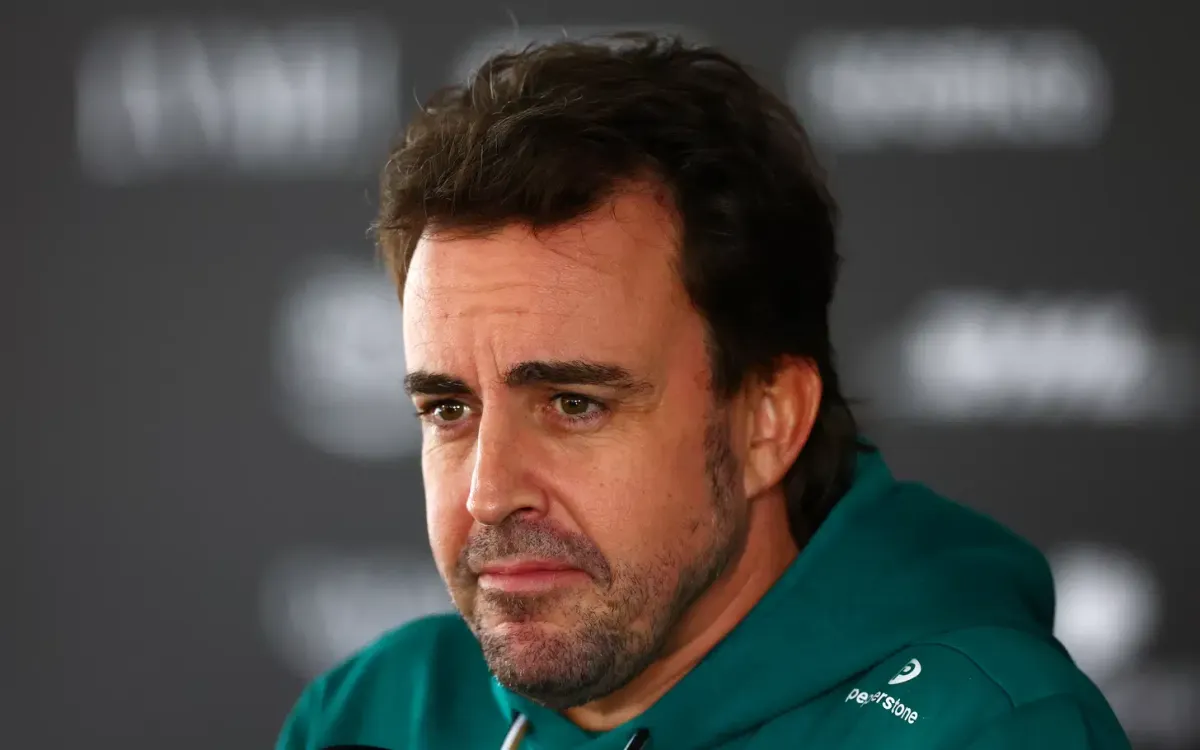
Fernando Alonso's Aston Martin contract for F1 2027 remains unannounced ahead of Spanish GP. Complex negotiations amid team struggles and Alonso's trust in Honda.
 Continue with Google
Discussion (0)
Join the Discussion!
Sign in easily to start commenting, replying, and interacting with other readers.
Latest Comments
No comments yet. Be the first!