






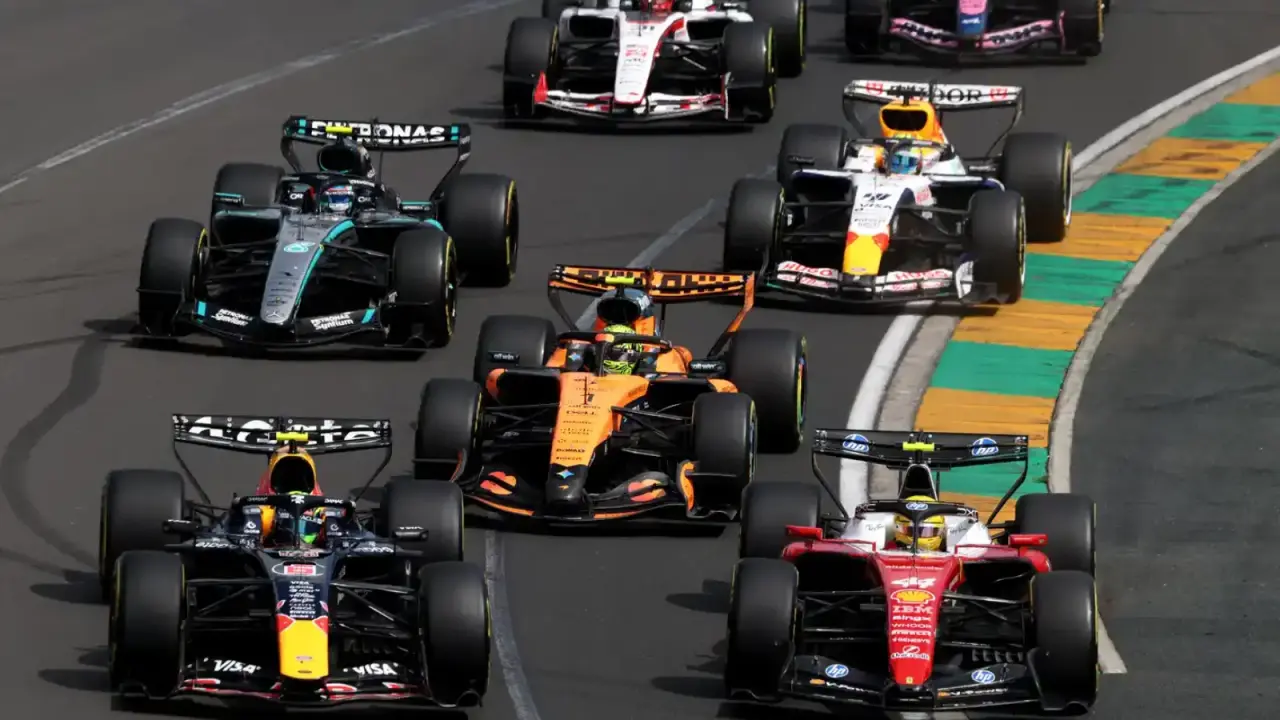

Formula 1, Sportrik Media - Criticism from several drivers regarding Formula 1’s new 2026 technical regulations intensified after the Australian Grand Prix in Albert Park. However, early reactions from drivers such as Max Verstappen and Lando Norris may reflect an adjustment phase to the sport’s latest technical era rather than evidence of a structural crisis.
The 2026 regulations were shaped through discussions that began several years earlier during a difficult financial period for the championship. In 2020, the global pandemic severely disrupted Formula 1’s business model, which relies heavily on sponsorship and race hosting fees. During that time, McLaren faced significant financial pressure, with CEO Zak Brown later confirming the team had been close to collapse before receiving major investment from Bahrain’s sovereign wealth fund.
As Formula 1 recovered commercially by 2022, with the return of major international events and the addition of high-value races in regions such as the Middle East, discussions intensified regarding the future power unit regulations. Major manufacturers including Audi, Ford, and Porsche were involved in shaping the framework of the next technical cycle.
The central concept of the 2026 power unit rules introduced a major shift in energy balance between the internal combustion engine and electrical systems. Whereas the previous hybrid generation operated with approximately an 80–20 power split favouring the combustion engine, the new formula approaches a 50–50 distribution between engine output and battery energy.
This fundamental change directly led to the introduction of active aerodynamics, including the Straight Mode system designed to reduce drag and manage energy efficiency on straights. Without the revised power unit architecture, such aerodynamic tools would likely not have been required.
Drivers such as Carlos Sainz have argued that the system merely masks deeper issues within the energy deployment concept. His criticism came after several drivers experienced difficulties managing the cars in slipstream conditions combined with active aerodynamic deployment.
Despite the criticism, the racing data from Melbourne suggested a different narrative. Official figures from Formula 1 indicated more than 120 overtakes during the Australian Grand Prix, significantly higher than the previous year’s race.
One of the defining moments of the race involved a prolonged battle for the lead between George Russell and Charles Leclerc, who exchanged positions several times during the opening stages of the grand prix.
However, certain technical concerns remain under scrutiny. The near-collision between Franco Colapinto and Liam Lawson at the race start highlighted potential issues related to energy deployment and launch procedures under the new regulations.
The characteristics of Albert Park itself may also have amplified these early concerns. The circuit features long straights with limited heavy braking zones, making energy recovery more difficult compared with tracks such as Monaco, Zandvoort, or Canada, where frequent braking provides greater opportunities for battery recharging.
With the season only beginning and a wide variety of circuit layouts still to come, a clearer assessment of the 2026 regulations will likely emerge only after several races. In this context, strong reactions from some drivers may reflect the competitive dynamics of Formula 1 rather than fundamental flaws in the regulatory framework.
Debate over new regulations has historically accompanied nearly every major technical shift in Formula 1. Since the championship’s first race in 1950, teams and drivers have consistently needed time to adapt to new concepts before fully exploiting their potential.
As a result, the Australian Grand Prix may represent only the first phase of adaptation to the new era. Over the coming races, the balance between technical development, energy management, and driver adaptation will ultimately determine how the 2026 regulations shape the competitive landscape of Formula 1.
Read Also
Simak analisis lengkap kehebohan Jeremy Clarkson yang singgung Franco Colapinto di F1 GP Amerika. Baca ulasan mendalam di sini!
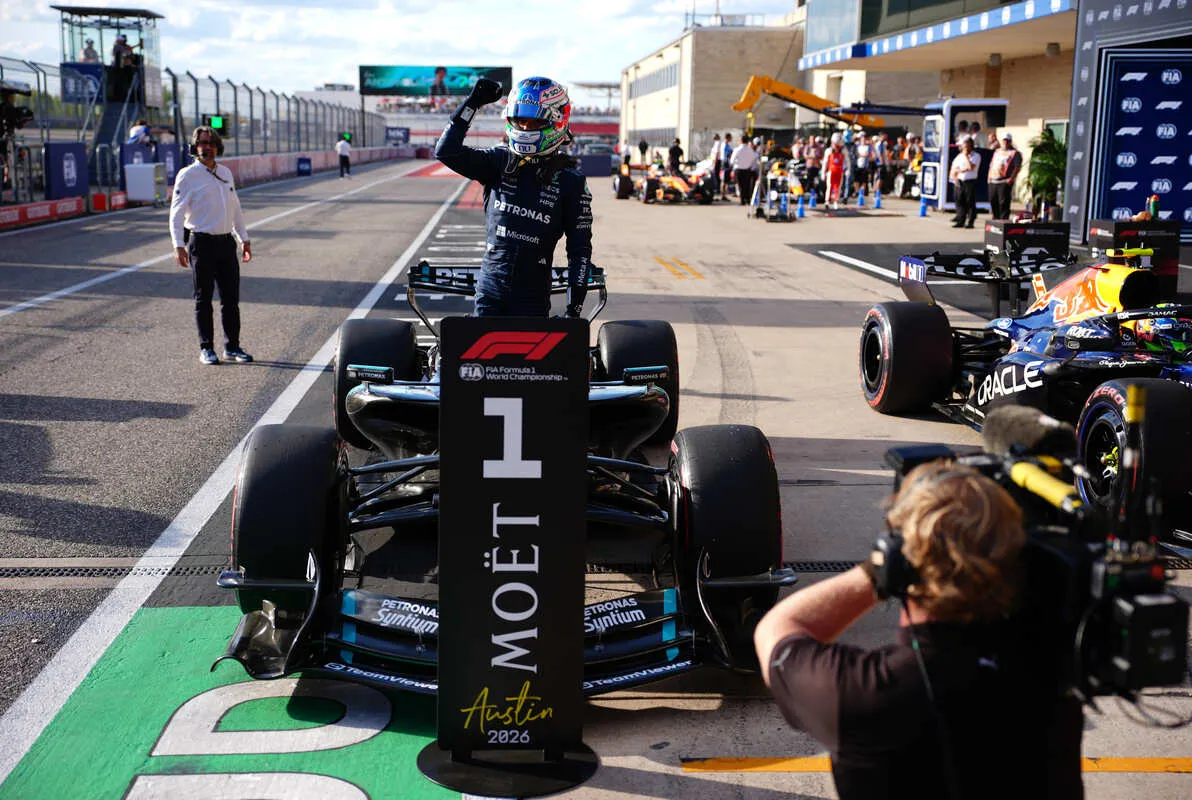
Simak analisis telemetri F1 GP Amerika Serikat 2026 saat Kimi Antonelli rebut pole sensation, sementara Ferrari terkendala mesin. Baca selengkapnya di sini!
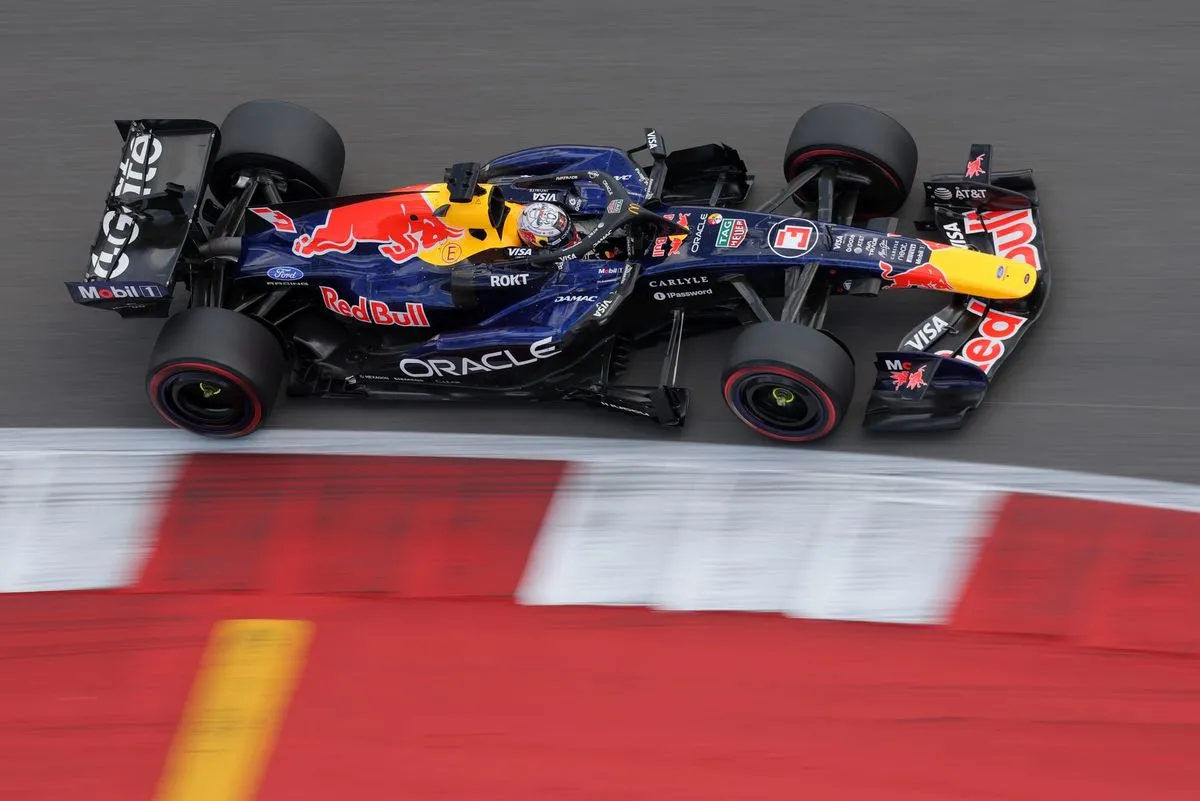
Simak analisis lengkap bagaimana Kimi Antonelli merebut pole dari Max Verstappen di GP Amerika Serikat. Baca analisis mendalam di sini.
 Continue with Google
Discussion (0)
Join the Discussion!
Sign in easily to start commenting, replying, and interacting with other readers.
Latest Comments
No comments yet. Be the first!