







James Vowles has revealed key disagreements behind the ongoing debate surrounding Formula 1's future power unit regulations, highlighting the challenges that could jeopardise a major technical rule change planned for 2027. The Williams team principal explained that manufacturers remain divided over modifications that had previously been agreed in principle.
During the Miami Grand Prix weekend, Formula 1 and the FIA announced plans to alter the 2027 power unit output split from 50:50 to 60:40 between the internal combustion engine and the electrical systems. The proposal was designed to reduce super-clipping, excessive lift-and-coast techniques, and energy limitations that could negatively affect racing quality.
However, the proposal now faces significant resistance following further discussions among engine manufacturers. Any rule change requires a supermajority within the Power Unit Advisory Committee (PUAC), which includes Audi, Honda, Ferrari, Mercedes, Red Bull Powertrains, Formula 1 and the FIA.
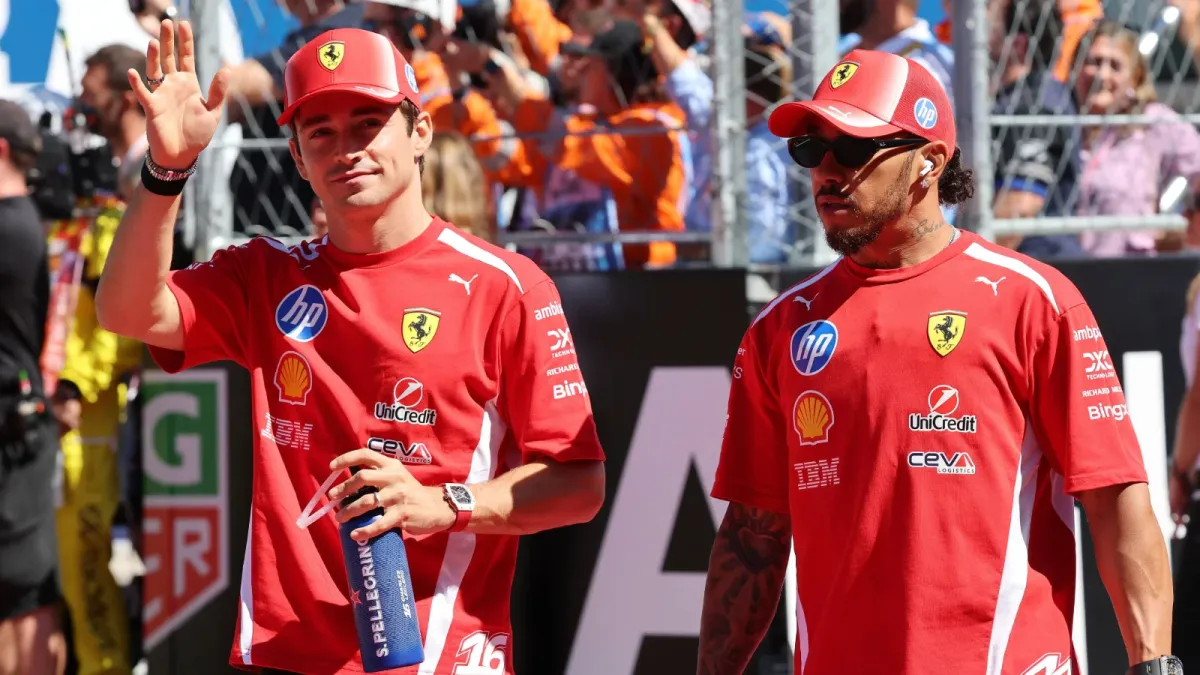
Under the voting structure, four of the five power unit manufacturers must support the proposal alongside Formula 1 and the FIA. According to reports from RacingNews365, Audi and Ferrari currently have separate concerns regarding the planned changes. Honda has reportedly remained open to the outcome of discussions, while Mercedes High Performance Powertrains and Red Bull Powertrains are believed to support the revision.
Vowles explained that the disagreements are not necessarily about opposition to the direction of the regulations themselves, but rather the practical challenges of adapting major development programmes within a limited timeframe. Modern power unit projects involve substantial investment and long-term production planning.
"We all recognise that we're not where we want to be yet with some of these regulations. Nobody has left the table. Part of the discussion is what can be pushed to 2028 and what can still be achieved for 2027," Vowles told media, as quoted by RacingNews365.
He added that many manufacturers have already committed to component orders and development schedules up to 12 to 18 months in advance. As a result, changing technical direction at short notice is considerably more complicated than it may appear from the outside.
From a technical standpoint, one of the leading solutions under consideration is increasing fuel flow to the internal combustion engine to achieve the proposed 60:40 power distribution. However, such a change could require larger fuel tanks and therefore influence chassis design, given that the current generation of cars has been developed around the original 50:50 concept.
Despite those concerns, Vowles believes the FIA has already explored multiple solutions to minimise the impact on chassis development. According to the Williams boss, several compromises have been identified that would allow the rule changes to proceed without forcing teams into major redesign programmes.
"If fuel flow increases, fuel tank size clearly has to change as well. However, we've found a number of compromises to help manage that. There are also electrical-side adjustments that can be handled by the manufacturers without requiring major chassis changes," Vowles explained.
The debate surrounding the 2027 regulations has become one of Formula 1's most important technical discussions. Beyond determining the balance between combustion power and electrification, the outcome will influence manufacturer investments, future car design philosophies, and the quality of racing for years to come. With significant differences still existing among the engine suppliers, the future of the proposed regulation changes remains far from guaranteed.
Read Also
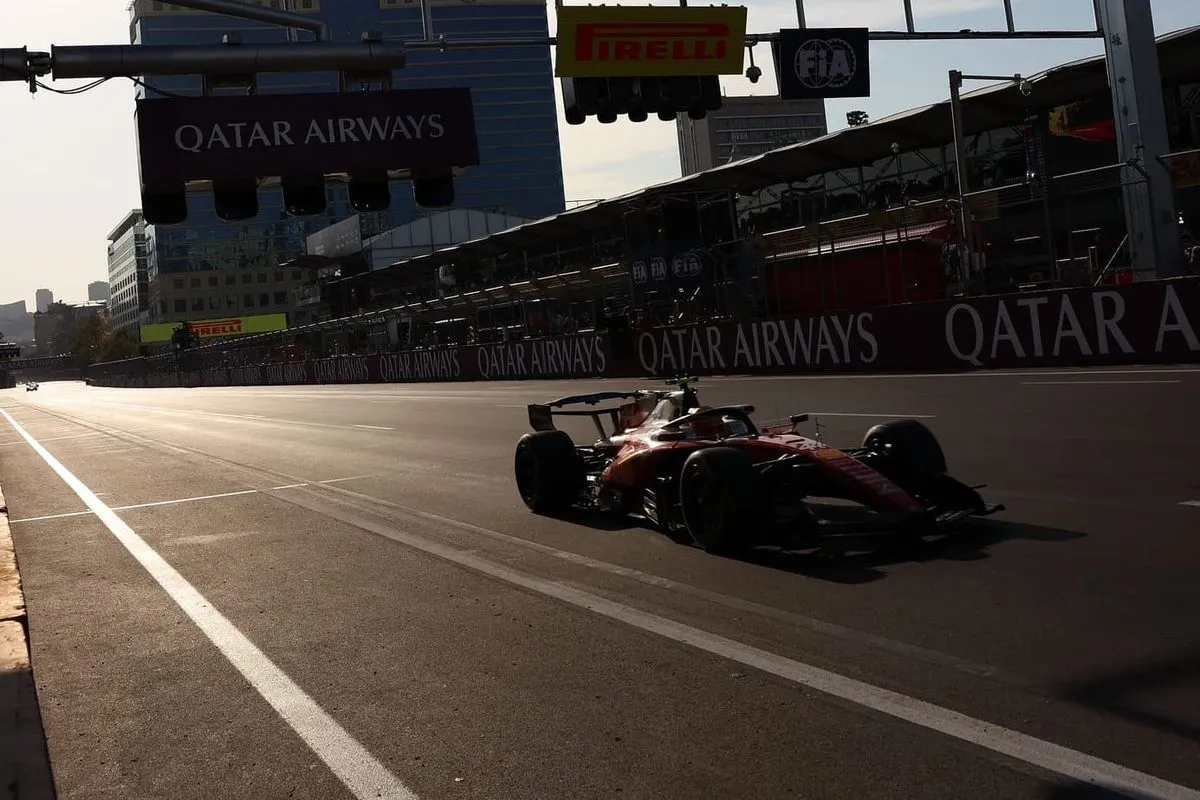
FIA memperketat aturan teknis Formula 1 2027 dengan memangkas batas waktu transisi sayap Macarena sebesar 25 persen guna mencegah desain sayap ekstrem.
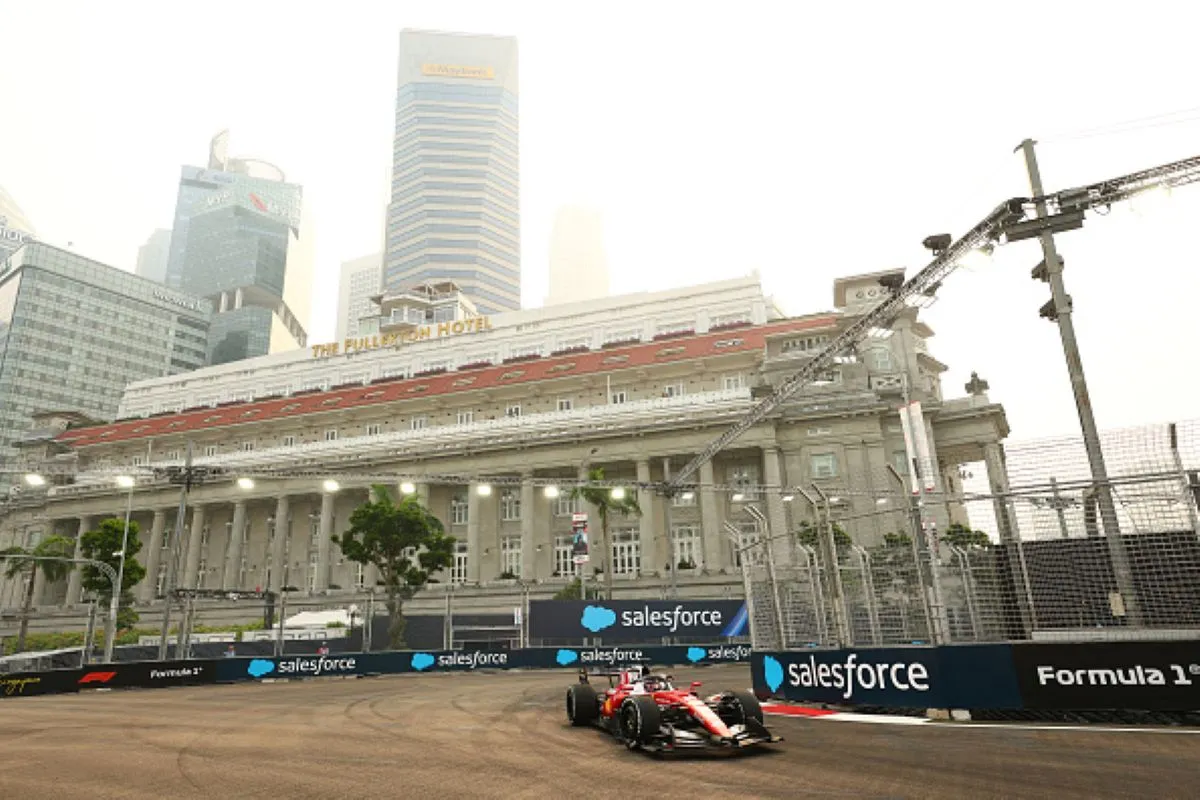
Kualifikasi sprint F1 GP Singapura 2026 di Marina Bay dimulai dalam ketegangan tinggi setelah latihan bebas sengit dipimpin George Russell.
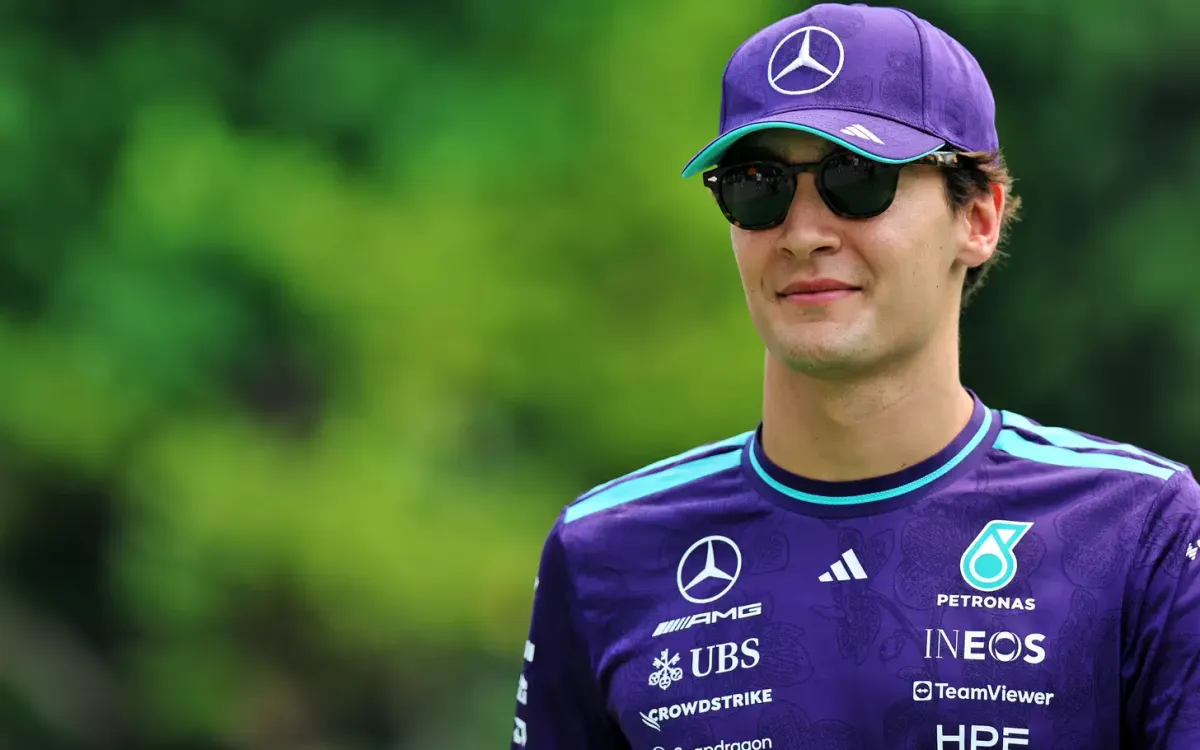
George Russell tercepat di latihan bebas GP Singapura namun harus start dari belakang akibat penalti power unit baru.
 Continue with Google
Discussion (0)
Join the Discussion!
Sign in easily to start commenting, replying, and interacting with other readers.
Latest Comments
No comments yet. Be the first!