






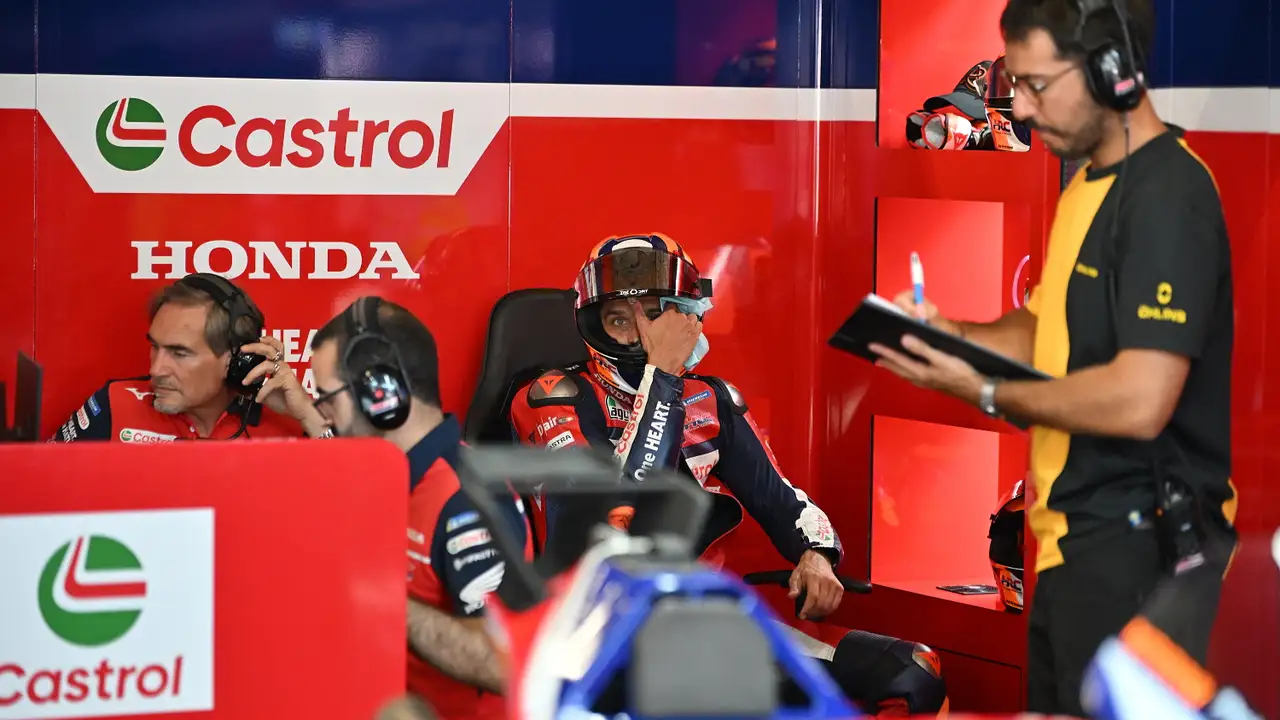

Luca Marini has explained why every rider from Honda HRC Castrol opted for the soft rear tyre during the 2026 Assen MotoGP, despite almost the entire grid selecting the medium compound. According to Marini, the decision was not an aggressive strategy but rather the only realistic solution to compensate for the RC213V's lack of rear grip over race distance.
All four Honda riders lined up with the soft rear tyre, while the majority of the field chose the medium compound for the 26-lap Grand Prix. Marc and Alex Marquez were among the few riders to make the same tyre choice, but Honda still struggled to convert the strategy into results. Marini finished 11th as the leading Honda rider, behind both factory Yamahas.
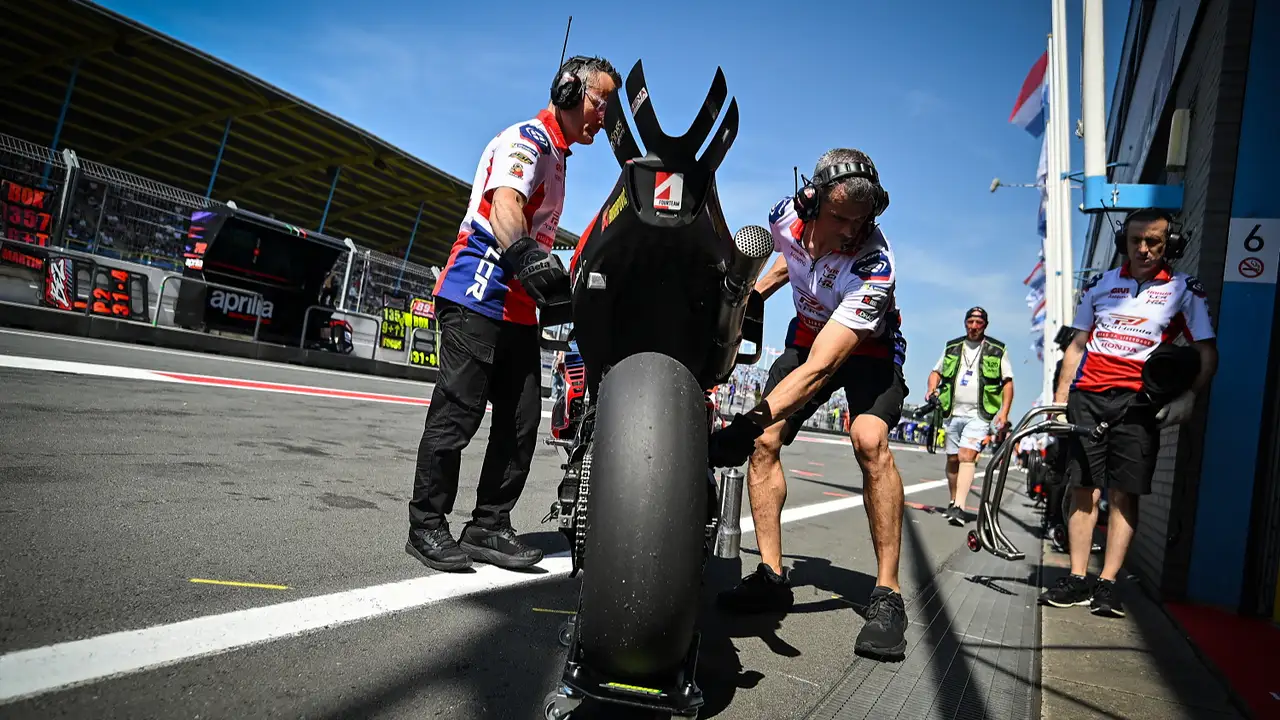
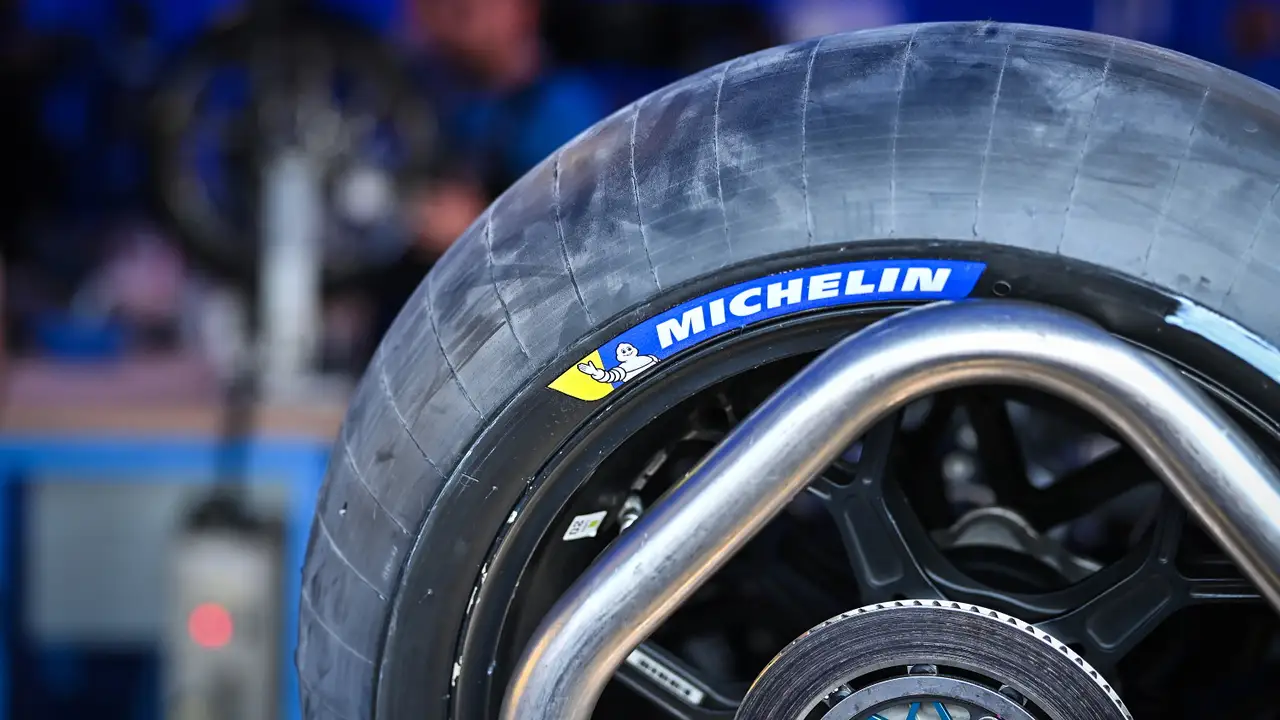
The Soft Tyre Was a Necessity, Not a Choice
Marini revealed that Honda's biggest issue was not tyre durability but the complete lack of mechanical grip when using the medium rear tyre. Based on the team's data, the RC213V generated excessive wheelspin on corner exit with the medium compound, making it impossible to defend against rival manufacturers over a full race distance.
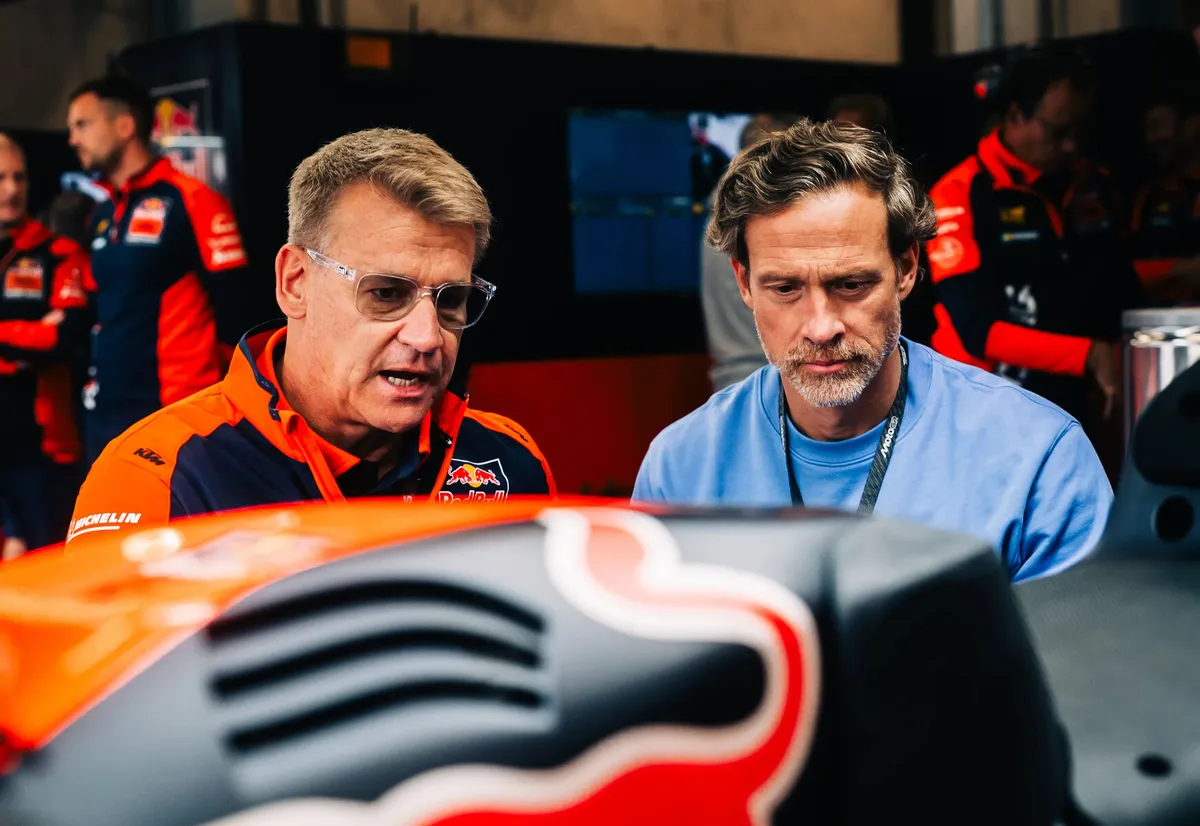
"Honestly, we didn't have many options. With the medium rear tyre, we have almost zero grip and we cannot defend ourselves because the bike slides everywhere. The soft tyre was basically our only option," Marini explained.
His comments underline that Honda's tyre strategy was dictated by the motorcycle's current characteristics rather than race tactics. The team accepted the inevitable tyre degradation later in the race in exchange for the additional grip required to remain competitive during the opening laps.
Early Race Contact Changed Everything
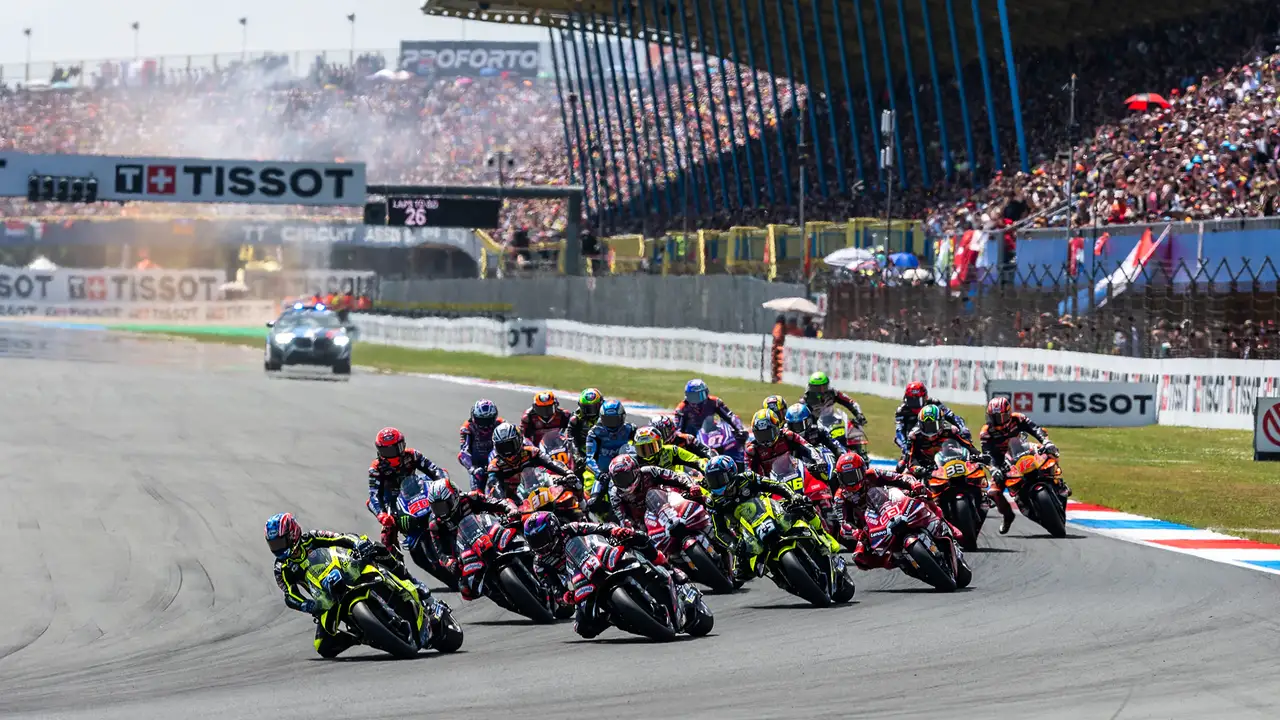
Marini also believes his race was compromised by contact at Turn 5 on the opening lap. Several riders touched each other through the corner, leaving the Italian unsure whether his RC213V had suffered minor aerodynamic damage.
"I don't really know what happened. Four or five bikes touched each other. I don't know if I lost a small wing or another part of the bike," he said.
The incident left him trapped behind Jack Miller during the early stages. By the time he eventually cleared the Australian, the gap to the group ahead had already increased, forcing him to push much harder with the rear tyre than originally planned.
The Price Honda Had to Pay
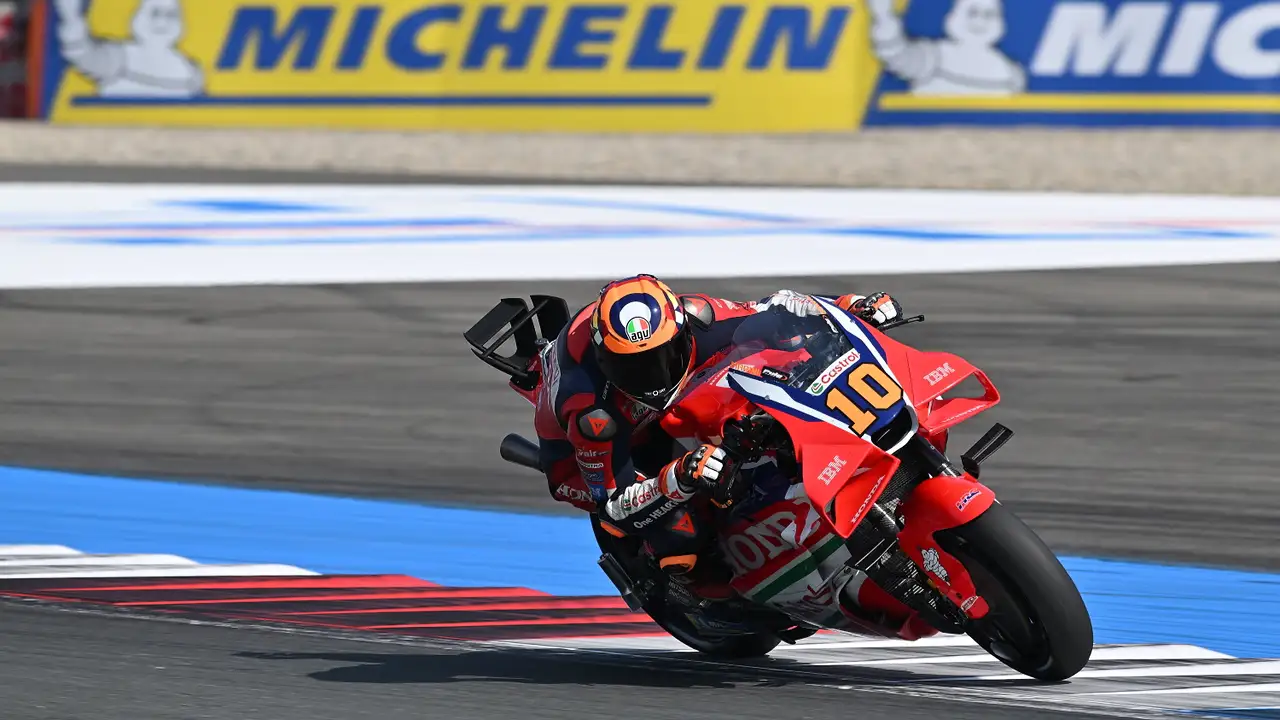
The extra effort required to recover positions accelerated the degradation of the soft rear tyre. Marini admitted he overstressed the rear while attempting to overtake Alex Rins, eventually abandoning any chance of attacking further forward.
"I pushed a little bit too much on the rear tyre. Then I told myself that I needed to manage it just to survive until the end. By the final laps I didn't have enough rear grip left to make another overtake," Marini said.
He also highlighted another weakness of the RC213V when following another motorcycle. The Honda struggled to rotate properly in dirty air, delaying acceleration on every corner exit and making overtaking significantly more difficult.
Honda's Core Problem Remains Mechanical Grip
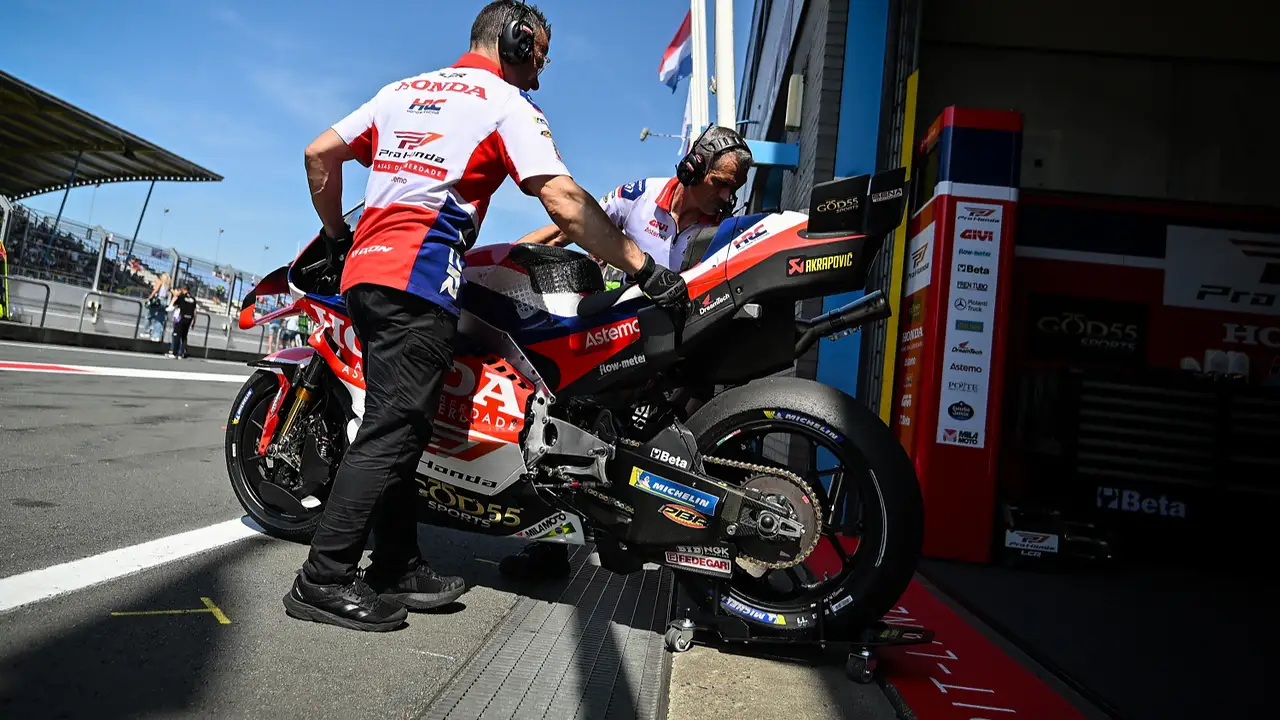
Marini's explanation suggests Honda's Assen difficulties extended well beyond tyre selection. The RC213V continues to struggle to generate consistent mechanical grip, forcing riders to rely on softer compounds simply to achieve a competitive level of traction.
While the soft tyre masked some of those weaknesses during the opening phase, it could not maintain its performance over the full race distance. Rival manufacturers such as Aprilia and Ducati were able to exploit the medium rear tyre without suffering the same level of grip loss, allowing them to maintain stronger pace in the closing laps.
A Clear Direction Before Sachsenring
Although Honda once again missed out on the top 10, Assen provided valuable technical feedback for the development of the RC213V. As long as the bike depends on the soft rear tyre simply to generate baseline grip, Honda's strategic options will remain significantly more limited than those of its direct competitors.
Heading into the German MotoGP at Sachsenring, Honda's biggest challenge is not choosing the correct tyre compound but improving rear traction and overall stability. Until those underlying issues are resolved, the manufacturer is likely to continue making alternative tyre choices simply to offset the limitations of its current package.
| POS | FOTO | RIDER / TEAM | TIME / GAP | PTS |
|---|---|---|---|---|
1 | 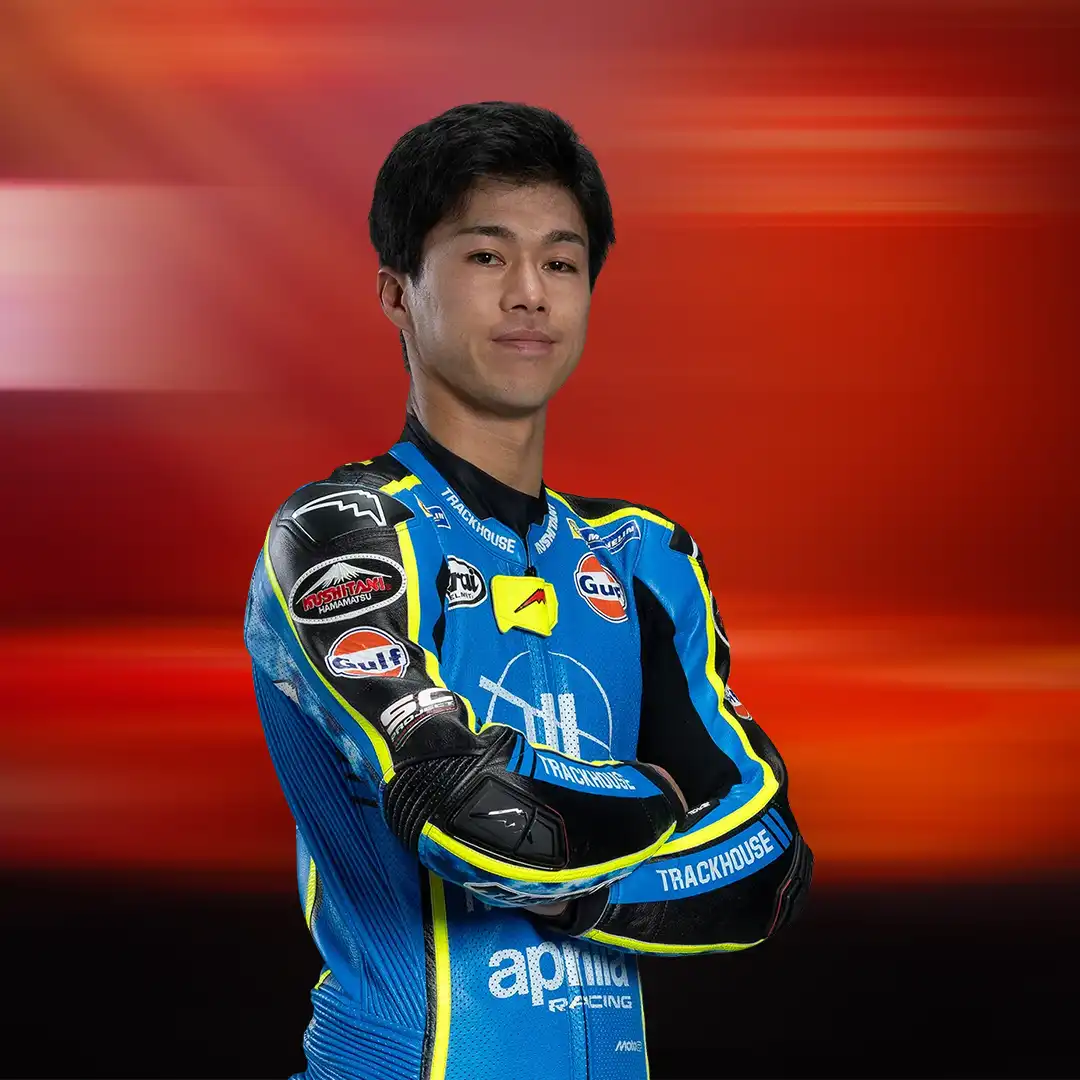 | Ai OguraSuperFile Trackhouse MotoGP Team | 40:21.90 Jepang | 25 |
2 | 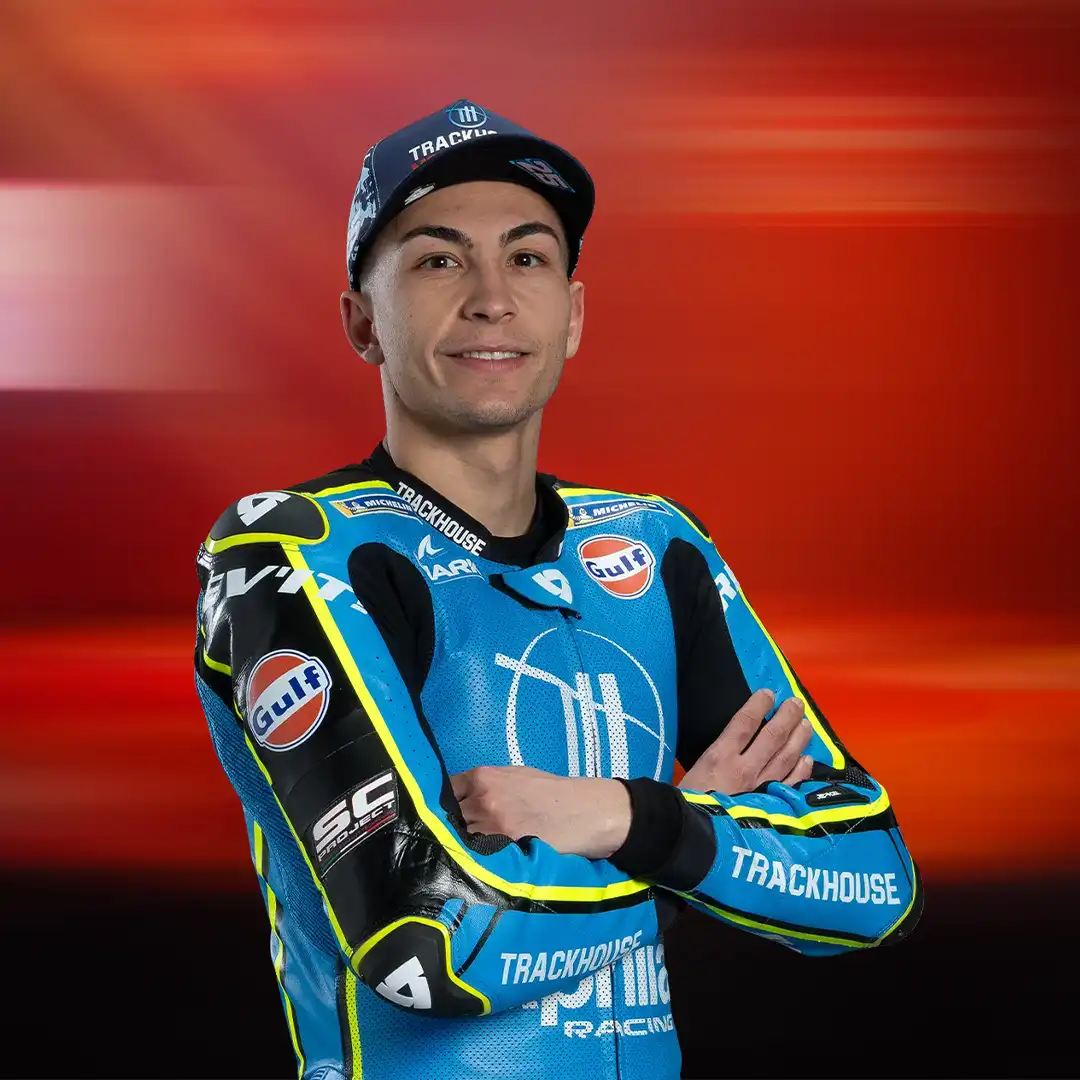 | Raul FernandezSuperFile Trackhouse MotoGP Team | +2.004 Spanyol | 20 |
3 | 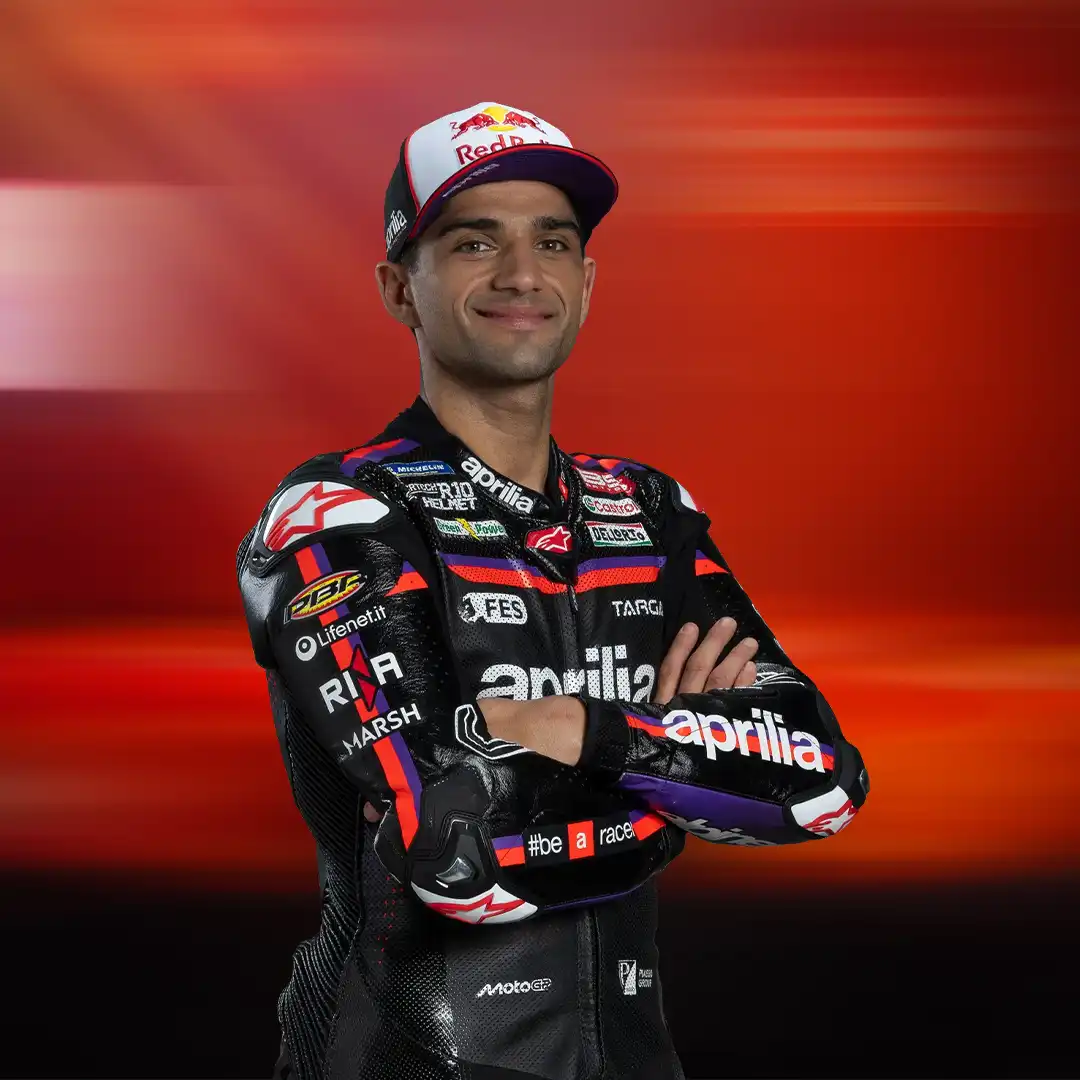 | Jorge MartinAprilia Racing | +3.512 Spanyol | 16 |
4 | 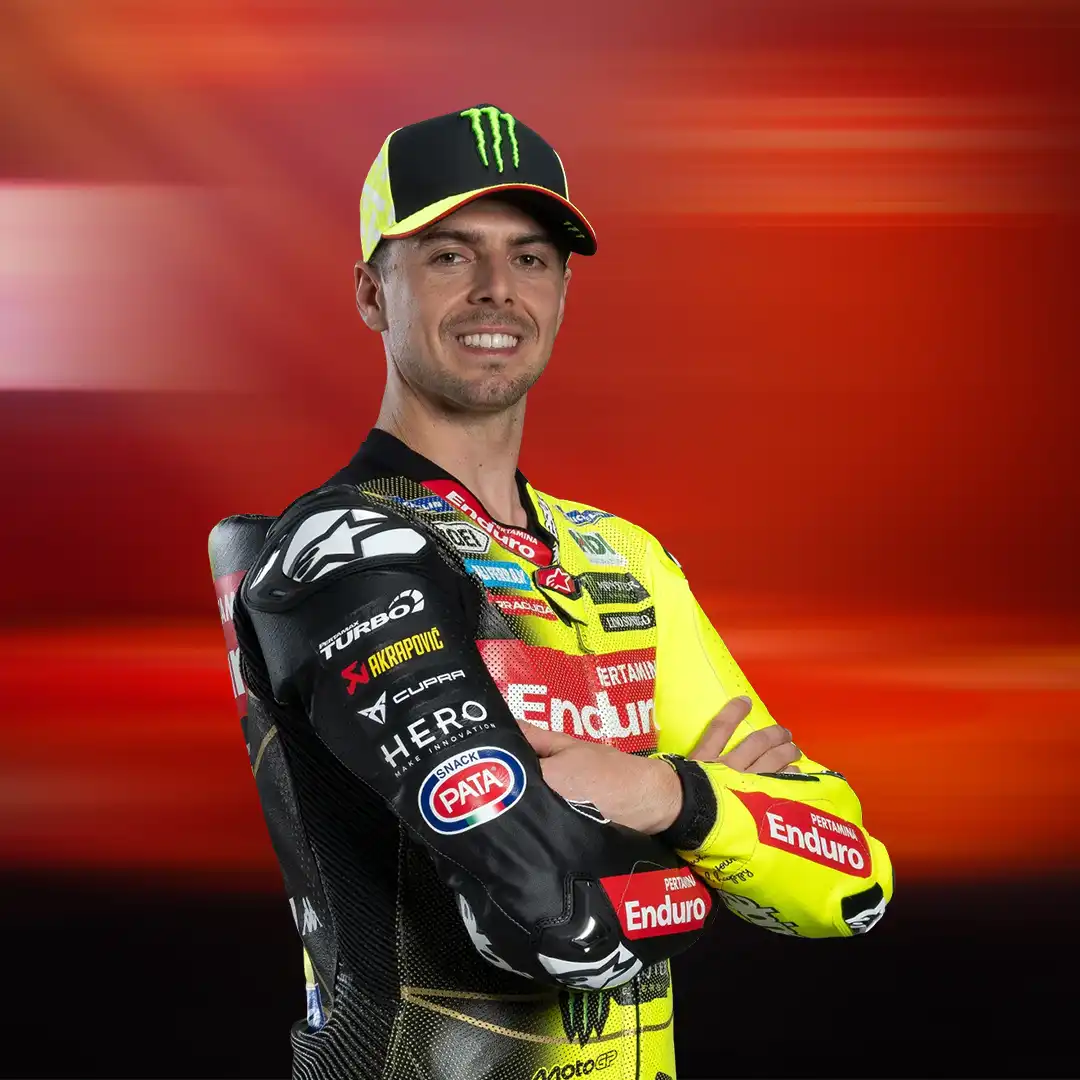 | Fabio Di GiannantonioPertamina Enduro VR46 Racing Team | +9.315 Italia | 13 |
5 | 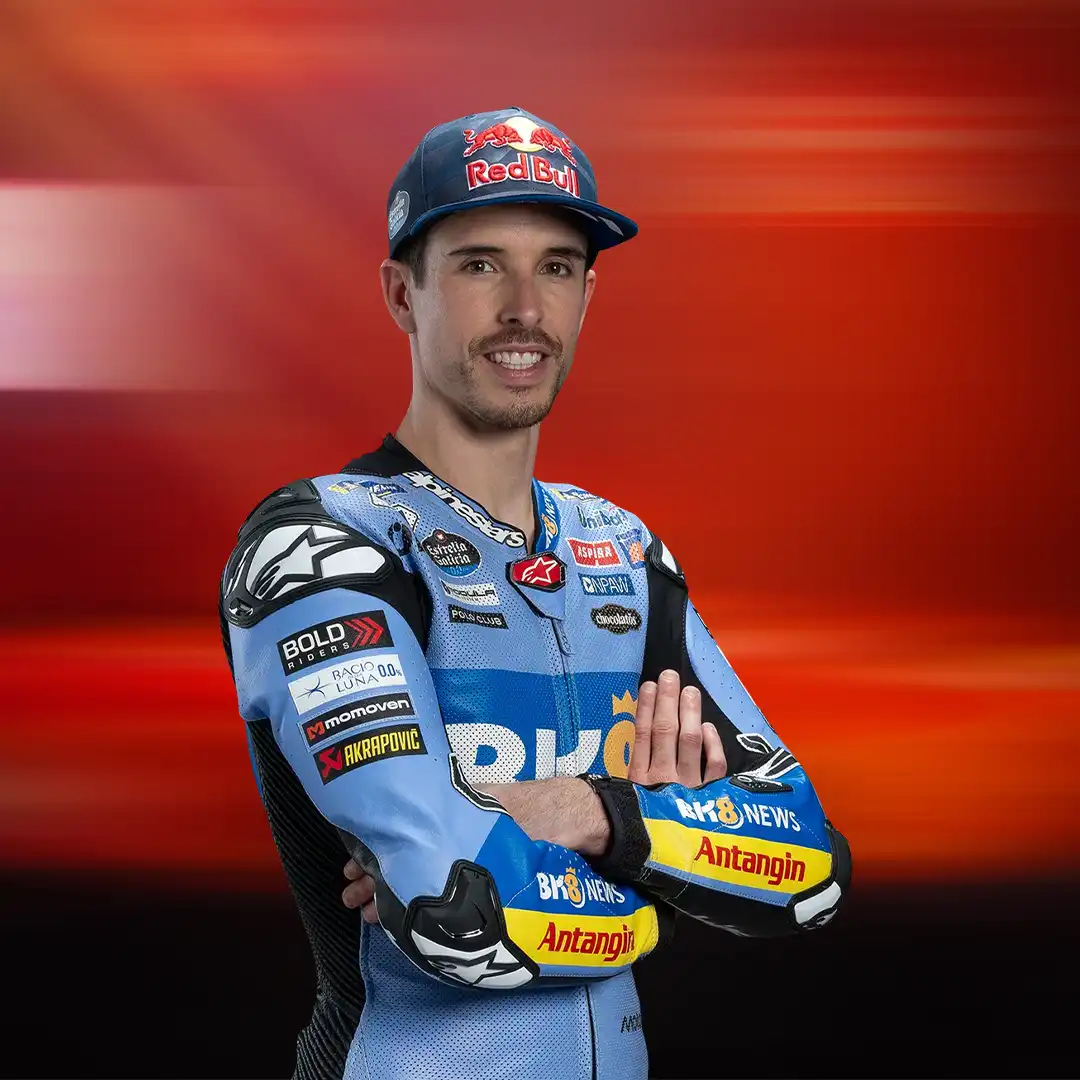 | Alex MarquezBK8 Gresini Racing MotoGP | +10.140 Spanyol | 11 |
6 | 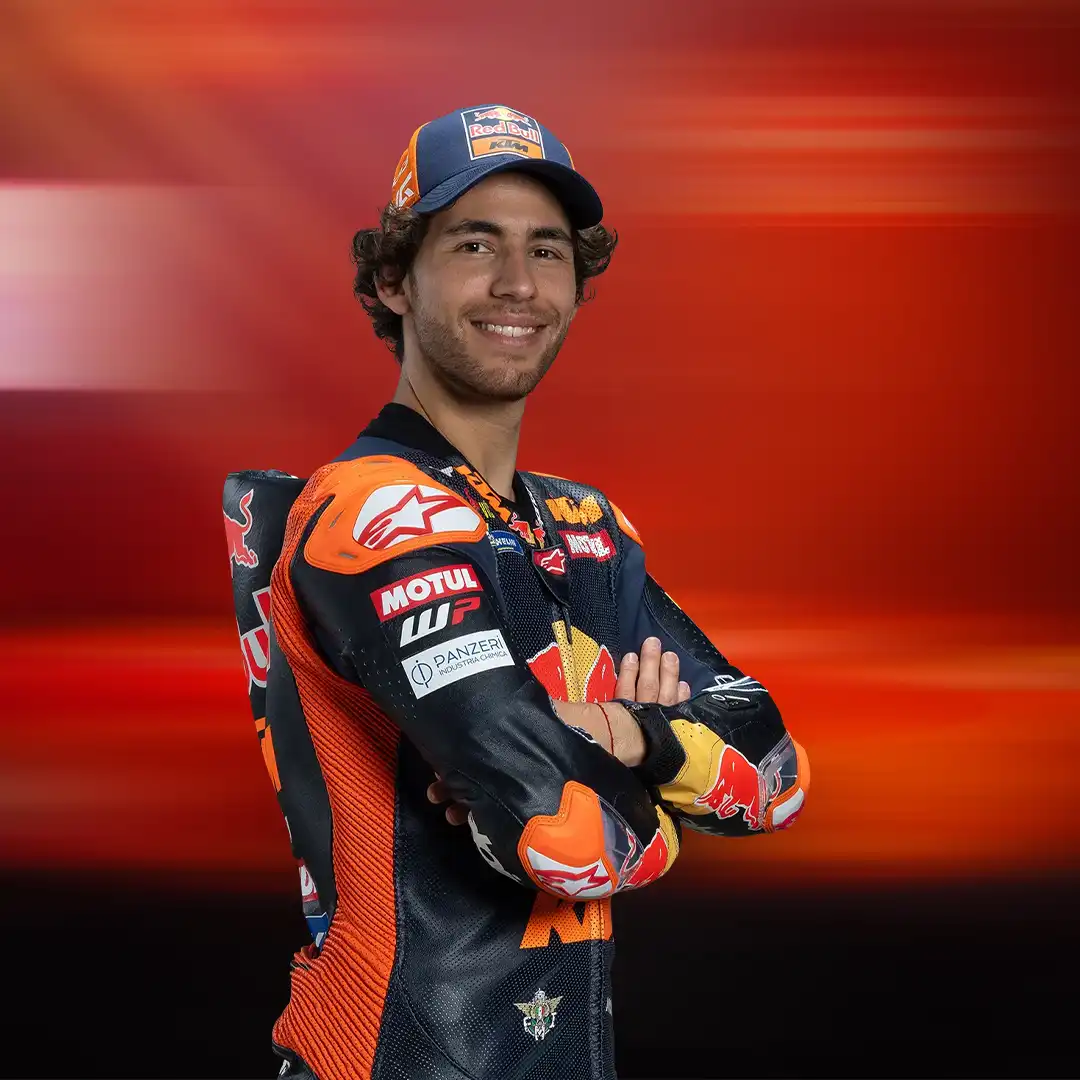 | Enea BastianiniRed Bull KTM Tech3 | +10.388 Italia | 10 |
7 | 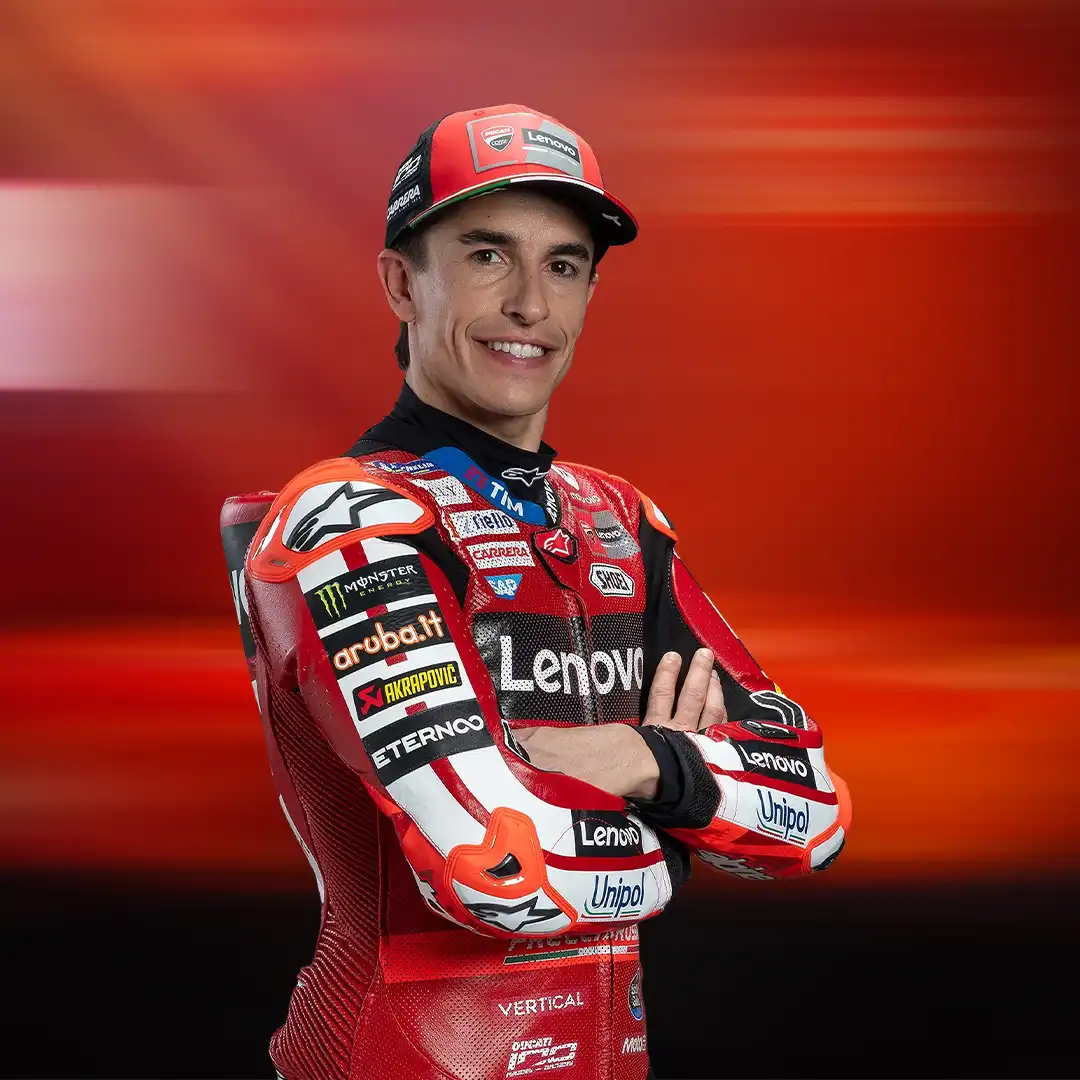 | Marc MarquezDucati Lenovo Team | +10.488 Spanyol | 9 |
8 | 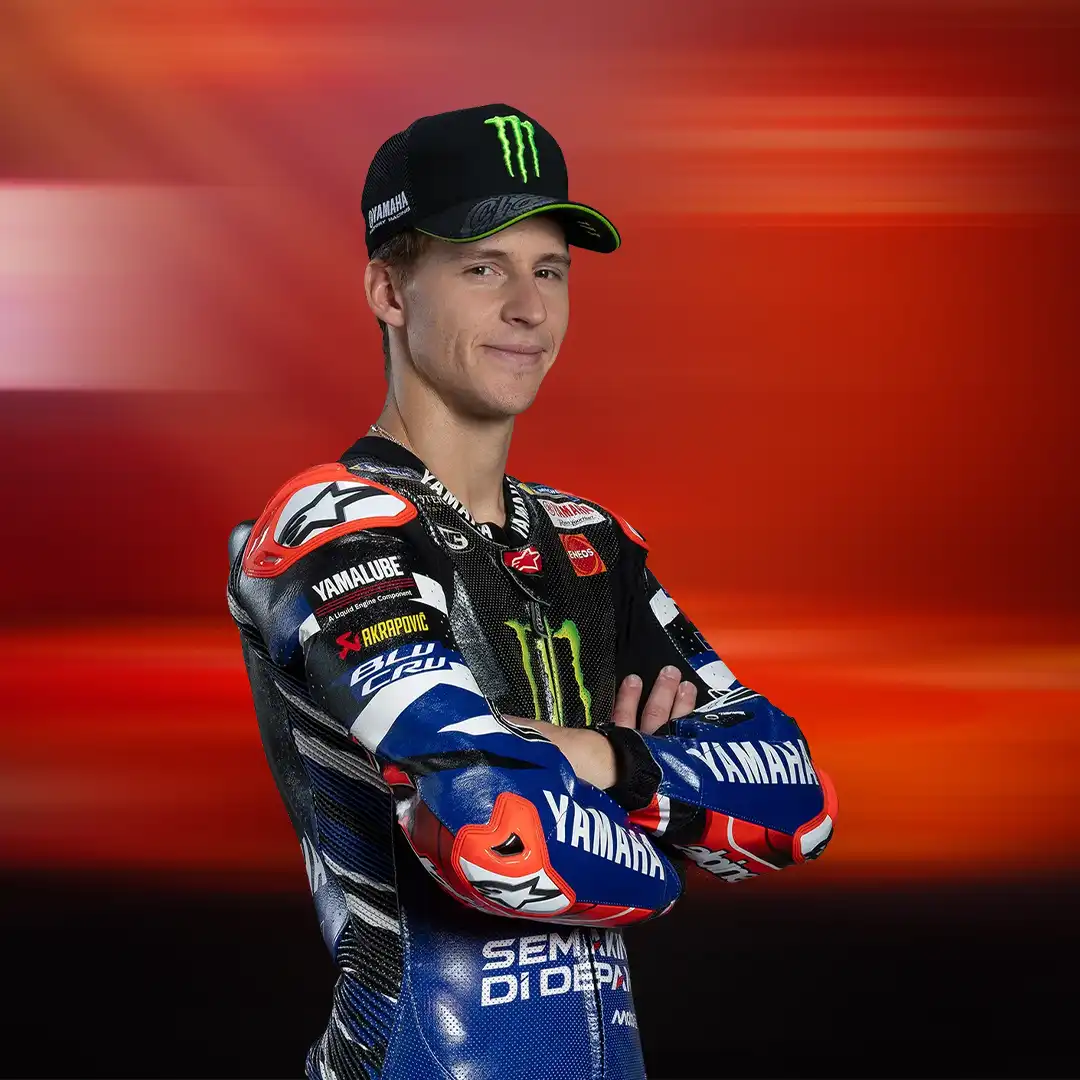 | Fabio QuartararoMonster Energy Yamaha MotoGP Team | +19.239 Prancis | 8 |
9 | 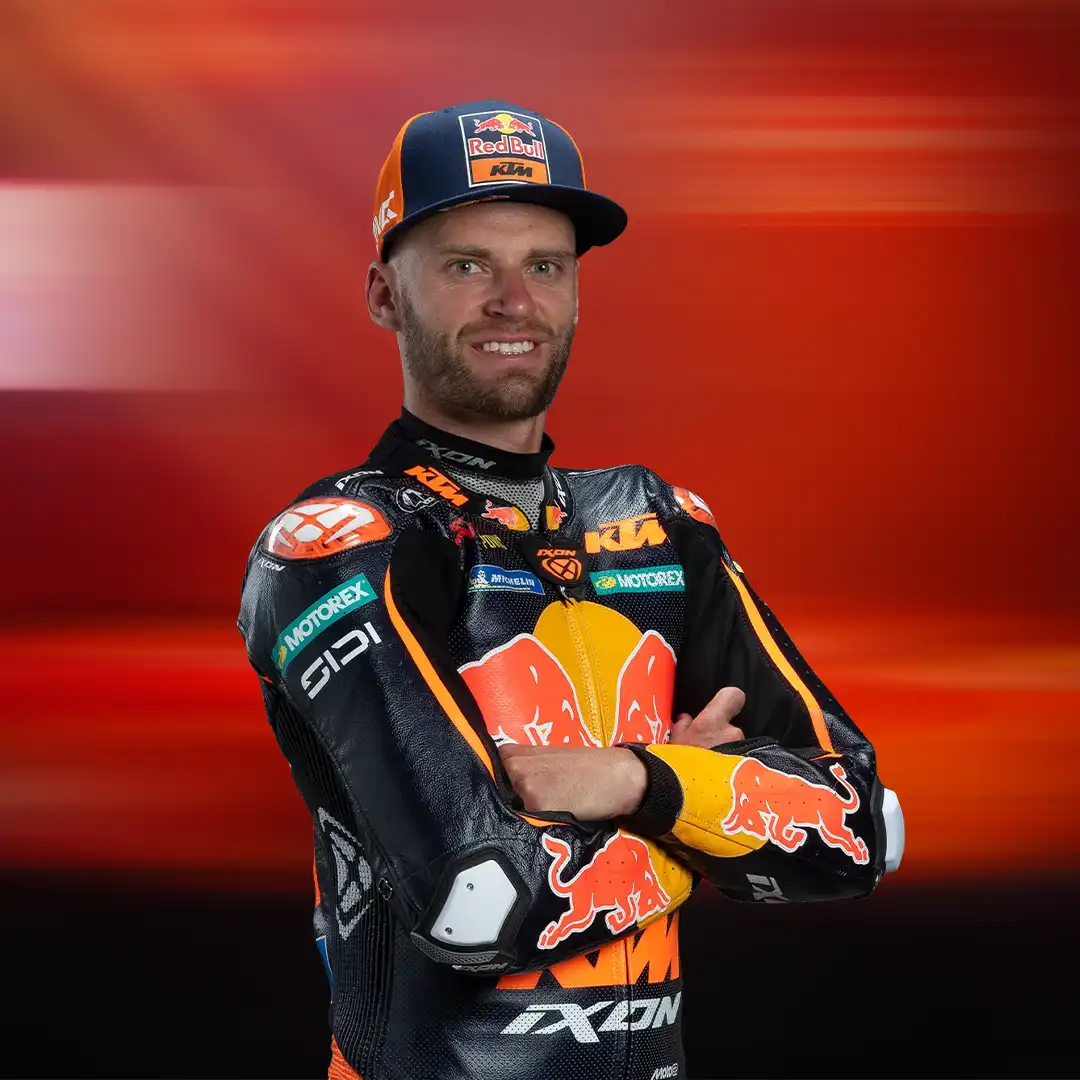 | Brad BinderRed Bull KTM Factory Racing | +19.583 Afrika Selatan | 7 |
10 | 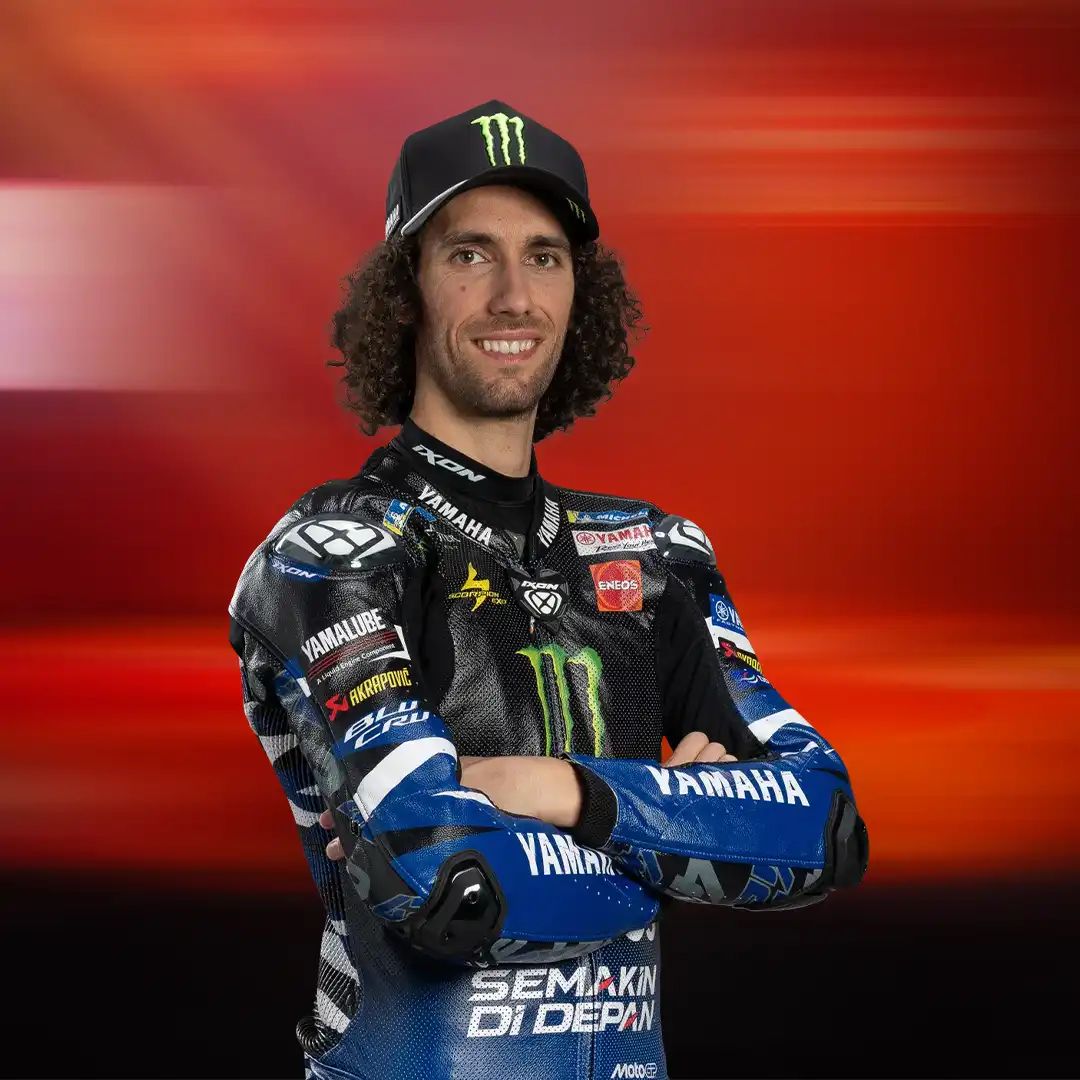 | Alex RinsMonster Energy Yamaha MotoGP Team | +20.502 Spanyol | 6 |
11 | 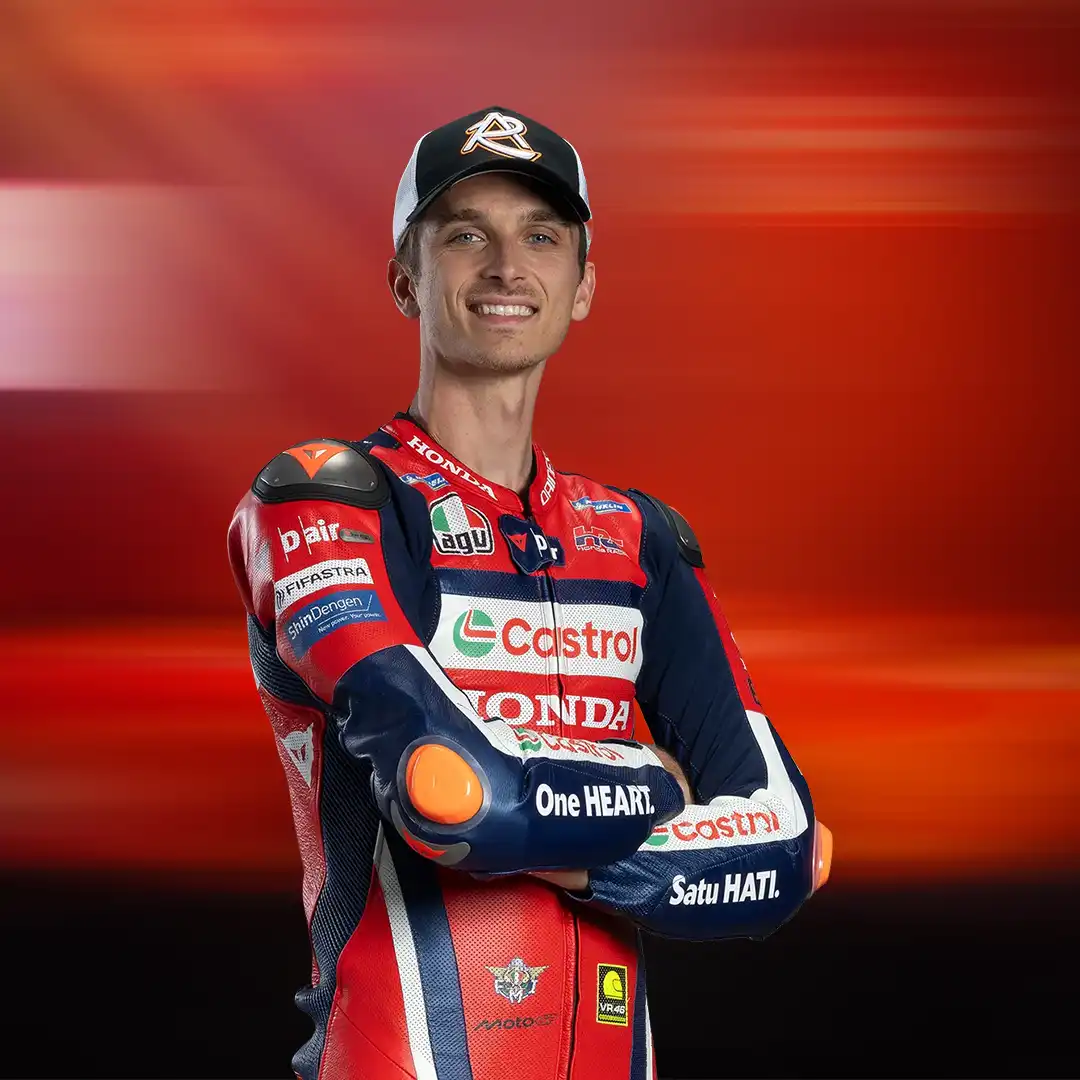 | Luca MariniHonda HRC Castrol | +20.869 Italia | 5 |
12 | 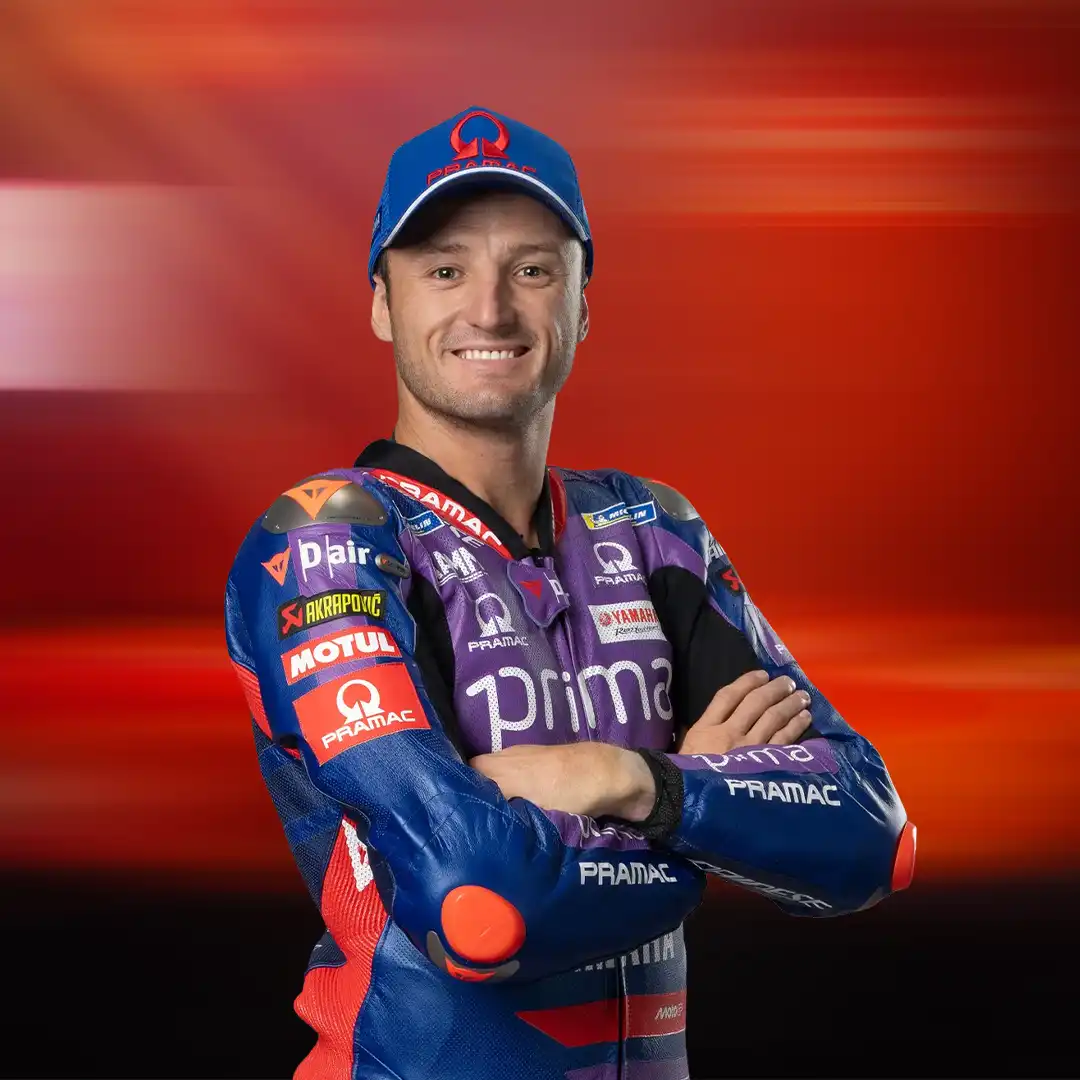 | Jack MillerPrima Pramac Yamaha MotoGP | +37.444 Australia | 4 |
13 | 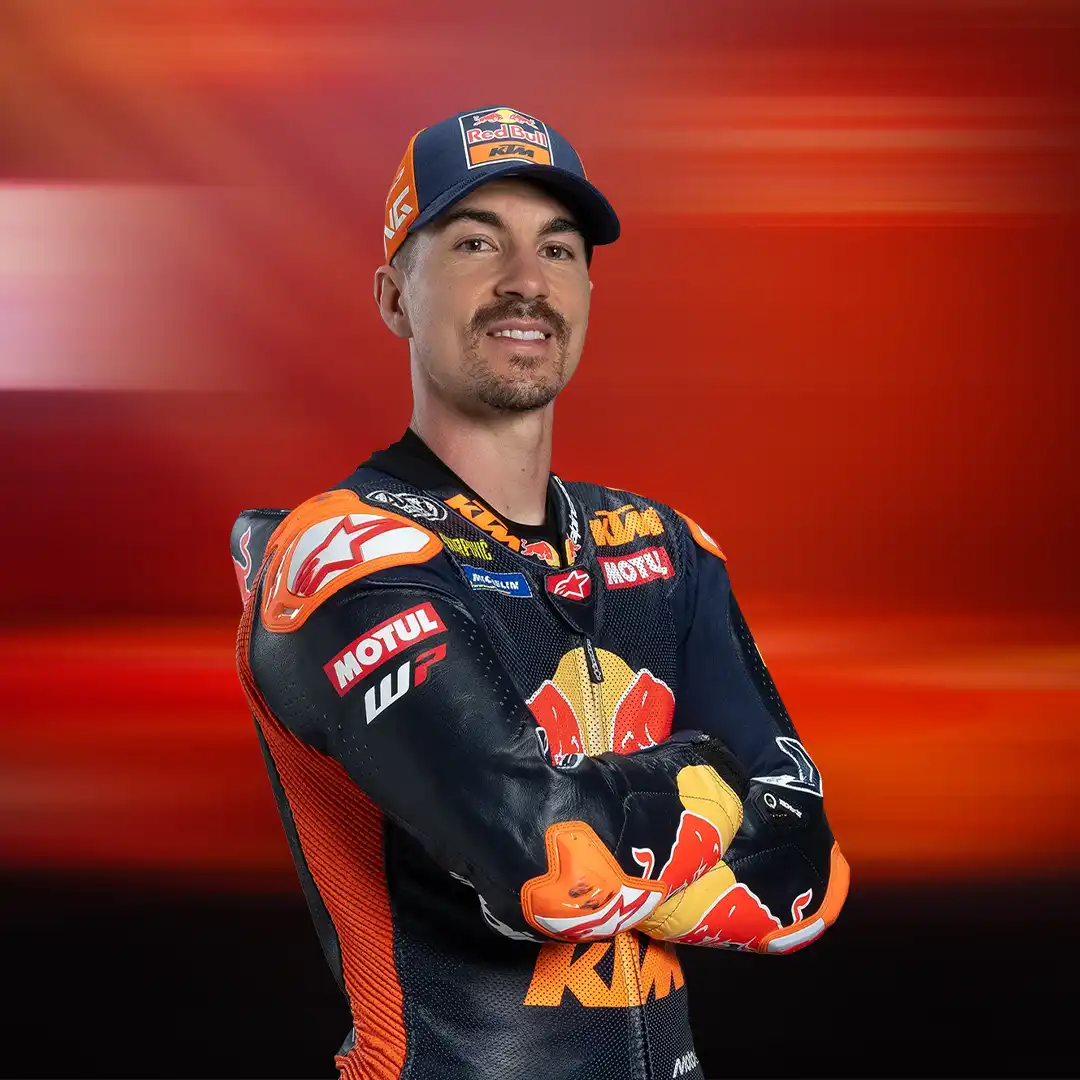 | Maverick VinalesRed Bull KTM Tech3 | +37.544 Spanyol | 3 |
14 | 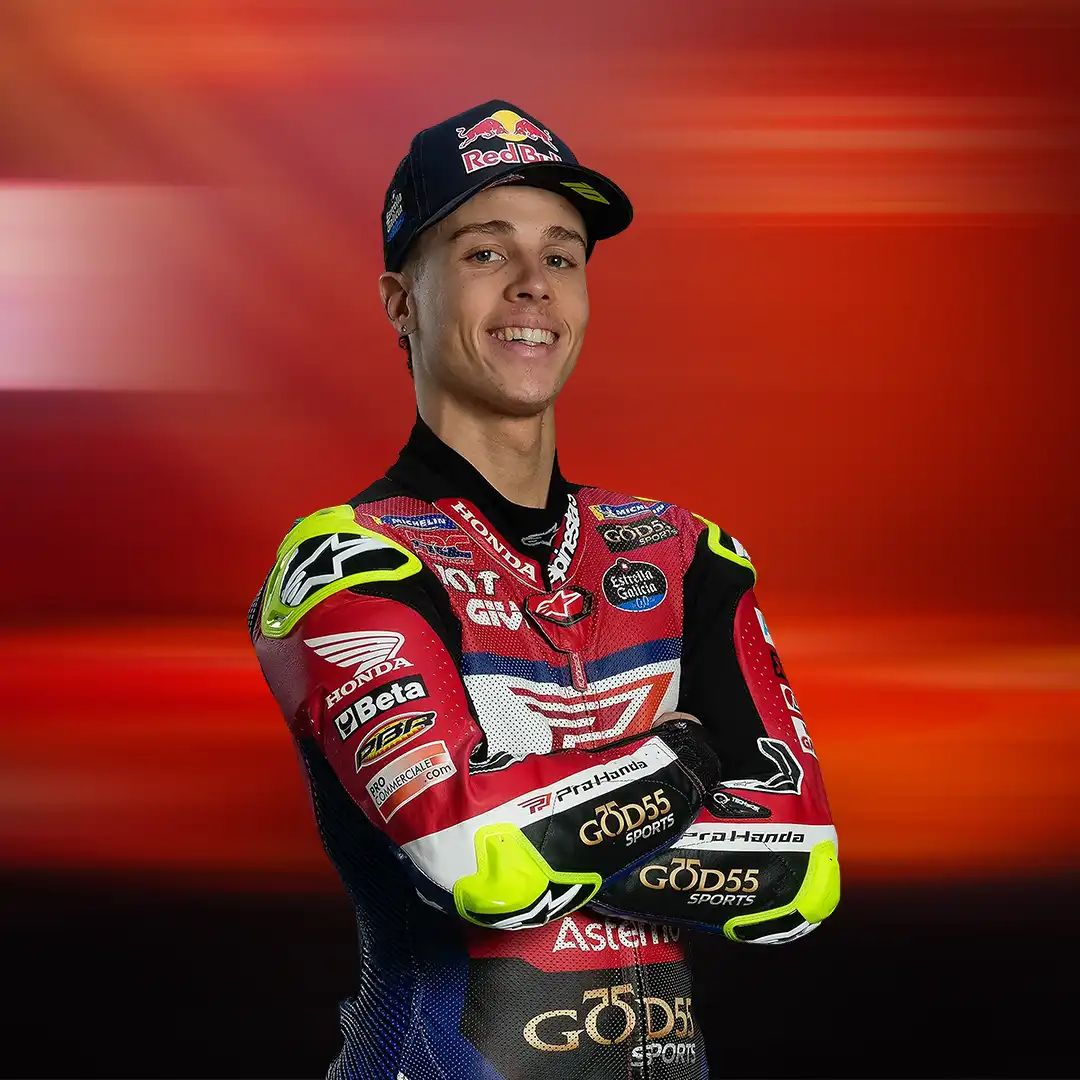 | Diogo MoreiraPro Honda LCR | +38.916 Brasil | 2 |
15 | 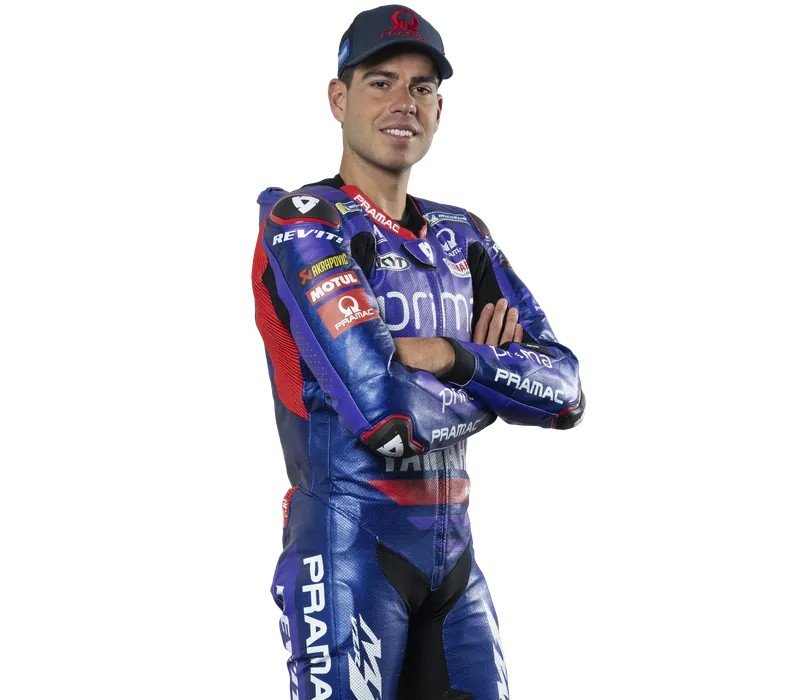 | Augusto FernandezYamaha Factory Racing | +61.615 Spanyol | 1 |
16 | 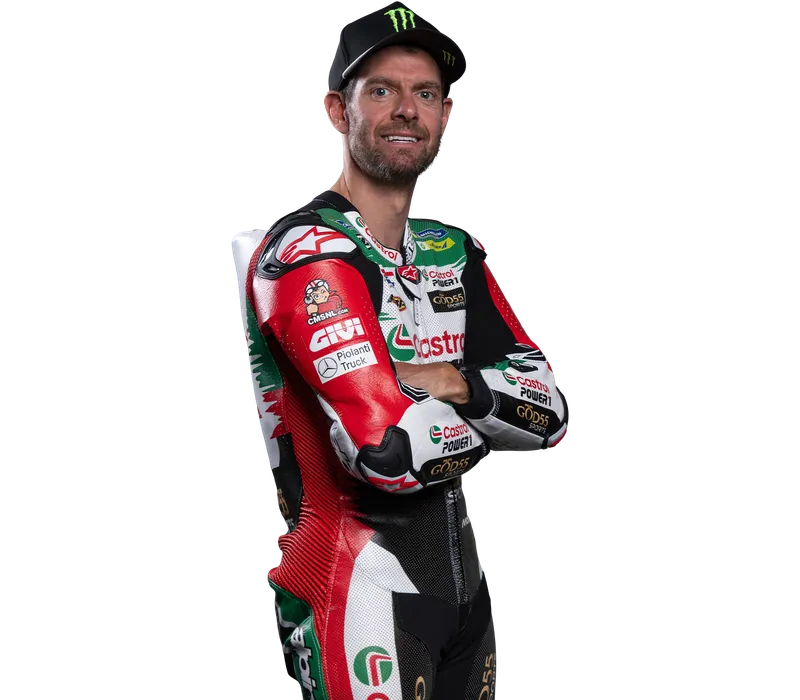 | Cal CrutchlowCastrol Honda LCR | +71.812 Inggris | 0 |
17 | 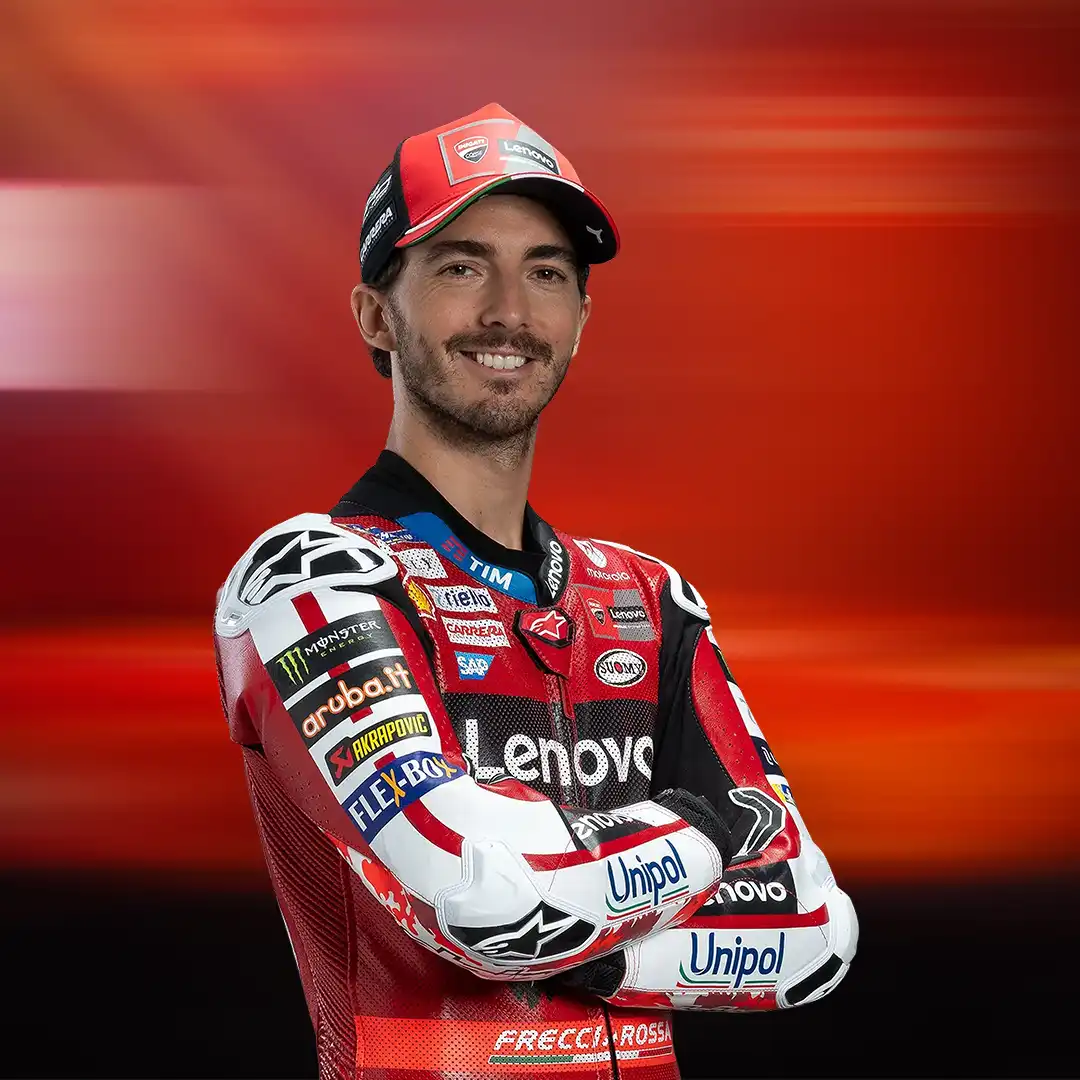 | Francesco BagnaiaDucati Lenovo Team | DNF Italia | 0 |
18 | 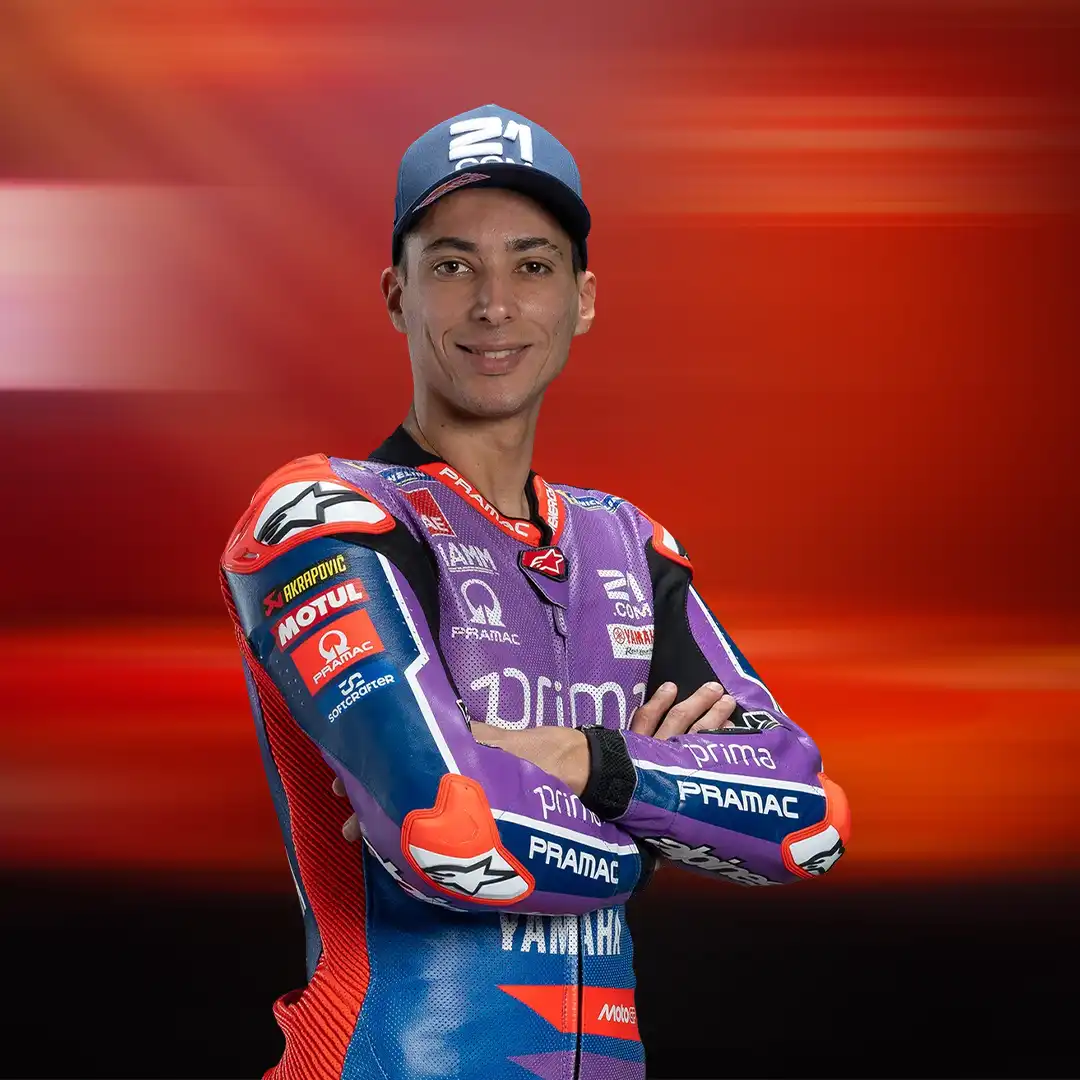 | Toprak RazgatliogluPrima Pramac Yamaha MotoGP | DNF Turkey | 0 |
19 | 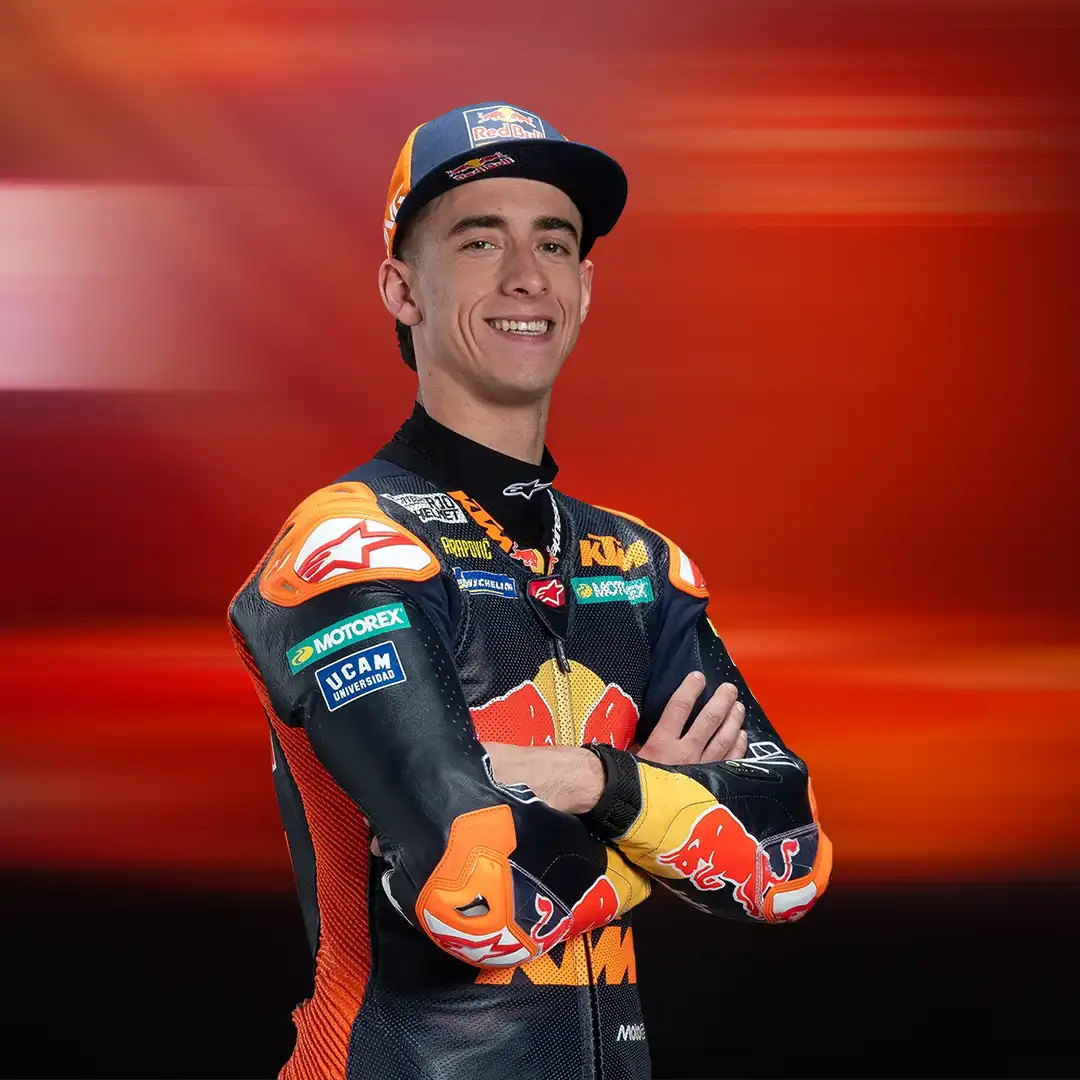 | Pedro AcostaRed Bull KTM Factory Racing | DNF Spanyol | 0 |
20 | 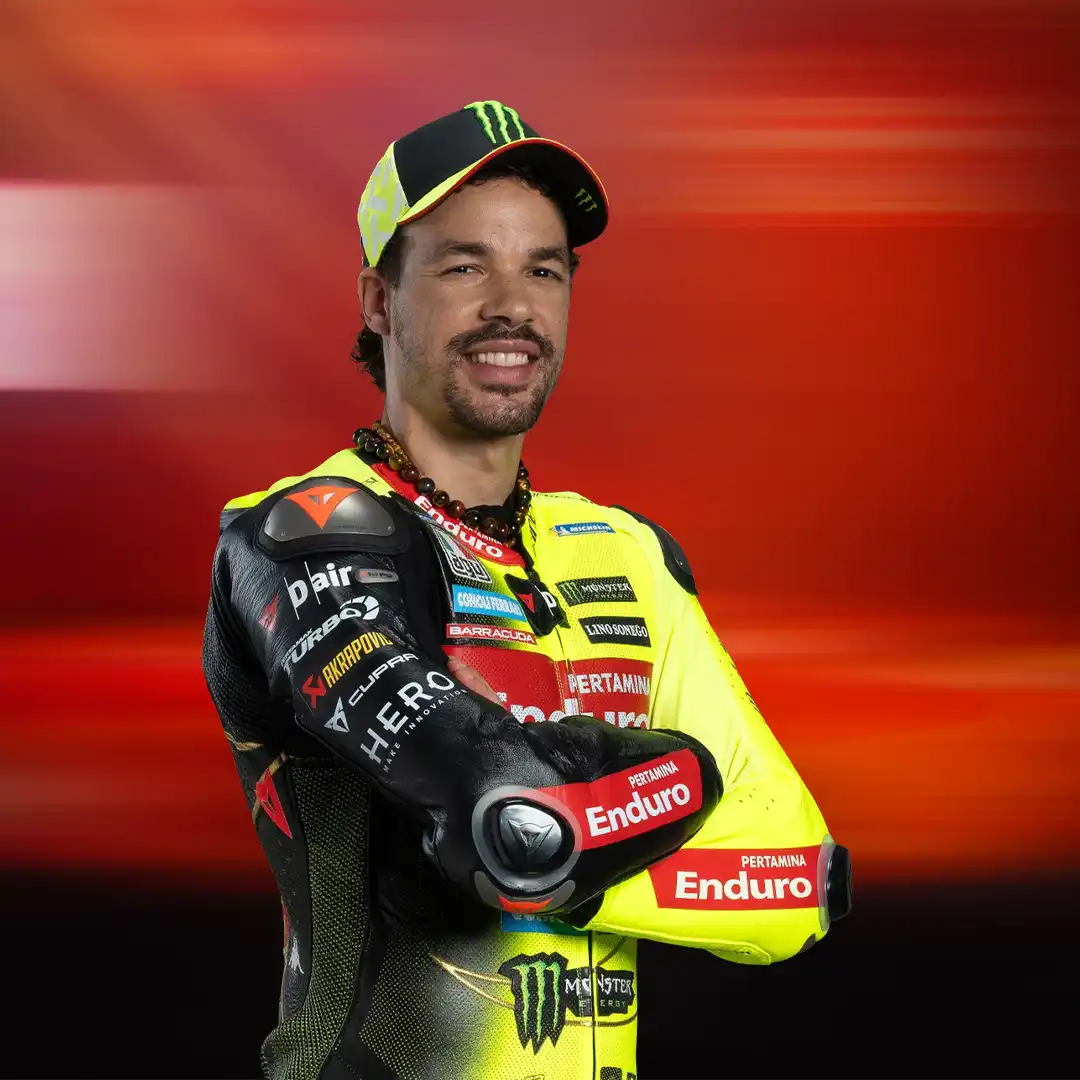 | Franco MorbidelliPertamina Enduro VR46 Racing Team | DNF Italia | 0 |
21 | 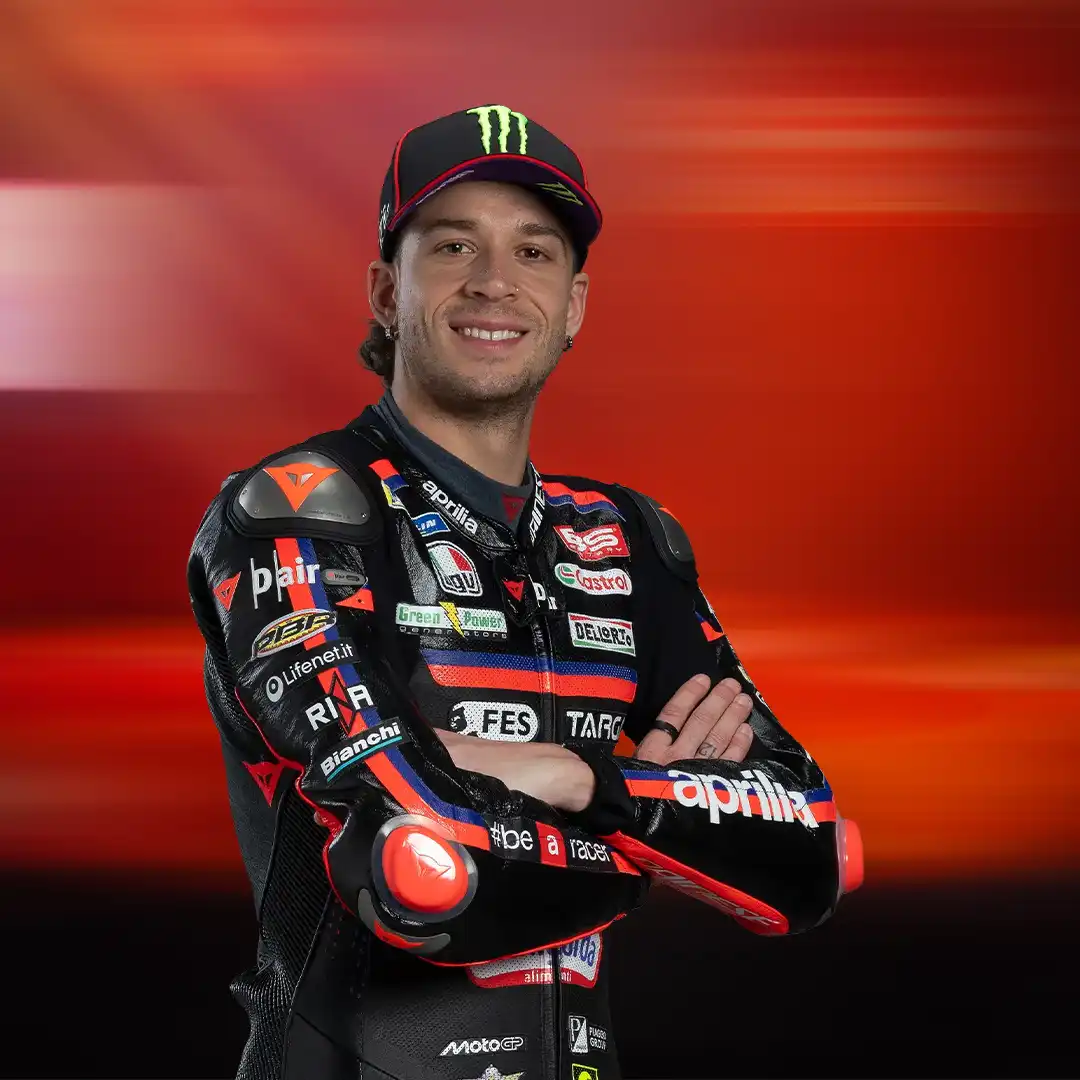 | Marco BezzecchiAprilia Racing | DNF Italia | 0 |
Read Also
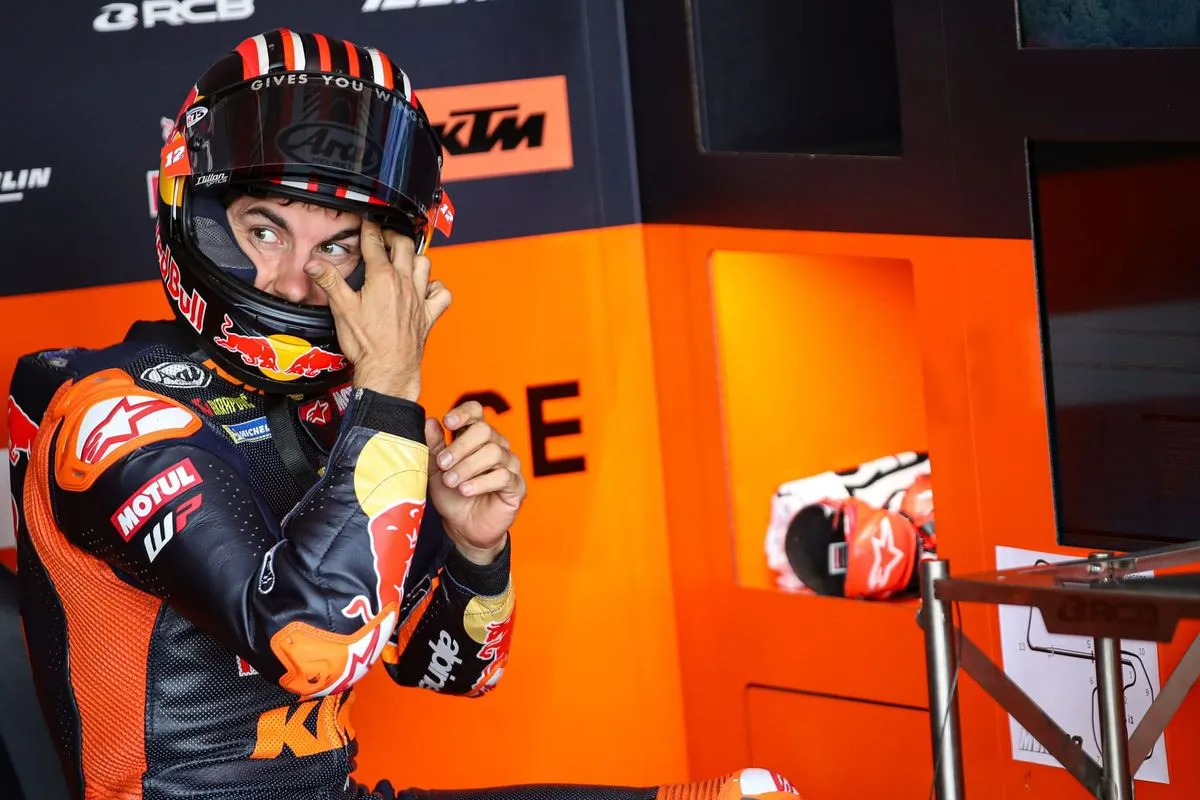
Maverick Vinales kembali ke MotoGP di Motegi setelah cedera panjang. Comeback ini bisa jadi yang terakhir, dengan tekanan dari KTM dan kritik Steiner.
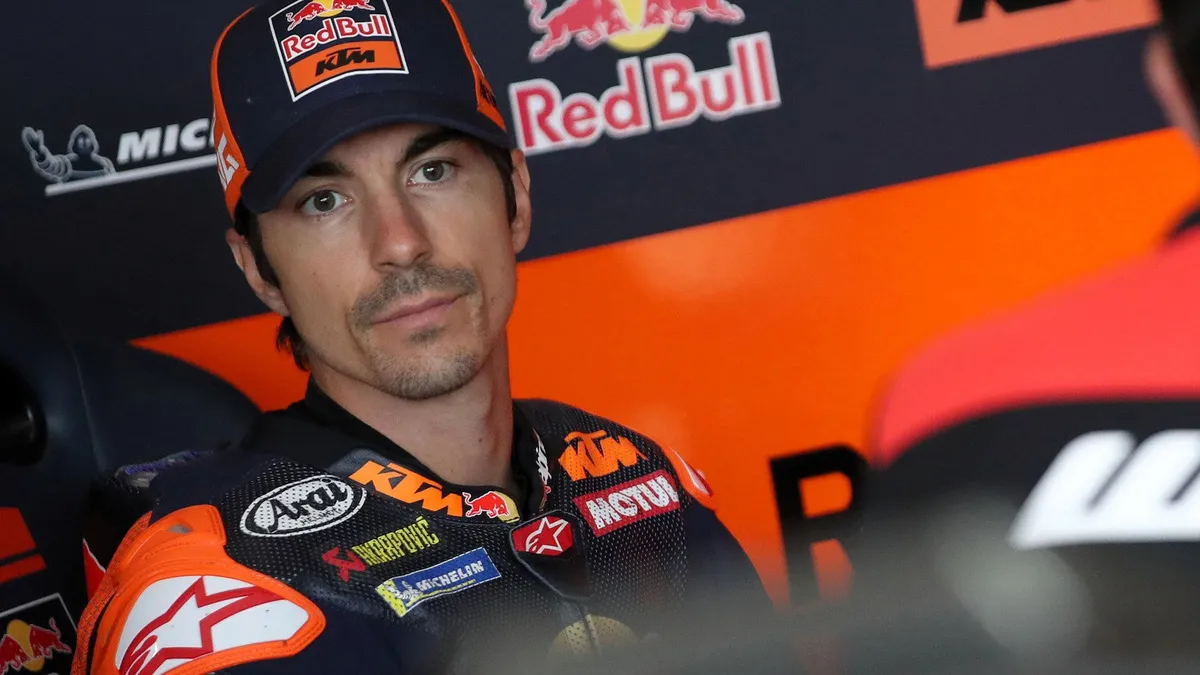
Maverick Vinales kembali ke MotoGP Jepang setelah cedera bahu. Simak pernyataan dan dampaknya bagi Tech3 KTM di Motegi.
Peta kepala teknisi MotoGP 2027 berubah: Quartararo ke Honda dengan Pupulin, Acosta warisi tim Bagnaia, dan KTM rombak besar-besaran. Simak detailnya.
 Continue with Google
Discussion (0)
Join the Discussion!
Sign in easily to start commenting, replying, and interacting with other readers.
Latest Comments
No comments yet. Be the first!