







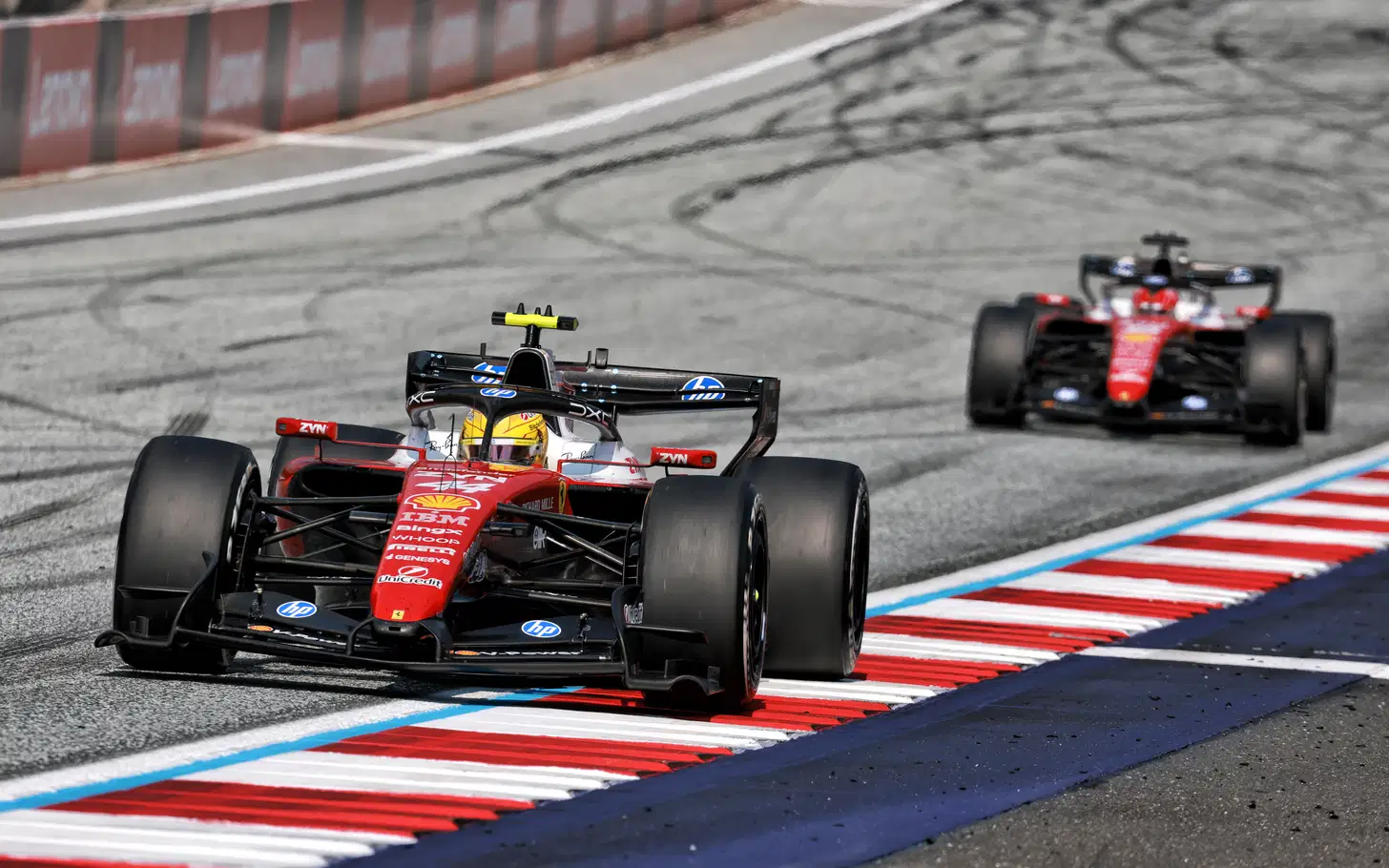

Lewis Hamilton admitted he was left puzzled by Ferrari's lack of race pace at the 2026 Austrian Grand Prix, after starting third on the grid but finishing only fifth following an unsuccessful three-stop strategy at the Red Bull Ring.
Ferrari lined up on the second row with Charles Leclerc and Hamilton occupying second and third respectively, yet neither driver converted the promising starting positions into a podium finish. Hamilton crossed the line in fifth behind Oscar Piastri, while Leclerc dropped to eighth as the SF-26 struggled in the extreme heat.
Hamilton Expected Severe Tyre Degradation
Hamilton revealed he had been convinced before the race that a three-stop strategy offered Ferrari the best chance of success. During Sunday's strategy meeting, the team calculated that a conventional two-stop race would be around four seconds faster, but Hamilton believed the unusually high track temperatures would dramatically increase tyre degradation.
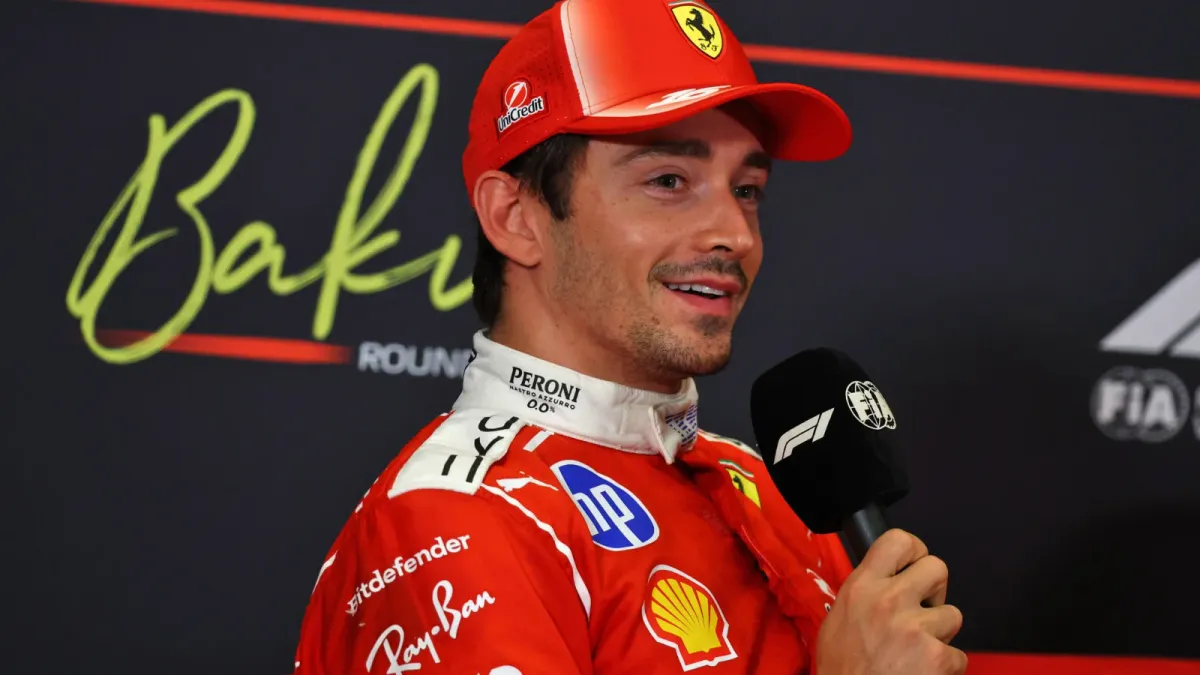
"In the strategy meeting on Sunday morning they told us it was a two-stop race and that a three-stop strategy would be four seconds slower. But I was dead set on doing three stops because I expected the degradation to be extremely high," Hamilton explained.
The seven-time world champion also wanted to start the race on the soft compound tyre, believing it would provide stronger early performance. Ferrari, however, opted for the more conservative medium tyre, concerned that the soft compound would degrade too quickly in temperatures approaching 60 degrees Celsius.
The Medium Tyre Failed to Deliver
According to Hamilton, the medium tyre did not provide the race platform he had hoped for. He initially stayed close to George Russell during the opening laps before rapidly losing rear grip and beginning to fall away, particularly on the straights.
"I started on the medium and was able to stay with George at first. Then he slowly pulled away. I was in the tow, but he kept gaining on the straights, and my rear tyres dropped off very quickly," Hamilton said.
The rapid tyre degradation prompted Ferrari to pit Hamilton earlier than its rivals and commit to the three-stop strategy. However, the alternative approach placed him in traffic, while the later switch to soft tyres failed to produce the performance gain he had expected.
Ferrari Lacked Pace in the Heat
Hamilton admitted he still does not fully understand why the SF-26 became so difficult to drive during the race. The rear tyres deteriorated rapidly, while the car lacked the underlying pace needed to recover positions after the early pit stop.
Although he believes starting on soft tyres might not have transformed the final result, Hamilton suggested it could have provided fresher tyres for the remaining stints and perhaps offered a realistic opportunity to challenge for fourth place.
A Warning Sign Before Silverstone
Fifth place marked Hamilton's lowest Grand Prix finish since Miami and highlighted Ferrari's continuing inconsistency under demanding race conditions. What began as a promising weekend from the second row ultimately became another missed opportunity for the Scuderia.
For Ferrari, Austria exposed more than just a strategic dilemma. The race suggested the SF-26 struggled to maintain rear tyre performance as track temperatures increased, leaving the team with limited tactical flexibility. With Silverstone next on the calendar, understanding the cause of that performance drop will become a key priority if Ferrari hopes to return to the podium fight.
Read Also
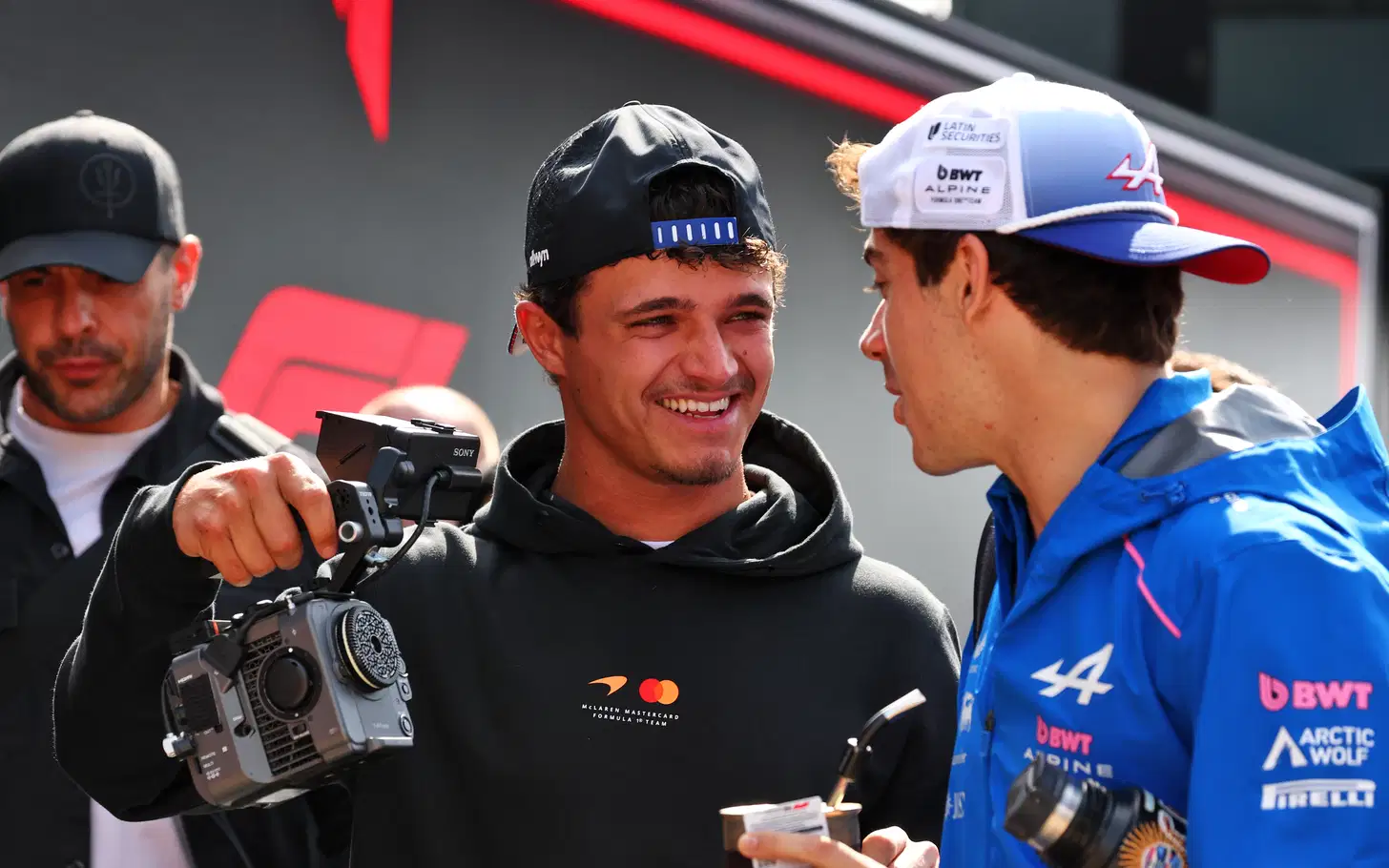
Lando Norris has apologised to Franco Colapinto over his emotional Azerbaijan GP comments, admitting his call for a race ban was wrong.
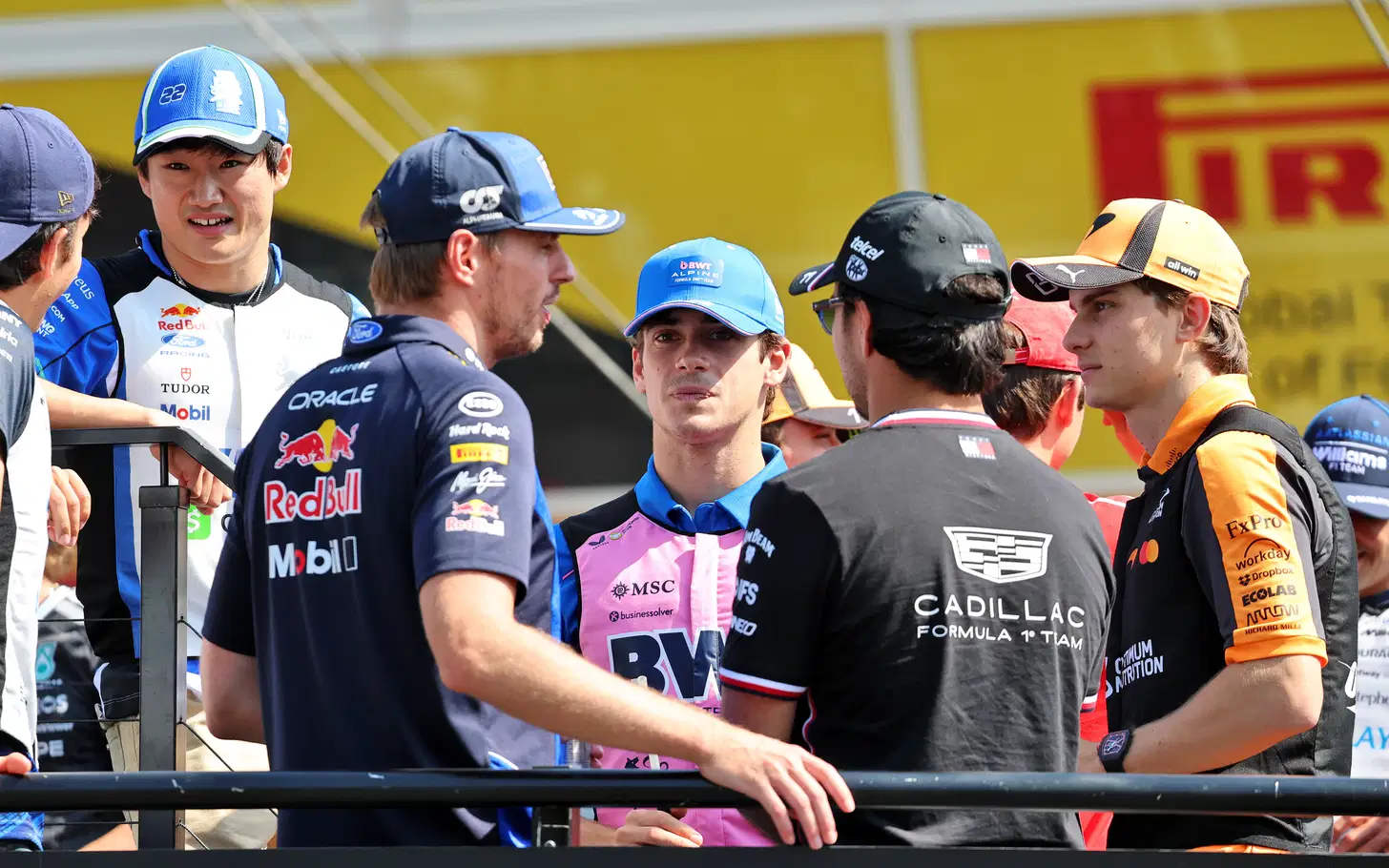
Franco Colapinto has been compared to Max Verstappen by Juan Pablo Montoya after his costly Azerbaijan GP restart crash and five-place grid penalty.
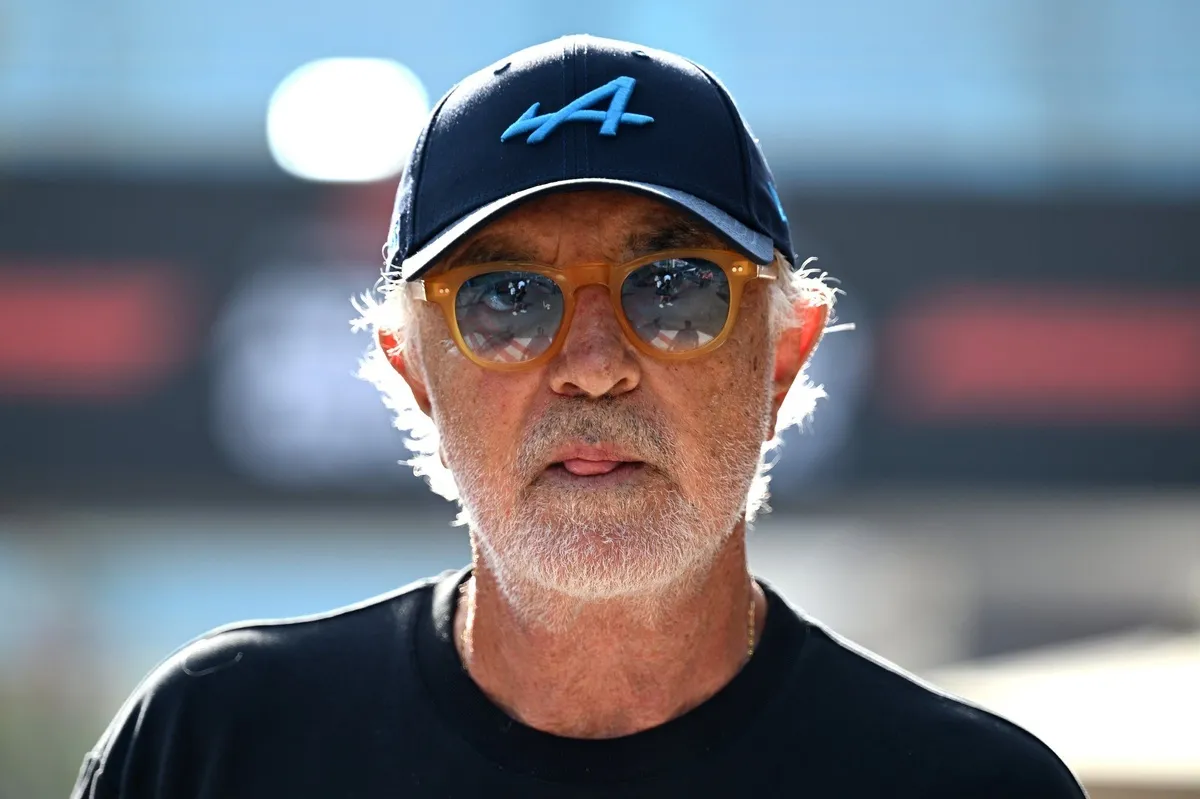
Flavio Briatore minta maaf ke Lando Norris dan McLaren usai kecelakaan tiga mobil di GP Azerbaijan yang melibatkan Franco Colapinto. Simak detailnya.
 Continue with Google
Discussion (0)
Join the Discussion!
Sign in easily to start commenting, replying, and interacting with other readers.
Latest Comments
No comments yet. Be the first!