







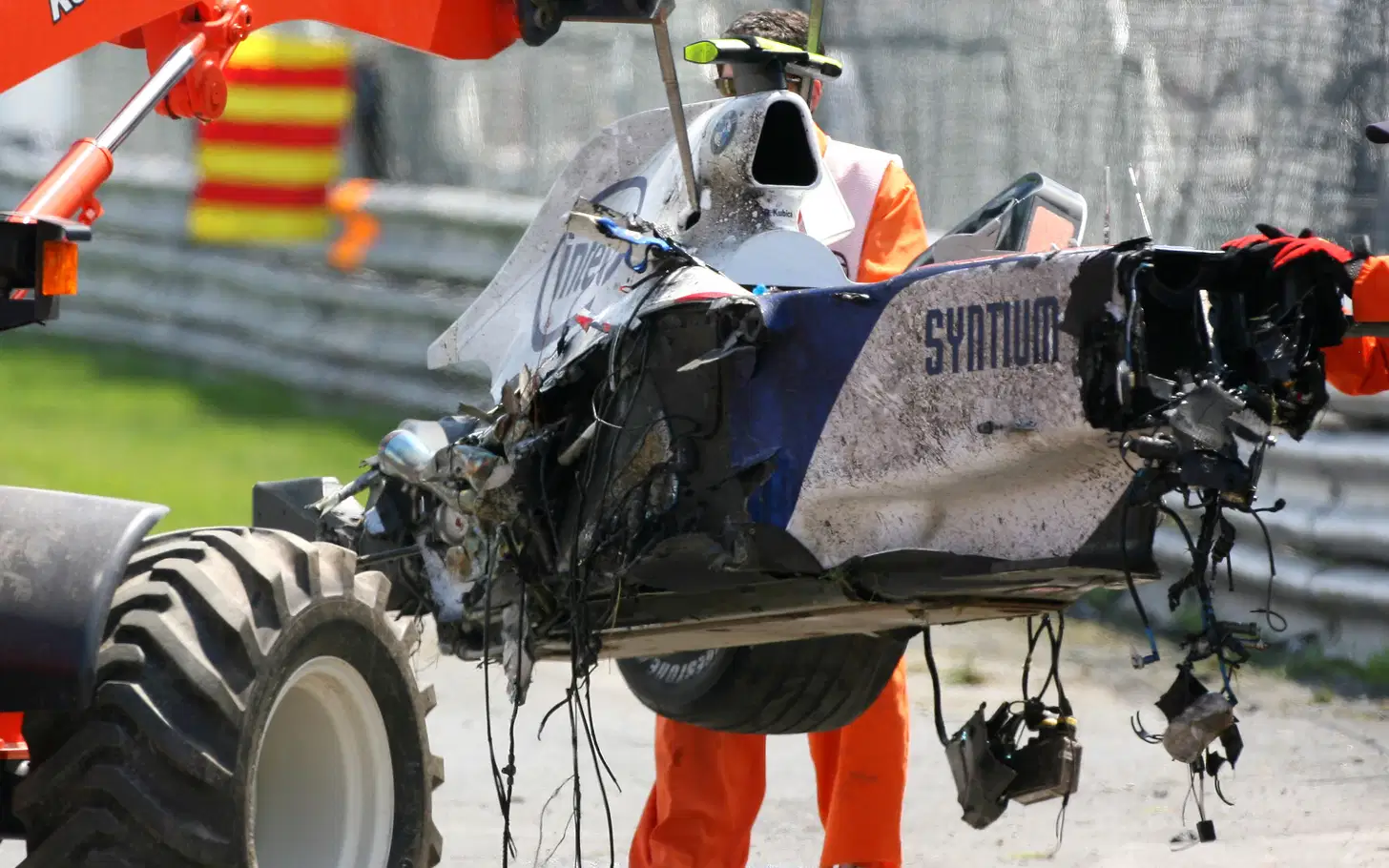

Robert Kubica suffered one of the most terrifying accidents in modern Formula 1 history during the 2007 Canadian Grand Prix, an incident that left the entire paddock in shock and raised immediate fears for the Polish driver's survival. Yet only one year later, Kubica returned to Circuit Gilles-Villeneuve to complete one of the sport's most emotional redemption stories.
Before the crash, Kubica had already established himself as one of Formula 1's brightest young talents. After making his debut with BMW Sauber midway through the 2006 season, he immediately attracted attention by securing a podium finish at Monza in only his third grand prix. His combination of aggression, car control and raw pace convinced many within the paddock that Kubica possessed future world championship potential.
The 2007 campaign had been solid but not yet spectacular. Kubica consistently scored points and regularly placed BMW Sauber among the leading midfield teams, although a true breakthrough result had still not arrived. That situation changed dramatically on June 10, 2007 in Montreal, when his career almost ended within seconds.
The accident occurred after Kubica lost control following contact with Jarno Trulli's Toyota in the high-speed section approaching the final hairpin. His BMW Sauber struck the concrete wall at enormous speed before launching airborne and violently spinning across the circuit. The front of the car was completely destroyed while debris scattered across multiple sections of the track.
At that moment, the motorsport world held its breath. Television replays highlighted the terrifying force of the impact, creating immediate fears of severe or even fatal injuries. Drivers and teams throughout the paddock instantly shifted their focus away from the race itself and towards Kubica's condition.
Remarkably, Kubica escaped with only a mild concussion and an ankle injury. The crash quickly became one of the clearest demonstrations of Formula 1's improving safety standards, particularly the effectiveness of the survival cell, HANS device and advanced carbon-fibre monocoque structures that were evolving rapidly during that era.
The Montreal incident also reinforced Circuit Gilles-Villeneuve's reputation as one of Formula 1's most dangerous and demanding venues. The semi-permanent circuit's close concrete walls, heavy braking zones and rapid direction changes have frequently punished even the smallest mistakes with major consequences.
What transformed Kubica's story into a legendary Formula 1 moment was what followed twelve months later. At the 2008 Canadian Grand Prix, exactly one year after the terrifying crash, Kubica returned to Montreal and secured his first Formula 1 victory with BMW Sauber. The win also remains BMW Sauber's only grand prix victory as a full constructor.
The triumph became one of the most emotional redemption stories in modern Formula 1 history. From a driver who had nearly lost his career in a brutal accident, Kubica returned to win at the same circuit while also taking the lead of the world championship standings for the first time in his career.
Even today, Kubica's 2007 Canadian Grand Prix crash is remembered not only because of the violence of the accident itself, but because it symbolised both Formula 1's safety evolution and the extraordinary resilience required at the highest level of motorsport. Montreal ultimately became a symbol of the two extremes that define racing: brutal danger and remarkable redemption.
Read Also
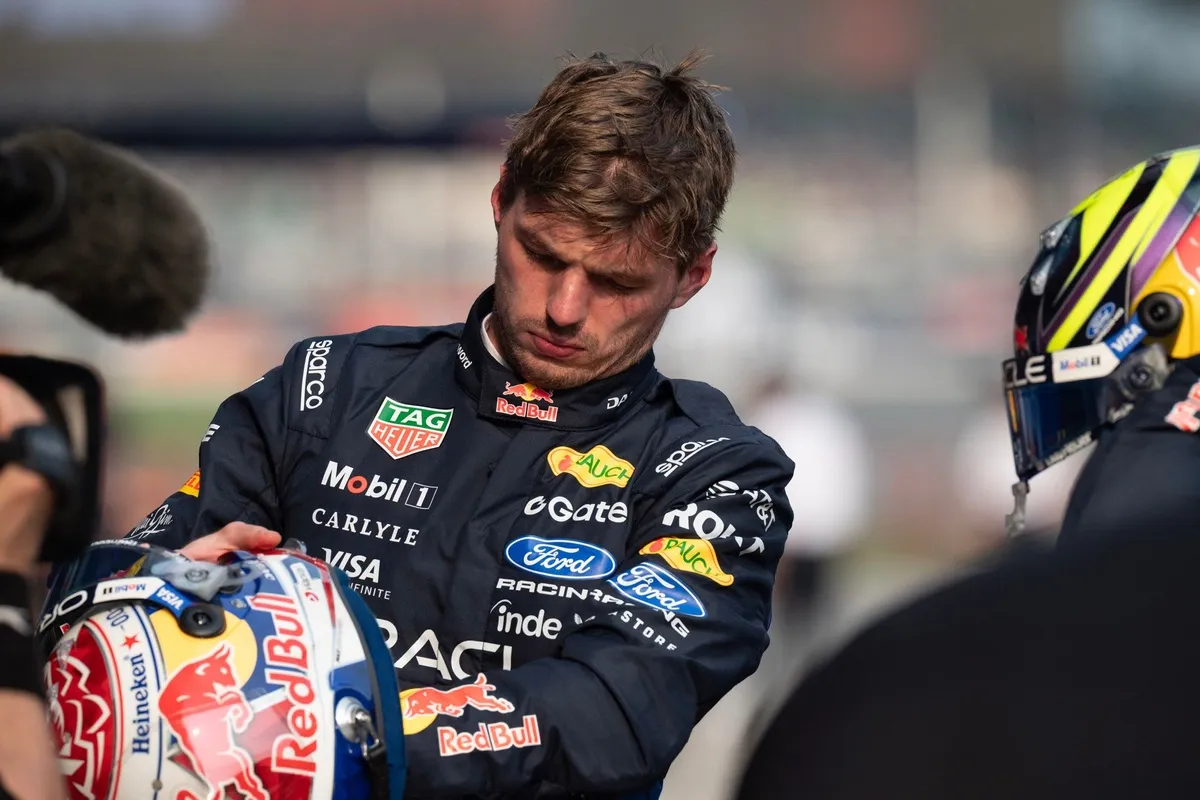
Sejumlah pembalap F1 menuntut rompi pendingin dilarang karena masalah teknis dan kenyamanan, sementara Max Verstappen menegaskan dirinya tidak membutuhkan alat itu.
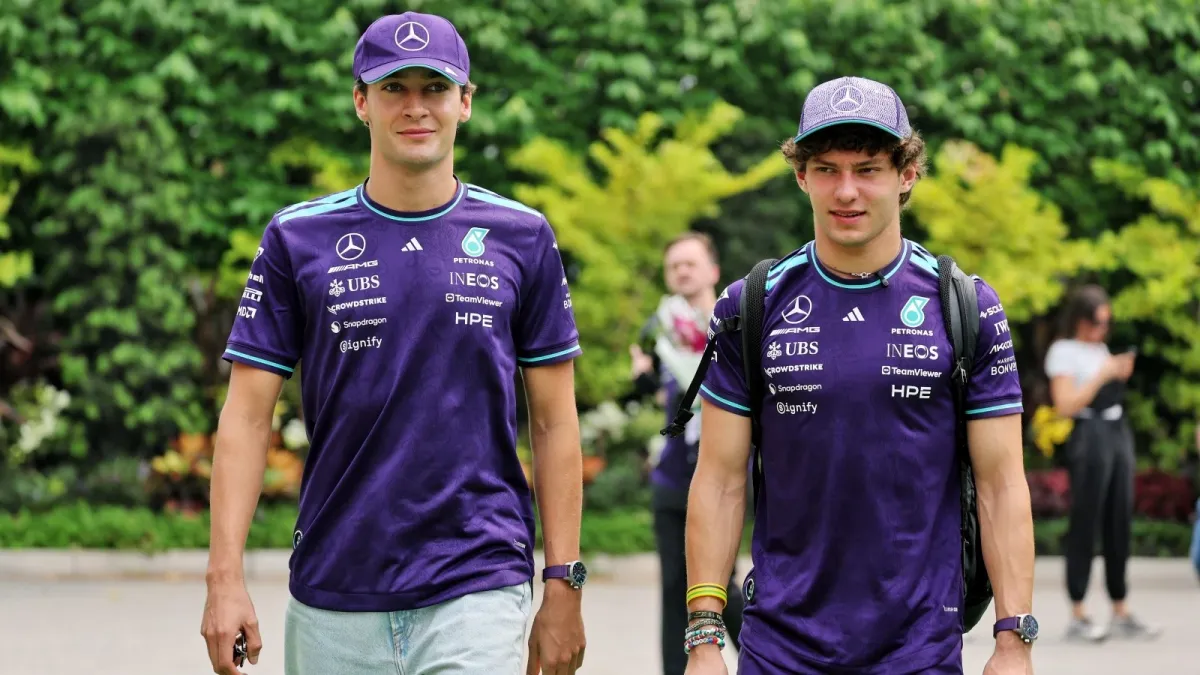
Mercedes ambil langkah terpisah untuk W17 di GP Singapura. George Russell pakai spek lama, sementara Kimi Antonelli pertahankan paket upgrade terbaru.
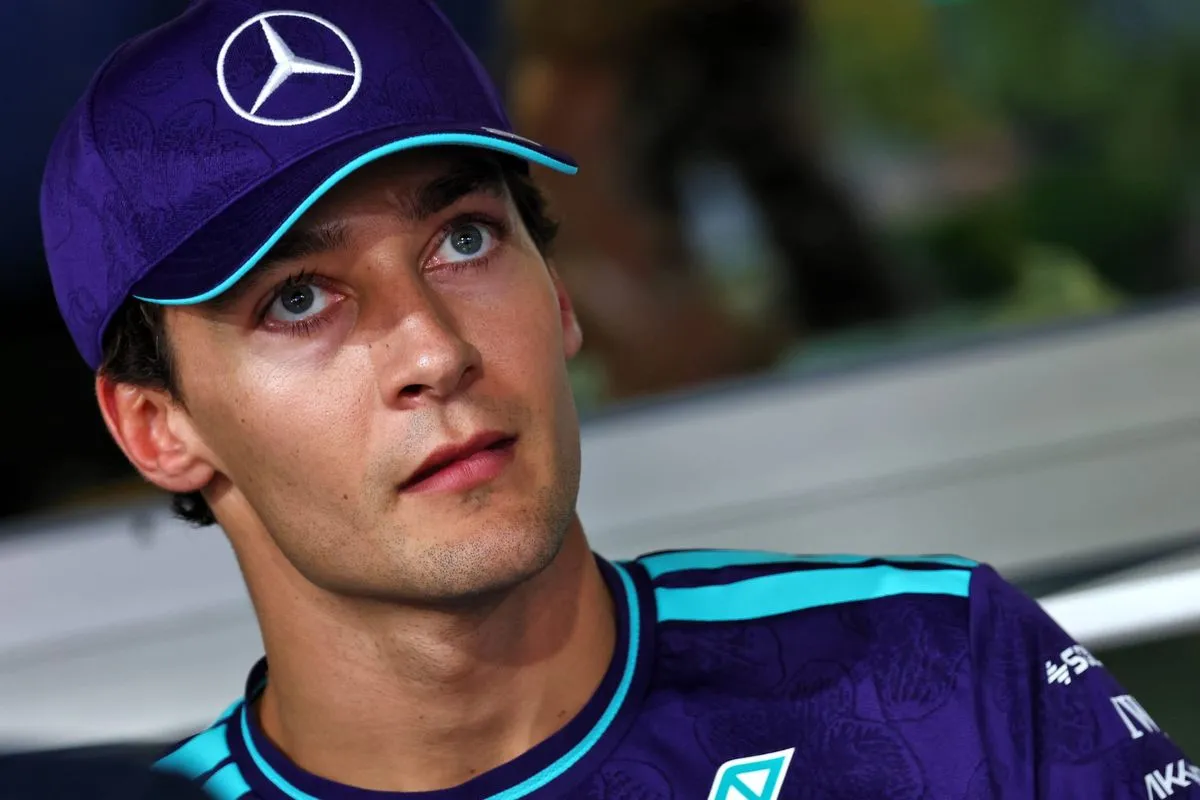
George Russell mengungkap alasan di balik keputusannya meninggalkan paket upgrade aerodinamika Mercedes di F1 GP Singapura demi mencari jawaban teknis.
 Continue with Google
Discussion (0)
Join the Discussion!
Sign in easily to start commenting, replying, and interacting with other readers.
Latest Comments
No comments yet. Be the first!