







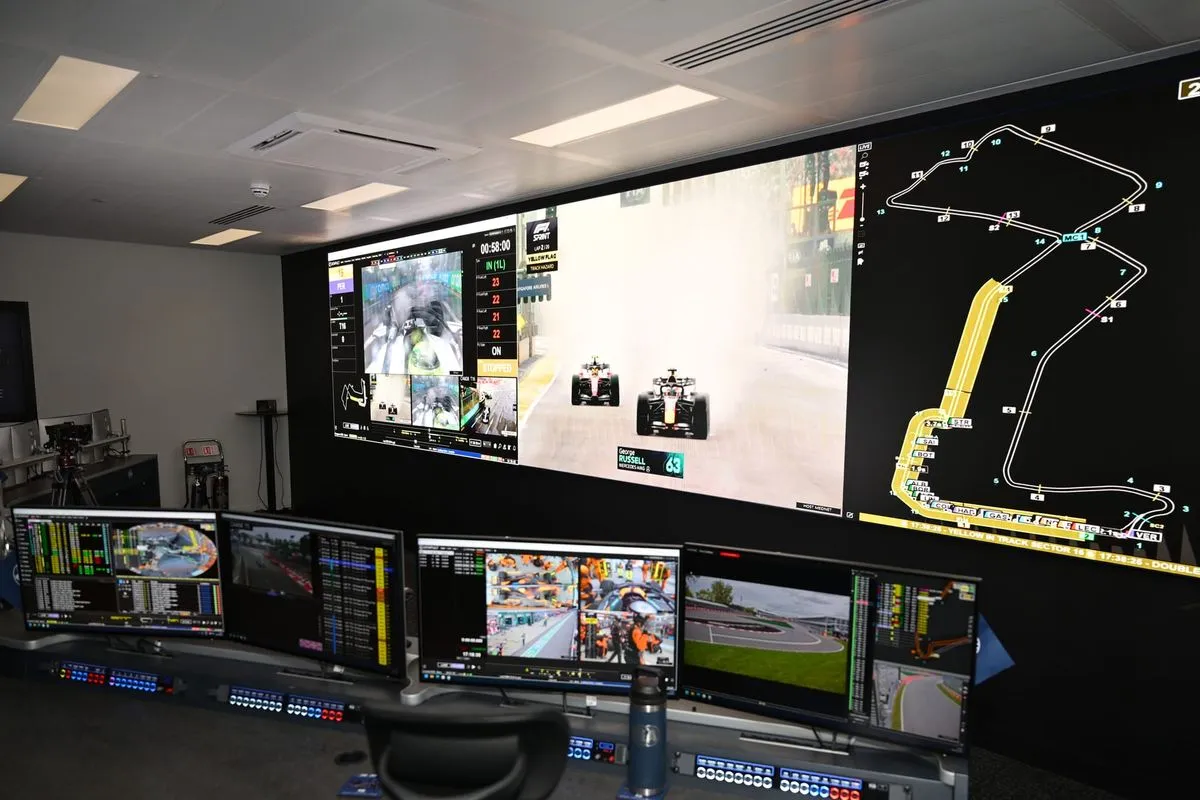

While the ghosts of the infamous 2021 Abu Dhabi finale may never vanish totally, the errors made on that day exposed a glaring need for the FIA to fundamentally overhaul how Formula 1 grands prix are managed. Excessive pressure shouldered by single individuals, a lack of on-site support, and rapidly expanding demands meant that modernization was an absolute operational necessity for the sport.
Stepping into the fallout of that dramatic title decider, FIA president Mohammed Ben Sulayem promised direct action, swiftly greenlighting the creation of a Remote Operations Centre (ROC) designed to provide robust backup and advisory support. Following a basic initial setup in Geneva back in 2022, the evolution has now reached its latest iteration with the official launch of ROC 3.0.
Housed in a bespoke facility at FOM's Biggin Hill headquarters and manned by roughly 14 analysts during race weekends, the center operates seamlessly alongside race control, systems operations, and the stewards. It handles a massive workload, from monitoring track limits and yellow flag infringements to checking grid slots and assessing potential safety car interventions.
Feeding into this high-tech hub is a constant stream of live track data, encompassing over 140 audio and video feeds, telemetry, and team radio communications. Advanced technologies such as AI-assisted shape recognition, computer vision, and automatic radio tagging are deployed to instantly flag on-track incidents and ease the burden on race control.
A prime example of its efficiency is the management of track limits, where a sophisticated three-layer automated system filters out roughly 90 percent of obvious infractions using computer vision and geofencing. This allows human analysts and stewards to dedicate their full attention strictly to the complex, borderline cases that genuinely require deep scrutiny.
Read Also
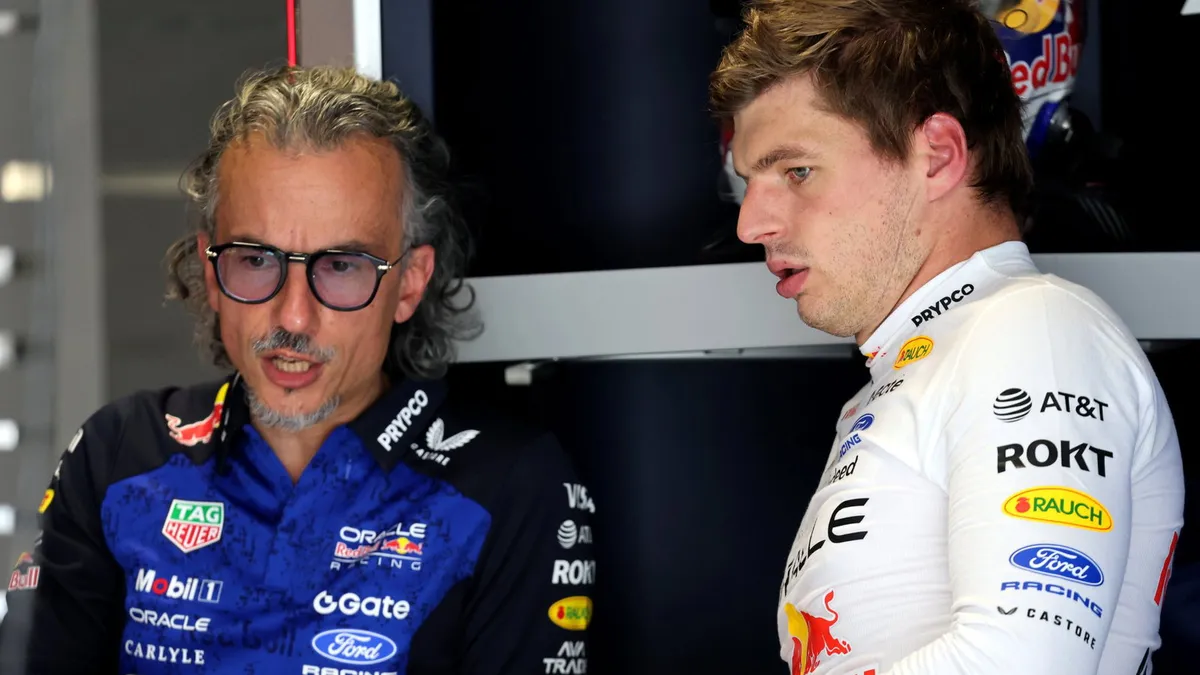
Max Verstappen kecam keras perundung yang serang rekan setimnya di GTWCE. Baca analisis mendalam dan update berita terbaru di sini.
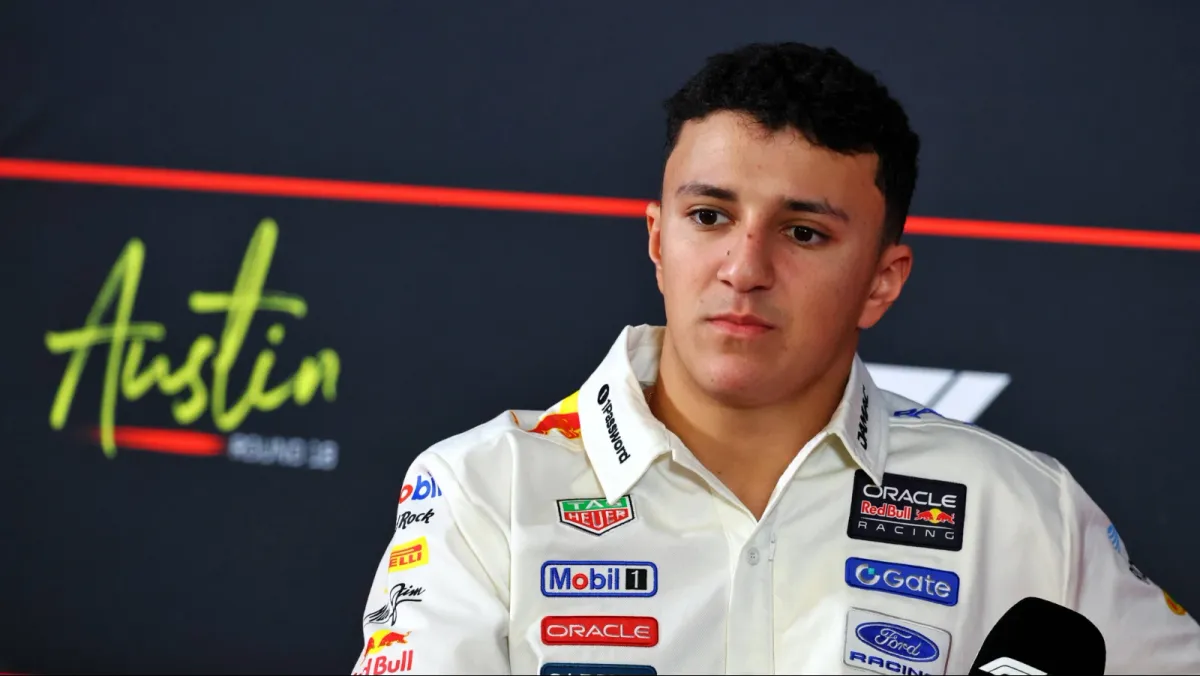
Simak analisis lengkap klaim berani Isack Hadjar tentang kecepatan Ferrari di F1 GP Singapura. Baca berita mendalam dan update terbaru di sini.
Simak analisis lengkap F1 2026 mengenai Charles Leclerc yang memimpin lap terbanyak di luar Mercedes. Baca detail data selengkapnya di sini.
 Continue with Google
Discussion (0)
Join the Discussion!
Sign in easily to start commenting, replying, and interacting with other readers.
Latest Comments
No comments yet. Be the first!