








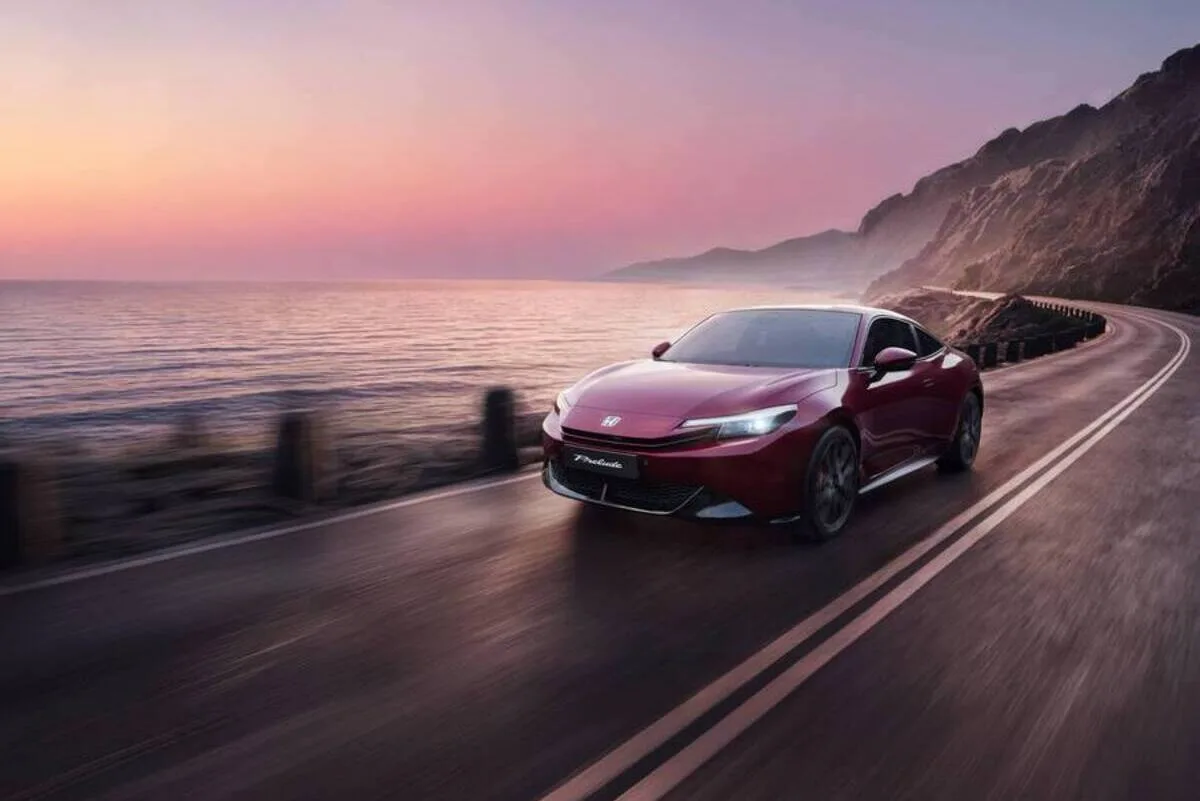
A massive strategic move has been officially announced by Japanese automotive giant Honda to strengthen its electrification footprint across the North American market. The company is investing a staggering 3 billion US dollars to construct a brand-new state-of-the-art manufacturing facility located in central Ohio. This upcoming plant will be exclusively dedicated to producing advanced hybrid vehicles, boasting an estimated annual production capacity of up to 240,000 units once fully operational.
According to reports, the ambitious facility is scheduled to officially come online by 2029 and is expected to create around 2,000 new jobs in the region. Through this substantial financial commitment, Honda leadership is fully confident that the project will elevate its overall production capacity within the United States to 1.3 million vehicles annually, while pushing the total output across North America to an impressive 1.9 million units.
The investment momentum extends far beyond Ohio, as the manufacturer also plans to inject an additional 338 million US dollars locally while preparing further capital allocations in Georgia and Alabama. Meanwhile, cross-border investments in Canada have also been confirmed, totaling 867 million Canadian dollars or roughly 613.6 million US dollars. Out of this Canadian allocation, 166 million will directly target the Alliston industrial hub in Ontario to safeguard 4,000 local jobs, backed by a 313 million Canadian dollar contribution from the federal government.
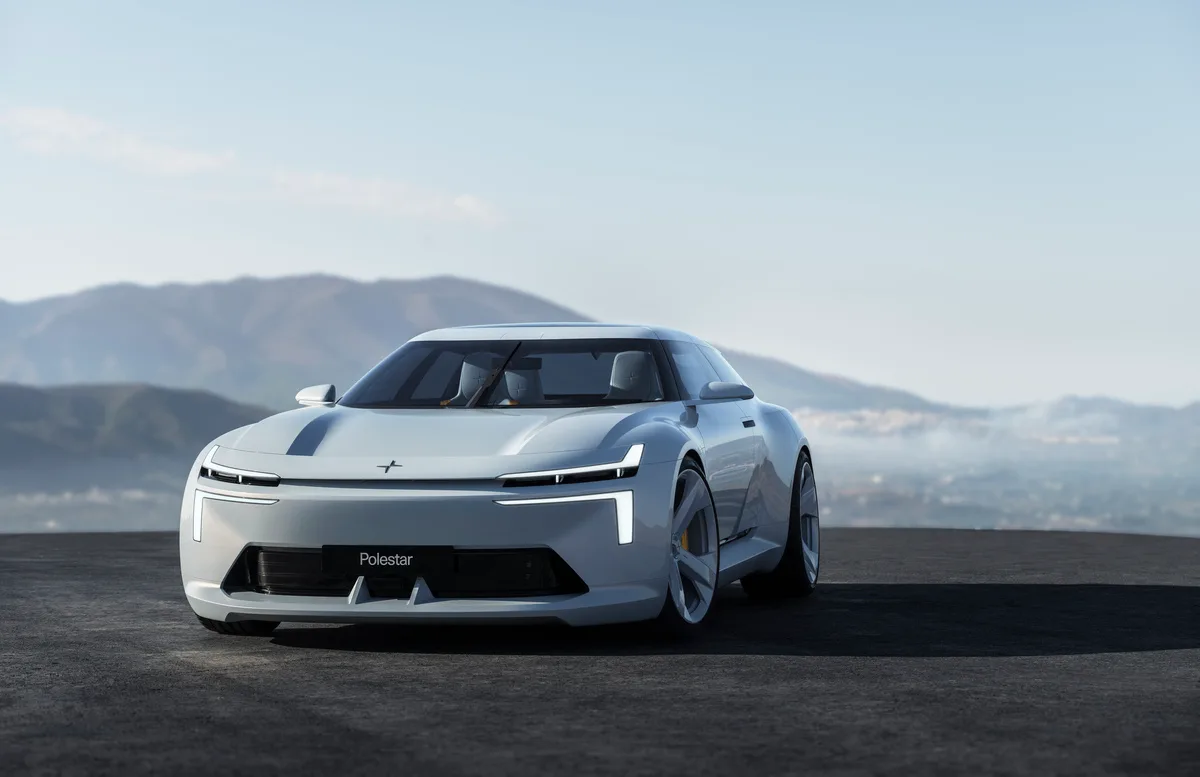
Operationally, the brand is gearing up to manufacture a new V6 hybrid engine in Alabama, retooling an existing Ohio plant for four-cylinder engine production, and upgrading transmission facilities across Ohio and Georgia, alongside reviving engine manufacturing in Ontario. This aggressive industrial pivot aligns with Honda previous global roadmap aiming to introduce 15 new hybrid models under both Honda and Acura nameplates by 2030, adapting dynamically to shifting market demands and trade regulations.
This strategic redirection highlights a broader trend among major global automakers recalibrating their manufacturing priorities amid changing economic landscapes and trade policies in North America. By doubling down on hybrid technology and optimizing its industrial footprint, the company aims to secure a robust competitive edge in the rapidly evolving global automotive sector.
Read Also

Simak analisis mendalam performa gemilang Nico Koch di Supercross Stuttgart, perjuangan bangkit dari crash, dan rahasia kecepatan barunya di sini.
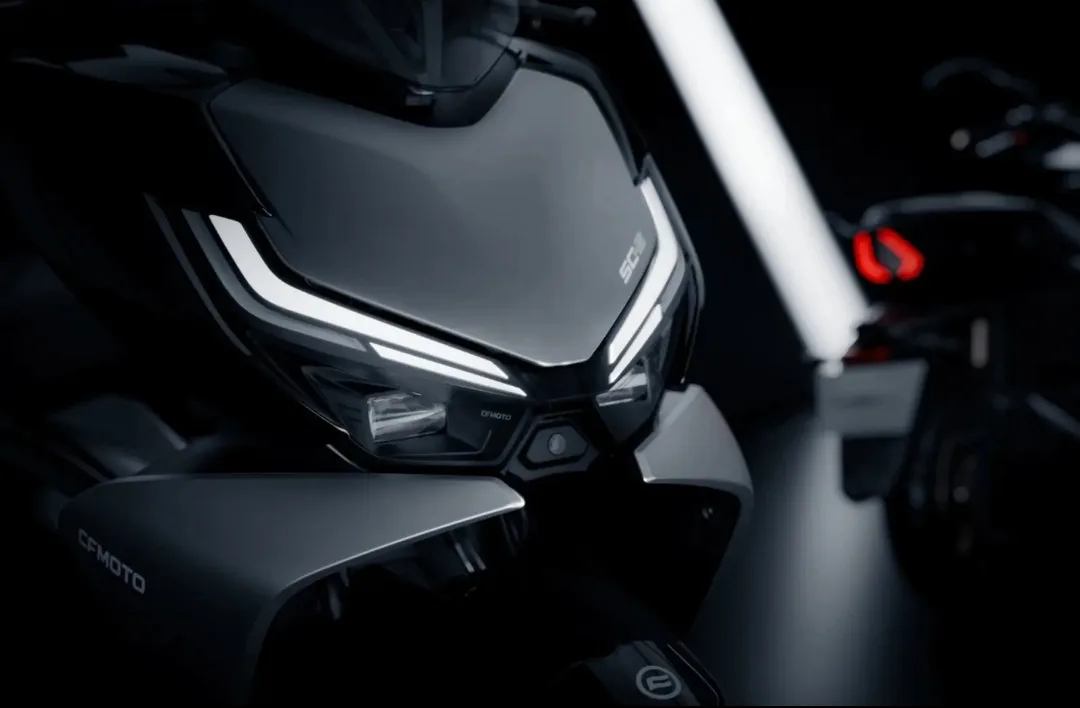
CFMOTO 125SC-S siap guncang pasar skuter 125 cc Eropa dengan desain sport dan fitur canggih. Baca analisis mendalam dan spesifikasinya di sini.
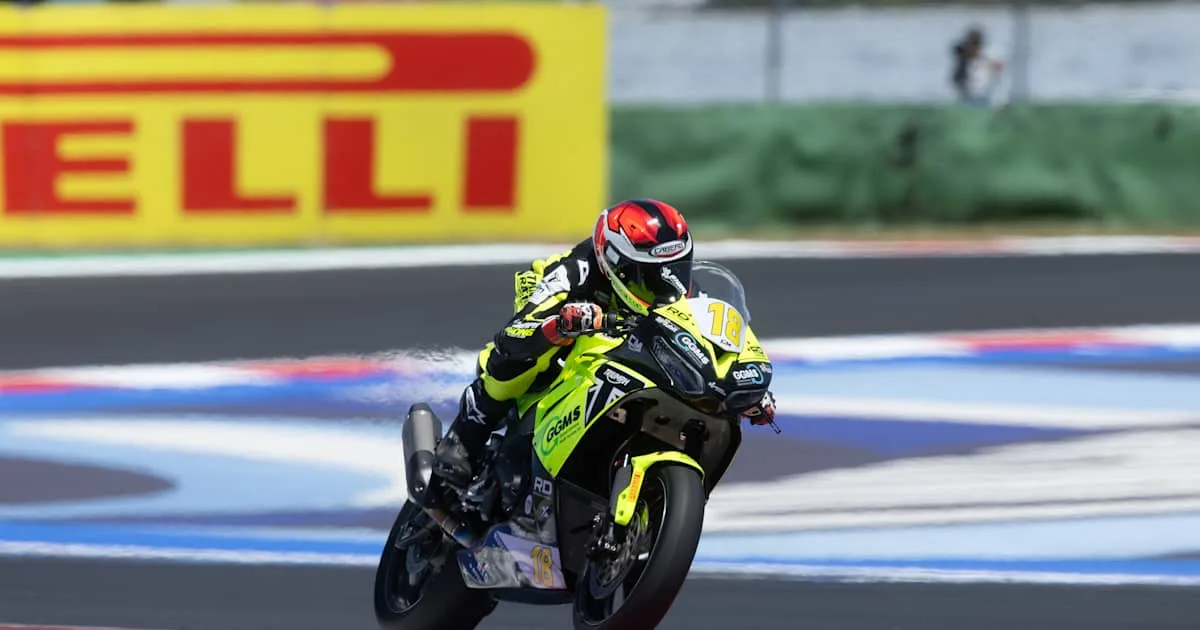
CM Racing resmi pertahankan Bruno Ieraci untuk kejuaraan sportbike musim depan. Simak analisis mendalam perjalanan tim dan target mereka di sini.
 Continue with Google
Discussion (0)
Join the Discussion!
Sign in easily to start commenting, replying, and interacting with other readers.
Latest Comments
No comments yet. Be the first!