







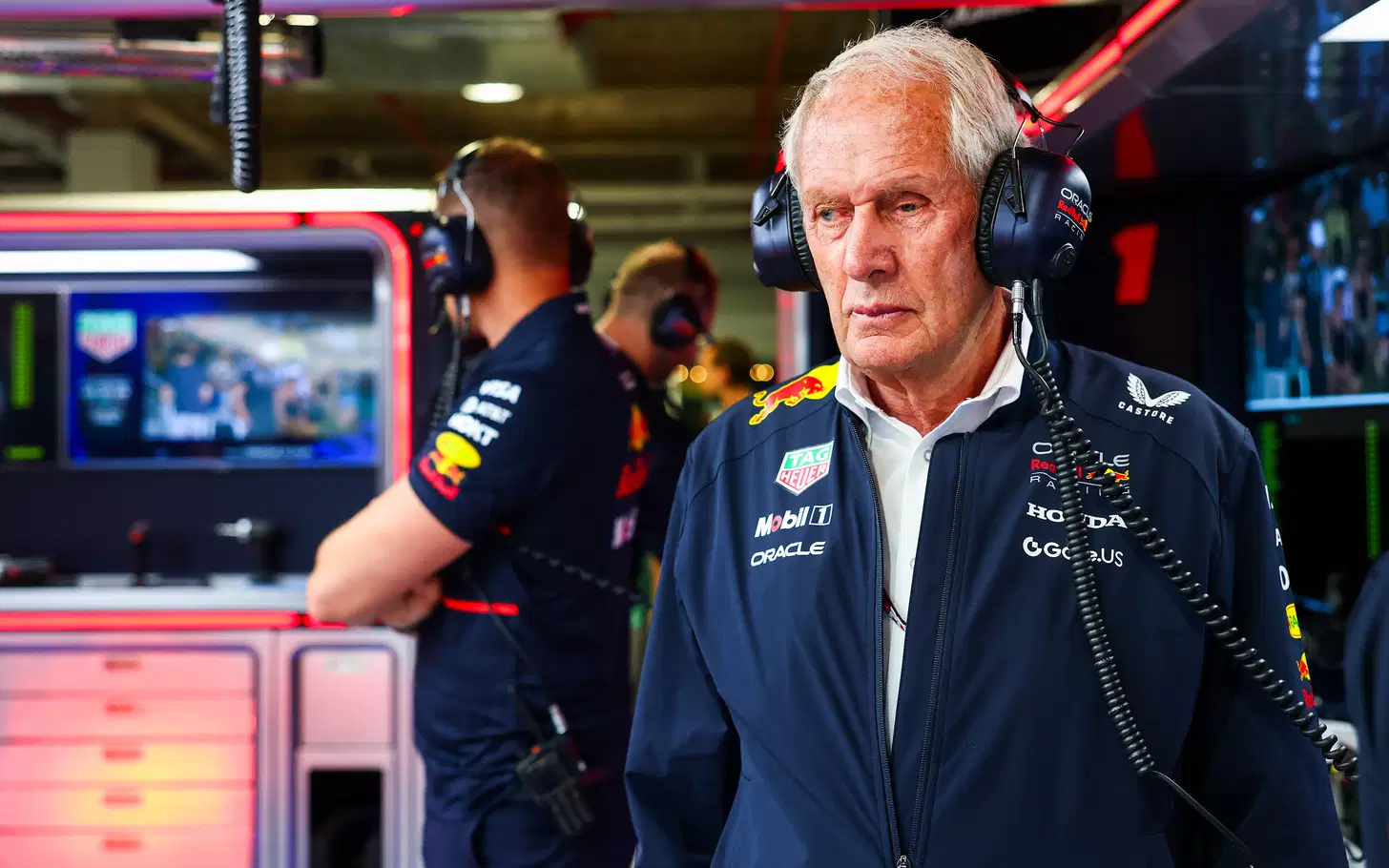

Formula 1, Sportrik Media - Helmut Marko has called for urgent changes to Formula 1’s current regulations, urging the FIA to reduce reliance on hybrid systems and restore greater emphasis on internal combustion engines.
The comments come amid growing concerns from Max Verstappen, who has openly questioned his long-term future in Formula 1 due to dissatisfaction with the direction of the new rules. The four-time world champion has expressed frustration over the increasing dominance of electrical energy deployment, which he believes detracts from the driving experience.
Verstappen’s concerns focus on the balance between battery deployment and engine performance, which has altered the driving characteristics of the current generation of cars. In addition, Red Bull Racing has struggled with its RB22 package, particularly on the chassis side, making it difficult to extract consistent performance in the early stages of the 2026 season.
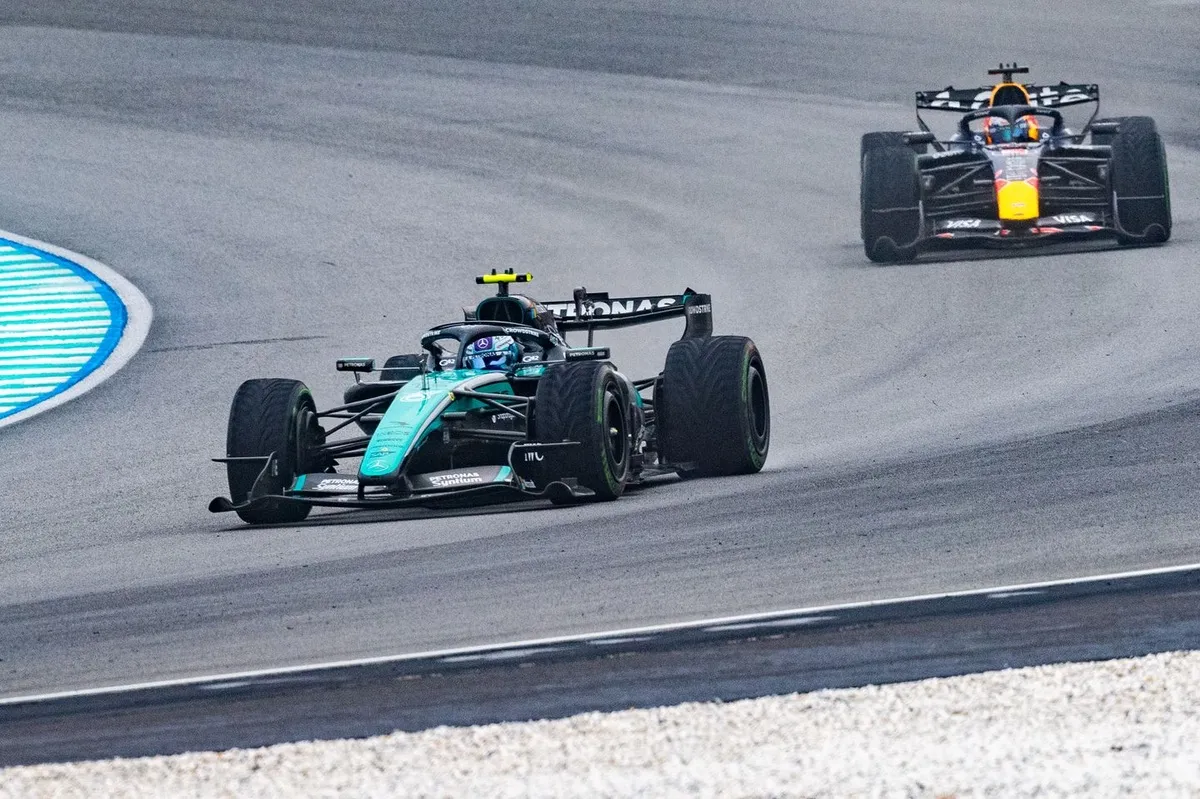
After three rounds, Verstappen has yet to secure a top-five finish and currently sits ninth in the drivers’ standings. However, he has indicated that performance alone is not the decisive factor in evaluating his future, but rather the level of enjoyment and satisfaction he derives from racing under the current regulations.
Marko emphasized that Verstappen’s criticism should not be viewed merely as a reaction to Red Bull’s competitive struggles, but as part of a broader concern regarding the technical direction of Formula 1, which has become increasingly complex and software-dependent.
“On the chassis side, the deficit is quite large. But Red Bull has a tradition of turning things like that around. It’s just all too complicated, and the software plays an overly dominant role,” Marko told Kleine Zeitung.
The Austrian’s primary concern lies with the complexity of modern hybrid power units, where energy recovery systems and battery deployment have become decisive performance factors. He argues that this trend reduces the influence of driver skill and shifts control toward software and energy management systems.
“Whether you can correct that within a single season, I don’t know. Something has to be done, and the driving aspect needs to come back to the forefront,” he added.
Marko also highlighted a negative sentiment among drivers regarding the current regulations, suggesting that immediate adjustments are necessary to preserve the competitive integrity of the sport.
“The mood among the drivers is negative. Adjustments need to be made now, and hopefully, the FIA will reduce the role of the battery and place more emphasis on the combustion engine,” he stated.
According to Marko, restoring a stronger focus on internal combustion would not only improve the spectacle of racing but also return greater control to drivers, rather than allowing outcomes to be dictated by complex electronic systems.
This situation underlines a critical phase for Formula 1 as it attempts to balance technological innovation with the core principles of racing. With increasing pressure from key figures within the paddock, regulatory direction will play a decisive role in shaping the sport’s future competitiveness and driver engagement heading into the next phase of the 2026 season.
Read Also
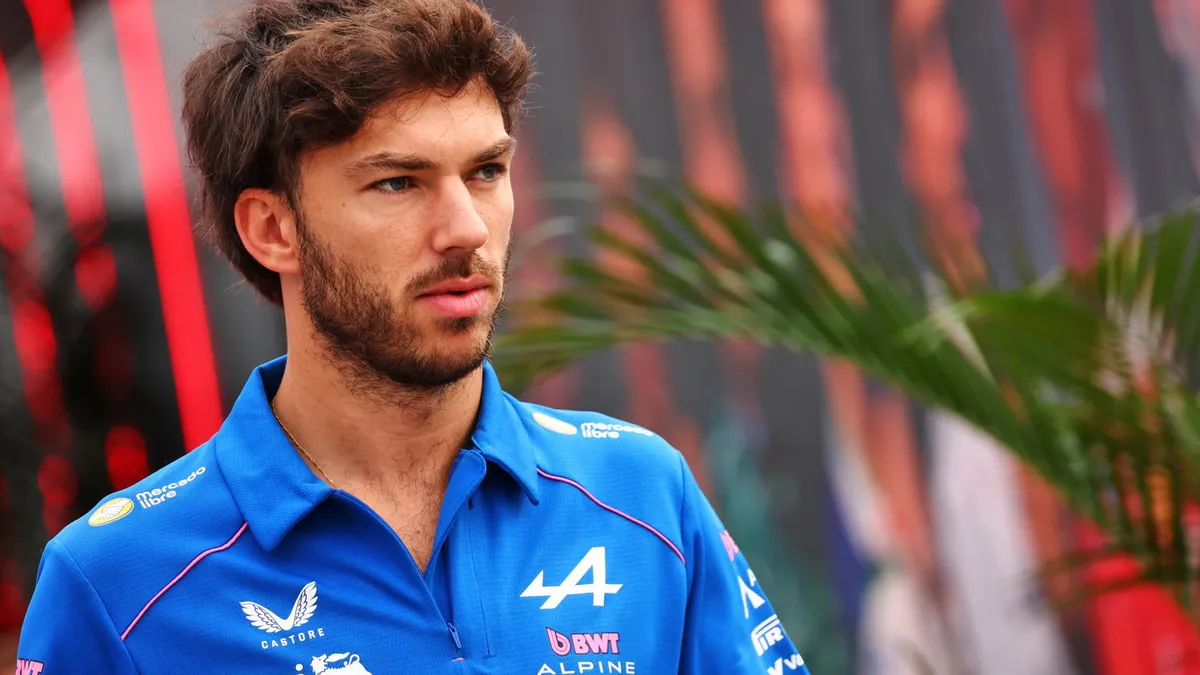
Pierre Gasly kecewa berat usai rival F1 Racing Bulls disebut mendapat poin gratis di Sepang, membuat jarak klasemen semakin melebar.
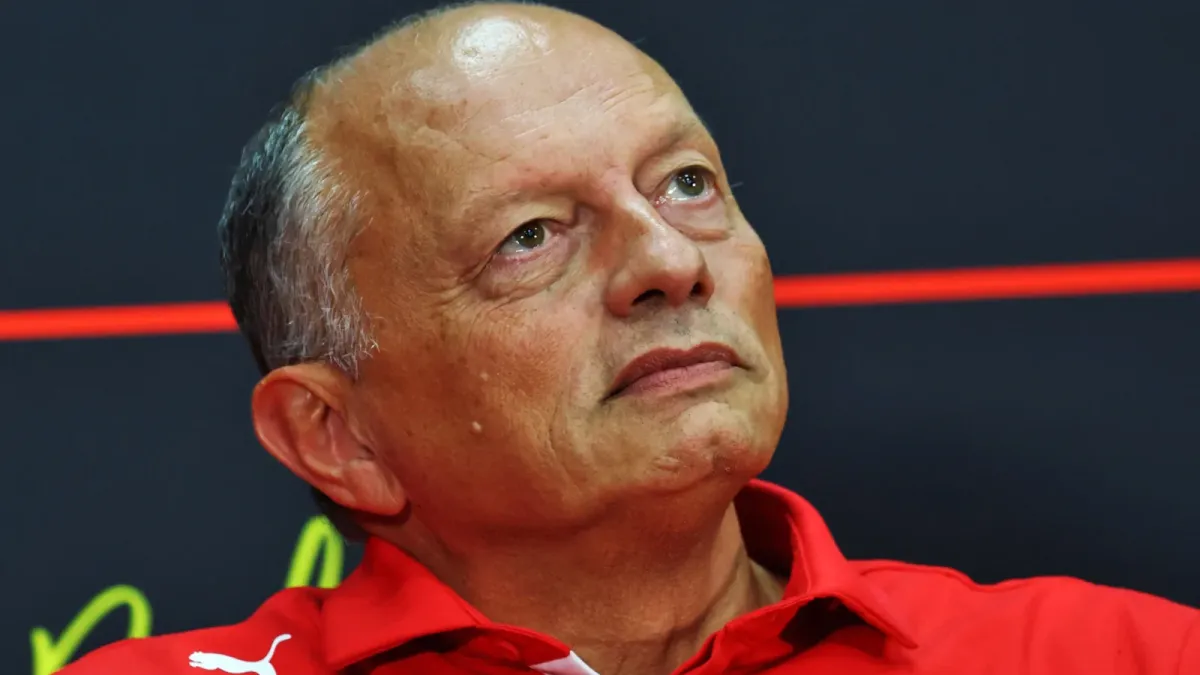
Fred Vasseur akui penyesalan atas blunder pemilihan ban kering Ferrari yang hambat peluang Lewis Hamilton menang di Sepang.
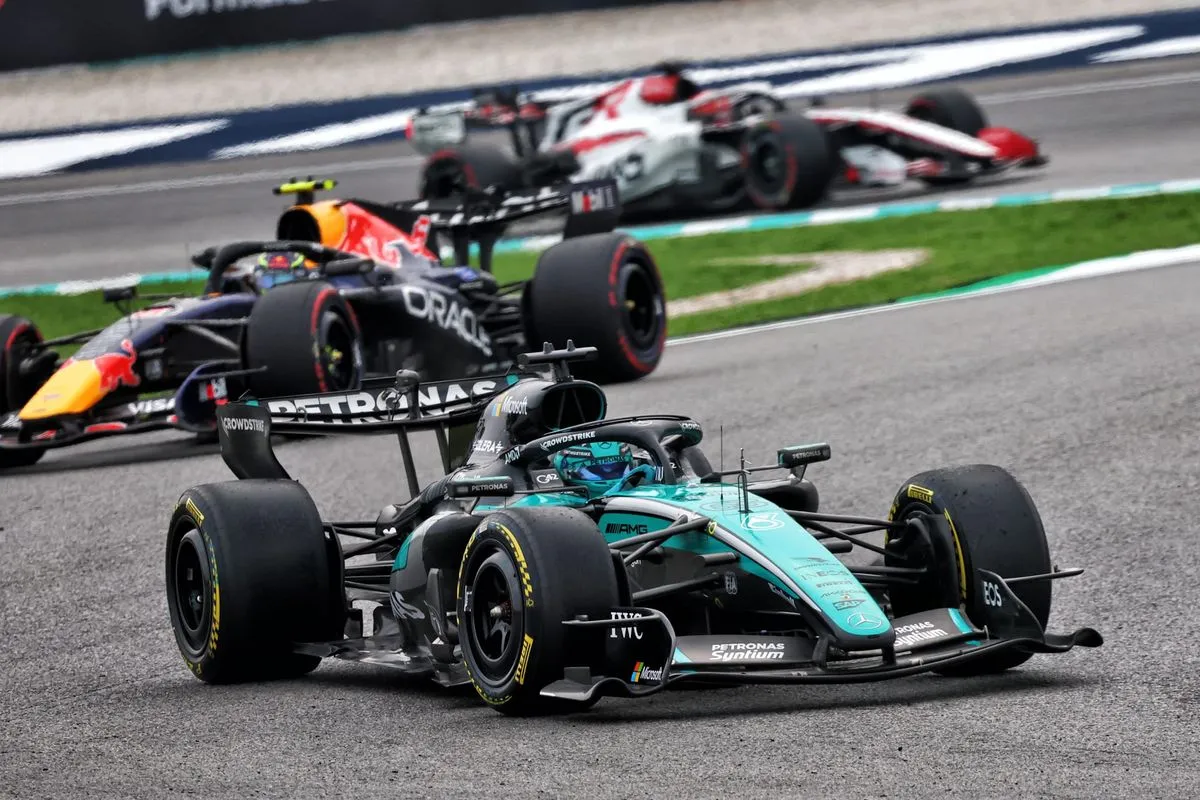
George Russell terancam penalti grid ganda Formula 1 setelah gagal finis di GP Malaysia akibat masalah mesin Mercedes yang krusial.
 Continue with Google
Discussion (0)
Join the Discussion!
Sign in easily to start commenting, replying, and interacting with other readers.
Latest Comments
No comments yet. Be the first!