








Formula 1 Faces Fresh Debate Over Modern Racing
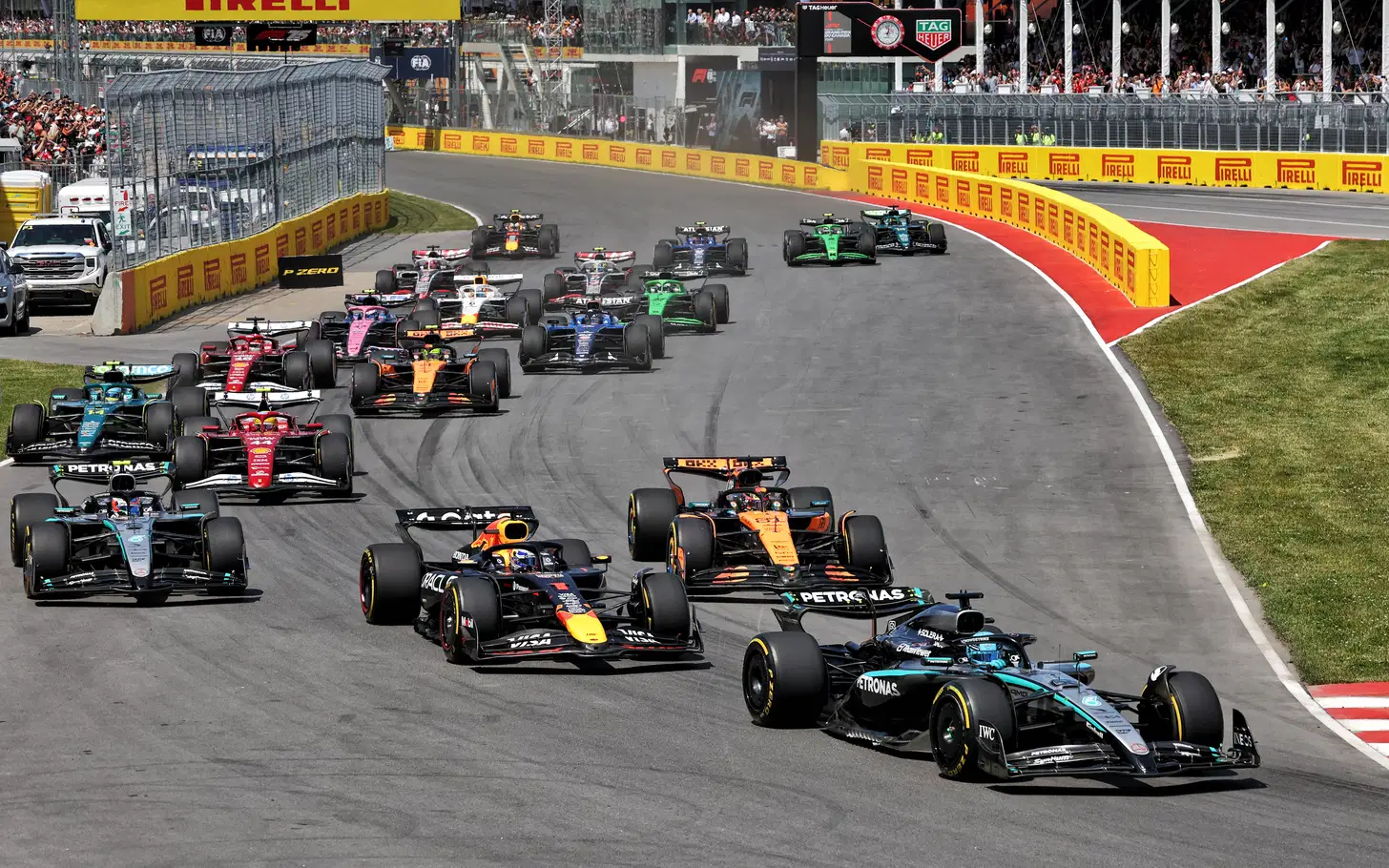
Formula 1 has once again become the centre of a major sporting debate after the new 2026 regulations produced a dramatic increase in overtaking during the opening races of the season. While Formula 1 officials praised the higher number of passes as proof the new rules are working, many inside the paddock and across international media have questioned the actual quality of the racing being created.
The season-opening Australian Grand Prix became the first major talking point. Formula 1 heavily promoted the large number of overtakes throughout the Melbourne race as evidence that the new technical era had improved entertainment value. However, reactions from teams, journalists and many fans quickly became divided because several of the overtakes appeared too easy and heavily dependent on battery energy management rather than driver skill.
The 2026 regulations introduced major changes to power units, energy deployment systems and aerodynamic philosophy. As a result, many overtakes now occur not because drivers execute aggressive braking manoeuvres or build pressure over multiple laps, but because of differences in available battery deployment along the straights.
Does More Overtaking Automatically Create Better Racing?
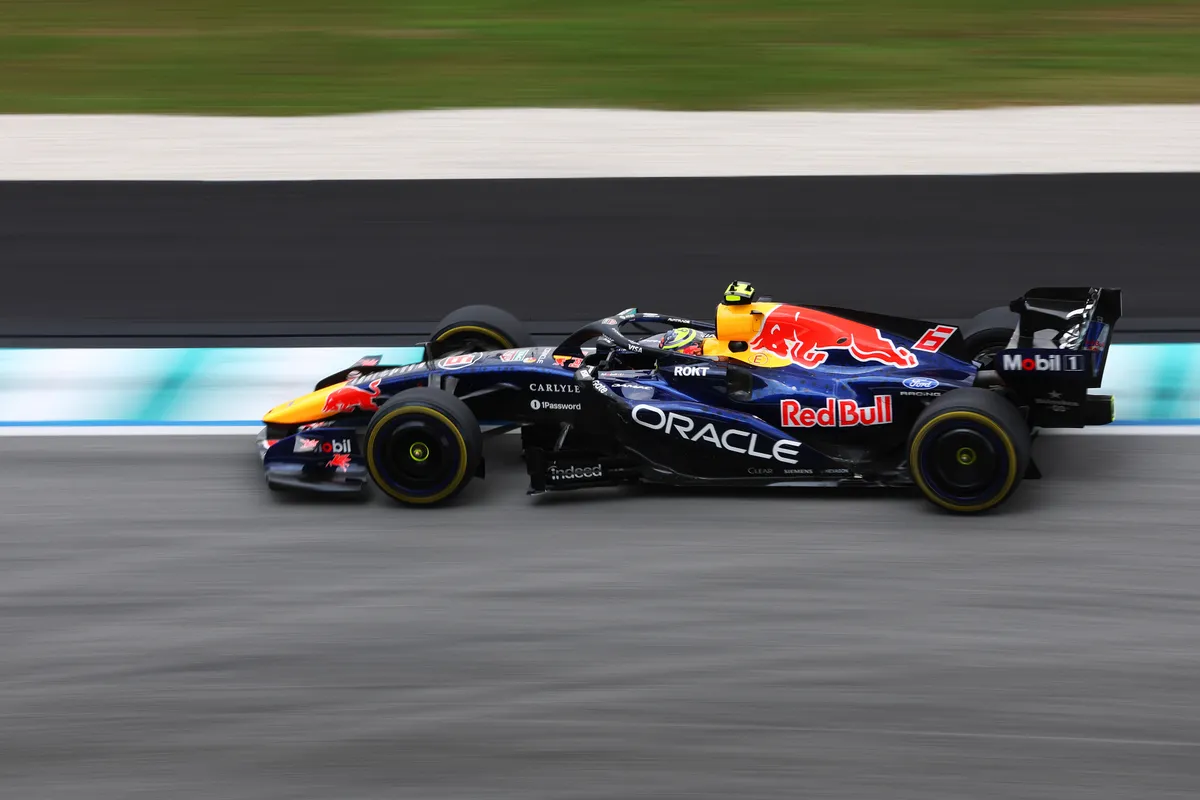
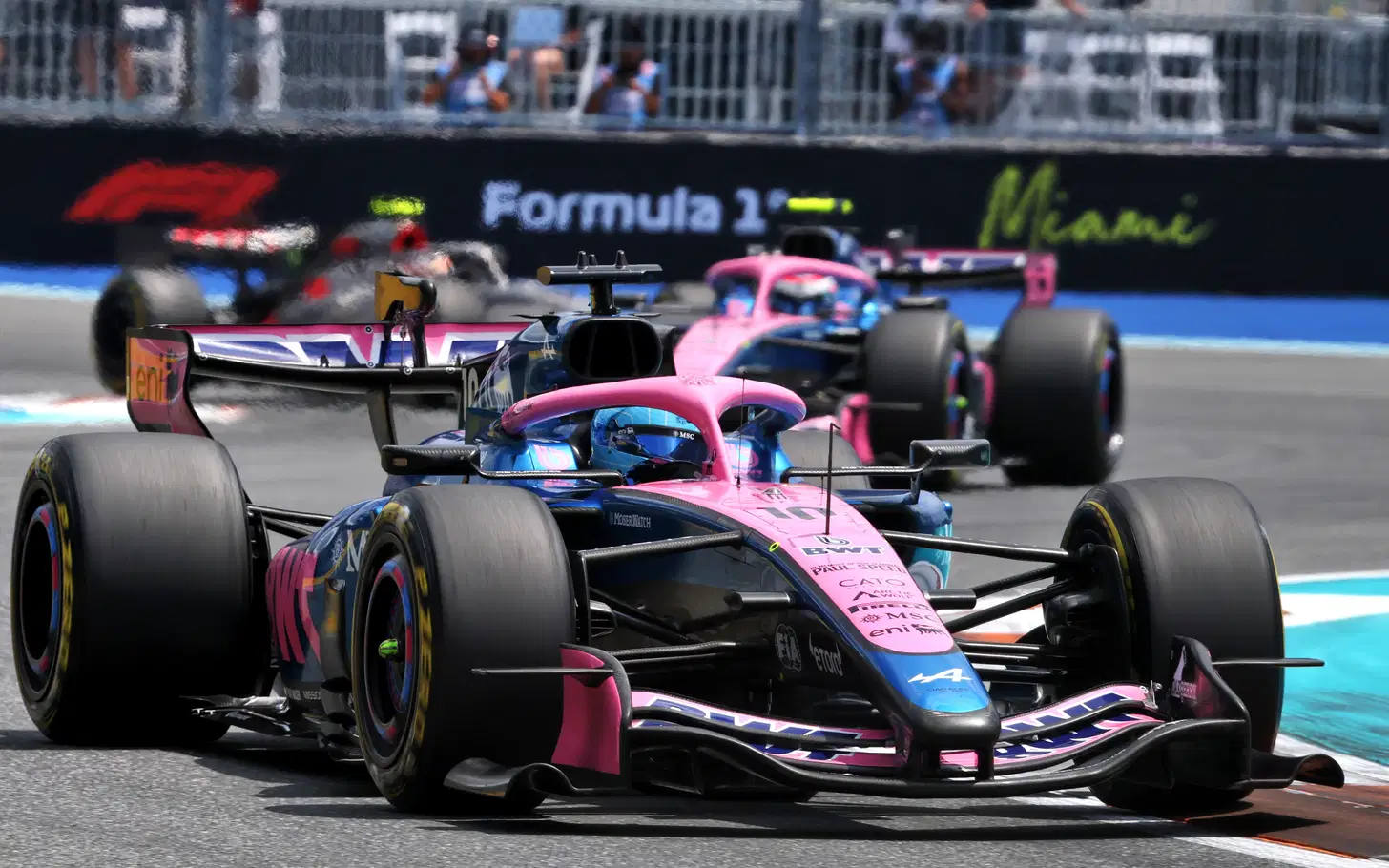
Autosport editor Stuart Codling argued that Formula 1 has simplified the debate too much by measuring racing quality purely through overtaking statistics. According to Codling, Formula 1 relies heavily on fan surveys claiming audiences wanted more overtakes, but critics believe that approach ignores the context and sporting value behind each move.
Many observers believe modern overtaking has become too dependent on software algorithms and battery management systems that remain largely invisible to viewers. That situation makes many battles feel less natural compared to earlier eras when drivers had to push cars to the limit to complete overtakes.
The debate has once again revived memories of the 2005 San Marino Grand Prix at Imola, where Michael Schumacher relentlessly pressured Fernando Alonso for lap after lap without managing to overtake. Despite featuring very few genuine passing moves, the race is still remembered as one of the most intense Formula 1 contests of the modern era.
At the opposite extreme sits the 2013 Indianapolis 500, which produced 68 lead changes. While the statistics appeared spectacular, many of the overtakes were later criticised because aerodynamic drafting made the race leader extremely vulnerable, reducing the sporting value of many position changes.
The Growing Criticism of “Artificial Racing”
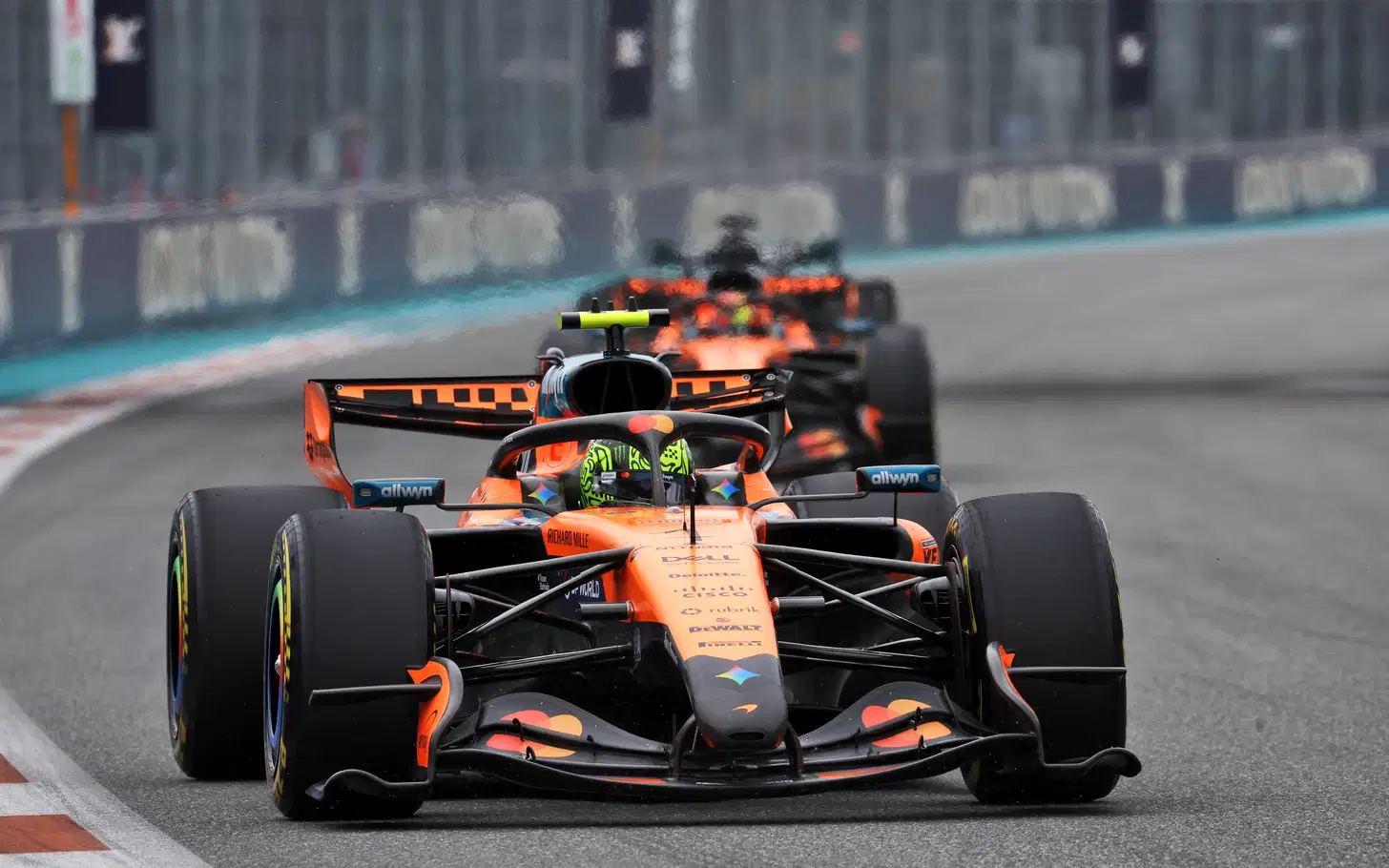
The biggest criticism surrounding Formula 1's 2026 regulations centres around the concept of “artificial racing”. Many overtakes are now viewed as being driven more by energy software and technical circumstances than by the driver's own ability.
Motorsport.com Germany editor Stefan Ehlen argued that many modern overtakes feel almost accidental because they happen due to battery deployment cycles rather than racecraft. Several drivers themselves have admitted that some overtakes occur simply because a rival runs out of deployable energy at a crucial moment.
The situation extends long-standing criticism aimed at the DRS era introduced in 2011. Formula 1 originally implemented the Drag Reduction System to increase overtaking opportunities, but many fans believed it already made passing too artificial and predictable.
Under the 2026 rules, that criticism has intensified further because energy deployment now has a much larger impact on straight-line performance. The result has been the emergence of what many describe as “yo-yo racing”, where drivers repeatedly exchange positions based purely on energy usage cycles.
Why Quality Matters More Than Quantity
Many analysts continue to argue that the quality of overtakes matters far more than the raw number itself. Formula 1's greatest overtakes are remembered because of the risk, skill and psychological pressure involved.
Classic examples such as Mika Hakkinen's move on Schumacher at Spa 2000 or Nigel Mansell's battle with Nelson Piquet at Silverstone 1987 remain iconic decades later because they involved bravery, perfect positioning and extraordinary car control.
By comparison, many overtakes from the 2026 season have struggled to leave lasting memories because the regulations often make the moves appear too straightforward. In numerous situations, drivers simply use superior battery deployment on the straight without needing to build sustained pressure over multiple laps.
Motorsport.com Latin America editor Federico Faturos even questioned whether any overtaking move from the 2026 season will still be remembered ten years from now. According to him, Formula 1 risks losing the emotional value of classic racing battles if technology continues to simplify overtaking too aggressively.
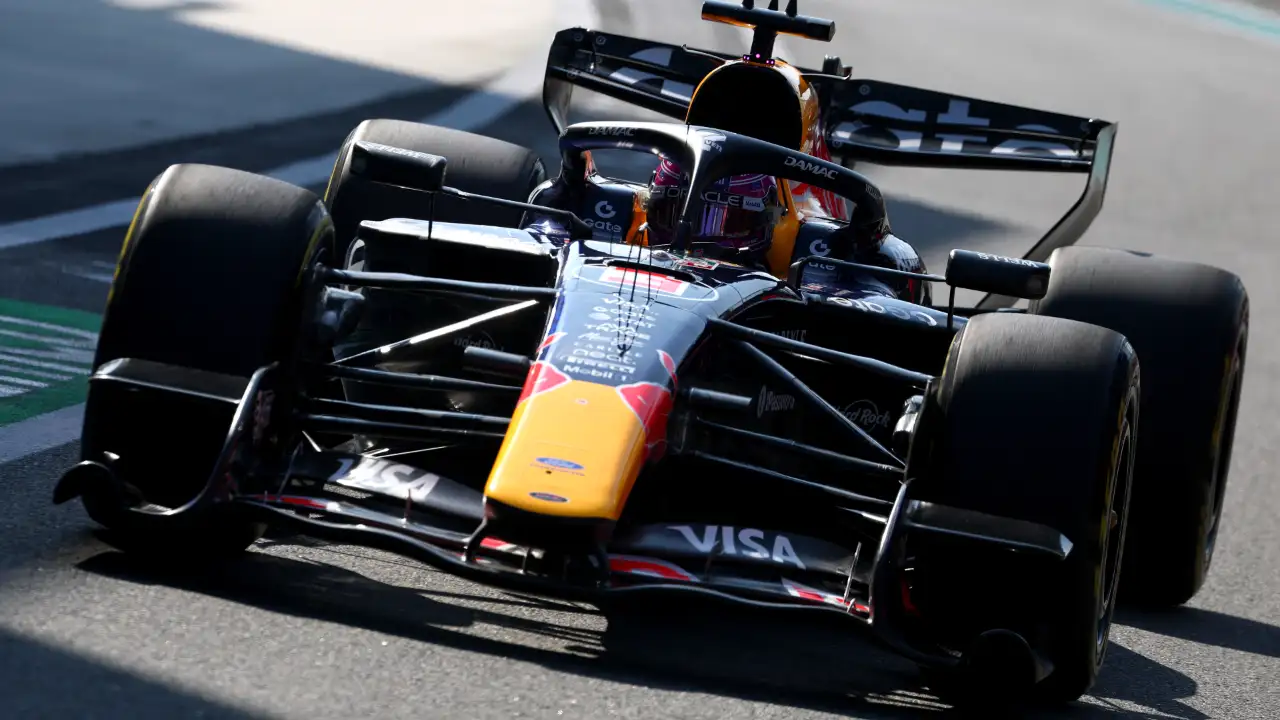
Formula 1 Still Faces a Difficult Balance
Despite the criticism, Formula 1 also faces the modern reality that global entertainment demands have changed significantly. Races featuring very little overtaking are often heavily criticised by modern audiences, particularly across social media platforms.
The sport therefore finds itself trapped between maintaining sporting meritocracy and delivering entertainment value for a global audience. The 2026 regulations were originally designed to allow cars to follow more closely, reduce aerodynamic turbulence and create greater strategic variation through energy management.
However, the early implementation has demonstrated that simply increasing overtaking numbers does not automatically produce better racing. Technical factors such as energy clipping, battery deployment and aerodynamic sensitivity have instead become the new centre of controversy.
Stefano Domenicali has defended the direction of the new regulations by arguing that Formula 1 successfully responded to modern audience demands. Yet criticism from international media continues to show that the true essence of motorsport is not defined by the number of overtakes alone, but by how those battles are created.
The debate is likely to continue throughout the 2026 season. Formula 1 now faces one of its biggest modern challenges: finding the balance between advanced technology, global entertainment and the pure racing identity that has defined the championship for decades.
Read Also
Max Verstappen menolak usulan rompi pendingin F1 wajib dari George Russell. Menurutnya, suhu panas ekstrem adalah bagian dari latihan fisik pembalap.
Max Verstappen rebut pole position F1 GP Malaysia di Sepang, cetak sejarah perdana unit daya Red Bull-Ford dan tegaskan target kemenangan.
Lando Norris keluhkan defisit kecepatan lurus McLaren usai amankan P7 kualifikasi F1 Sepang, soroti degradasi ban tinggi dan strategi balap.
 Continue with Google
Discussion (0)
Join the Discussion!
Sign in easily to start commenting, replying, and interacting with other readers.
Latest Comments
No comments yet. Be the first!