







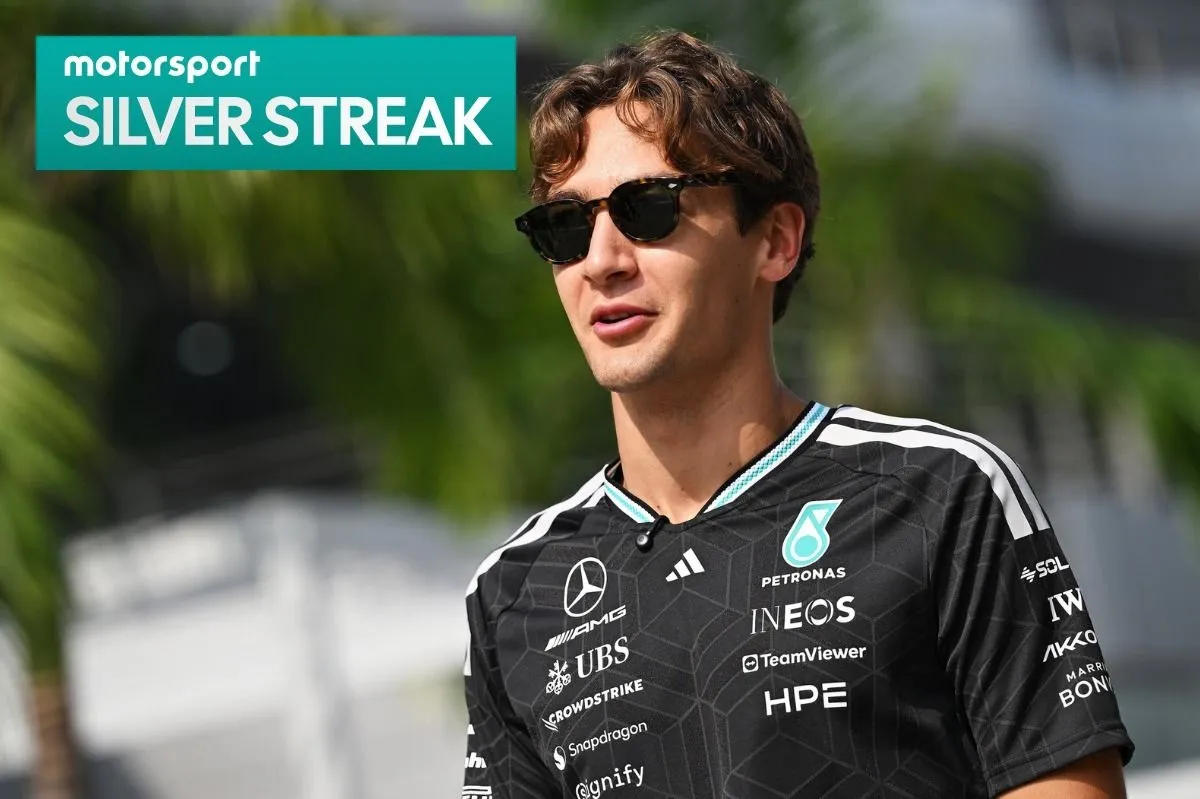

George Russell firmly believes that Formula 1 circuits should undergo asphalt resurfacing every couple of years. This statement comes in response to severe complaints made by Max Verstappen regarding the extreme bumps at the Circuit of the Americas, which the Dutch driver joked could leave him needing a new spine.
COTA has long held a reputation as one of the bumpiest tracks on the global motorsport calendar. However, Verstappen's alarm grew after witnessing the intense punishment cars and drivers endured during the World Endurance Championship weekend held at the Austin venue.
Speaking during his media session on Thursday in Austin, the Mercedes driver acknowledged the bumpy nature of the circuit but emphasized that the issue extends far beyond a single venue. Aging asphalt has progressively affected multiple tracks across the grueling 24-race calendar.
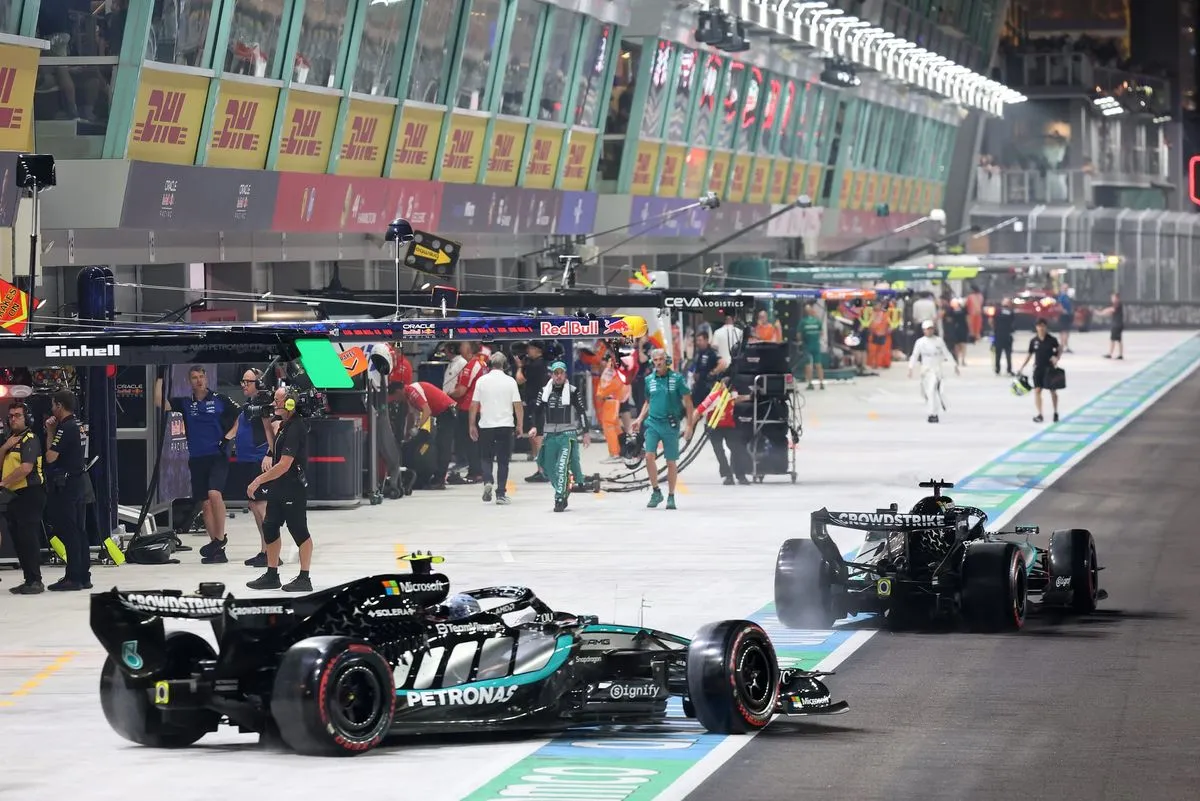
"Yeah, it’s bumpy, but I think it’s just part of racing," Russell told members of the media. "I’d say my general view is F1 tracks probably need to be repaved every couple of years just to make it a bit more consistent, because we’re going to tracks now where tarmac’s coming up, it’s falling apart, it’s causing more issues than not."
The British driver elaborated on the technical constraints of modern grand prix cars, explaining that running extremely low ride heights amplifies every minor imperfection on the racing surface. With the underfloor positioned merely a centimeter from the ground at the end of straights, drivers absorb every single jolt.
"We’re not an Indy car or an F2 car that run their ride heights reasonably high, our ride height’s 10mm at the end of the straight, a centimetre from the ground, so any tiny bump you really feel it," Russell explained, highlighting the delicate balance of modern ground-effect aerodynamic platforms.
Compounding the physical strain is the switch to 18-inch wheels, which feature significantly smaller sidewall profiles. The reduced volume of the tyre eliminates much of the natural damping effect that previous iterations provided, transferring the entirety of surface irregularities directly into the chassis and the driver's body.
Read Also
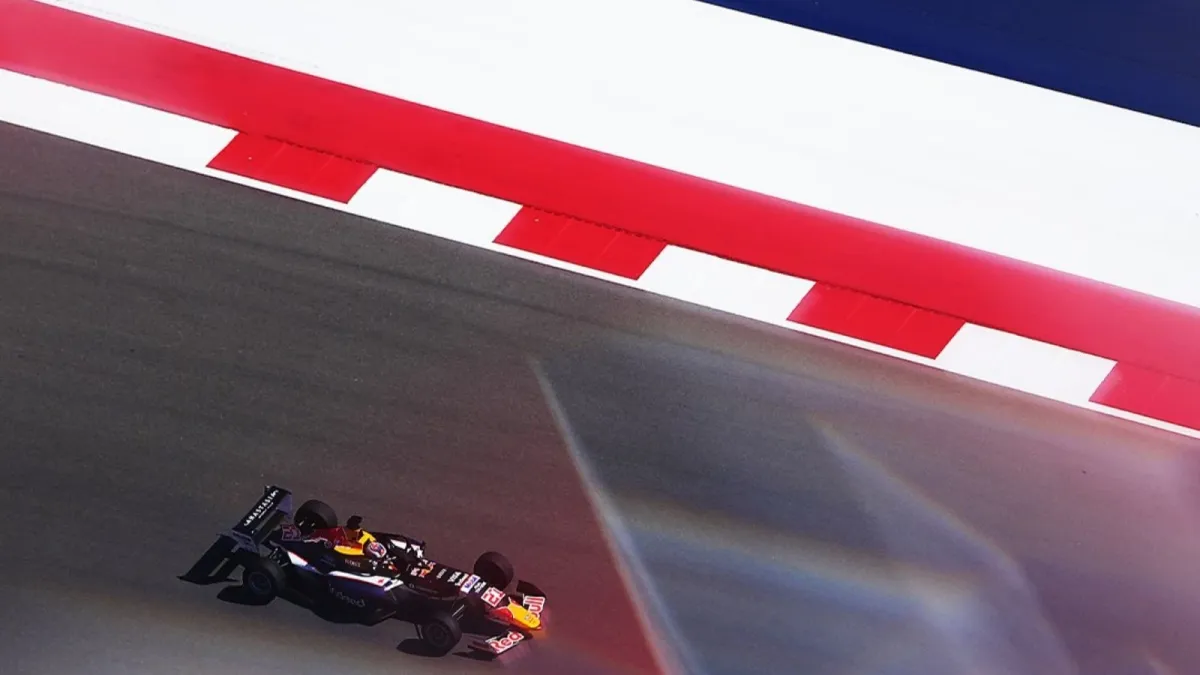
Simak analisis lengkap bagaimana Alisha Palmowski merebut double pole F1 Academy GP AS 2026 setelah drama batas lintasan. Baca selengkapnya di sini!
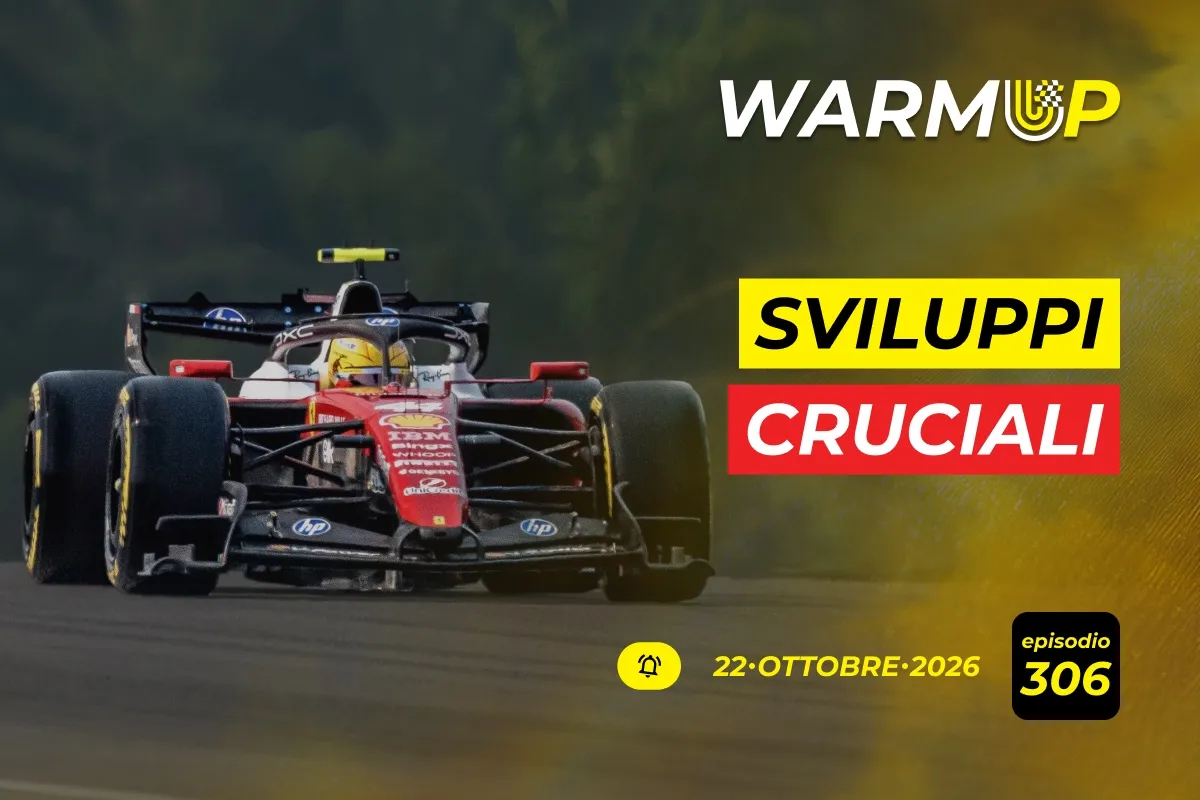
Simak analisis lengkap paket aero baru Ferrari di Austin, persiapan Mercedes, hingga strategi lintas kejuaraan F1 dan MotoGP. Baca berita selengkapnya!
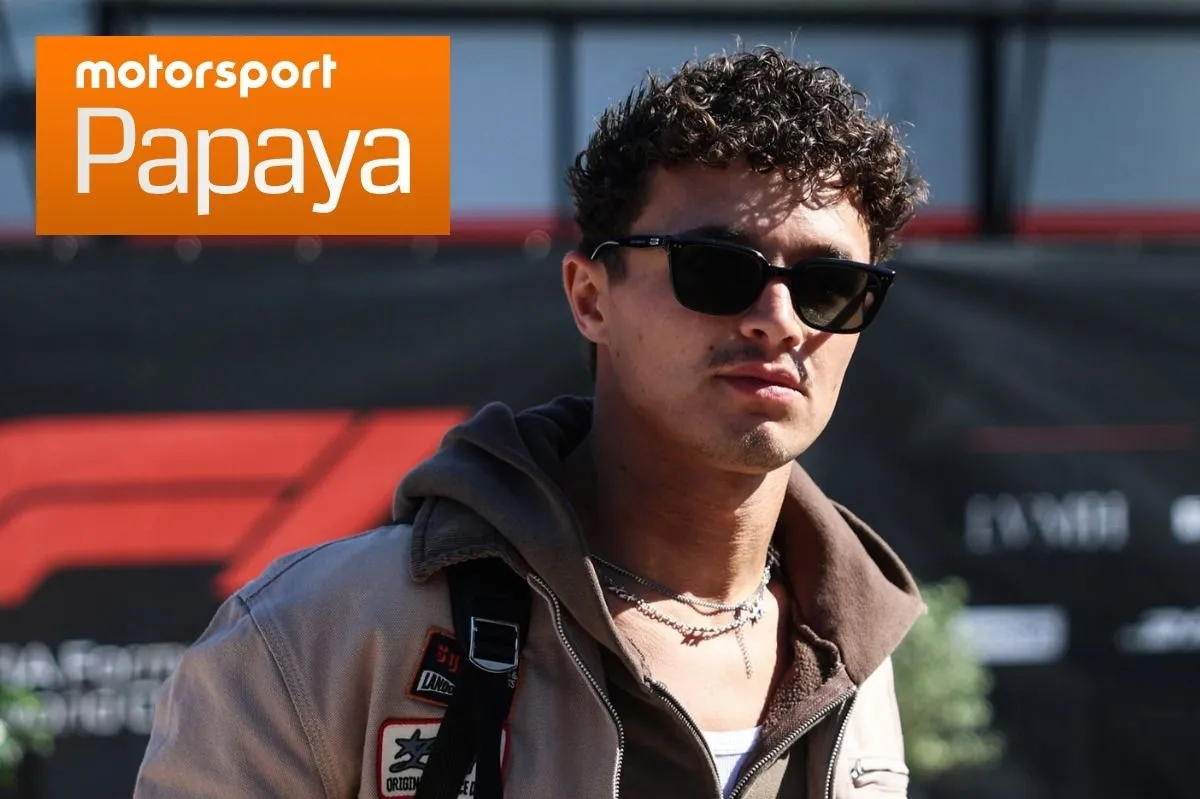
Lando Norris akui minum obat sakit kepala demi atasi guncangan ekstrem di COTA dan dukung kritik Max Verstappen. Baca analisis lengkap di sini!
 Continue with Google
Discussion (0)
Join the Discussion!
Sign in easily to start commenting, replying, and interacting with other readers.
Latest Comments
No comments yet. Be the first!