







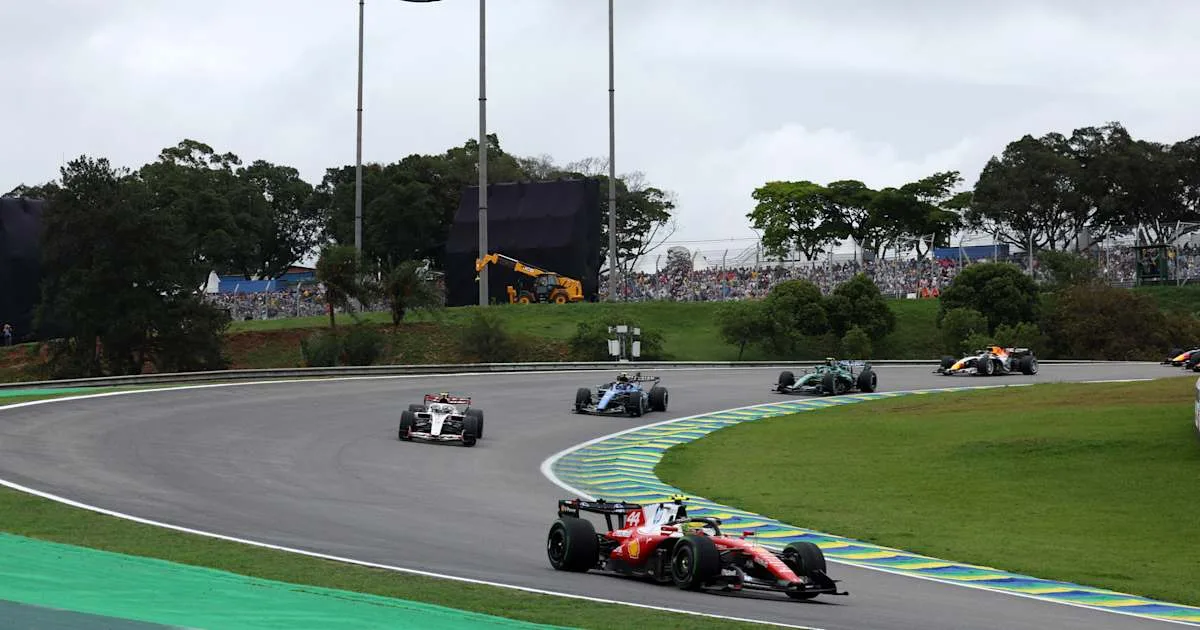
The high-stakes Formula 1 race weekend at the Autodromo Jose Carlos Pace Interlagos left the famous Maranello outfit with plenty of data to analyze and problems to solve. Rather than matching the breathtaking charge through the field witnessed elsewhere on the grid, Scuderia Ferrari had to settle for a disappointing points haul that failed to match pre-race expectations. Team principal Fred Vasseur did not shy away from addressing the media, offering a candid assessment of the technical hurdles that derailed their Sunday afternoon.
The focal point of the post-race debrief centered on early-race tire management and the compromises required to make aggressive moves off the line. Lewis Hamilton initially thrilled the garage by rocketing up into ninth place during a frantic opening tour of the circuit. However, that early promise quickly faded as the race settled into its long stints. According to the team leadership, the initial gains came with a heavy performance tax later in the grand prix cycles.
"Probably it was a matter of tire pressure," Fred Vasseur explained to reporters when breaking down the strategic trade-offs. "As with every decision in motorsport, there is a positive side and a negative side. It went very well at the start, but slightly less so during the first part of the race afterward. You cannot drive a first lap like that and then not carry the consequences for it. We had some issues with the tires during the race, which is why we lacked something and it did not go exactly as we wanted."
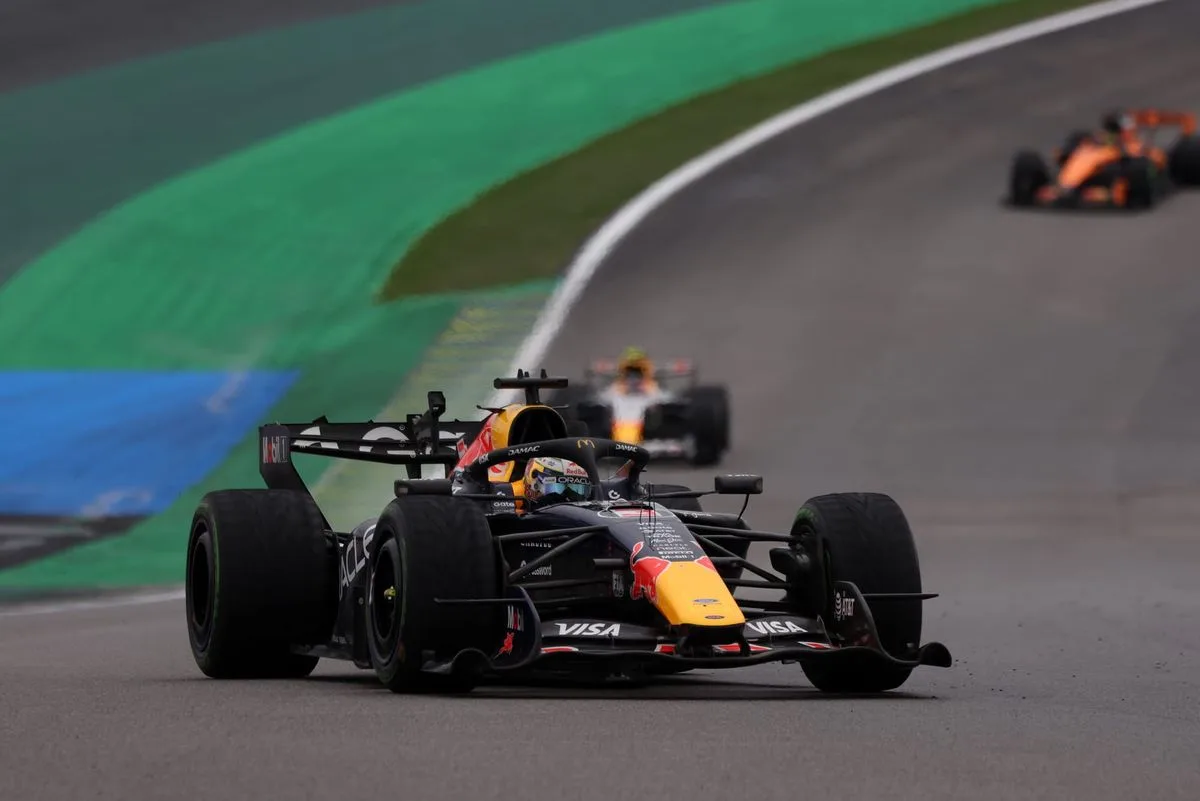
Vasseur added that the overall pace proved far too erratic throughout the afternoon, noting that the machinery was notoriously difficult to pilot cleanly. This lack of inherent balance robbed the drivers of the predictable platform needed to extract maximum lap time consistently. Although late-race stints on worn soft rubber showed encouraging flashes of raw speed, the damage to their overall race position was already done.
Looking ahead to the next stop on the 2026 racing calendar, Vasseur anticipates a uniquely freezing challenge under the neon lights of the Las Vegas Grand Prix at the Las Vegas Street Circuit. With nighttime ambient temperatures expected to plummet dramatically, engineers will face a rare thermodynamic puzzle requiring an entirely opposite approach to rubber preparation compared to normal Grand Prix weekends.
Read Also
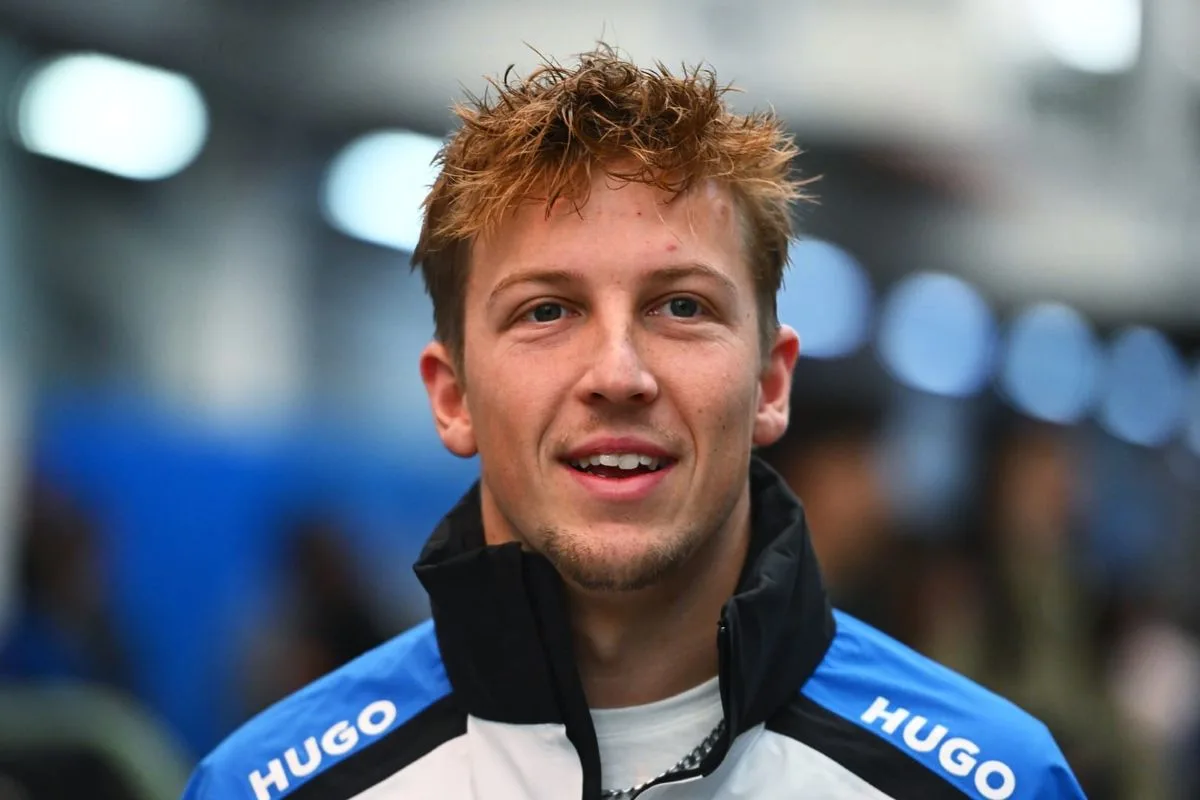
Liam Lawson kian dekat amankan kontrak F1 2027 bersama Racing Bulls usai tampil gemilang di Brasil. Baca analisis mendalam di sini sekarang.
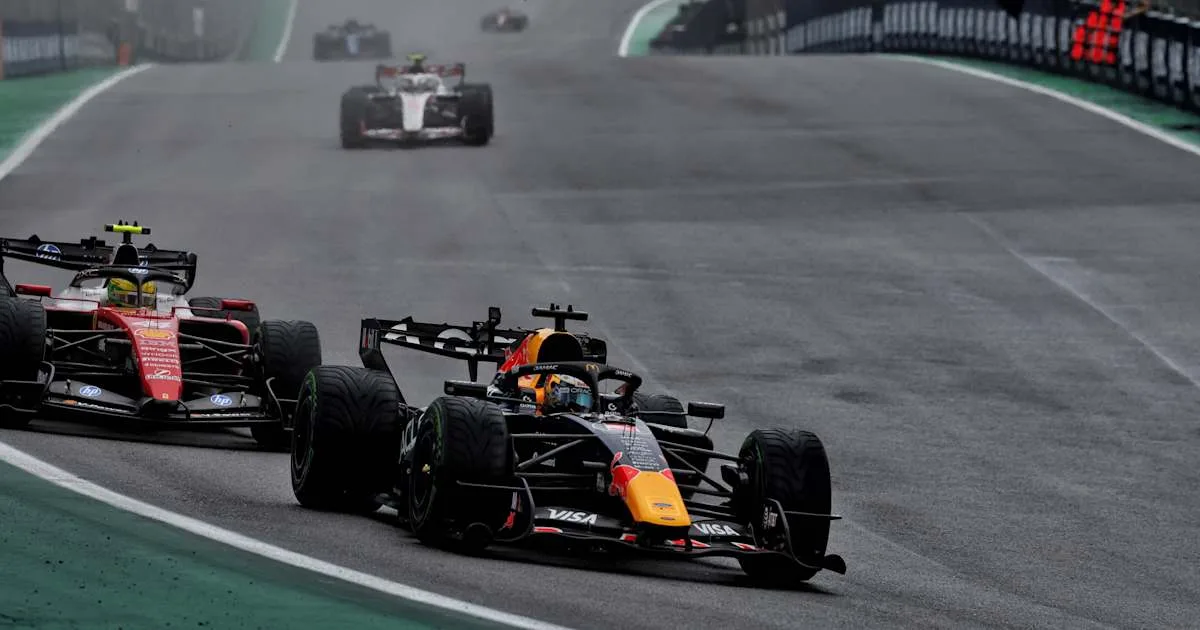
Max Verstappen murka meski sukses finis kedua dari posisi 21 di GP Brasil Interlagos. Simak analisis lengkap dan pengakuan sang juara di sini.
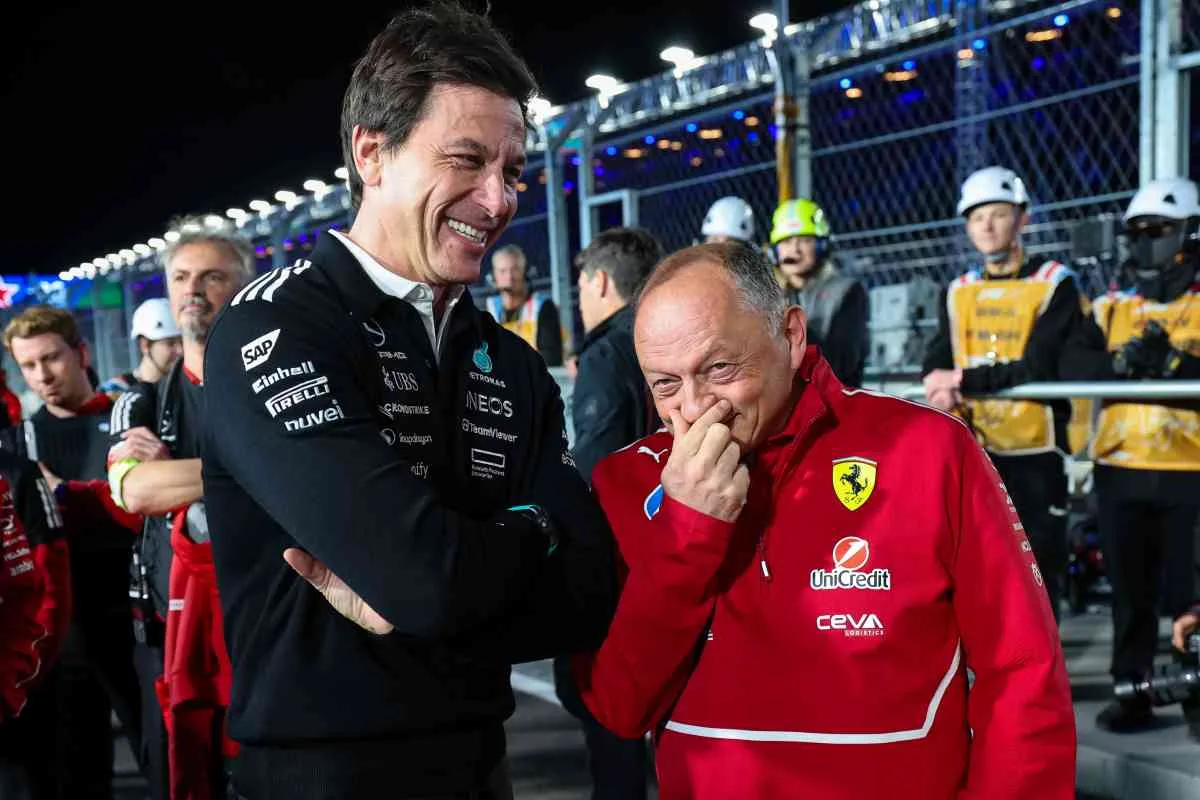
Simak analisis lengkap kekalahan Ferrari di Interlagos dan pengakuan sportivitas Frederic Vasseur atas gelar juara Mercedes. Baca selengkapnya di sini!
 Continue with Google
Discussion (0)
Join the Discussion!
Sign in easily to start commenting, replying, and interacting with other readers.
Latest Comments
No comments yet. Be the first!