







FIA is set to hold a key meeting with Formula 1, teams, and power unit manufacturers on Friday to evaluate the effectiveness of the latest regulation changes introduced during the 2026 Miami Grand Prix. The review follows several technical adjustments aimed at improving hybrid energy deployment and overall safety standards.
The meeting is expected to focus on the initial impact of the revised regulations implemented during the April break. The primary objective of the changes was to reduce excessive super-clipping and lift-and-coast behaviour that had become increasingly visible during the opening rounds of the season.
One of the most significant revisions was the reduction of recoverable qualifying energy from 8 MJ to 7 MJ per lap. In addition, the FIA reduced the race boost effect while increasing the super-clipping limit from 250 kW to 350 kW. The measures were designed to distribute electrical energy more evenly across a lap and create more natural racing characteristics.

From a safety perspective, the FIA also introduced a new low-power pull-away detection system capable of identifying cars accelerating too slowly after clutch release during race starts. Under specific conditions, the MGU-K automatically engages to ensure a minimum acceleration threshold without providing a competitive advantage.
The system is supported by redesigned rear and side lights with improved brightness to warn following drivers whenever the safety mode is activated. The development follows several dangerous launch situations earlier this season involving major closing-speed differences during full energy deployment phases.
Beyond the power unit changes, the FIA also revised intermediate tyre blanket temperature regulations. The blanket temperature has been increased to reduce grip loss when drivers exit the pit lane on fresh tyres under wet or transitioning track conditions. The adjustment forms part of a broader effort to improve tyre consistency and controllability in mixed-weather scenarios.
The FIA developed the regulation package through extensive consultation with teams including Mercedes, Ferrari, and Red Bull Racing, alongside power unit manufacturers and drivers. Although some critics argued Formula 1 required more radical revisions, the majority of paddock feedback following Miami suggested the sport had moved in a positive direction.
Technically, the latest revisions underline Formula 1’s ongoing effort to balance electrification, performance, and safety ahead of the next phase of hybrid regulations. With the championship preparing for the high-demand European section of the calendar, the FIA is expected to continue monitoring deployment data and race behaviour before deciding whether further mid-season adjustments are necessary.
Read Also
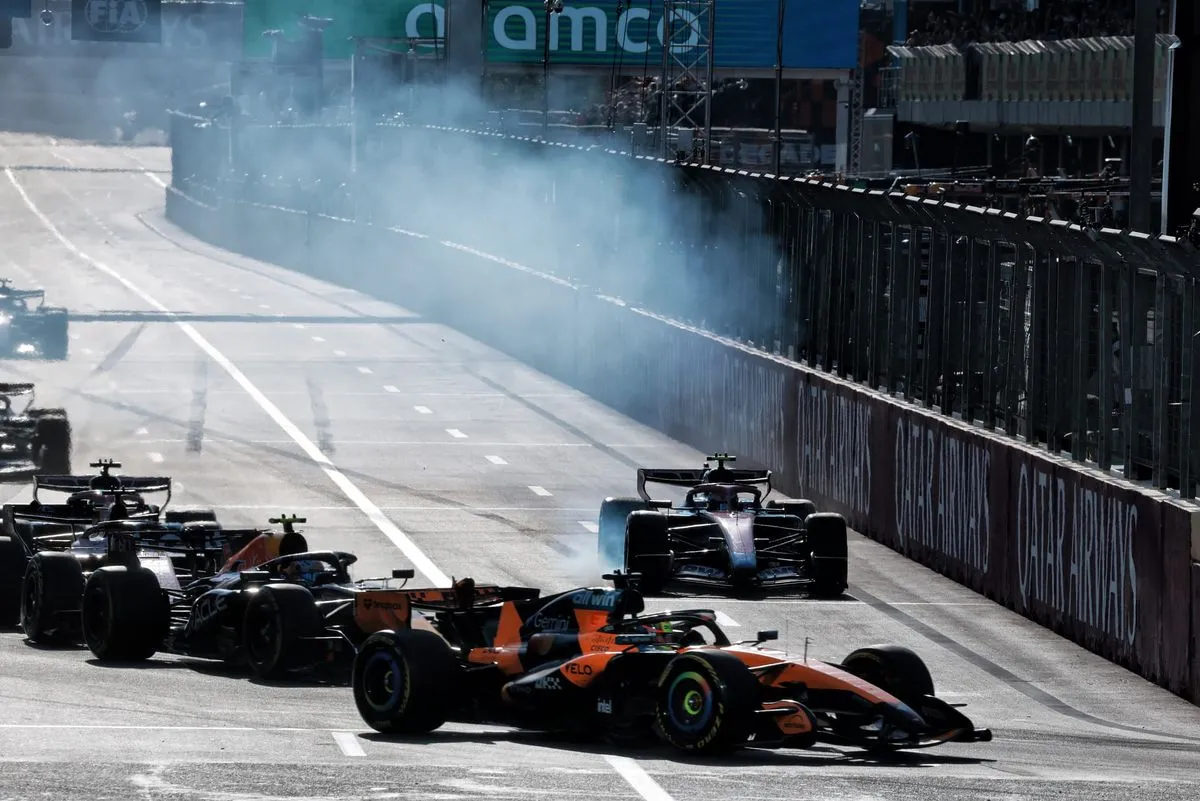
Insiden Franco Colapinto di GP Azerbaijan 2026 menyoroti titik buta sistem poin penalti F1. Tanpa poin penalti, apakah hukuman grid sudah cukup?

Christian Horner blak-blakan soal kepergiannya dari Red Bull. Ia sebut tim telah kehilangan 'vibe' dan identitas sejak ditinggalkan. Simak pernyataan lengkapnya.
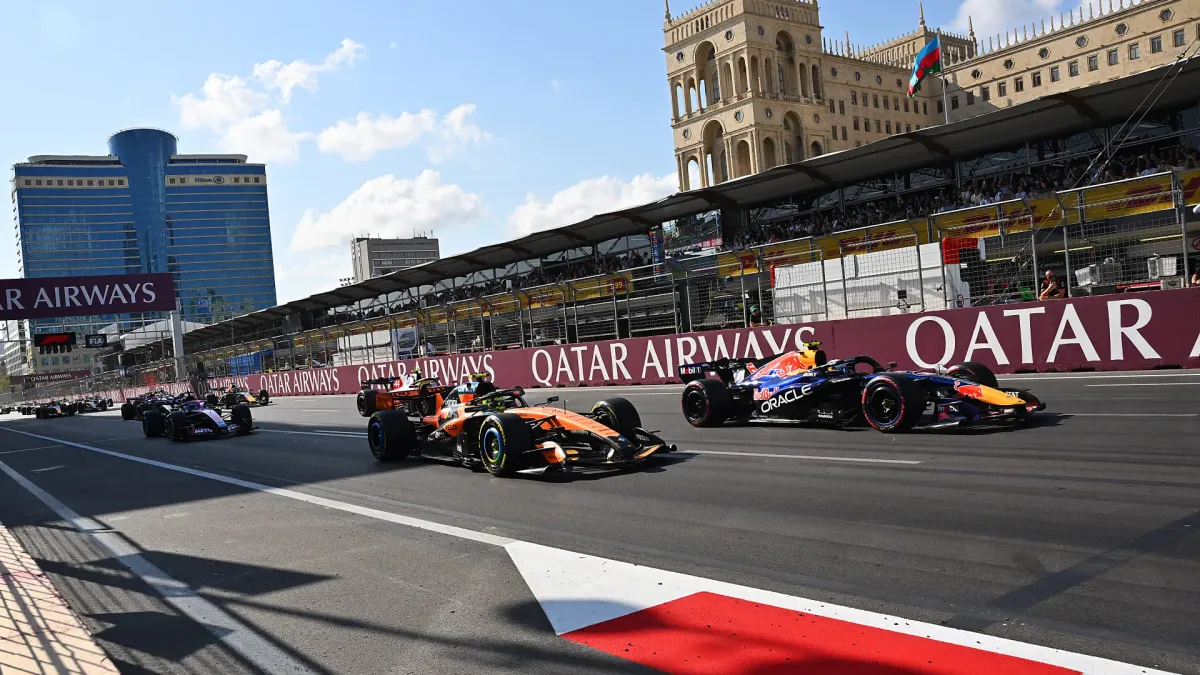
Klasemen F1 2026: Kimi Antonelli memimpin dengan 302 poin, disusul George Russell dan Lewis Hamilton. Simak update lengkapnya di sini.
 Continue with Google
Discussion (0)
Join the Discussion!
Sign in easily to start commenting, replying, and interacting with other readers.
Latest Comments
No comments yet. Be the first!